
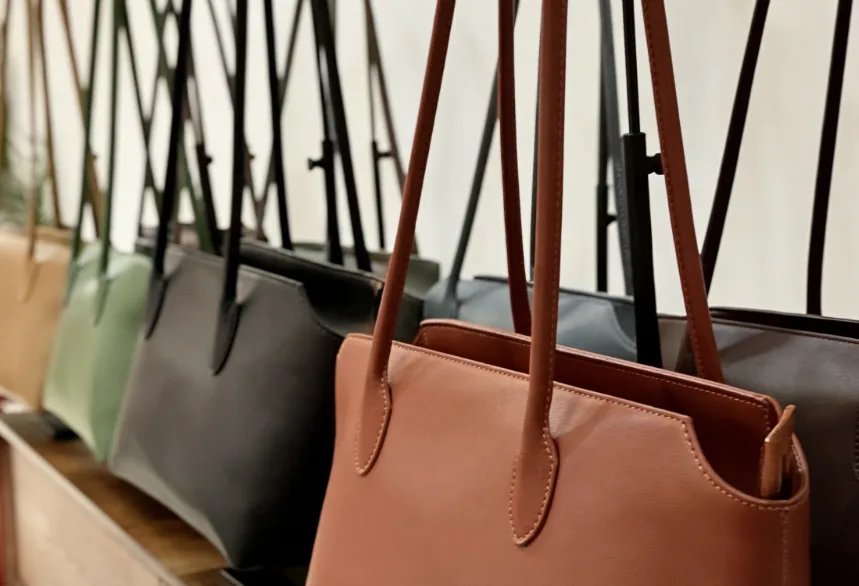
Many people struggle to understand why some leather bags instantly feel expensive while others look cheap, even when they appear similar at first glance. The truth is, a “high-end” bag is not defined by its brand name alone, but by a combination of craftsmanship, material selection, and precise control over every production detail. From the way the leather is treated, to how each stitch is placed, to how edges and structure are finished, these elements collectively determine overall quality and perception. In this article, we’ll break down what truly creates a high-end leather bag from two perspectives — the details you can see immediately and the ones hidden within the bag manufacturing process — to better understand what defines genuine luxury leather bag quality and leather bag craftsmanship.
The First Impression: What You Notice Instantly
What Alice Notices at Lower-Priced Bag Booths
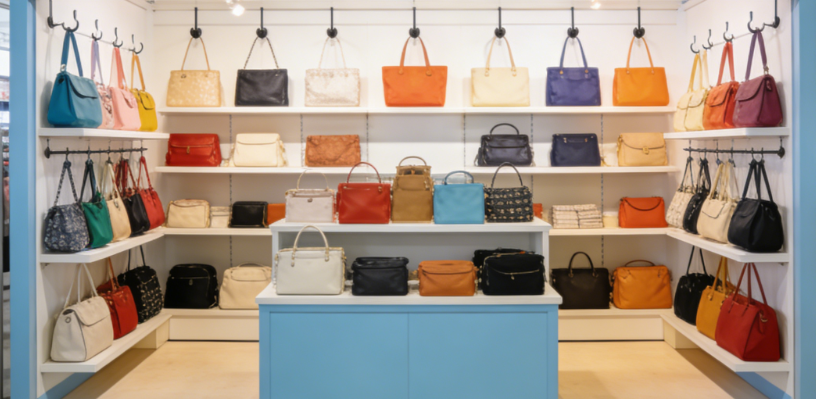
When Alice walks into a trade show, she quickly realizes that not all leather bags are created equal — even if they look similar from a distance.
At many lower-priced booths, the leather appears overly uniform. The surface is smooth, slightly shiny, and almost too “perfect.” But once she gets closer, the details start to reveal the truth. The shine feels artificial, like a coating sitting on top rather than coming from within the leather. When she touches it, the material feels stiff and cold, lacking flexibility.
These suppliers often rely on heavily corrected leather. Natural grain is sanded down and replaced with embossed patterns, then finished with thick coatings to standardize appearance. The result is consistent — but lifeless.
This is why these bags rarely convey a true high-end leather bag feel, even if they are labeled as genuine leather.
What Sets Higher-End Bag Suppliers Apart
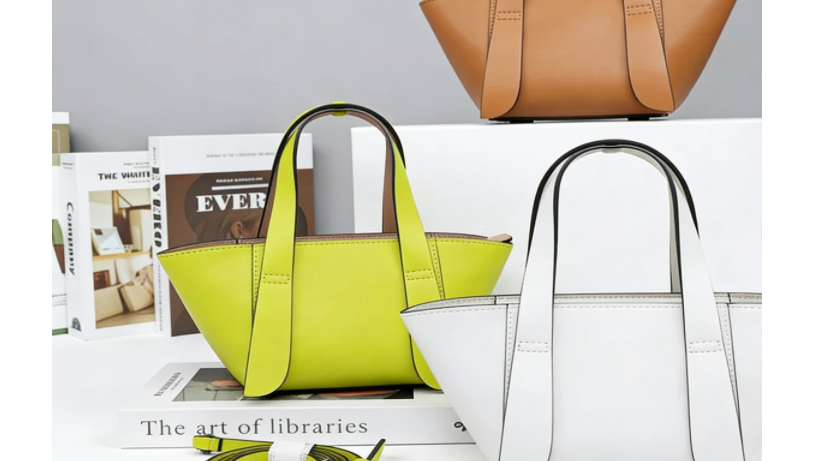
As Alice moves to higher-priced booths, the difference becomes clear without anyone explaining it.
The leather here doesn’t try too hard to impress. There’s no excessive gloss. Instead, it has a soft, natural luster that changes subtly under light. The grain is visible, but not exaggerated — small variations that make each piece feel unique.
When she touches the surface, it responds. It feels softer, warmer, and more flexible. There’s a sense of depth, almost like the leather is “alive,” rather than sealed under a synthetic layer.
These suppliers are typically working with full grain or top grain leather, preserving the original surface instead of hiding it. The finish enhances the material rather than covering it.
This is where true luxury leather bag quality begins to show — not through perfection, but through controlled natural variation.
What Alice Realizes About Building a High-End Bag Brand
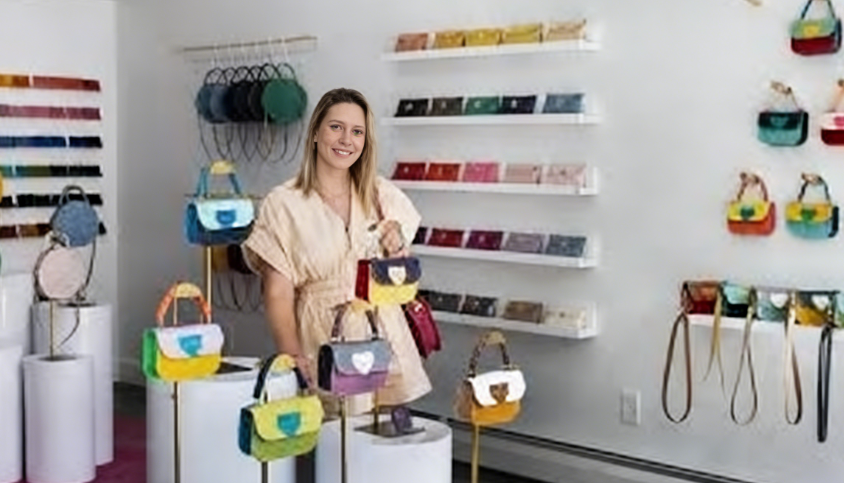
Standing between these two types of suppliers, Alice starts thinking about her own brand.
If she wants to create products that truly feel premium, she can’t rely on surface-level decisions. Choosing leather isn’t just about appearance — it’s about how the material is processed, finished, and respected throughout production.
She realizes that achieving real quality means working with partners who understand leather bag craftsmanship at a deeper level. That includes selecting better raw materials, avoiding excessive correction, and allowing the natural texture of leather to remain part of the final product.
It also means accepting a key truth:
High-end doesn’t come from making leather look perfect. It comes from knowing what not to change.
And that decision starts long before the bag is finished.
The Details That Reveal True Quality
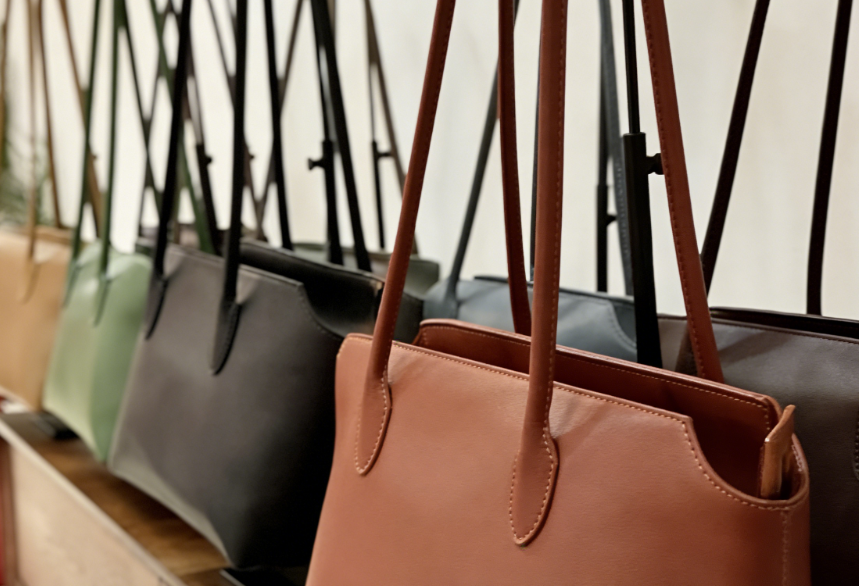
Beyond the first impression discussed above, what truly determines whether a bag feels high-end comes down to three critical factors: stitching precision, edge finishing, and hardware quality.
Stitching Precision
Stitching is one of the most direct indicators of a professional leather bag manufacturer and their level of stitching quality control. When examining a bag, Alice looks closely at whether the stitching lines are evenly spaced and straight throughout the entire body. Consistent stitch length (needle spacing) creates a clean and balanced appearance, while irregular spacing often signals weak production control.
Corners are especially important — high-quality bags maintain smooth, tight transitions without loose threads or misalignment. Even small inconsistencies become noticeable over time and can affect both durability and visual appeal. This level of control is what separates a standard product from a truly refined high-end leather bag.
Edge Finishing (Critical Point)
Edge finishing is often where true craftsmanship becomes visible. High-end bags typically use techniques such as hand-painted edges or rolled edges, where multiple layers are carefully applied and polished to create a smooth, sealed finish.
When done properly, the edges feel solid, refined, and resistant to cracking. In lower-quality products, edges may appear rough, uneven, or poorly sealed, with visible毛边 or early signs of wear. A well-executed finish reflects strong attention to detail and is a key part of leather bag craftsmanship that directly impacts long-term durability and the overall perception of luxury leather bag quality.
Hardware Quality
Hardware is another detail that can quickly reveal the difference between premium and low-end bags. High-quality hardware has a noticeable weight, a smooth surface, and consistent electroplating that resists fading or discoloration.
Zippers should glide effortlessly without catching or resistance. In contrast, cheaper hardware often feels lightweight, may scratch easily, and can lose its finish over time. These components are small in size but have a big impact on both user experience and the final impression of a high-end leather bag.
Why Some Bags Look Cheap Even If They Use “Real Leather”
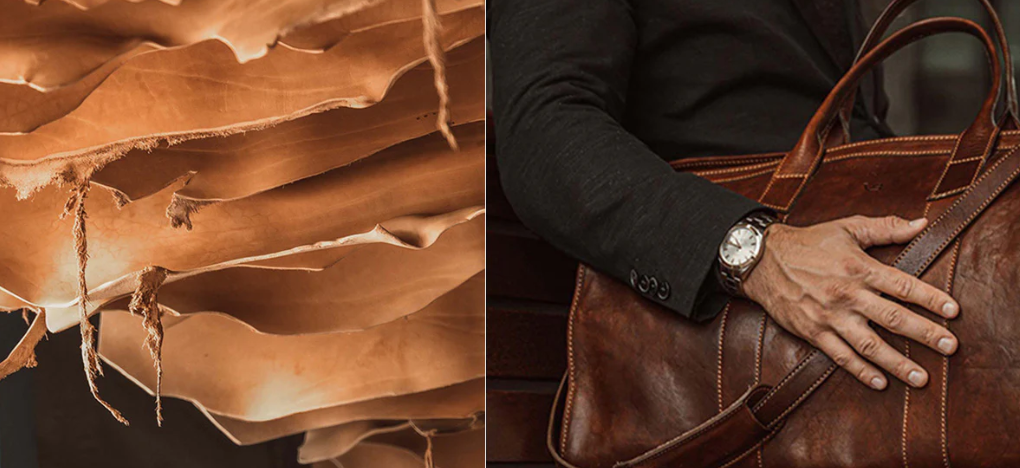
Some bags are made with “real leather” on paper, yet still fail to look or feel premium in real life. The gap often comes down to material grade, finishing methods, structural design, and the level of quality control behind production — which is exactly where the difference between cheap leather bags vs high-end leather bags becomes obvious.
Alice once heard a story from a fellow sales manager at a trade show that perfectly illustrates this.
A buyer walked into a booth, picked up a black leather tote bag, and asked confidently, “This is genuine leather, right?”
The supplier smiled and replied, “Of course. 100% real leather.”
The buyer nodded, then gently bent the bag. It didn’t flex naturally — instead, it felt stiff, almost like a cardboard shell wrapped in leather. He flipped it over and noticed uneven stitching, slightly messy edge paint, and hardware that felt unusually light. After a short pause, he said, “It may be real leather… but it doesn’t feel like a real product.”
The supplier didn’t argue. He simply admitted, “It’s split leather with heavy coating. It looks good in photos, but it’s not designed for long-term use.”
The buyer left without placing an order.
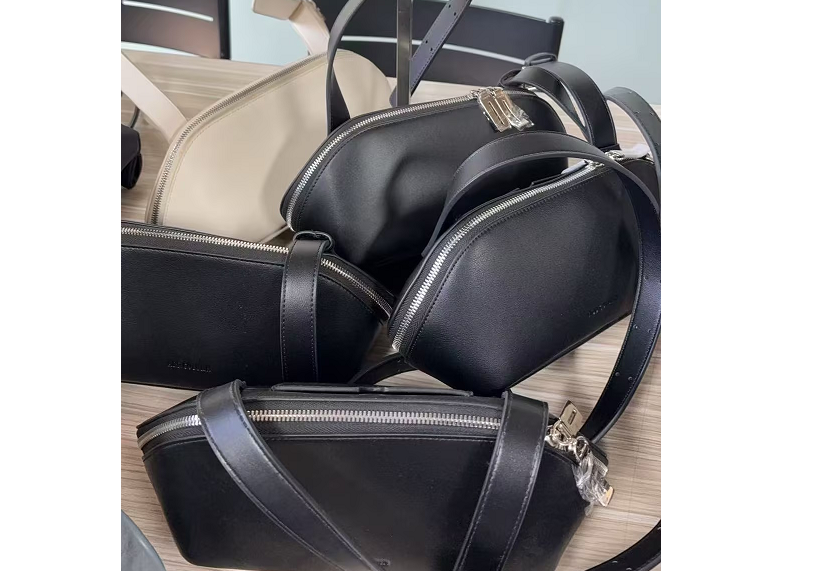
Stories like this are not uncommon, especially in categories like women’s handbags, men’s leather crossbody bags, and everyday fashion leather bags where appearance often drives first impressions. Many lower-cost bags rely on split leather with thick coatings to achieve a uniform look, often in popular colors like black, brown, beige, and cream bag, which can easily pass visual checks at first glance.
However, once you look closer, the limitations become clear. The surface may appear overly glossy or flat, lacking the depth and natural grain that people associate with a premium feel. Combined with inconsistent stitching, rough edge finishing, limited internal structure, and minimal quality control, these bags may look acceptable in photos or short-term use — but they struggle to deliver the tactile experience and durability expected from high-end products.
In the end, the difference is simple: real quality is not just about whether leather is used, but how it is processed, assembled, and controlled throughout the production process of a leather bag.
Conclusion
In the end, a high-end black leather bag is never defined by its logo alone, but by the accumulation of many small details working together — from material selection and stitching precision to edge finishing and hardware quality. Each element may seem minor on its own, but together they shape how a bag looks, feels, and performs over time. True quality is built, not labeled.
More importantly, that quality comes directly from the manufacturing process. For brands and buyers looking to develop their own product lines, choosing the right partner is critical. If you’re developing your own leather bag line, working with the right manufacturer makes all the difference, especially one that understands consistency, craftsmanship, and long-term quality control like Sunteam, where production is designed to support both premium standards and scalable growth.
FAQ
What type of leather looks most expensive
Generally, full grain and well-finished top grain leather tend to look the most expensive. They preserve natural texture, show depth in color, and develop a richer appearance over time instead of looking overly processed or artificial.
How can you tell if a leather bag is premium
Look at the stitching consistency, edge finishing, hardware quality, and overall structure. Premium bags usually have clean edges, even stitching, smooth hardware operation, and a balanced shape that holds over time.
Is full grain leather always high-end
Full grain leather is often associated with high-end products, but the final quality still depends on craftsmanship. Without proper design, construction, and finishing, even full grain leather may not result in a truly premium bag.