
That simple “Made In” label on a Ralph Lauren leather good tells a story — but most shoppers never know how to read it.
Eyeing an RRL hand-stitched wallet? A Purple Label briefcase? A Polo belt from the department store rack? The country of origin says more than just geography. It signals the quality tier, the craftsmanship philosophy, and whether that price tag holds up.
Where Ralph Lauren RRL leather goods are made isn’t a simple answer. It’s a layered system. Italian ateliers, American workshops, and overseas factories all play a role — and each tells a different story.
This guide breaks down where each line is produced. You’ll see what that means for quality and resale value. Plus, you’ll know how to spot the difference before you buy.
Where Are Ralph Lauren (RRL) Leather Goods Made
Ralph Lauren doesn’t source its leather goods from a single country. Knowing where each piece comes from tells you a lot about what you’re getting.
Production follows the brand’s tier structure. Premium RRL and Purple Label leather goods come from Italy. These aren’t large factories — they’re smaller, family-run workshops where hand-stitching and traditional techniques drive the work.
Portugal also supplies leather goods at the luxury tier. It’s a secondary source for elevated Ralph Lauren lines, with select RRL pieces like belts and shoes likely produced there too.
Here’s how production breaks down by line:
| Line / Tier | Leather Goods Origin | Production Style |
|---|---|---|
| RRL / Purple Label | Italy, Portugal | Artisanal, handcrafted |
| Polo Ralph Lauren (mainline) | China, Vietnam | Mass production |
China’s role is smaller than most people expect. It handles volume accessories for the Polo mainline — basic belts, mass-market pieces. It’s not a confirmed source for premium RRL leather goods. Italy fills that role.
One thing worth noting: Ralph Lauren’s disclosed factory list includes leather-capable facilities in India — such as AARTHI A1 HOME TRENDS PRIVATE LTD. in Tamil Nadu. Their tie to RRL leather goods remains unconfirmed.
Bottom line: Italy first, Portugal second — that’s where RRL leather comes from.
What “Made In” Really Means for Ralph Lauren Leather Goods
Here’s something most shoppers miss: Ralph Lauren owns zero production facilities. Every leather good with that polo pony logo comes from an outside contractor. The contractor builds each piece to Ralph Lauren’s specs, puts it together somewhere in the world, and ships it to your store.
That distinction matters. “Made in Italy” doesn’t mean Ralph Lauren runs an Italian factory. It means Ralph Lauren hired an Italian manufacturer to make that piece. The country stamp shows where workers completed the final build — not where every part came from.
The production scale is huge. Ralph Lauren works with over 700 manufacturers worldwide. No single bag manufacturer handles more than 4% of total production. Leather goods move through facilities across China, Vietnam, India, Italy, and Cambodia. Each location takes on a different role — raw material processing, dyeing, or final assembly.
A few specifics worth knowing:
- Less than 2% of products (by dollar value) get produced in the U.S.
- China supplies a “high single-digit percentage” of all sourced units
- Some U.S.-processed leather does exist — the Polo Camp shoe uses leather processed at home from regenerative farms
Ralph Lauren has also made firm commitments on leather sourcing. The target is 100% sourcing from Leather Working Group (LWG) certified tanneries by 2025. LWG-Gold certification is the goal by 2030.
So the label on your Ralph Lauren RRL leather good marks the final build point inside a multi-country production chain. It’s not a single origin story — it’s the last stop in a long journey.
Polo Ralph Lauren Mainline: Where Mid-Range Leather Goods Come From
At Sunteam, as a professional leather goods manufacture partner, we’ve spent years studying how global brands balance scale, cost, and consistency. Our research into Polo Ralph Lauren mainline leather goods reveals a strategy that many B2B buyers often misunderstand.
But to understand the system, you need to go back to where it started.
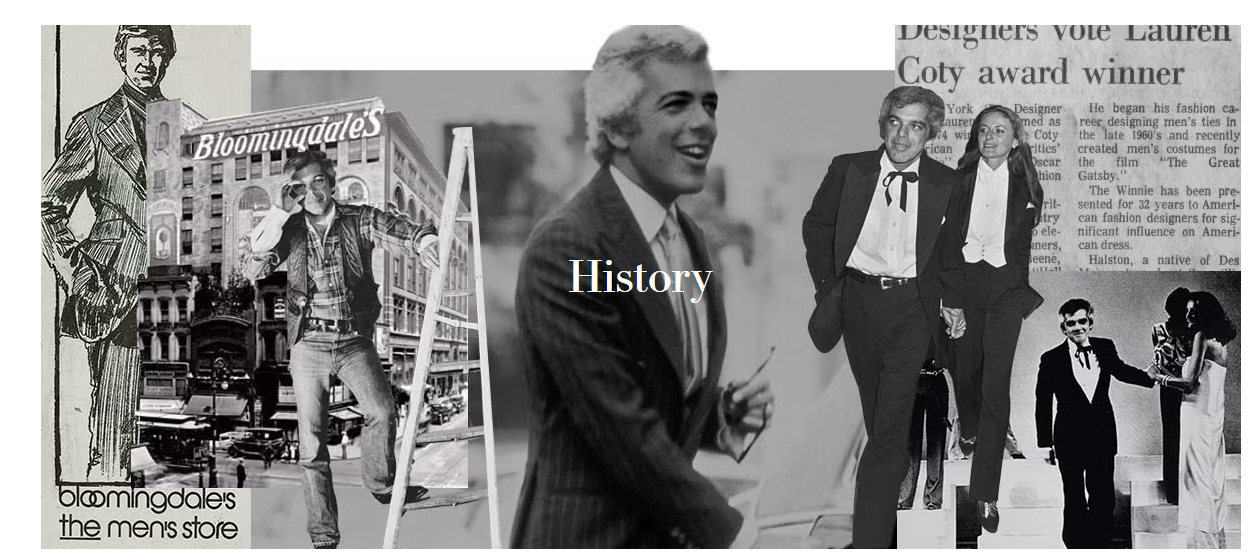
The brand was founded by Ralph Lauren in 1967 with a simple idea — turning classic American style into a scalable business. What began with neckties quickly expanded into a full lifestyle empire. From the very beginning, the brand wasn’t built on small-batch craftsmanship alone. It was built on controlled growth, brand consistency, and global bag production networks.
That DNA still defines the mainline today.

Through our supply chain research, Sunteam found that most mainline leather goods production is concentrated in China, supported by Vietnam and Sri Lanka for additional categories. These are not random factories — they are structured, certified, and optimized for high-volume leather goods manufacturing.
More importantly, these factories operate under Leather Working Group (LWG) standards. This ensures environmental compliance and traceability across the leather supply chain — something that aligns with how modern brands manage risk at scale.
So what does this mean in practice?
- Production is designed for volume and repeatability, not artisanal variation
- Quality control focuses on consistency at price-point targets
- Materials are mid-grade certified leather, with occasional higher-tier exceptions in specific product lines
From a business perspective, the results are clear. The continued growth of Polo’s handbag category and the launch of structured collections like Polo Play show that mainline leather goods are a strategic revenue driver, not a secondary category.
Sunteam’s takeaway for brands and buyers:
If you’re building a leather goods line, the real question isn’t “premium vs mass bag production.” It’s how well your supply chain matches your business model.
- Want scalability and margin control? You need a system like Polo’s
- Want artisanal storytelling? Then your sourcing strategy must shift accordingly
At Sunteam, we help brands bridge this gap — combining certified leather sourcing, controlled manufacturing, and flexible OEM/ODM solutions to build products that align with both brand positioning and market demand.
Because in today’s market, success doesn’t come from choosing one path — it comes from engineering the right production strategy from day one.
How to Read a Ralph Lauren Leather Good’s “Made In” Label Like an Expert
The label is there. Most people glance at it and move on. That’s a mistake.
A Ralph Lauren “Made In” stamp carries real information — you just need to know where to look and what each detail means.
Step one: Find the label. Location varies by product type:
- Belts: Inside the leather loop, or stamped along the underside buckle edge
- Handbags: Interior pocket tag, or sewn near the zipper or strap attachment
- Wallets: Inside the billfold compartment, or stamped on the leather backing
- Shoes: Tongue label, insole stamp, or heel counter etching
Step two: Match the origin to the tier. This is where it gets useful.
| Tier | Expected Origin |
|---|---|
| Purple Label | Italy, USA |
| Polo Ralph Lauren mainline | China, Vietnam, Sri Lanka |
| Collection / premium accessories | Italy, Portugal |
China handles 60–70% of Polo mainline volume. Seeing that on a Polo belt is normal. Seeing it on a Purple Label piece is a red flag.
Step three: Check the codes. Authentic Ralph Lauren labels carry a 10–12 digit serial number. The format is RL-YYMM-FactoryID-Seq#. That FactoryID links back to Ralph Lauren’s disclosed manufacturer list. Luxury pieces go further — they name the exact material. Look for “Full Grain Italian Leather,” not just “100% Leather.”
Watch for these counterfeit signals:
– “Made in Italy” stamped on a Polo-tier item
– Blurry printing or non-standard fonts
– No factory OS ID prefix
– Bangladesh or India origins on custom leather goods — those countries handle apparel, not core leather
Real labels are heat-stamped into the leather. Glued tags are a warning sign. Take that seriously.
Ralph Lauren’s Global Bag Manufacturing Network
Ralph Lauren’s supply chain runs across five continents. Each region plays a clear, defined role.
Asia handles the volume.
China, Vietnam, Bangladesh, Sri Lanka, and India produce the bulk of mass-market goods. China is the backbone. Raw materials, dyeing, finishing, and final assembly all happen within the same regional network. That tight integration keeps costs down and turnaround fast — which is why China drives most of the Polo mainline output.
Europe takes on the prestige work.
Italy and Portugal focus on luxury apparel and premium fashion lines. Skilled craftsmanship is the reason these factories exist in the network. Certain RRL and Purple Label pieces need techniques that high-volume factories can’t deliver. So these facilities aren’t swappable with their Asian counterparts — they serve a different purpose.
North America fills a different role.
The U.S. — including a key facility in Lilburn, GA (Apparel Manufacturing Co Inc) — produces heritage collections, limited-edition runs, and premium specialty pieces. Mexico contributes to this tier too. The draw here isn’t cost. It’s tighter control, faster response times, and stronger brand authenticity.
Other contributors fill the gaps.
The Philippines and select Central American countries cover specific product categories that fall outside the main leather bag production tiers.
Ralph Lauren’s global manufacturing division oversees the entire network. Buying agents are active across Asia, the Americas, and Europe. The distribution scale backs this up:
– 6,100+ retail locations worldwide
– 5,300+ channels in Europe alone
The geography is no accident. Asia handles volume. Europe delivers craft. North America anchors heritage. Every region has a job — and each one earns its place in the network.
Conclusion
Not all Ralph Lauren leather goods are created equal — and now you know why.
Where a piece is made tells you everything. It reveals which items truly deliver on the brand’s legendary promise. Purple Label and RRL goods made in Italy or the USA offer real investment-grade quality. Mainline Polo pieces give solid value from mixed origins. Outlet-tier goods? Great branding, modest craftsmanship.
Before your next purchase, flip that tag. Check the line. Check the label. Check the country. Then decide if the price matches the craftsmanship you’re getting.
Shopping for yourself or hunting a resale find — you’re no longer guessing. You have the knowledge to choose like a seasoned Ralph Lauren collector.
The label tells a story. Now you know how to read it.