
Every Wandler bag carries a quiet story — stitched into its seams, pressed into its leather, shaped by the hands that made it.
The Amsterdam-born label has built a devoted following. Fans love it for its bold, sculptural shapes. But the craftsmanship behind each bag is just as compelling.
So where does a Wandler bag actually come from? What goes into making one? These are fair questions, and the answers say a lot about the brand.
Wandler sources premium materials with care. Each piece takes shape in skilled workshops. From raw material to finished bag, every step reflects a serious commitment to quality. That’s what sets Wandler apart — and why the brand keeps earning loyal fans.
Here’s a closer look at how it all comes together.
Wandler Bag Production Location
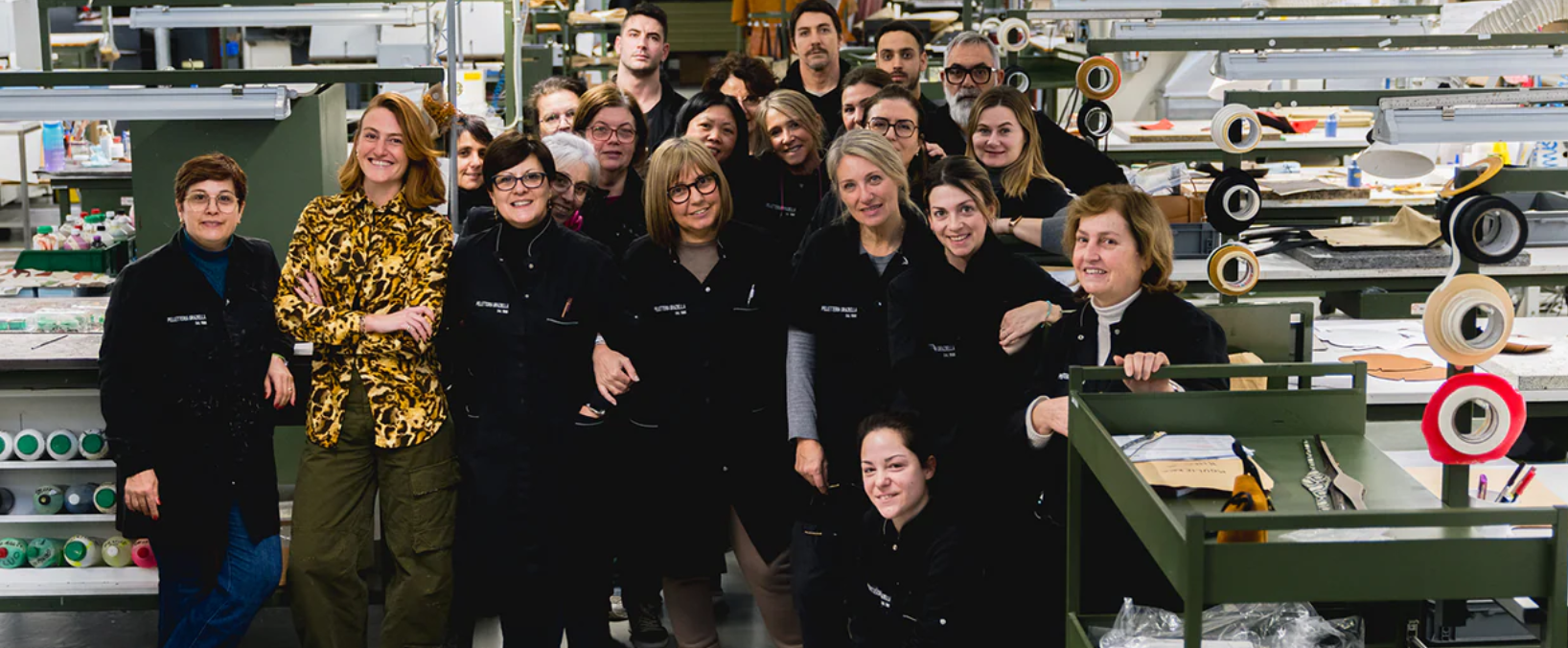
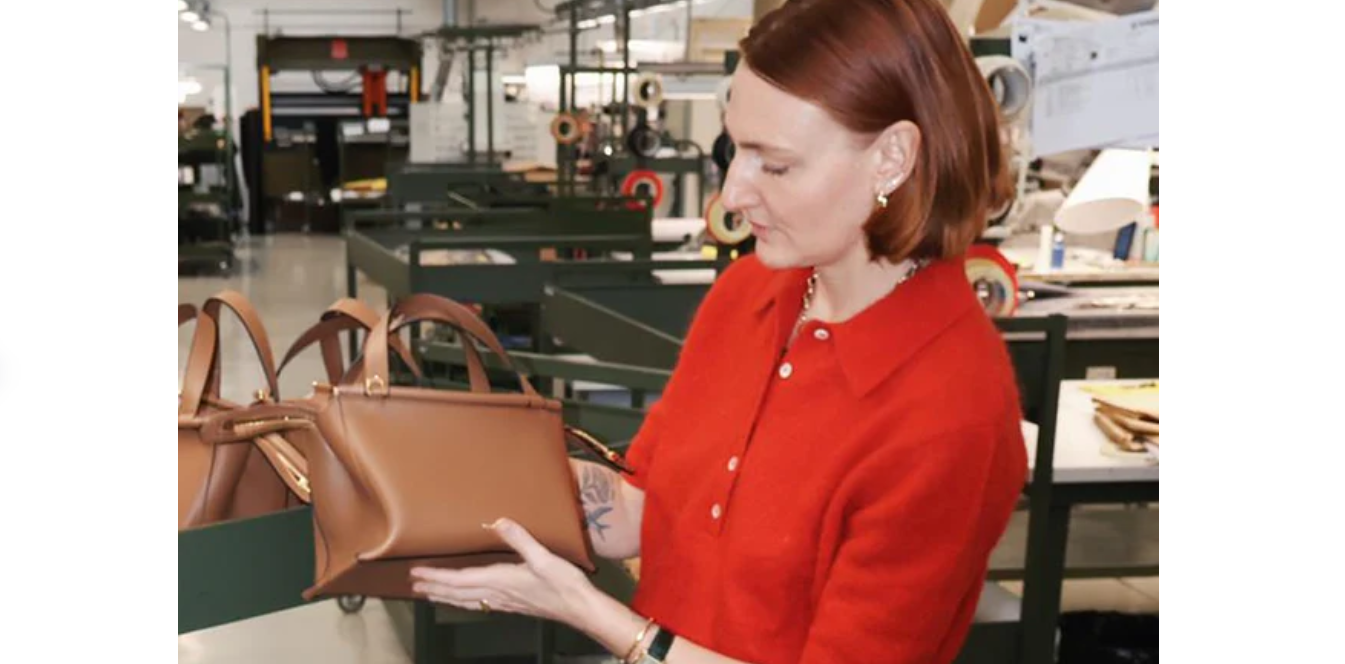
Wandler bags are made in Italy — at Pelletteria Graziella, a leather goods factory in the Riviera del Brenta district of Veneto. The brand has used this factory since 2017.
This isn’t a coincidence. Riviera del Brenta is one of Europe’s most respected leather goods clusters. The district holds 200–400 specialized workshops and factories. Most are small-to-medium operations with deep craft roots. Skilled labor stands out here — a high share of workers carry 10+ years of hands-on experience. Local training schools place 70–90% of graduates into district factories within a year of finishing their programs.
Amsterdam Designs, Italian Hands
Wandler runs a clear geographic split:
- Design and headquarters: Amsterdam, Netherlands
- Production: Italy only — no finished goods are made in the Netherlands
The workflow is straightforward. Concepts and prototypes get signed off in Amsterdam. From there, they go to Pelletteria Graziella for sampling and full production runs. Finished bags then ship from Italian logistics hubs to EU and global markets.
One thing worth clearing up: an older FAQ mentioned a “workshop in Spain” tied to pre-orders. That refers to order handling or minor logistics — not manufacturing. All finished Wandler bags are made in Italy.
What “Made in Italy” Really Means Here
The Made in Italy label on a Wandler bag covers the full production process. Cutting, stitching, assembly, and finishing all happen at Pelletteria Graziella in Veneto.
Keeping production in one place has real advantages. Established Italian luxury leather factories hit defect rates of less than 2–3% in final quality checks. That’s a hard benchmark to reach when production spreads across multiple sites or countries.
Yes, there’s a concentration risk. But for Wandler, that looks like a deliberate call — one that favors consistency and tight craft control.
Wandler Bag Materials
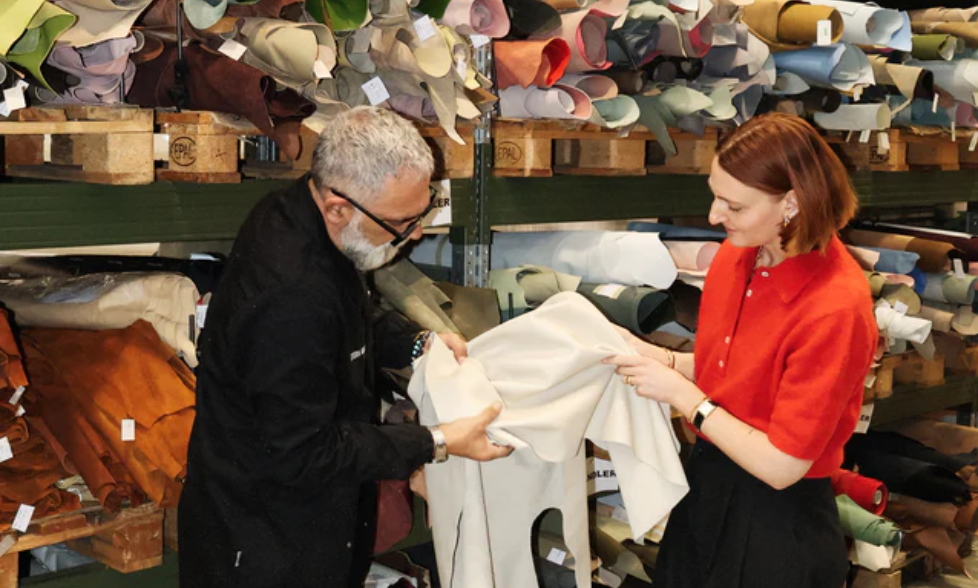
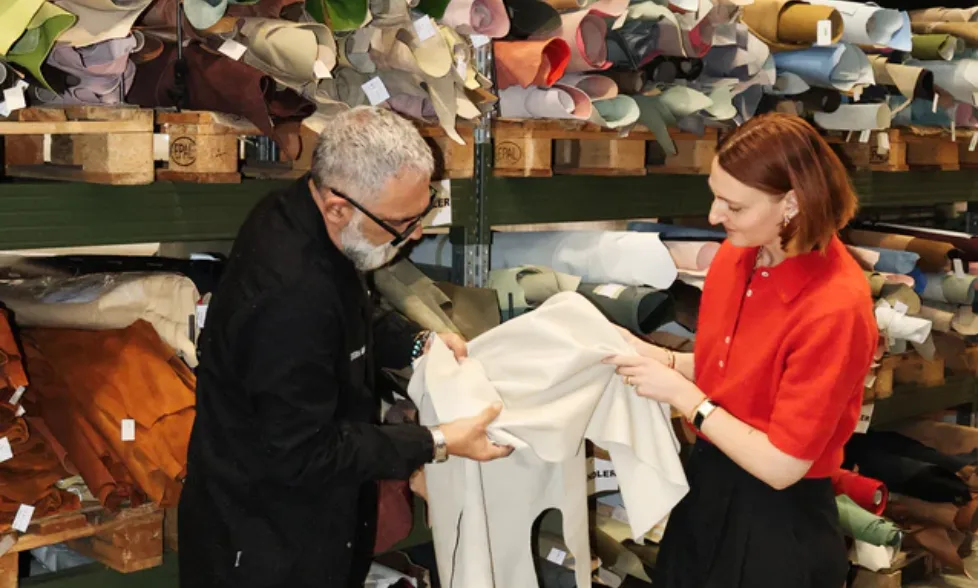
Wandler builds its bags from full-grain and vegetable-tanned leathers. These materials are chosen for how they age, not just how they look on day one.
The brand works with Italian and European tanneries. Hides must meet strict quality standards before they ever reach Pelletteria Graziella. That selectivity at the source matters. Leather quality is set at the tannery stage. No amount of skilled stitching can fix a poor hide.
Leather as the Foundation
Wandler’s signature materials include:
- Vegetable-tanned leather — tanned with natural plant-based compounds, not synthetic chemicals. It builds a richer patina over time and gets more durable with age.
- Full-grain leather — the top layer of the hide, kept close to its natural state. It holds the original grain pattern, so each bag carries its own subtle variations. No two pieces look the same.
- Nappa leather — a softer, more supple hide used across several Wandler styles. You get a smooth, refined surface finish that stays lightweight.
These aren’t budget materials dressed up with good branding. Full-grain and vegetable-tanned leathers sit at the top tier of available hide grades. They cost more to source and take more skill to work with. That’s part of why production stays in a specialized facility like Pelletteria Graziella, rather than moving to lower-cost options.
Hardware and Structural Components
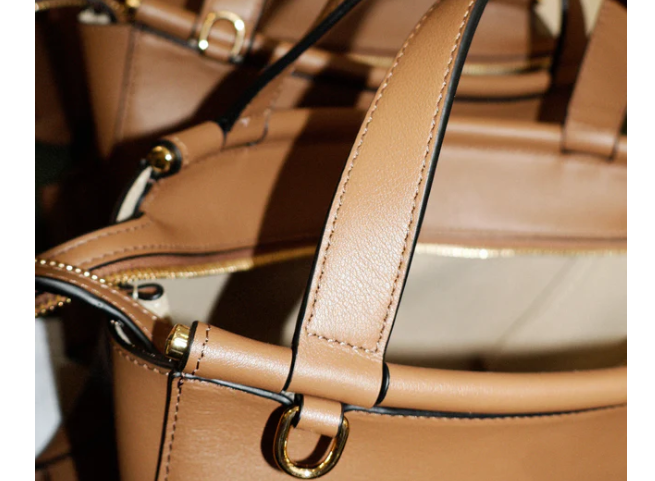
The leather doesn’t work alone. Wandler’s bags use solid brass hardware — buckles, clasps, D-rings, and studs — finished to match each seasonal colorway. Brass is heavier than zinc alloy substitutes. But it resists corrosion better and holds its finish far longer under regular use.
Strap attachments and closure systems get extra reinforcement at stress points. This is a practical decision. The sculptural shapes Wandler favors — structured bases, curved silhouettes, firm top handles — need internal structure to hold their form. That structure comes from:
- Leather liners and stiffeners bonded inside the main panels
- Cotton or canvas lining on the interior, stitched tight at the seams
- Waxed thread for seam strength, with extra focus on handles and base corners
Why Material Choices Connect to Longevity
A Wandler bag isn’t built to be a one-season purchase. The retail price reflects that — and so does the material spec. Vegetable-tanned leather stiffens and softens based on use and environment. Over years of carry, it shapes itself to how you use it. That’s a feature of the material, not a flaw.
The brass hardware follows the same logic. It may show light wear at friction points over time. But it won’t flake, pit, or discolor the way cheaper plated metals do.
Together, these choices create a bag built to be used — and to look better for it.
Wandler Bag Manufacturing Process
Making a Wandler bag takes time. A single bag needs 8 to 9 hours of hands-on work before it leaves the factory. That number tells you something about how this production works — it’s not an assembly line pushing out hundreds of units per shift. It runs more like a craft workshop.
At Pelletteria Graziella, the process follows a set sequence of steps. Each one leads into the next. Skip a step or rush it, and the problem shows up later — in the fit, the finish, or how long the piece holds up.
Step-by-Step: From Raw Hide to Finished Bag
The process starts with template cutting. Workers trace and cut leather panels to exact dimensions based on the bag pattern. Getting this right sets the fit for every part that comes after.
Next, the edges go through skiving — a worker thins the leather along its edges with a blade. This makes cleaner folds and cuts down bulk at the seams. After skiving, workers glue a polyester strip along the edge, fold the leather over it, and hammer it flat. You get a reinforced edge that holds up against cracking and peeling through regular use.
Hole punching comes before any rivet or buckle goes in. Workers pre-punch every hole to stop the leather from tearing under the force of hardware installation. It’s a small step. It makes a real difference in how long the bag lasts.
Workers cut and stamp structural components using a 25-ton clicker press. That pressure delivers consistent, repeatable cuts across every production run. It handles multiple material layers in one pass and keeps variation low between units.
Foam insertion comes next, before the final layers bond together. Workers place a thin foam layer between the leather panels on handles and structured sections. This adds softness without losing the bag’s firm, sculptural shape — and that balance is central to Wandler’s design.
After the structure is in place, workers apply logo heat-stamping to the right surface. Heat-stamped logos press into the leather rather than sitting on top. They last longer and stay cleaner than adhesive or printed options.
Stitching runs heavy-duty polyester thread throughout. Polyester thread outperforms standard cotton at stress points — it resists moisture, won’t rot, and holds tension longer under load. Handles, base corners, and strap attachment points get the most thread passes.
Workers attach hardware — buckles, clasps, D-rings — after assembling the main body. Each piece goes in at a pre-punched point with reinforced backing. Workers then check alignment and closure function before the bag moves to final inspection.
The last stage is conditioning and singeing. Workers apply conditioner to the leather surface to bring out color depth and keep it flexible. They singe off loose threads. Then the bag goes through a full visual and structural check before it’s cleared.
Where Process Control Creates Quality
Each step in the sequence targets a specific failure point:
- Hole punching stops the leather from ripping under hardware
- Edge skiving and reinforcement stop cracking at the seams
- Foam insertion removes pressure discomfort on handles
- Polyester thread stops seam failure at high-stress points
The sequence itself acts as a quality system. Run every stage in order and to standard, and defects don’t pile up — workers catch them before they become permanent. That’s how established leather factories in the Riviera del Brenta district hold defect rates below 2–3% on final inspection. The process is built for that result, not just the finished product.
At Wandler’s price point, this level of manufacturing discipline isn’t a bonus. It’s what makes the material investment — the full-grain leather, the brass hardware, the waxed thread — pay off in real use.
Wandler Bag Additional Facts
A few details about Wandler bags don’t fit into production or materials — but they’re worth knowing before you buy.
The price reflects what goes into the bag. Wandler sits in the accessible luxury tier. Most styles range from €350 to €650. That puts the brand well above fast-fashion accessories but below the top-tier heritage houses. Each bag takes 8–9 hours of hands-on labor. Add full-grain leather construction, and the price makes sense for what you get.
Colorways change each season, but the silhouettes stay. Wandler drops new colors and limited editions every season. The core shapes — the Hortensia, the Billy, the Carly — stay constant. That matters for long-term ownership. Years down the line, hardware or a strap may need replacing. Sticking with a recognized silhouette makes finding parts or booking repairs much easier.
The brand stays small by design. Wandler isn’t chasing scale. Production stays concentrated at one Italian factory. That puts a natural limit on output volume. It’s not a weakness — it’s a deliberate choice that keeps quality consistent.
Care extends the investment. Vegetable-tanned leather responds well to conditioning. A simple routine goes a long way:
- Wipe down the bag after use
- Apply leather conditioner every few months
- Store it in a dust bag
This keeps the leather in good shape far longer than most accessories at this price point.
Conclusion
Every Wandler bag has a story — sourced materials, skilled European craftsmanship, and a brand that takes environmental responsibility head-on. Knowing Wandler bag production isn’t just behind-the-scenes trivia. It’s the reason these pieces hold real weight, in quality and in value.
Buying a Wandler bag means more than picking a silhouette that trends on Instagram. You’re choosing a product built with purpose — from the tanneries supplying premium leather to the artisans shaping each structured form by hand.
Now you know how and where Wandler bags are made. Let that guide your next purchase. Browse their current collections with a closer eye. The price reflects the craft — no question about it.
Great design is deliberate. So is the decision to own it.