
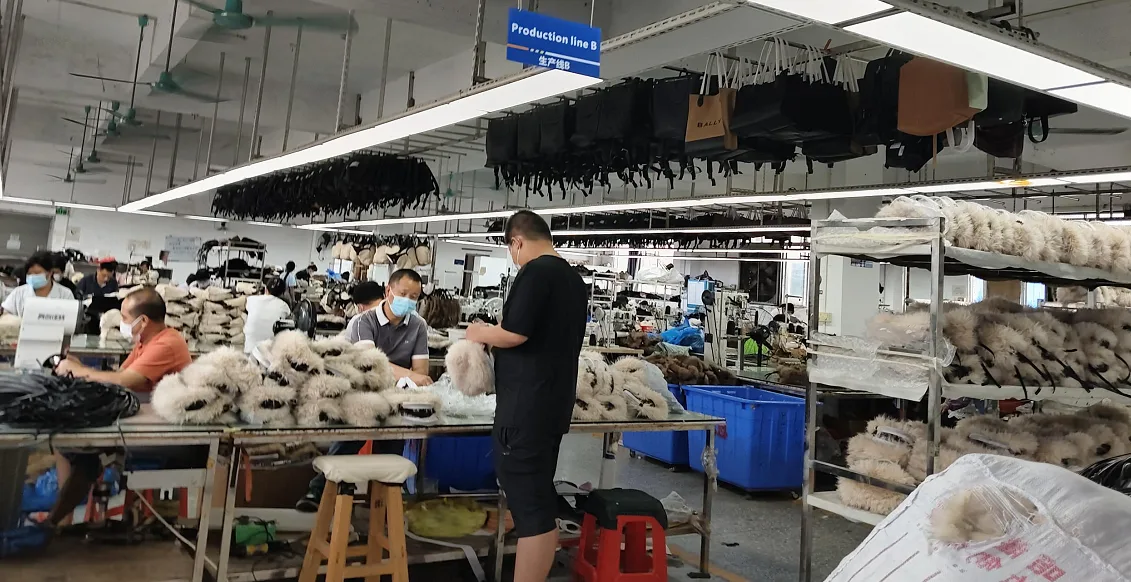
Launching private label leather crossbody bags for an Italian boutique brand sounds romantic. You picture artisan workshops in Florence, supple Tuscan leather, a label that whispers made with intention.
The reality hits different. You’re dealing with manufacturer vetting, MOQ negotiations, branding decisions, and margin math. Any one of these can unravel even the most passionate founder.
Here’s what separates the brands that make it: they don’t just sell bags. They sell a story — one people are willing to pay a premium for.
This guide covers it all. You’ll go from defining your brand identity to picking the right Italian manufacturing partner. Plus, you’ll learn about pricing strategy and the expensive mistakes most newcomers never see coming.
What Is Private Label in Italian Leather Bag Manufacturing?
![0625f819-3939-4c38-9d33-88b8a2e71dd2[1].png](https://sunteam.oss-ap-southeast-1.aliyuncs.com/images/p_24/d_default/9bbf6ee5-ea5a-4220-8866-e137e7453d30.png)
Private label sits between two extremes — full custom design (OEM) and buying wholesale off the shelf. In the Italian leather bag context, the factory already has proven patterns and structures. You choose the leather, hardware finish, and minor modifications. The factory stitches your brand name onto the finished piece.
That’s a clear difference from OEM, where you submit complete design files and the factory builds from them. It’s also separate from ODM, where the factory owns the original design outright. Private label for Italian boutique brands works as a hybrid. You get the craft infrastructure without hiring a full design team.
Why this matters:
-
MOQ starts low — most Italian private label factories accept 20–50 pieces per style, per color
-
Sampling is fast — prototype turnaround runs 2–6 weeks, depending on complexity
-
Margins improve — boutique retailers moving from multi-brand to private label often see gross margin jump from 45–55% up to 60–75%
The factory handles pattern development, sample production, and spec sheets. You focus on positioning and sales.
One number worth holding onto: a style selling at 200–300 units per year supports steady reorders and gradual range expansion. That’s a realistic target for a boutique brand testing its first private label leather crossbody bags as part of an Italian boutique brand strategy.
Defining Your Italian Boutique Brand Identity Before Sourcing
![c512383c-d93c-4dc5-96d0-8d7e475600c6[1].png](https://sunteam.oss-ap-southeast-1.aliyuncs.com/images/p_24/d_default/e9da855a-c596-42df-8174-f507b012b7de.png)
Most sourcing mistakes happen before anyone contacts a bag factory. Founders jump straight to MOQ negotiations without locking down three things every Italian manufacturer will ask about: who you’re selling to, what you’re charging, and what the bag looks like. Get these wrong, and your samples will come back off-brand every time.
Know Your Customer Before You Pick a Leather
Your customer’s age bracket shapes almost every product decision — leather grade, hardware finish, price point, even strap drop. Here’s how boutique buyers break down by segment:
-
22–30 years: Drawn to “Made in Italy” credentials but price-sensitive. Realistic budget sits at €150–€300 per bag. Clean silhouettes and clear quality cues matter more than complex design.
-
28–40 years: Urban professionals who buy into craft narratives. They’ll spend €300–€600 if the story holds up across touchpoints — product page, packaging, and in-store experience.
-
35–50 years: High-net-worth buyers who prefer quiet classics. Comfortable at €600–€1,200+, but they’ll measure your brand against established names. Execution has to be flawless.
One purchasing behavior worth noting: light-luxury buyers average 2–4 leather goods purchases per year, with 40–60% influenced by social media or online discovery. That data shapes where you put your marketing budget.
Lock In Your Price Tier — It Changes Everything Downstream
Price position isn’t just a marketing call. It determines which factories will talk to you and what materials are on the table.
€150–€450 (accessible luxury):
– Mid-size Tuscany or Marche factories, MOQ 50–150 units per style
– Leather: corrected-grain or full-grain bovine hide
– Hardware: gold-plated or palladium alloy (not solid brass)
– Target gross margin: 65–75% at retail
€450+ (premium / bridge to true luxury):
– Small artisanal workshops willing to run 30–50 units per color per style
– Leather upgrades to full-grain or vegetable-tanned hide
– Hardware shifts to solid brass or steel with plating tested to ≥5,000 rub cycles without visible fade
– At this price, buyers will compare you to Gucci and Prada. Your brand narrative needs to carry real weight
Choose One Visual Direction and Commit to It
Style ambiguity kills sampling efficiency. Before reaching out to any manufacturer, narrow your aesthetic to one primary direction and one compatible secondary. That’s it.
Minimalist:
Keep panel count to ≤5 main pieces. Reduce hardware to one main closure plus 2–4 D-rings. No oversized logos. The leather becomes the visual focus, so material quality has to speak for itself.
Florentine Vintage:
Specify vegetable-tanned leather at 1.8–2.2 mm thickness. Go with natural edge finishing or wax burnishing — skip heavy painted edges. Classic structures work best here: saddle bag, doctor bag, flap satchel. Strap width around 3 cm reinforces the heritage feel. Buyers in this category will pay a 15–25% premium for genuine veg-tan over standard bovine.
Modern Artisan:
Keep the silhouette contemporary. Add visible handcraft details — saddle stitching, exposed rivets, hand-woven panels. Lead with labor data in your copy: “each piece takes 6–8 hours of artisan time” is a concrete premium justification. Limited runs of 30–100 units per style become a selling point, not a production constraint.
Nail these three pillars — customer profile, price tier, visual direction — and your factory brief writes itself.
Top Italian Private Label Leather Bag Manufacturers to Evaluate
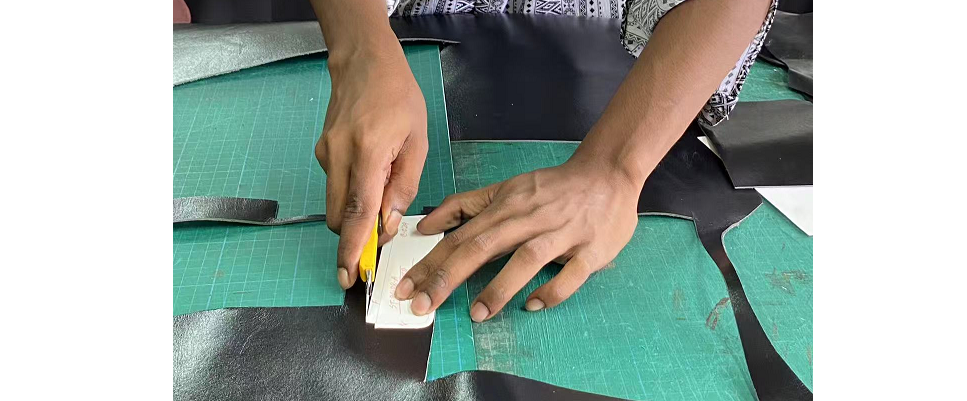
Four manufacturers keep coming up as boutique founders source private label leather crossbody bags for an Italian boutique brand. Each one fits a different stage and brand profile. Here’s what to know before reaching out to any of them.
Pierotucci — Florence-Based, Full-Process Private Label
Pierotucci operates near Florence and positions itself as “your Italian supplier for Private Label and Custom Projects.” That matters. It means they work with international boutique brands — not just domestic wholesale buyers.
They handle everything from sketch to finished bag. Bring reference photos or a rough concept. Their team develops patterns and moves into sampling from there. They produce standard models with custom branding, plus full custom designs built from your tech pack.
Pierotucci runs its own Made in Italy brand. So they have a real stake in keeping the supply chain inside Italy — cutting, stitching, edge-finishing, and assembly all included. That sets them apart from anonymous subcontractors who might fudge origin claims.
Key questions to ask before committing:
– MOQ per style per color (Florence benchmark: 30–50 pieces, sometimes 10–20 at a premium)
– Written confirmation that all primary production steps occur in Italy
– Prototype and pre-production sample lead times (expect 3–6 weeks)
– Whether patternmaking fees count toward your first bulk order
Common Pitfalls When Launching a Private Label Italian Leather Brand
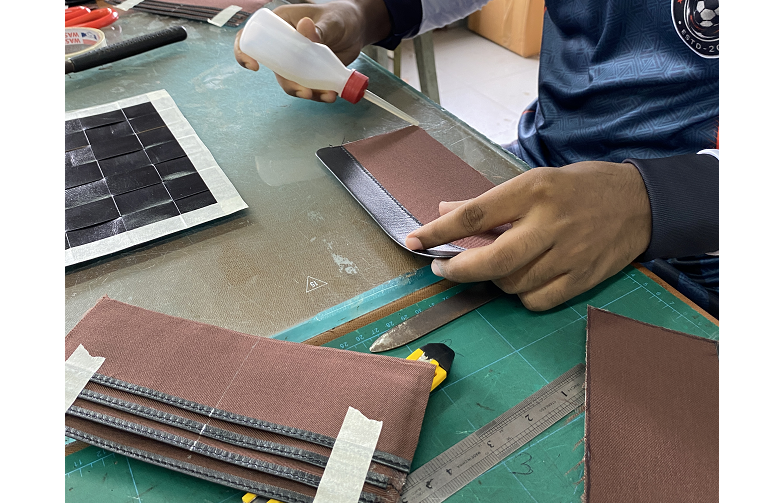
Three problems kill most private label Italian leather launches before they gain traction: unverified origin claims, sample-to-bulk inconsistency, and inventory overcommitment before demand is proven.
“Made in Italy” Is a Legal Claim, Not a Supplier Promise
Signing with an Italian bag factory does not protect your origin labeling on its own. For leather goods, a defensible “Made in Italy” label requires cutting, stitching, assembly, finishing, and packing to all happen on Italian soil. You also need documentation proving each step.
Ask every prospective manufacturer for a written production-step breakdown. Cross-reference it against product labels, hangtags, invoices, and customs paperwork. Documents that don’t tell a consistent story leave the claim legally exposed. Build a contract clause that requires supplier notification before any subcontracting or location change. Also include your right to reject goods if origin documentation is incomplete.
Sample Quality Often Falls Apart in Bulk Production
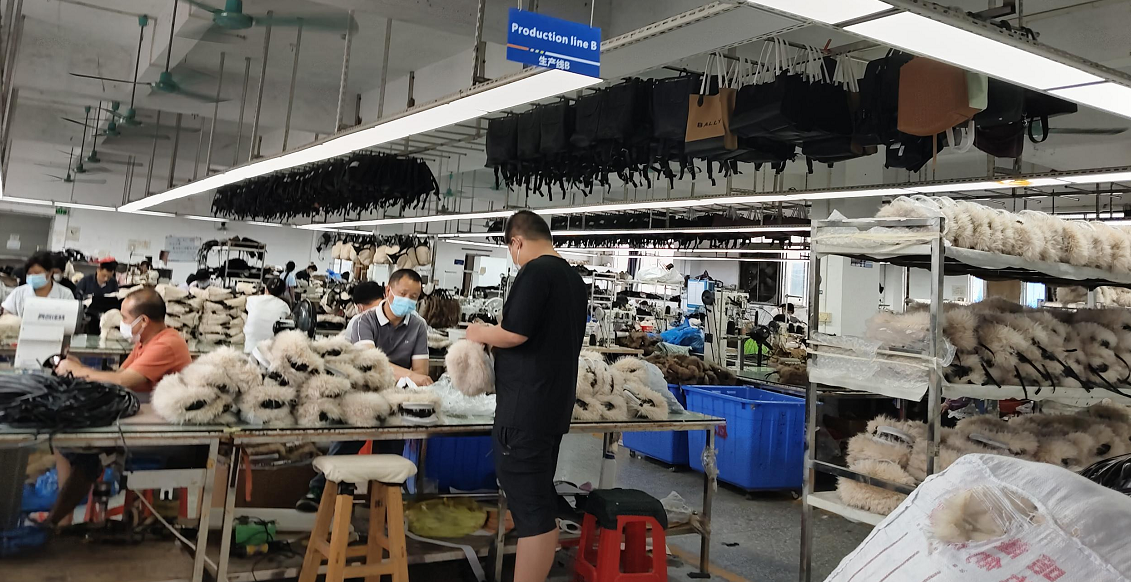
Approved samples from Italian artisan workshops tend to be hand-finished with more care than bag production-line units. Bulk orders often show drift in leather grain, stitching tension, edge paint, hardware alignment, and color tone.
Fix this with a three-checkpoint system:
– Pre-production sample — confirms materials and construction before the full run begins
– Golden sample — held by both parties as the binding quality benchmark
– First article inspection — batch checked against the golden sample before balance payment releases
Define measurable tolerances in the contract: leather thickness, stitch density, color variation (ΔE), hardware finish, dimensional tolerance, and acceptable defect rate per batch. Vague terms like “artisan quality” won’t hold up in a dispute.
The MOQ Trap Is an Inventory Trap
Low MOQs feel like safety. They’re not — especially if you over-order just to signal seriousness to the factory. The real risk isn’t the minimum order size. It’s committing to volume before you have any sell-through data.
Two practical moves protect you here:
-
Negotiate style-by-style MOQs. Test 2–3 hero SKUs rather than spreading cash across a full assortment. Most Italian private label factories with flexible programs will take a tightly scoped order without pushing back.
-
Split the first order into a pilot batch plus a replenishment batch. Trigger the second run only after real demand data comes in.
A pre-order or limited capsule launch works better than a full assortment drop. One signature silhouette, one leather type, one hardware finish, one color family. That single constraint cuts compliance gaps, reduces sample-to-bulk variables, and keeps your inventory exposure manageable while you validate the market.
Conclusion
Building private label leather crossbody bags for an Italian boutique brand is more than a sourcing decision. It’s the first chapter of a brand story worth telling.
The brands that succeed here share three things:
-
A clear identity before approaching any manufacturer
-
A disciplined development process that protects both quality and margins
-
Packaging that makes the unboxing feel as intentional as the bag itself
Italian craftsmanship carries real weight in the market. That weight converts to sales only when the brand behind it is coherent, confident, and built with purpose.
Your next step is straightforward. Define your brand brief. Shortlist two or three manufacturers. Request sample development before committing to any production run. That groundwork separates the brands that last from the ones that fade out after their first collection.
Craftsmanship earns attention. Strategy earns loyalty. You need both.