
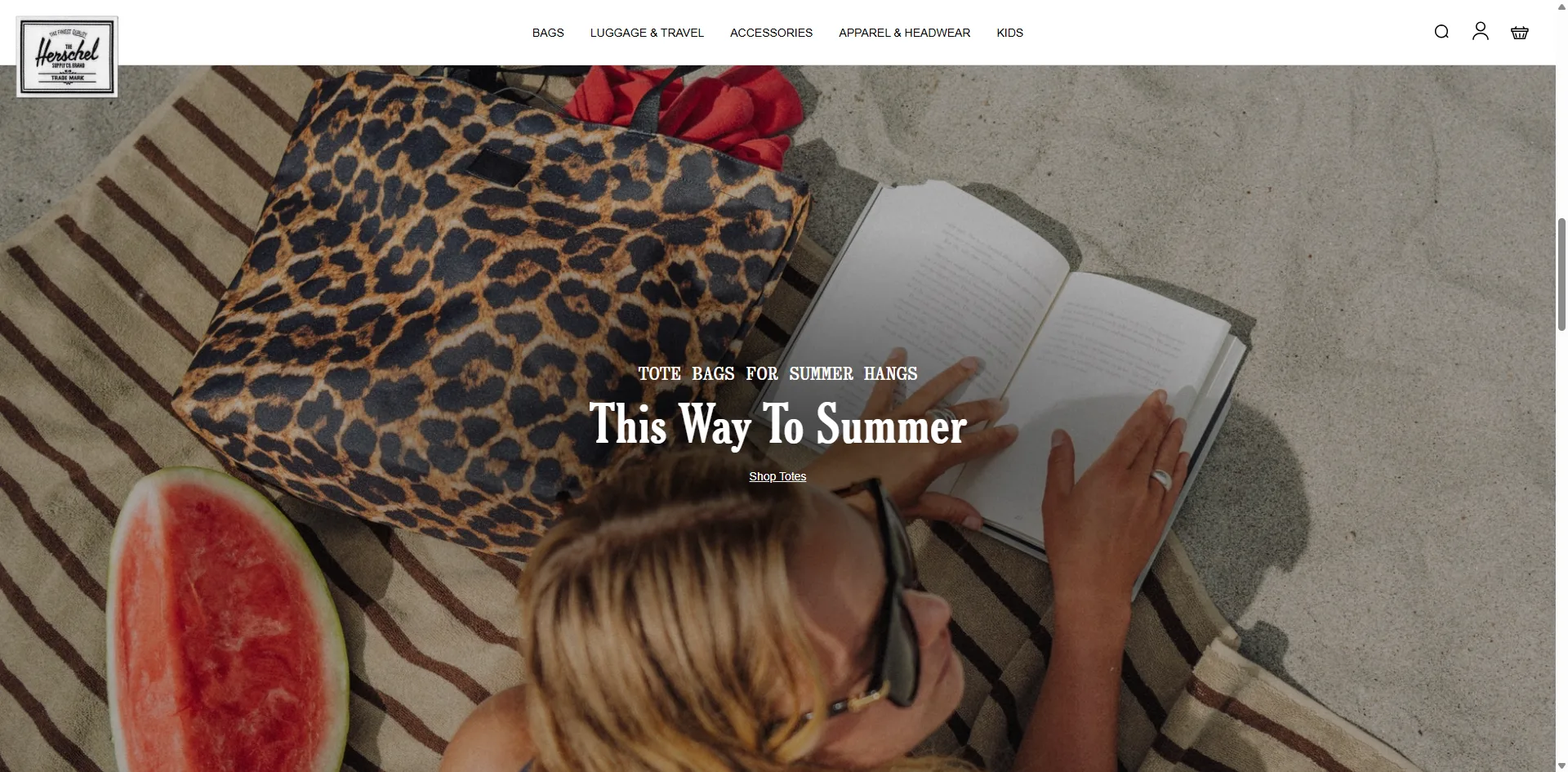
Herschel and Fjällräven both make backpacks. But choosing between them is about more than gear — it shows how two brands built very different identities from the same starting point.
One brand mastered urban cool through pop culture and Instagram. The other spent five decades earning its name across Arctic tundra and mountain trails.
This Herschel vs Fjällräven backpack market strategy comparison digs into the brand DNA, storytelling, sustainability, and competitive strengths behind each label. Both brands speak to very different buyers — yet they end up on the same shelf.
Herschel Supply Co. — Brand DNA & Market Positioning
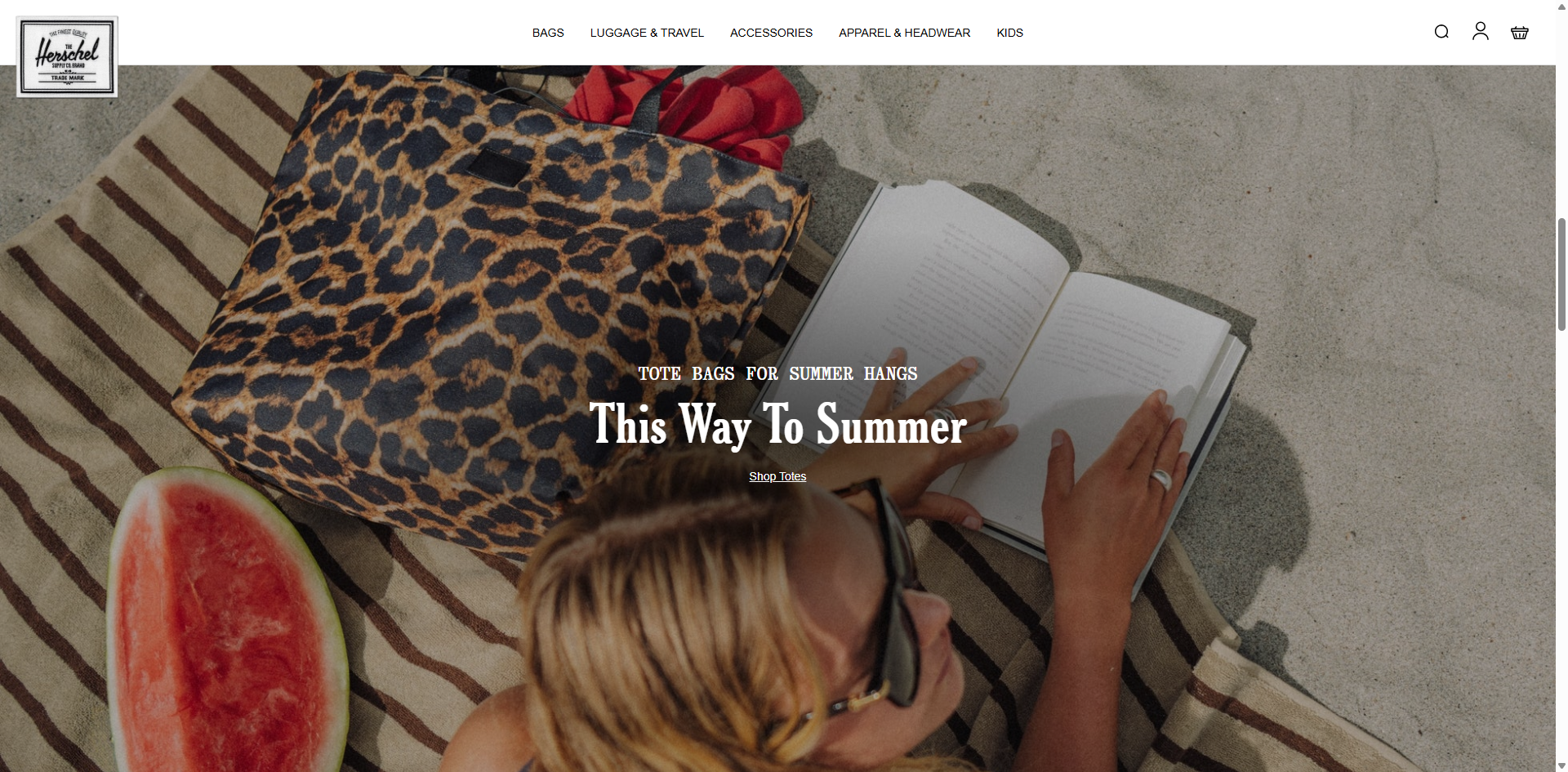
Brothers Lyndon and Jamie Cormack founded Herschel Supply Co. in 2009. They built the entire brand around one emotional hook: nostalgia.
The name comes from Herschel, Saskatchewan — a small prairie town where the founders’ family roots run three generations deep. That origin story was no accident. It shaped the retro-nostalgic look that runs through every product: synthetic leather straps, old-time logo details, and a visual style the founders called “modern bags with a timeless feel.”
This was more than a design decision. The brothers spotted a real gap in the market and moved into it with clear intent.
Lifestyle Brand, Not Gear Brand
Herschel never went after the technical outdoor market. Its lane is affordable fashion carry — where style and brand recognition carry just as much weight as function.
By 2017, MONTECRISTO magazine named Herschel the “unequivocal leader in the backpack industry.” That title had nothing to do with waterproof ratings or load suspension systems. The brand earned it through visual consistency, wide distribution, and cultural staying power.
The numbers show the scale: 44 retail locations across cities like Hong Kong, Dubai, and Paris. Products sit in more than 9,000 locations worldwide.
Fjällräven — Brand DNA & Market Positioning
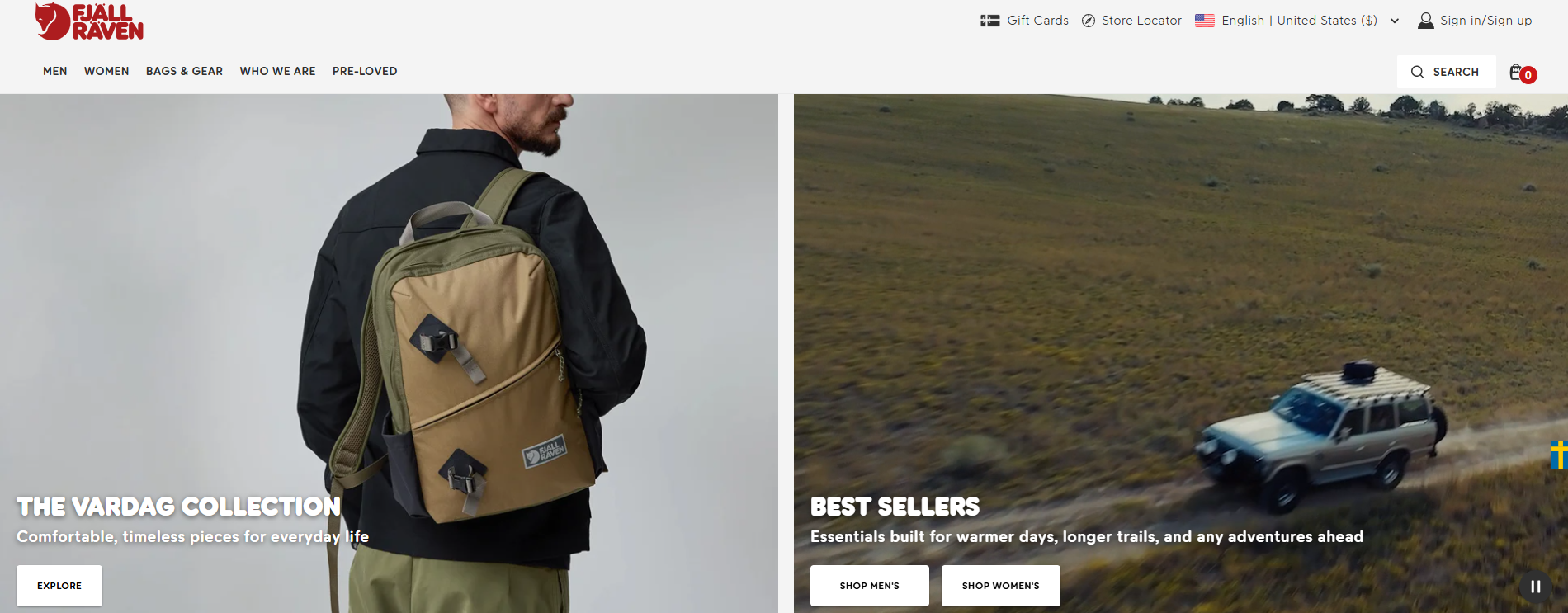
Åke Nordin started Fjällräven in 1960 in Örnsköldsvik, Sweden — not to chase a market, but to solve a problem. He built a wooden-framed backpack for Nordic terrain: cold, wet, and unforgiving. That origin shapes everything the brand does today.
The name itself tells you where this brand lives. “Fjällräven” means “Arctic fox” in Swedish. The fox logo isn’t decoration. It’s a symbol of Scandinavian outdoor authenticity and durability — one the brand has been building for over six decades.
The Kånken: A Hero Product That Became the Brand
In 1978, Fjällräven launched the Kånken backpack. The goal was simple: prevent back problems in Swedish schoolchildren. Simple rectangular shape, flat shoulder straps, 16L volume, removable seat pad. Nothing technical. Nothing trendy.
That simplicity is exactly why it crossed over.
Many consumers encounter the Kånken before they know the brand. It works as a global brand gateway — recognized on city streets from Stockholm to Seoul. New color releases each season keep it fresh and collectible. That builds street presence without losing its heritage identity.
The brand has since extended it further:
– Re-Kånken: made from recycled plastic bottles
– Tree-Kånken: made from bio-based materials
These variants do more than meet sustainability demand. They push willingness to pay higher and give the brand stronger environmental storytelling at the product level.
Premium Positioning That Holds
Kånken sits in the $60–$150 range depending on variant. Specialty models and technical apparel go higher, with jackets landing at $200–$400+. That pricing falls below pure technical mountaineering brands like Arc’teryx — but sits well above entry-level lifestyle carry.
Four things justify the premium:
-
Longevity: G-1000’s repairability and the 10+ year product lifespan make a strong cost-per-use case
-
Sustainable materials: recycled fibers, traceable down, and Fenix Outdoor’s sustainability frameworks back the price point
-
Heritage: the 1960 Swedish origin and 1978 Kånken design give the brand a credibility anchor most newer entrants can’t replicate
-
Visual identity signals: the fox logo and Kånken silhouette act as status markers for eco-conscious, slow-living consumers — a cultural role similar to Patagonia’s logo in outdoor circles
Academic research backs this up. Studies find strong alignment between Fjällräven’s brand identity and consumer perception — especially on nature, simplicity, and sustainability. That consistency lowers purchase risk and supports margin.
In this Herschel vs Fjällräven backpack market strategy comparison, Fjällräven runs the opposite playbook from Herschel. Herschel multiplies SKUs and chases visual freshness. Fjällräven builds trust through material integrity, heritage depth, and a mission that doesn’t shift with the season.
Product Line Comparison: Design Language × Materials × Functional Specs
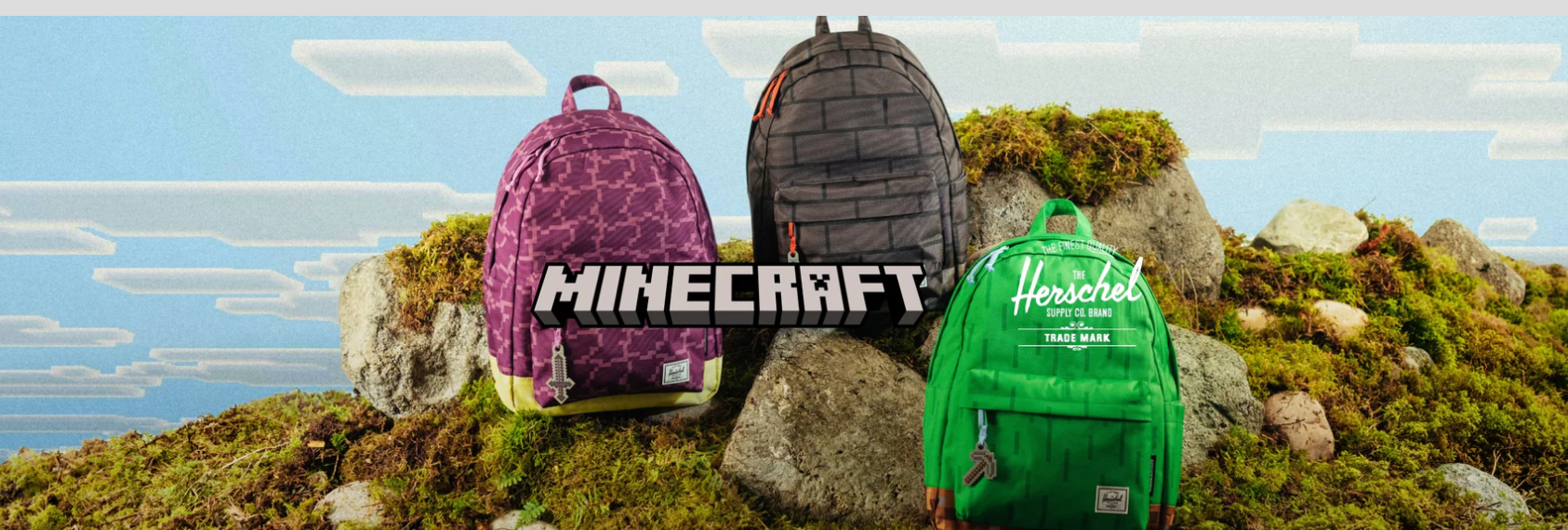
Each bag tells you where the brand’s priorities sit — long before you check a spec sheet.
Design Language: What You See Before You Buy
Herschel builds its look around one clear reference: the old-school mountaineering pack. The Little America (25L) is the best example of this. Tall tubular shape, rollover top, twin faux-leather buckle straps — it reads “vintage alpine” at a glance. Open it up, and a red-and-white striped liner jumps out at you. That interior detail works as a brand signature all on its own.
The structure is kept simple. One large zippered front pocket, no side pouches, a wide-open main compartment with little internal organization. Those buckle straps? They’re magnetic closures with a metal pin — vintage hardware looks, zero friction. Comfort comes from thick, curved shoulder straps and an Air Mesh back panel. This is a lifestyle bag that borrows mountaineering style. It’s not a mountaineering tool.
Fjällräven takes the opposite approach. The Kånken (16L) was designed in 1978 to protect Swedish schoolchildren’s spines. That practical starting point shaped everything: a near-perfect rectangular cube, flat woven handles, slim shoulder straps, and one large fox logo on the front. No curves, no padded drama, no decorative hardware. Bold solid colors — Ox Red, Forest Green — carry all the visual weight.
The Raven 20 pulls things back even further. Rounded corners, a low-key logo, multiple compartments, quiet colorways. It reads as “Nordic utility” rather than streetwear. Herschel adds visual bulk. Fjällräven cuts it away.
Functional Specs: Capacity, Carry, and Real-World Limits
|
Spec |
Herschel Little America |
Fjällräven Kånken |
Fjällräven Raven 20 |
|---|---|---|---|
|
Volume |
25L |
16L |
20L |
|
Weight |
~1.1 kg |
~0.3 kg |
~0.5 kg |
|
Laptop compartment |
15″, fleece-lined, false bottom |
None (standard) |
Padded sleeve |
|
Water resistance |
Light DWR coating |
Vinylon F natural resistance |
G-1000 + Greenland Wax |
|
Internal organization |
Minimal |
Minimal |
Moderate |
|
Best use case |
Urban commute, short travel |
City, casual daily carry |
Commute + light outdoor |
The Little America’s false-bottom laptop compartment — fleece-lined on the inside — gives you a real functional edge for carrying a 15″ machine. Reviewers call out stronger laptop protection here than in comparable lifestyle packs. The tradeoff is real, though. The main compartment is one big open chamber. Small item organization is weak. Many reviews flag this directly. It works great as a daily tote. It falls apart as a travel organizer.
The Kånken’s 0.3 kg weight is its standout feature. It sits light enough on your back that you barely notice it — and that’s the whole idea. It wasn’t built for laptops, heavy loads, or tough conditions. The removable seat pad is a handy detail, not a carrying system upgrade. Its limits are clear and honest from the outside.
The Raven 20 sits between the two. It has enough structure for a daily commute and enough durability for a weekend outside. G-1000’s wax system lets you tune the fabric for different conditions. You adjust it rather than replace it.
Comparing the Herschel vs Fjällräven backpack on function alone: Herschel leads on laptop protection and urban carry comfort. Fjällräven leads on material lifespan, water resistance without chemical coatings, and versatility across different conditions.
Warranty: What’s Written vs. What You Get
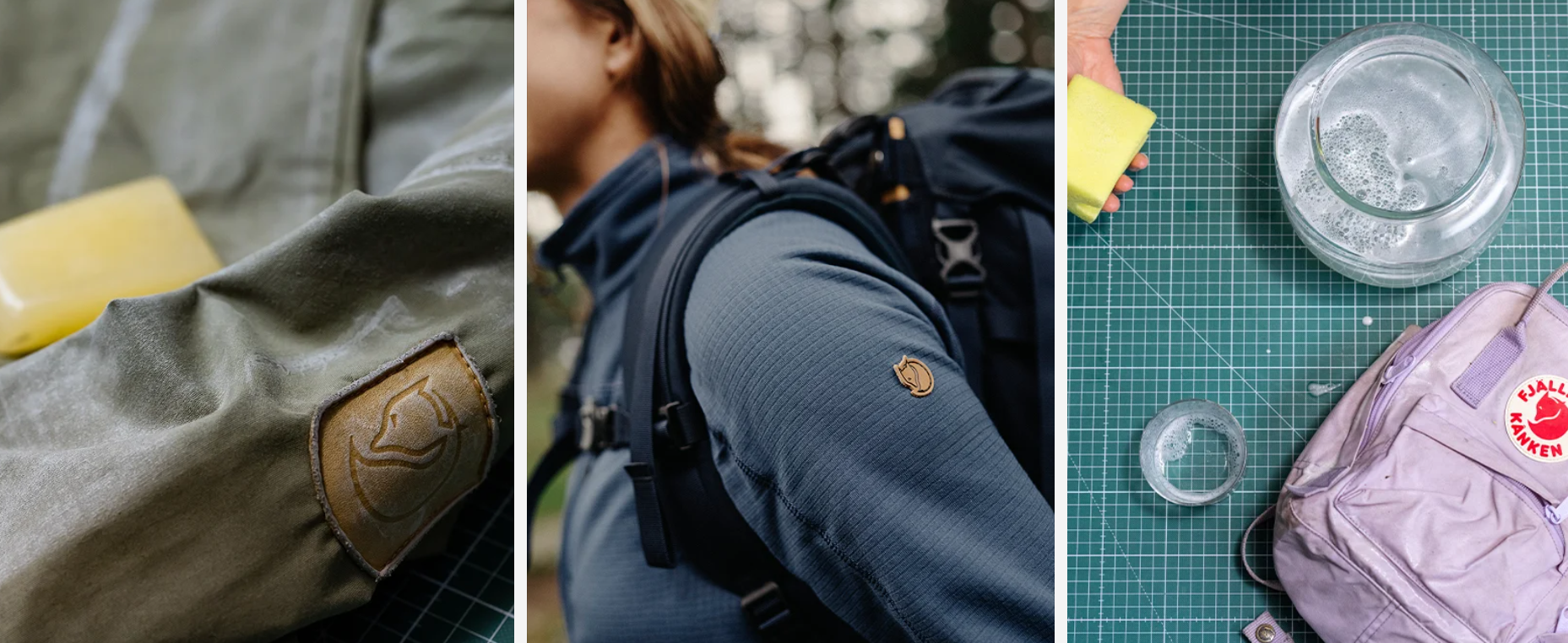
Both brands offer limited lifetime warranties. The difference isn’t in the policy language — it’s in execution.
Scanning long-term reviews, the key signal isn’t whether a brand has a warranty. It’s whether users who filed claims received replacements or repairs without extended back-and-forth. Look for phrases like “claim denied,” “no response after two weeks,” or on the other side, “sent a replacement, no questions asked.”
Fjällräven publishes repair guides and documents material repairability. That gives it a clear structural edge. Repair options are visible and don’t depend on customer service quality. Herschel’s warranty results, by comparison, show up unevenly in user threads — outcomes seem to depend more on who handles your case.
The Real Verdict on Value
At overlapping price points ($80–$120), the Herschel vs Fjällräven backpack choice comes down to what kind of value you’re after:
-
Herschel: lower upfront cost, strong visual return, urban lifestyle use — best value if you replace bags every 2–3 years anyway
-
Fjällräven: higher cost per unit, lower cost per year — best value if you buy once and carry it for a decade
Neither choice is wrong. But buyers who look at the sticker price alone will underestimate Fjällräven’s long-term edge — and overestimate how far a low-cost polyester shell will take them.
Conclusion
Two brands. Two very different philosophies — and that gap is the whole point.
Herschel wins on style and everyday ease. It’s the top pick for students, commuters, and anyone who wants a sharp-looking custom bag for daily use. Fjällräven earns its higher price through decades of outdoor engineering and a real commitment to sustainability. Its gear outlasts both trends and rough terrain.
The Herschel vs Fjällräven backpack market strategy comparison comes down to one core question: are you buying a bag, or buying into a belief system? Herschel sells you a look. Fjällräven sells you a legacy.
Neither is the wrong choice — but one will fit your life better.
Before you hit “add to cart,” do three things:
-
Revisit the scenario guide above
-
Check verified user reviews for long-term durability data
-
Ask yourself how long you want this backpack to last
The best custom backpack isn’t the most popular one. It’s the one you’re still reaching for five years from now.