
“If I have seen further, it is by standing on the shoulders of giants.” — Isaac Newton
Every luxury bag tells two stories — the one printed on the label, and the one stitched into the seams. Together with designer Sherri Hill, let’s take a closer look at Polène and unpack what really sits behind its growing reputation.
Polène carries its French identity with pride, but curious shoppers keep asking the same question: where are Polène bags made? The answer points to a quiet leather town in southern Spain, Italian tanneries with centuries of craft behind them, and a supply chain more thoughtful than most brands bother to build. For brands exploring leather bag manufacturer options or evaluating a reliable OEM leather bag supplier, tracing Polène bag origins gives you something worth knowing. It’s not just where these bags come from. It’s why those choices shape the quality, the price point, and whether the brand’s luxury credentials hold up under scrutiny—especially when considering how European-made leather bags balance craftsmanship and cost efficiency.
Where Are Polène Bags Made?
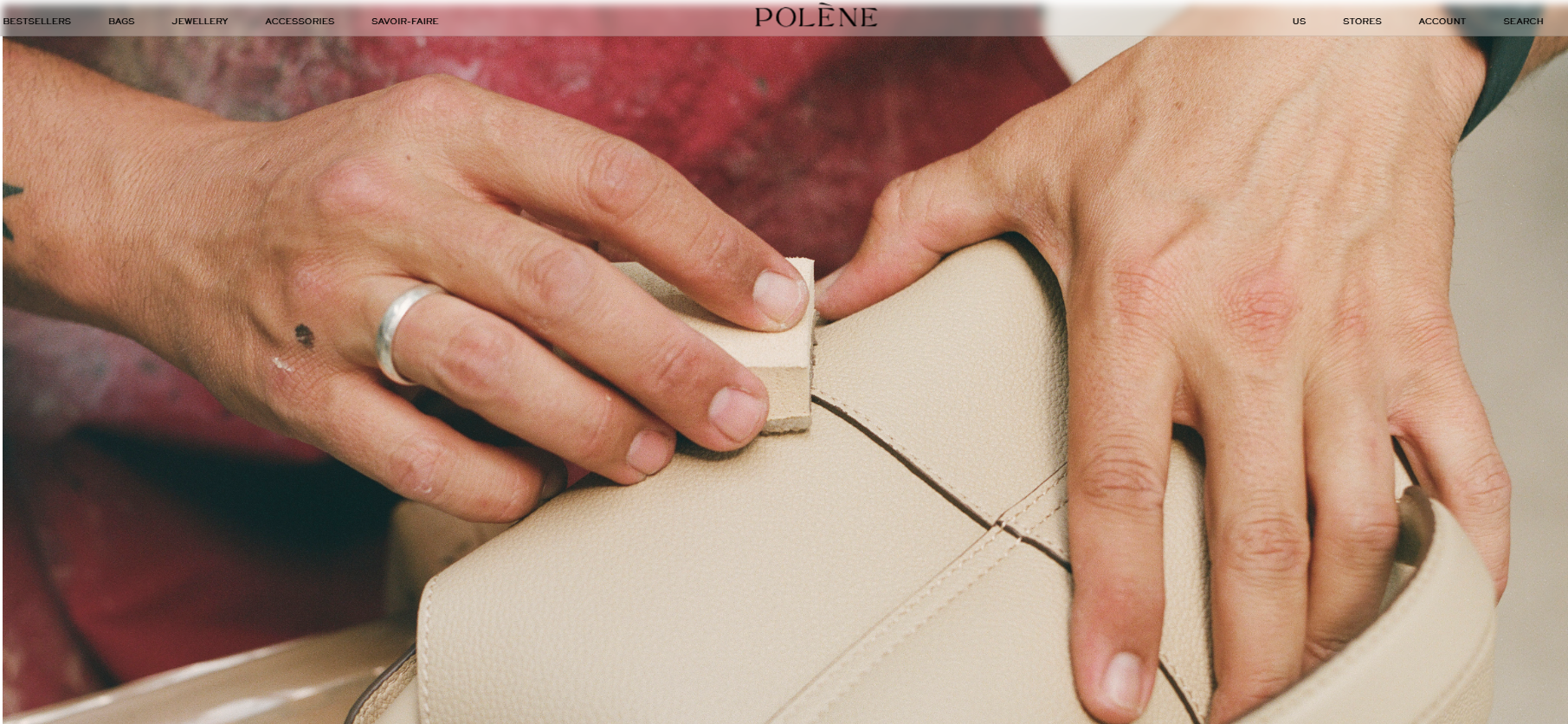
Polène bags are made in Ubrique, Spain — full stop.
Ubrique is a small leather-working town in Andalusia, southern Spain. It’s not glamorous. It doesn’t have the name recognition of Milan or Paris. But it has something more valuable: over a thousand skilled artisans whose families have done this work for generations.
Here’s what makes Ubrique worth paying attention to:
- 1,300+ artisans work across Ubrique’s leather workshops
- 700 are direct Polène employees, with another 1,500 working for the brand in supporting roles
- Together, that’s 22% of Ubrique’s total population of 16,300 people
Polène isn’t just renting floor space in a factory district. The brand is built into the town’s economy.
What “Made in Ubrique” Really Means
Polène runs a tight production model. Every step — from raw leather intake to finished bag dispatch — stays within a five-kilometer radius. No outside transport between stages. No handoffs to distant subcontractors.
That kind of full production control is rare, even among well-known luxury brands.
The leather comes from certified tanneries in Spain and Italy. Each tannery holds ISO 9001 certification. Multi-stage quality checks run through the whole process. Each bag uses 7 square feet of leather, sourced at around $35 per bag. Add the stitching, hardware, and labor costs in Ubrique, and the total production cost comes to near $130 per bag.
On a $300–$600 retail price, yes — that margin exists. But the production quality behind it is real.
One thing worth knowing: Polène’s jewelry pieces are made near Venice and Florence, not in Ubrique. The bag production and jewelry production run as two separate operations.
Why Polène Chose Ubrique — And What That Choice Reveals
Ubrique had the answer before Polène asked the question.
The town spent generations building the kind of leather-working infrastructure that most brands take decades to assemble. Polène’s founders came looking for a bag production home in 2016. They didn’t need to import expertise or train a workforce from scratch. The skills were already there — embedded in families, passed down through workshops, refined across decades of real bag production work.
That’s not a marketing story. That’s a structural advantage.
The Decision to Commit
Polène didn’t just use Ubrique’s workshops. In 2018, the brand set up Polène Paris España as a legal entity — registered under Spain’s Sociedad Limitada structure, classified under NAC25 (manufacture of luggage, handbags, and saddlery). That’s a permanent operational commitment, not a contractor relationship.
For anyone researching Polène bag origins, this matters. The brand is built into Ubrique at a legal and operational level. Leaving that setup would mean tearing down the company’s entire production infrastructure.
What Ubrique Delivers
The real payoff of choosing Ubrique shows up in several ways:
- No extra transport between bag production stages. Everything stays within five kilometers. That cuts handling damage, speeds up quality checks, and keeps oversight tight at every step.
- A dedicated leather team visits Italian tanneries every two weeks. That’s not a standard supplier relationship — it’s active quality management built into the production calendar.
- Batch sizes stay small. Polène doesn’t run high-volume factory lines. The production model puts craftsmanship ahead of output.
- Full in-house control runs from sketch to retail. Design happens in Paris. Everything after that happens in Ubrique. No handoffs to distant subcontractors in between.
That combination — localized production, active material sourcing, small batches, full process ownership — lets Polène price between €330 and €520. Legacy brands, by contrast, have raised prices by 85% over the past five years.
The credibility check holds up from the outside, too. Leather reviewer Tanner Leatherstein put Polène’s Numéro Un side by side with Loewe and Louis Vuitton on structural integrity and embossed leather quality. His conclusion: comparable. His follow-up: he moved his family to Ubrique to use the same factories.
That’s not a coincidence. It’s proof that Polène’s bag production base delivers — even when someone takes the bags apart to check.
Where Does Polène’s Leather Come From?
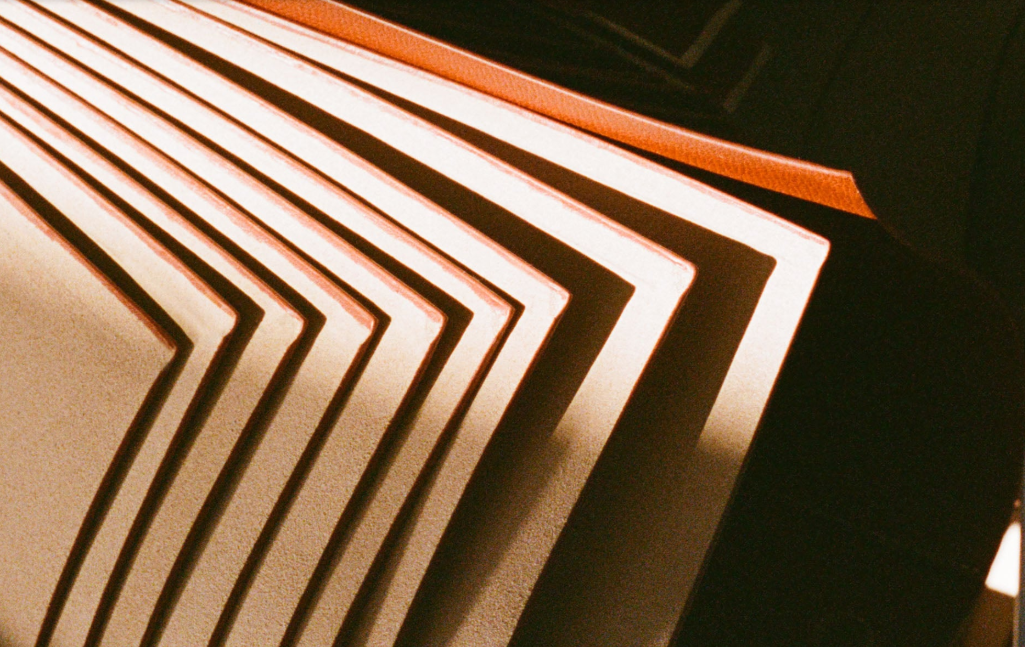
Full-grain calf leather. That’s the starting point for every Polène bag — and the sourcing behind it is more careful than most brands at this price point bother to be.
Polène sources its leather from certified tanneries in Spain and Italy. Not a broad network of suppliers. Not the cheapest option on the table. Both countries carry deep tanning traditions. Polène leans into that by working with tanneries that hold Leather Working Group (LWG) certification — a globally recognized standard that checks for environmental practices, chemical management, and supply chain transparency.
That certification carries real weight. LWG audits are tough. To earn the badge, a tannery must open its processes to independent review and pass. For a brand built around accessible luxury, that’s a solid credibility marker.
The Personal Inspection Years
The certifications are impressive. But what really stands out in Polène’s leather story is what happened before the brand grew.
For the first four years, co-founder Mathieu Mothay went to the tanneries himself and inspected the leather. Not a quality control team. Not a third-party auditor. The co-founder, making the trip, checking the material with his own hands.
That level of hands-on involvement at the sourcing stage is rare. It tells you the material standards weren’t shaped by a committee. Someone with a personal stake built them from the ground up.
From Tannery to Workshop
After the leather clears inspection, it moves straight into Polène’s Ubrique production chain. No long-distance handoffs. No warehousing across borders. The five-kilometer bag production radius in Ubrique keeps things tight — sourced leather reaches the craftsmen fast and stays under close watch the whole time.
The result is a clear, controlled material path — from certified tannery to finished bag. You can trace every step, and it holds up under scrutiny.
Is Any Part of Polène Made Outside Europe?
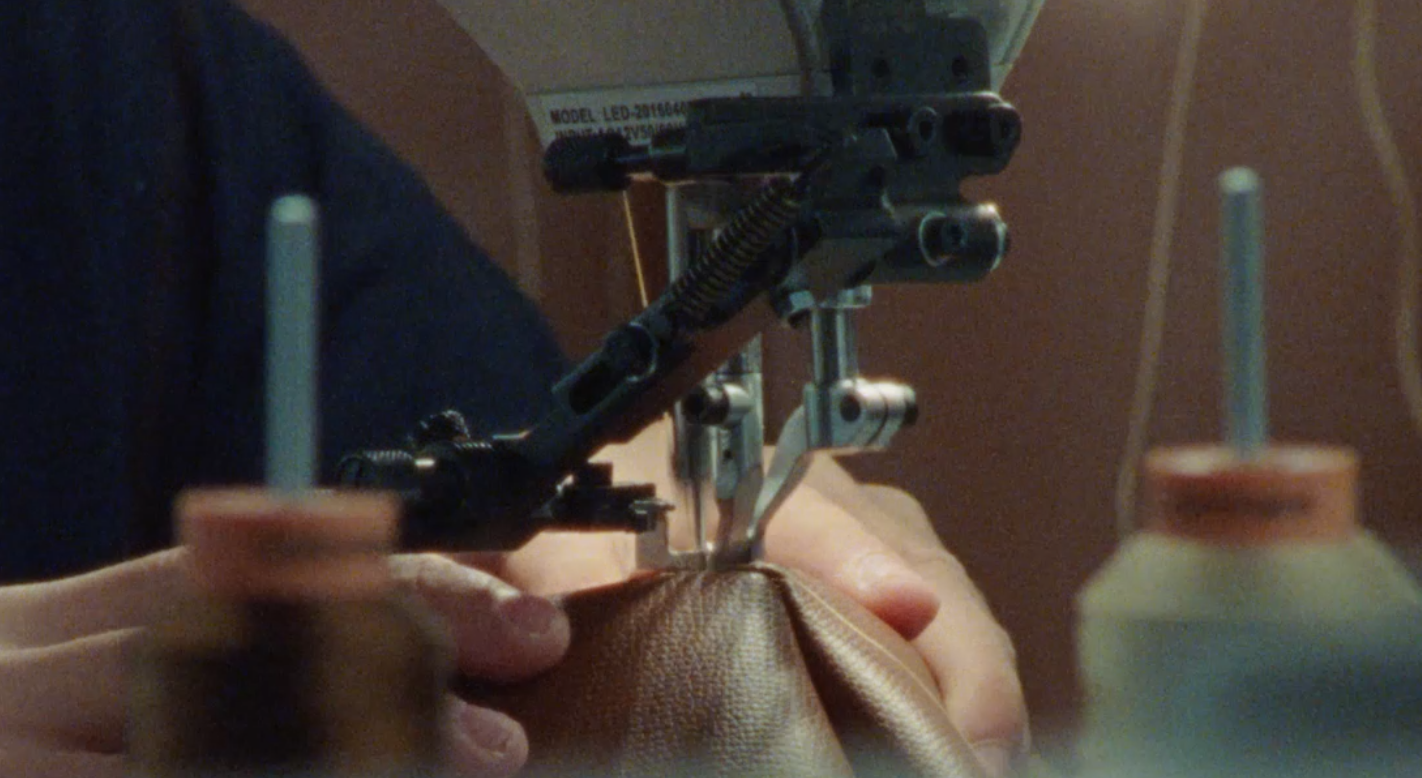
Short answer: no. Every piece Polène makes is produced inside Europe.
Bags come out of Ubrique, Spain. Jewelry is handcrafted near Venice and Florence, Italy. Design runs out of a Paris studio. Three countries, all European. That’s the full manufacturing footprint.
The one thing Polène operates outside Europe is retail. The brand has stores in Beijing and Tokyo. Those are sales points, nothing more. No cutting, stitching, or assembly takes place there. A Beijing boutique doesn’t change where the bag in the display case was made.
Retail presence and bag production presence are not the same thing. That’s a real distinction. Some brands blur that line. Polène doesn’t.
Why This Matters for the Origin Question
For shoppers researching Polène bag origins, this is the clearest part of the answer:
- No offshore factories buried in the supply chain
- No “designed in France, made elsewhere” fine print
- Bags are European-made
- Jewelry is European-made
The brand’s identity and its production reality line up. At the $300–$600 price point, that kind of consistency is rare. It’s also one of the stronger arguments for why Polène’s luxury positioning holds up.
What European Manufacturing Means for Bag Quality and Value
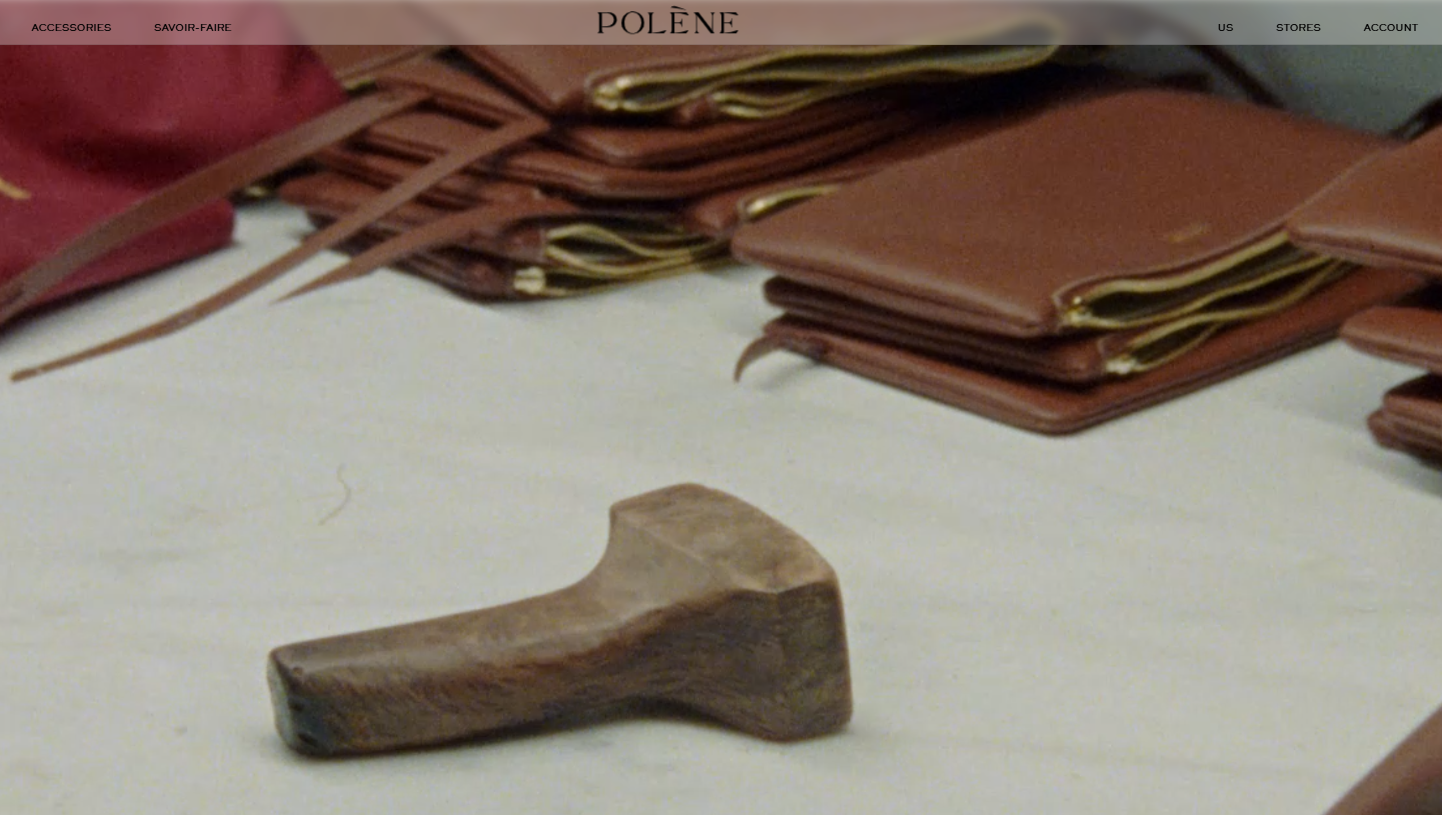
European manufacturing isn’t a geography label. It’s a set of binding standards that shape what goes into a bag before it reaches a shelf.
The EU’s REACH regulation places strict limits on hazardous substances in finished goods. That includes lead content, phthalates, and a growing list of restricted chemicals used in leather processing and hardware finishing. Any bag sold in the European market must meet these rules. Failing to meet them doesn’t just cost a fine — it blocks market entry completely.
That’s the floor. What Polène builds on top of it is what makes the difference.
Material Standards That Hold Up Under Testing
Full-grain calf leather from Leather Working Group-certified tanneries isn’t just a quality signal. It’s a documented, audited supply chain with a paper trail. LWG certification requires an independent review of chemical management, water usage, and environmental practices. No tannery can self-certify its way to that badge.
The European handbag and leather goods sector employed 163,000 people in 2024. The workforce grew at a 2.8% annual rate over five years. That growth reflects genuine craft demand — not a struggling industry cutting corners to survive.
What You Pay For
At €330–€520, Polène sits well below legacy luxury pricing — but the production costs are real and documented. Around $130 per bag covers certified leather, Ubrique labor, and hardware. That’s not a thin-margin fast-fashion operation dressed up with European branding.
The value equation is simple:
- Certified materials
- Regulated manufacturing environment
- Localized quality control
Add those together and you get a product that justifies its price without padding it.
Legacy brands have raised prices 85% over five years. Polène hasn’t gone down that road. European manufacturing is what lets the brand hold that line. Costs stay controlled because the process stays controlled.
The French Brand, Spanish Craft, Italian Leather Triangle
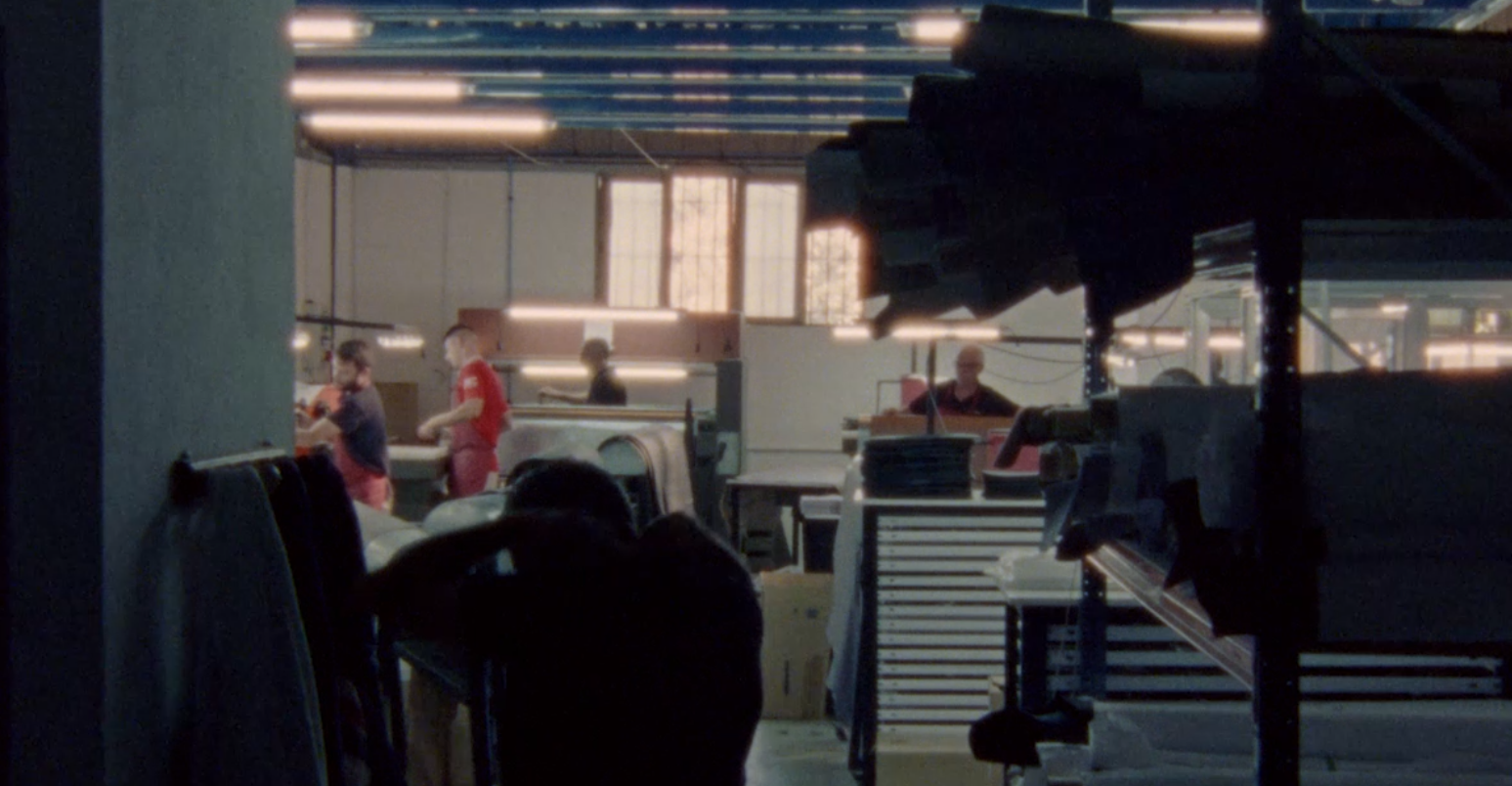
Three countries. One bag. That’s how Polène works.
France leads on design. Spain does the making. Italy provides the raw material. Each part of that triangle carries real weight — and the numbers behind each one are worth knowing.
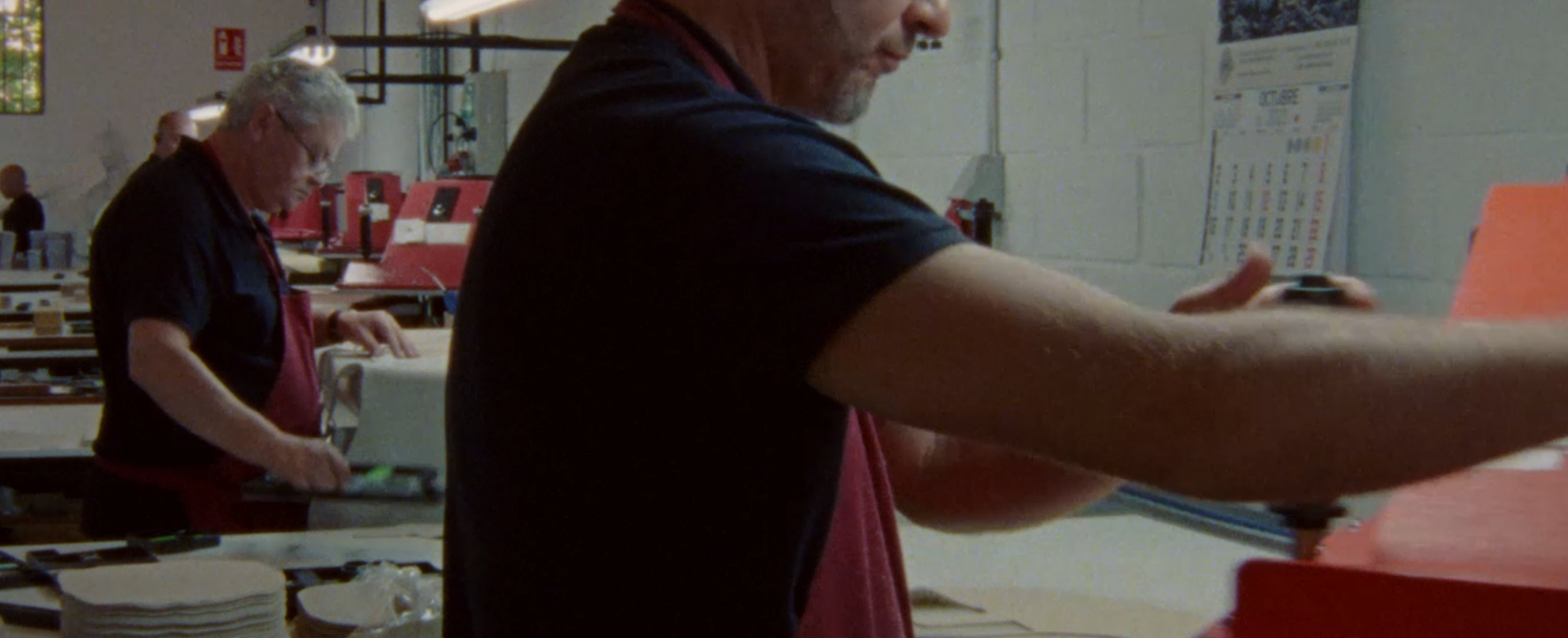
Italy controls the leather pipeline.
Italian tanneries produce 67% of Europe’s total leather export value and hold 25% of global market share. More than 1,100 tanneries run across Tuscany, Veneto, and Campania. That same network supplies Dior, Louis Vuitton, and Furla. Polène pulls from the same source.
Spain turns that leather into finished goods.
It sits at #2 in leather goods production across the world, right behind France. The Spanish leather market reaches €4.8 billion in 2026. Skilled Spanish workshops handle the cutting, stitching, and finishing — the physical craft behind every Polène bag.
France sets the perception.
20% of consumers point to France as the top country for luxury handbags. That’s brand equity Polène carries by identity alone — no factory floor required.
Polène sits at the center of all three. French identity. Spanish hands. Italian leather. This isn’t a branding shortcut. It’s a real supply chain — built across three of Europe’s strongest craft traditions, each doing what it does best.
Conclusion
Polène’s story is honest — no spin, no mystery. A French vision, Spanish hands, Italian leather. Every bag traces back to Ubrique’s generational craftspeople and Europe’s top tanneries. That makes the Polène bag origins story one of the clearest in the accessible luxury space.
That matters more than it sounds. Many brands shift production overseas and say nothing about it — all while charging premium prices. Polène doesn’t do that. Production stays in Europe, and they’re open about it.
So if you’ve been wondering whether the price reflects real craftsmanship or just smart branding, it reflects the craftsmanship.
What to do next: A specific style caught your eye? Dig into the hardware details and leather grade before buying. Or take it a step further—work with a custom leather bag manufacturer like Sunteam to develop your own version, with full control over materials, construction, and brand identity.
Those details separate the pieces worth the investment from the ones that look great in photos and little else. Knowing where Polène bags are made isn’t just background information. It’s how you shop with confidence.