
Black Friday isn’t just a sales event. For US e-commerce brands, it’s the highest-stakes product moment of the year.
And a leather bag makes the stakes even higher. The difference between a sell-out and a warehouse full of unsold stock? It often comes down to decisions made months before the buy button goes live.
A great-looking bag isn’t enough. You need a full strategy — one that covers material sourcing, limited-edition positioning, conversion-focused landing pages, and well-timed marketing campaigns. Every piece has to work together.
This guide breaks down each part of that process. So you can move fast and execute with confidence once the countdown starts.
1. Understanding the US Black Friday Leather Bag Market
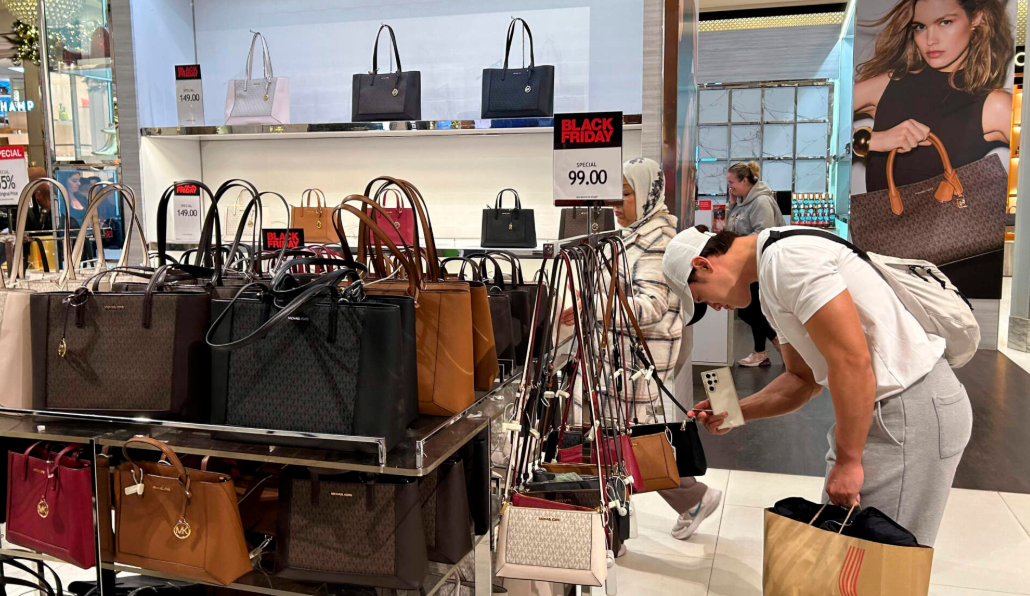
After receiving an order from a US client, our operations specialist Jasmine immediately conducted a quick market review. Her conclusion was clear — Black Friday is a key opportunity window for leather bags.
US online Black Friday sales have grown steadily from $8.92B in 2021 to $11.8B in 2025. The Luggage & Bags category surged +357% in 2024, ranking second across all categories.
In 2024, 87.3 million shoppers purchased online, with total Thanksgiving-to-Cyber Monday reach hitting 202.9 million consumers.
At the same time, order volume dipped -1% in 2025, but average selling prices rose +7%, showing consumers are willing to spend more per item. BNPL spending also reached $18.2B, supporting conversions even for higher-priced leather products.
Jasmine’s takeaway — the demand is strong, and the right timing and pricing strategy will directly impact results.
2. Choosing the Right Leather Material and Construction for Black Friday Appeal
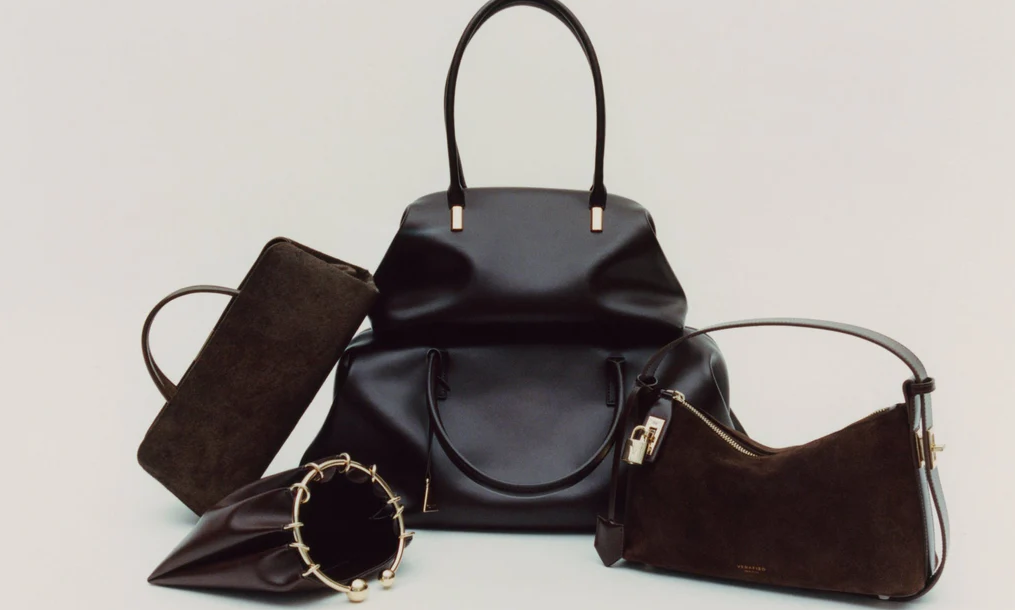
Material choice makes or breaks your Black Friday leather bag performance — long before the campaign goes live.
Black Friday shoppers aren’t browsing for fun. They’re buying with intent. The leather you choose needs to justify the price point and survive the scrutiny of a buyer comparing three tabs at once.
Match the Material to the Price Tier
Full-grain leather is the strongest quality signal you can put on a product page. It holds its structure, builds a patina over time, and photographs well. That last part matters — your product images are doing the selling. For bags priced above $150, this is the right call.
Chrome-tanned cowhide with a pebble-grain finish sits in the mid-tier sweet spot. It’s durable, consistent in texture, and handles high-volume production without issues. That’s important when you’re filling a Black Friday order spike.
For entry-level bundles or accessories paired with a hero bag, bonded or corrected-grain leather keeps costs in check. It won’t undercut the perceived value either.
Construction Signals That Convert
Two things shoppers notice — even if they can’t name them:
-
Reinforced stitching at stress points (handles, zipper pulls, bag base)
-
Clean, consistent edge finishing along straps and flaps
These aren’t premium extras. They’re the baseline for any bag sold as a gift or a treat-yourself buy. Black Friday leather goods tap into buyer psychology in a specific way — people want something that feels special and personal. A well-built bag delivers both.
Lock in bag production decisions ahead of time. Premium brands are already pushing their promotional windows earlier in 2025. Your material and construction specs need to be set before that clock runs out.
3. Defining the Product Line: Silhouettes, Sizes, and Functional Design
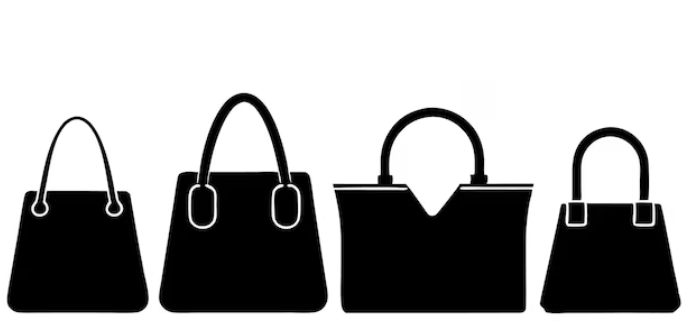
After aligning on the order, our design team works directly from the client’s drawings — but not just to replicate. We optimize the structure, proportions, and details to improve sell-through based on real market data, supporting both OEM leather bag manufacturing and custom leather bag development.
“Black Friday buyers decide in seconds,” Jasmine noted. “The silhouette has to be clear even in a thumbnail.”
That’s why we guide the client to focus on proven shapes:
-
Structured tote for a polished, high-perceived-value look
-
Crossbody bags, which consistently perform in the $80–$150 range
-
Slouchy hobo styles for relaxed, everyday use
Instead of expanding into too many SKUs, we recommend keeping 2–3 core silhouettes. Data shows simplified product lines convert better and reduce decision fatigue.
On sizing, we align with US buying behavior:
-
Compact sizes help drive impulse purchases
-
Medium sizes cover the largest audience and support stable pricing around $100+
-
Larger totes attract higher-spending customers
Once the design is finalized, it moves quickly into sampling. Despite the tight timeline, the Sunteam bag factory remains confident.
“Our structure is already optimized,” the factory team shared. “If details are confirmed early, we can achieve first-sample approval.”
With experienced technicians and a streamlined sampling process, Sunteam is fully prepared to deliver accurate samples on the first attempt — even under Black Friday timelines.
4. Crafting a Limited-Edition Black Friday Color and Personalization Strategy

Color and personalization are the two levers that turn a good leather bag into a Black Friday exclusive. The kind that sells out before Cyber Monday hits.
Color Strategy: Scarcity Sells
Limited-edition colorways create urgency without needing a deeper discount. So instead of competing on price alone, you’re competing on access.
For Black Friday leather bags targeting the US market, focus on:
-
Deep seasonal tones: Midnight navy, rich burgundy, forest green, cognac. These colors look premium in product photography. They also match the gifting season mood.
-
One hero color per drop: Too many options kill the scarcity signal. One exclusive colorway per silhouette keeps the story focused and clean.
-
Contrast hardware: Aged brass or matte black hardware pops against deep leather tones. It shoots crisp on mobile — and that matters because 54.47% of purchases happen on smaller screens.
Personalization as a Conversion Driver
Monogramming and custom hardware options lift average order values. Even a simple initial stamp turns the bag into a gift-ready, one-of-a-kind piece — not just another sale item.
Keep the options tight. Two or three personalization choices convert better than a long, overwhelming menu.
5. Black Friday Pricing Architecture and Bundle Strategy
Price your leather bag wrong, and no great design will save it.
Black Friday 2025 data shows the pricing picture clearly. The flat 28% average discount held steady from 2024 — and shoppers noticed. Consumer disappointment was real. Buyers expected deeper cuts. They didn’t get them, so they moved to off-price retailers like TJ Maxx and Ross. That’s a direct warning for leather bag brands: a thin discount sends traffic elsewhere.
For leather bags, the sweet spot is 30–40% off. That range triggers purchase intent without killing your margin. Apparel and accessories led the biggest savings this season — your category has room to go aggressive.
Build Your Bundle Around the $110 Cart Target
Average cart value landed at $110.71. That number is your anchor. A mid-range leather bag paired with a small accessory — a card holder, a keychain fob, a dust bag — hits that target with ease. It feels like added value, not a forced upsell.
Keep the bundle simple:
– Hero bag (main SKU, 30–35% off)
– One complementary accessory (gifting-ready, low friction)
– BNPL option at checkout — BNPL drove $747.5M in purchases, up 30.85% year-over-year
That last point matters for premium pricing. A $180 leather bag feels far more reachable at four payments of $45.
6. KPIs, Performance Benchmarks, and Post-Campaign Analysis
After the campaign planning phase, Sunteam also provided clear guidance to the client on how to measure results effectively, supporting a more structured B2B leather bag strategy and long-term OEM bag production planning.
“Many brands celebrate strong Black Friday sales,” our team noted, “but without clear data, it’s hard to repeat that success.”
Instead of tracking too many metrics, we advised the client to focus on three core KPIs:
-
Traffic growth
-
Conversion rate
-
Revenue by channel
These indicators give a direct view of what’s actually driving performance. Everything else is secondary.
By aligning on these benchmarks early, Sunteam helps clients not only execute a successful campaign, but also build a repeatable growth strategy for future promotions.
Benchmarks Worth Measuring Against
|
Metric |
Benchmark Target |
|---|---|
|
Web traffic MoM growth |
+20% |
|
Visitor-to-lead conversion |
2.3–2.5% |
|
Email open rate |
21%+ |
|
Google Ads CTR |
3%+ |
|
ROAS |
10x marketing spend |
Post-Campaign Funnel Review
Break your analysis by stage:
-
Awareness: Traffic, impressions, CTR
-
Acquisition: CAC, ROAS, cost per lead
-
Revenue: ROI by channel, LTV
-
Retention: Repeat purchase rate, returning visitors
Here’s a critical warning worth keeping in mind: 43% of campaigns hit their metrics but miss their sales targets. The numbers look clean on the dashboard. Revenue still falls short. Cross-reference your KPI data against real margin — not just volume. That’s where the truth lives.
Conclusion
Black Friday doesn’t reward the brands that show up — it rewards the brands that show up prepared.
Designing a Black Friday promotional leather bag for a US e-commerce brand isn’t about slapping a discount on a product page. It’s about building desire. Pick the right material, the right silhouette, the right story. Get it in front of the right customer at the right moment. Every element covered here — from limited-edition colorways and bundle pricing to email sequences, influencer amplification, and post-campaign analytics — works as one connected system.
The brands that win aren’t the loudest. They’re the most intentional.
Start now. Map your product line. Lock your pricing structure. Build your campaign calendar before your competitors even start brainstorming. The groundwork you lay in the coming weeks will decide whether Black Friday becomes your biggest revenue day — or just another missed opportunity.
Your leather bag deserves a strategy as sharp as its craftsmanship. Build it.