The global leather goods industry faces a turning point. Environmental responsibility now shapes profitability and market access.
For leather bag makers, the Leather Working Group (LWG) certification has changed. It started as a voluntary badge. Now it’s a strategic business must-have. Yet many producers still ask: does the investment pay off?
This analysis cuts through the marketing noise. You’ll see why LWG matters for leather bag makers in today’s green-focused market. You’ll find the concrete environmental standards that set certified facilities apart from competitors. You’ll understand how traceability changes your supply chain relationships. Plus, you’ll see real cost-benefit calculations that help you make smarter certification choices.
Considering custom leather bags? Or wondering if LWG certification is worth it? You’ll see the real costs and benefits for leather bag manufacturers. You’ll learn how certification can reduce waste, improve efficiency, and strengthen client trust. Sunteam’s experience shows that a certified leather bag factory delivers reliable, high-quality, and eco-friendly bags every time.
FAQ: LWG Certification for Leather Bag Manufacturers
Q1: What is LWG certification?
A: LWG (Leather Working Group) checks how leather bag manufacturers manage water, energy, chemicals, waste, air, and traceability. At Sunteam, we follow LWG for every piece of leather to make our factory more sustainable.
Q2: Why get LWG certified?
A: Certification improves efficiency, cuts waste, and builds trust with buyers. Brands prefer certified leather bag manufacturers. Sunteam has stronger client relationships and smoother operations after certification.
Q3: How long does it take?
A: Usually a few months. Sunteam did an internal audit, fixed gaps, upgraded systems, and trained staff before the audit.
Q4: How much does it cost?
A: First-year costs for a mid-sized leather bag factory are $68,000–$160,000. Ongoing costs are small, and savings plus premium pricing usually pay it back in 1–3 years.
Q5: Can you customize bags?
A: Yes. Sunteam can make tote bags, travel backpacks, hand carry bags, handbags, wallets, passport holders, shoe bags, and toiletry bags with LWG-certified leather.
Q6: Does it help with market access?
A: Definitely. Brands and e-commerce platforms prefer certified leather bag manufacturers. Certification speeds approvals, ensures compliance, and boosts visibility to eco-conscious consumers.
Q7: What are the long-term benefits?
A: Cuts risk of fines or lost clients, strengthens brand image, and positions your leather bag manufacturing operation for sustainable growth.
What Is LWG?
If you work with leather products, you’ve probably come across LWG in material specifications or supplier documents. But what does it actually mean?
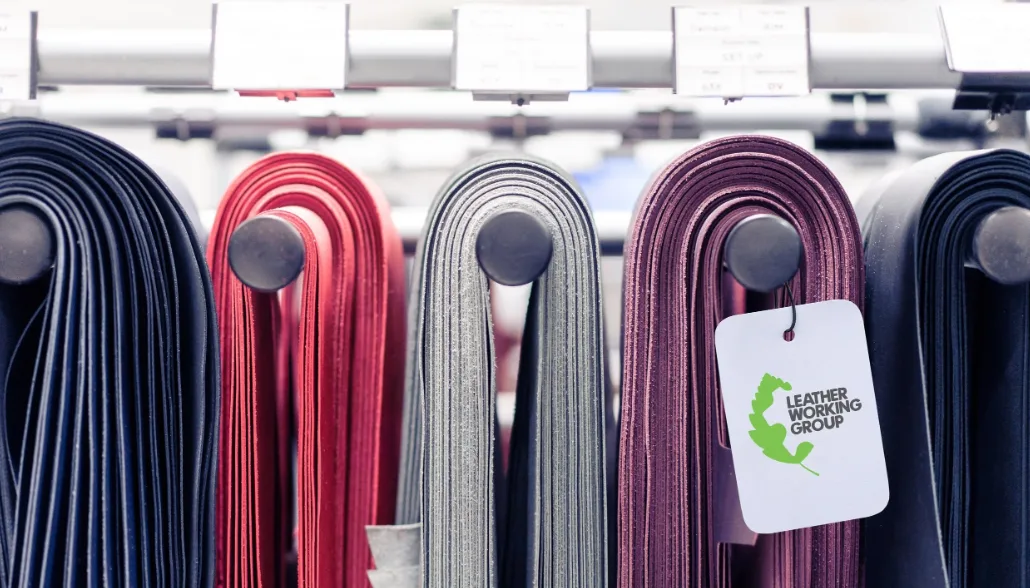
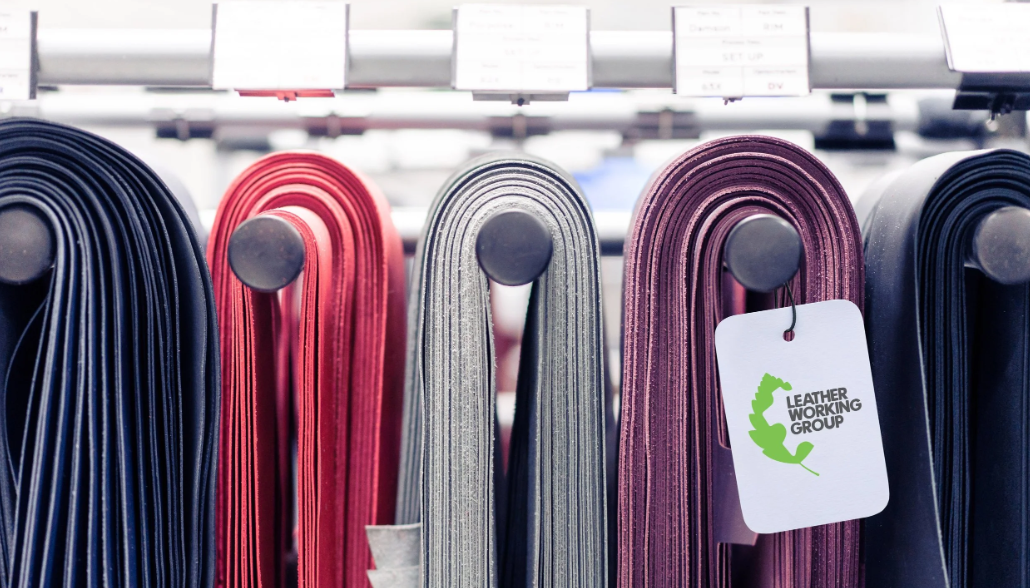
LWG (Leather Working Group) is a global organization that sets environmental standards for the leather industry, with a strong focus on responsible and transparent leather production.
At its core, the definition of LWG includes
• evaluating how tanneries manage water, energy, and chemicals
• auditing waste treatment and environmental impact
• improving traceability across the leather supply chain
For leather bag manufacturers and brands, LWG is more than just a label. It has become a key reference when sourcing leather, choosing suppliers, and meeting sustainability requirements from international markets.
Understanding what LWG means in leather manufacturing helps brands and manufacturers make informed decisions while aligning with global environmental expectations.
What LWG Certification Means for a Leather Bag Manufacturer
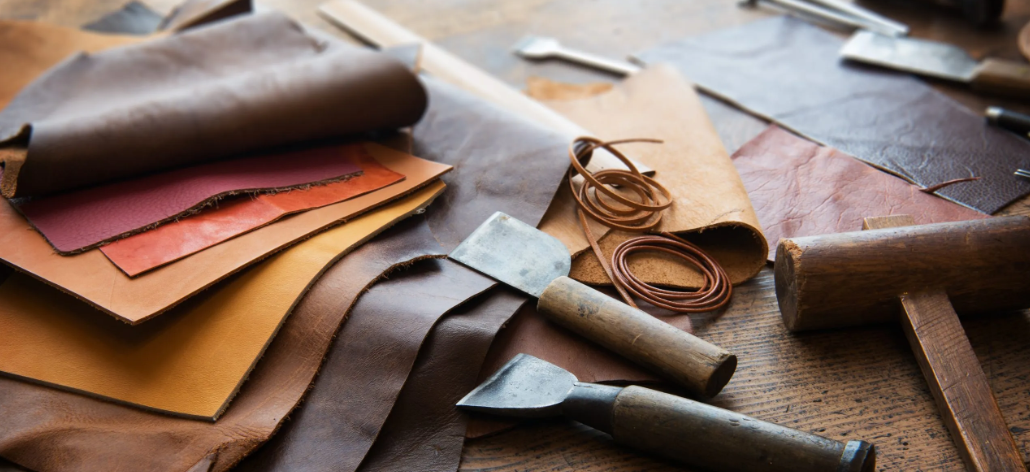
LWG certification looks at six key environmental areas that every leather bag manufacturer deals with in daily production. During the audit, each area is checked using clear, measurable standards.

1. Water management comes first
Think of water like something you shouldn’t waste. LWG checks how much water a leather bag manufacturer uses to make each piece of leather. You also have to show that dirty water is cleaned properly before it goes away. The best factories reuse water again and again, which is why Gold-rated tanneries can save 30–40% more water than non-certified ones.
2. Energy use is about saving electricity
This part is simple. If two leather bag manufacturers make the same product, the one that uses less electricity scores better. Using solar power, reusing heat, or running more efficient machines all help. Less energy per bag means a better sustainability score.
3. Chemical management means being honest
Every chemical used in leather production has to be clearly listed. A leather bag manufacturer must show where chemicals come from, how safe they are, and how they are stored. These choices matter because chemicals don’t just affect leather—they also affect the air and the climate.
4. Waste management is about not throwing things away
Leather scraps, leftovers, and waste should not go straight into the trash. LWG likes leather bag manufacturers who reuse or recycle most of their waste. To reach Gold level, more than 85% of waste needs to stay out of landfills.
5. Air quality is about clean air
Factories shouldn’t smell bad or release harmful air. Leather bag manufacturers need to check air quality regularly and keep simple records to show they meet local rules and LWG standards.
6. Traceability is like giving leather a name tag
Every piece of leather should be easy to track, from raw hide to finished bag. This helps a leather bag manufacturer prove they are really saving water, energy, and materials. Without traceability, it’s hard to show real improvement.
Why Brands Prefer Leather Bag Manufacturers with LWG Certification
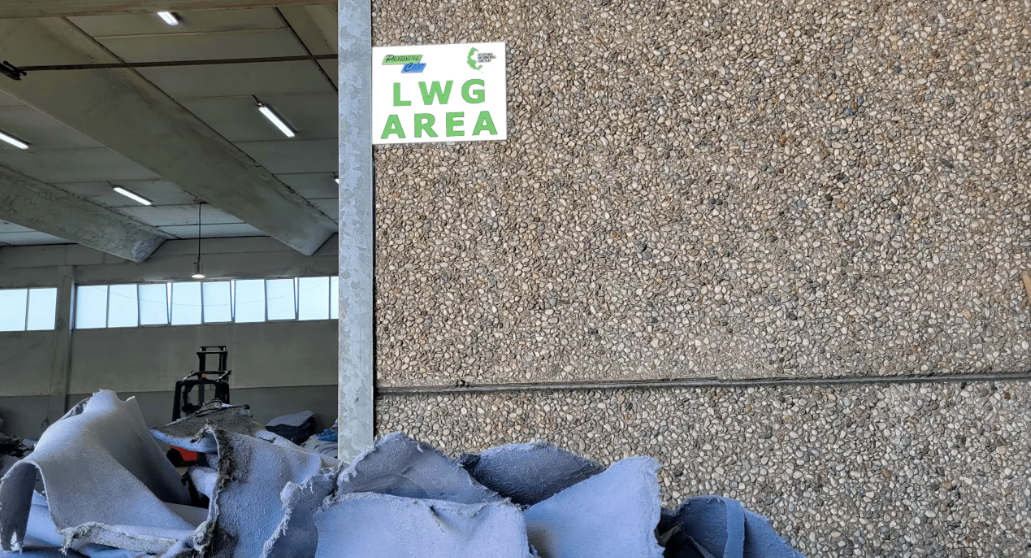
First, LWG helps brands get into the right stores.
Many big fashion brands and retailers only work with leather bag manufacturers that have LWG certification. For them, it’s like a safety pass. If a factory has LWG, the brand knows the leather is made in a cleaner and safer way. Without it, even a good price or fast production may not be enough to get selected.
Second, LWG makes a bsg factory feel more “trustworthy.”
Imagine a brand choosing between two leather bag manufacturers. One has LWG certification, the other doesn’t. The certified one feels safer. The brand worries less about chemical problems, legal risks, or bad news in the future. Because of that, brands are often willing to pay a little more and build long-term partnerships with certified factories.
For example, when a brand sells bags in Europe or the US, rules about chemicals are very strict. If the leather bag manufacturer already has LWG certification, the brand doesn’t need to double-check everything again. Customs clearance is smoother, product descriptions can highlight sustainability, and consumers feel better buying the bag. That small LWG logo helps the brand sell with more confidence.
Finally, LWG helps brands win consumers’ hearts.
More shoppers now care about how bags are made, not just how they look. When brands can say their leather comes from an LWG-certified leather bag manufacturer, buyers feel they are making a better choice. This trust builds slowly, but it lasts longer, helping brands protect their image and sales even when the market gets tough.
Cost and Benefits of LWG Certification for Leather Bag Suppliers

Ever wonder how much it really costs for a leather bag manufacturer to get LWG certified? At Sunteam, we went through the process step by step. The main expenses were the audit itself ($8,000–$15,000), upgrades like water treatment, chemical management, and traceability software ($50,000–$120,000), plus staff training and preparing documents ($10,000–$25,000). For a mid-sized leather bag factory, the total first-year investment usually adds up to around $68,000–$160,000. It took us several months to get everything ready for the auditors.
So, is it worth the money? Absolutely! LWG certification helps leather bag manufacturers save money and make more revenue. For example, if a client orders 1,000 leather tote bags for women, certification allows the factory to charge slightly higher wholesale prices, bringing in an extra $3,200–$6,000. Efficiency improvements like better water use, waste recycling, and chemical management save even more on utilities and materials each year.
LWG certification also reduces big risks that could be very expensive. Environmental fines and losing a major retail client can cost hundreds of thousands. With certification, Sunteam is much safer. Batch-level traceability and compliance systems keep problems small. The money spent on certification usually pays for itself within 1–3 years through price premiums, more stable orders, and cost savings.
Conclusion
LWG certification goes beyond just ticking a compliance box. It’s a smart business choice that affects your entire operation. You’ll meet retailer requirements and access premium markets. Plus, verified environmental practices build consumer trust. These benefits impact your profits in real, measurable ways.
LWG membership gives you traceability, standardized auditing, and documented sustainability improvements. At Sunteam, we follow LWG protocols for every piece of leather in our leather bag manufacturing. This helps our factory run efficiently, reduce waste, and build strong relationships with quality-focused buyers. Certification takes planning and resources, but the results are clear: smoother operations, lower costs, and more trust from clients.
The real question isn’t whether to get certified—it’s how quickly you can integrate these standards. Sunteam started with an internal environmental audit, fixed the biggest gaps, and followed a step-by-step timeline. Today, our leather bag factory is ready to deliver sustainable, high-quality products. We can customize a wide range of bags for our clients, including tote bags, travel backpacks, hand carry bags, handbags, wallets, passport holders, shoe bags, and toiletry bags—all made with care and LWG-certified leather.