Buying a luxury Tod’s bag? Where Tod’s bags are manufactured tells you more than just location. It reveals the craft legacy behind that famous Double T logo.
Many luxury brands outsource production. Tod’s doesn’t. They stick to Italian manufacturing, and this commitment affects the quality and value of every bag you buy.
Their artisan workshops sit in the hills of Le Marche. Here, craftspeople use hand-stitching methods passed down through generations. This manufacturing story explains why authentic Tod’s bags cost what they do.
You might be checking authenticity before buying. Or maybe you just want to know what makes these bags stand out. Either way, Tod’s production approach makes them different. They don’t outsource. They control every quality detail. This sets them apart in today’s mass-production luxury market.
Historical Evolution of Tod’s Bag Manufacturing
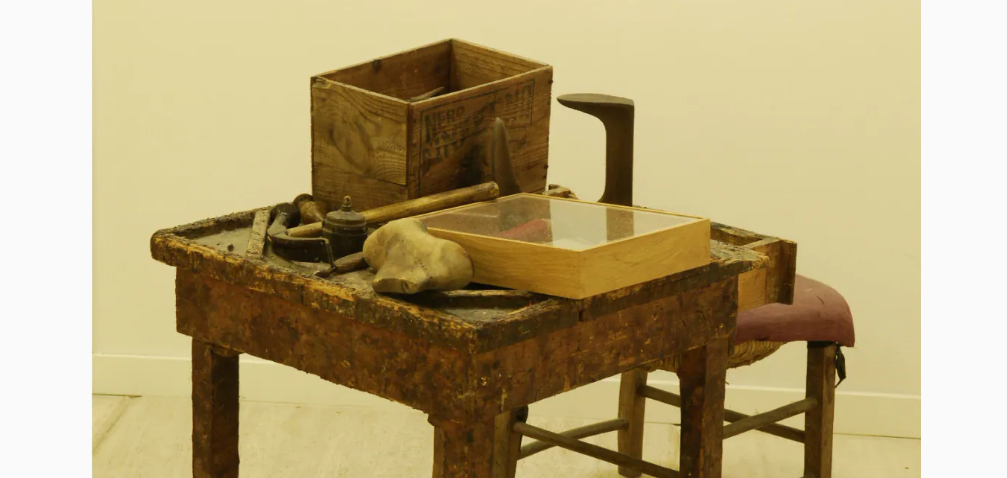
Filippo Della Valle started making shoes in his home in the late 1920s. This wasn’t a grand factory. It was a small craft workshop in Casette d’Ete, a quiet town in the Marche region. He produced small batches. Every pair stayed local. This humble start defined where Tod’s bags are manufactured a century later—the same region, the same commitment to Italian craft.
From Workshop to Industrial Factory
The 1970s brought the first major shift. Diego Della Valle, Filippo’s grandson, transformed the workshop into an industrial-scale factory. This expansion moved Tod’s from craft batches into serious shoe production. The factory started supplying luxury US retailers like Bergdorf Goodman and Saks Fifth Avenue. Production volume grew, but the location didn’t change. The Marche region remained the manufacturing heart.
Before Tod’s became a household name, the operation ran as Calzaturificio Della Valle. Through the mid-20th century, this factory produced shoes for global luxury brands—an OEM model. After the 1970s, Diego shifted strategy. He moved from making products for others to building Tod’s own brand identity. Production stayed in-house. Manufacturing stayed in Italy.
Product Line Expansion Timeline
Tod’s manufacturing evolution tracks through specific product launches:
1979 introduced the Gommino driving shoe—suede loafers with 133 rubber pebbles on thin leather soles. This became Tod’s signature piece.
1980 marked the first handbag collection launch. Bag manufacturing joined shoe production in the Marche facilities.
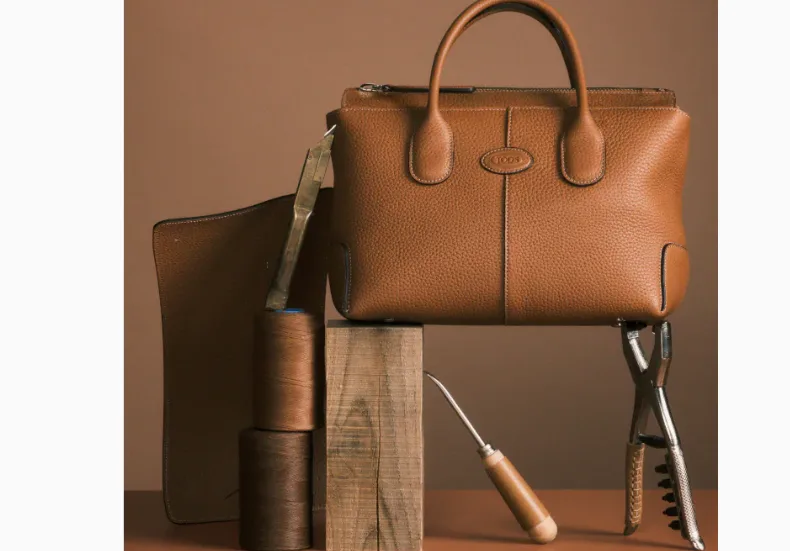
1997 brought the D-Bag in five sizes. This bag line solidified Tod’s position in luxury leather goods. The same year, the brand simplified from JP Tod’s to just Tod’s.
2003 saw the acquisition of Roger Vivier. Tod’s bought 60% at first, later spending €415M for 60.7% ownership. This expanded their manufacturing portfolio but didn’t shift core production locations.
Modern Manufacturing Scale
By the 1980s, 3,000 people participated in Tod’s leather bag production processes. The modern factory complex in Casette d’Ete grew from that original workshop. Tod’s emphasized craft leather mastery—techniques competitors found difficult to copy. This focus on local craft kept manufacturing rooted in the Marche region even as the company went public on Borsa Italiana in 2000.
By 2021, Tod’s operated 300+ direct stores and 80+ franchised locations worldwide. Revenue hit around €1 billion. Yet production stayed where it started. The 2023 numbers show Tod’s brand alone generated €560M from a total group revenue of €1.13B. That manufacturing base in Le Marche continues producing bags the same way Diego expanded it in the 1970s—just with better quality controls and larger scale.
Bag Factory Tour Insights: Brancodoro Campus Facilities

Tod’s keeps the Brancodoro Campus details very private. The company opens these facilities to public tours only on rare occasions. Some luxury brands showcase production floors for marketing. Tod’s is different. They control access tightly to where Tod’s bags are manufactured.
The campus sits within Tod’s main production network in the Marche region. Industry standards for luxury leather goods facilities show what these campuses usually include. Artisan workshops form the core. These are dedicated spaces. Craftspeople hand-stitch bags there using traditional Italian techniques. Climate-controlled leather storage rooms protect premium calfskin from humidity damage. Prototype development studios let designers test new bag designs. This happens before full production runs.
What We Know About the Facilities
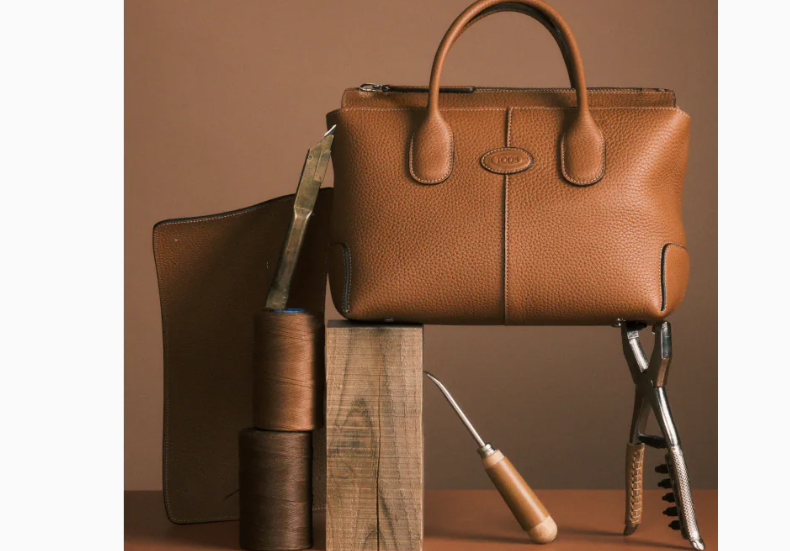
Tod’s hasn’t released official factory tour programs for Brancodoro. No detailed facility descriptions exist either. You can’t book public visits. No published photos show the interior workshop layouts. This secrecy protects their manufacturing processes. Competitors can’t copy hand-stitching methods they can’t see.
The campus probably mirrors Tod’s other Italian production sites. These facilities blend heritage craft spaces with modern quality control stations. Artisans work at individual benches. No production lines here. Each craftsperson completes full bag sections. They don’t do single tasks over and over. This matches the 8-24 hour production timeline for Di Bags.
Some luxury makers include employee amenities. Think on-site fitness centers or childcare facilities. These attract skilled artisans. Does Brancodoro Campus offer these? We don’t know yet. But here’s what matters for buyers: Tod’s puts serious money into Italian production infrastructure. They don’t cut facility costs. They don’t move manufacturing to cheaper locations.
The limited public information shows Tod’s focus. Craft matters more than marketing spectacle. Your bag’s authenticity doesn’t depend on seeing where it was made. It depends on the verified Italian construction techniques. It depends on the materials Tod’s controls at facilities like Brancodoro.
Tod’s Main Production Sites in Italy

The Le Marche region is Tod’s production center. This northeastern part of Italy has a centuries-old reputation for leather work. Tod’s runs several production sites here. These form the backbone of their operations.
Sant’Elpidio a Mare is the company’s biggest production hub. The town sits in the heart of the Marche leather district. Skilled artisans have been making shoes and leather goods here for generations. It’s their trade. Tod’s owns all their Italian plants. This gives them complete control over production standards and quality checks.
These sites focus on shoe production, which makes up about 75% of Tod’s total sales. The production process mixes traditional hand-finishing with modern quality control. Workers handle specific stages. They cut premium leather, do final stitching, and put pieces together.
Tod’s doesn’t do everything in-house, though. They work with specialized outside labs for certain stages. These partnerships give Tod’s access to niche skills. Core production stays under direct watch.
The Italian market represents 23.4% of Tod’s total global sales as of 2023. This strong home presence shows two things. Italian buyers value local craft. The brand has deep roots in the region.
The Brancodoro Campus also works within this production network. The company keeps specific details private. What matters for buyers: Tod’s keeps its Italian production base. They haven’t shifted to cheaper countries. This choice affects the real signs you’ll find on genuine Tod’s bags. Leather quality tells the story. Construction methods separate real pieces from fakes.
Traditional Handcrafting Process for Tod’s Bags
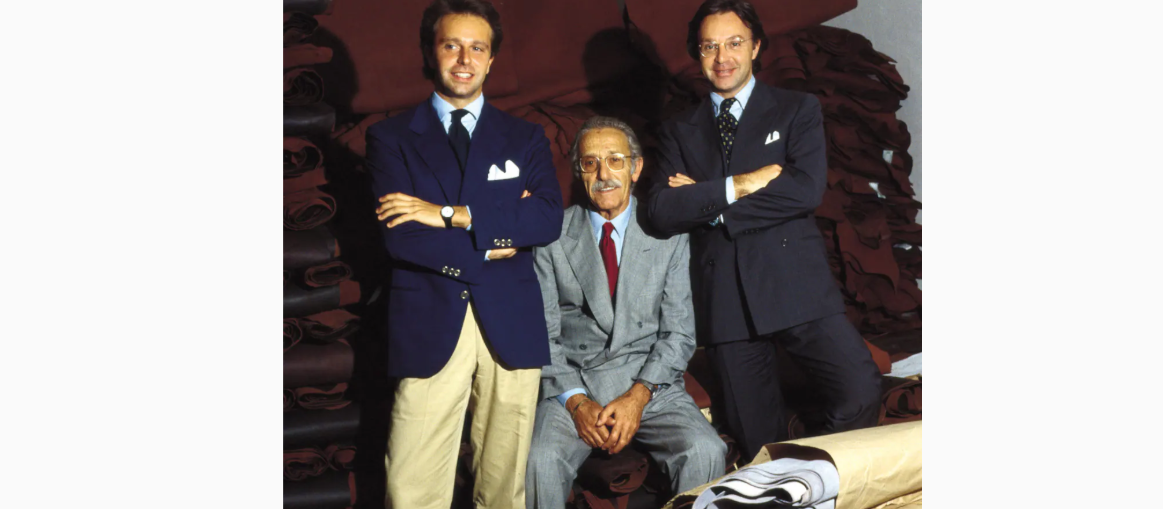
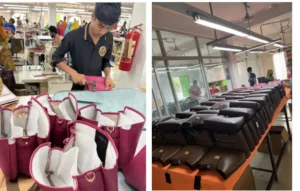
Each Tod’s Di Bag takes a full day of atelier work—between 8 to 24 hours from start to finish. This timeline isn’t marketing talk. It’s the reality of hand-putting together multiple leather pieces into a single bag.
Tod’s builds bags using heritage Italian techniques that artisans have refined over decades. The Di Bag and Gommino-inspired pieces use hand-stitched calfskin leather. No automated stitching lines here. Every seam gets sewn by hand, piece by piece.
The Leather Selection Process

Tod’s uses fine pebbled leather as their standard material. This calfskin feels soft and silky. You’ll notice natural sheen variations across the surface. Before any cutting happens, artisans inspect each hide. They look for consistent texture. They find the best sections for different bag parts.
The grain pattern matters. So does flexibility. Different parts of a bag face different stress points. An experienced craftsperson knows which leather section works best for handles. They know which works for body panels.
Step-by-Step Construction

The handcrafting follows a clear sequence:
First, artisans prepare the leather pieces. Each part gets cut to exact specs. The Di Bag’s boxy shape needs precision from the start. Pieces must align just right, or the final structure won’t hold its shape.
Second comes the hand-sewing phase. This step takes most of the production time. The artisan joins multiple leather parts through careful stitching. Each stitch needs the right tension. Too tight, and the leather puckers. Too loose, and seams weaken.
Final assembly brings everything together. Handles attach, hardware secures, and interiors fit in place. This step is key in the leather bag assembly process, ensuring each bag is consistent and high-quality.
This entire process uses one to two skilled artisans per bag. Each craftsperson focuses their full attention on that single piece. They don’t move between multiple bags on a line. This focused approach creates the precision Tod’s needs.
Tod’s ensures top quality through this sewing precision. They don’t publish specific defect standards. But the inspection happens at every stage. Artisans catch issues as they work, not after a bag is done.
Tod’S Bag Production Ownership Model (No Outsourcing Policy)
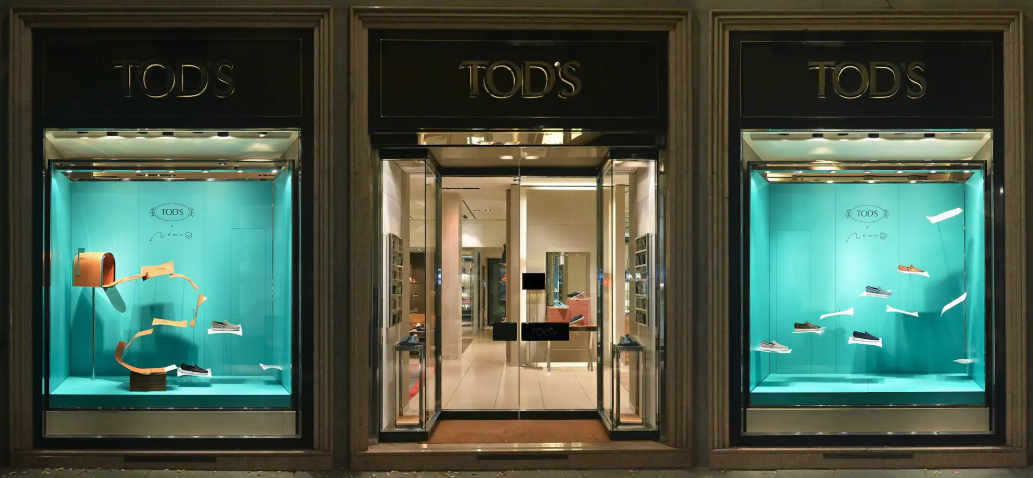
Tod’s owns every Italian bag production facility where Tod’s bags are manufactured. Zero outsourcing. Most luxury brands farm out manufacturing to cut costs. Tod’s does the opposite.
The numbers tell a different story across the luxury sector. 59% of companies outsource to reduce costs. Another 57% do it to focus on core business operations. Tod’s chose the opposite path. They keep bag production under direct control—from leather cutting to final stitching.
Why Tod’s Rejects the Outsourcing Model

In-house bag production gives Tod’s advantages that outsourcing can’t match. Lead times stay shorter with full process control. Need to adjust stitching tension on a new Di Bag design? Your artisan makes the change on the spot. No contract negotiations. No waiting for an external supplier to fit your request into their schedule.
Quality control happens in real-time. Tod’s craftspeople spot a leather grain issue? They fix it right there. Compare this to outsourced operations. New product introduction speed worsened for 41% of companies that shifted manufacturing outside.
The industry data shows the trade-offs. Final assembly gets outsourced by 59% of brands. Just 15% keep it in-house. Tod’s sits in that minority 15%. This choice costs more upfront. Raw materials and labor expenses run higher with Italian workshops versus contracting with lower-cost suppliers.
The Real Cost of Control

Tod’s sticks to Italian craft, producing every bag in Le Marche at their Brancodoro Campus. Over 120 skilled workers turn top-grade leather into timeless designs. In my experience, this hands-on approach shows why handcrafted leather bags stand out in quality and consistency.
The “Made in Italy” mark guarantees every stitch meets high standards. Understanding premium bag production helps you spot authentic pieces that retain value and age beautifully—something mass-made bags can’t match.
Conclusion
Tod’s sticks to Italian craft. This answers where Tod’s bags are manufactured and why it matters. Every bag comes from their factories in Le Marche, Italy, with the Brancodoro Campus as the main production site. Over 120 skilled workers turn top-grade leather into classic accessories. In my view, seeing such a dedicated setup firsthand shows why Italian leather bags are often unmatched in quality and consistency. This location means more than just a place on a map—you get real craftsmanship, proven heritage, and true authenticity that mass-made bags can’t replicate.
A Tod’s bag offers more than just leather goods. You’re getting generations of Italian artisan tradition. The “Made in Italy” mark backs every piece, and no work is outsourced. Their transparent production process ensures every stitch and detail meets the highest standards. Since 1978, these principles have shaped luxury leather accessories.
When choosing your next high-end bag, check its origin. Real Tod’s bags display unmistakable signs of Italian craft. Fakes can’t copy these nuances. Knowing luxury handbag manufacturing practices helps you select genuine pieces that age beautifully and retain value for years.