
When you place a high-value leather bag order overseas, stitching quality and genuine leather bag grade are important—but even more crucial are worker safety, chemical handling, and your brand reputation. One factory scandal can ruin everything you’ve built. BSCI and Sedex certifications act as a safety net, ensuring every step in your leather bag supply chain is reliable and secure.
FAQ – BSCI & Sedex Certifications in Leather Bag Manufacturing
1. What is the difference between BSCI and Sedex in leather bag manufacturing?
BSCI focuses on improving social compliance within bag factories, covering worker rights, safety, and environmental responsibility. Sedex, through SMETA audits, adds business ethics and transparency. Together, they create a more complete risk-control system for leather bag production.
2. Do buyers really need both BSCI and Sedex certifications?
It depends on your market and clients. Many European bag brands require BSCI, while UK and global retailers often request Sedex. Factories with dual certification can serve more buyers without repeated audits.
3. How often are BSCI and Sedex audits conducted?
Most audits are valid for two years, but high-risk findings may require annual follow-ups or corrective action reviews to maintain compliance.
4. What do auditors check in a leather bag factory?
Auditors review payroll, working hours, chemical storage, wastewater treatment, PPE usage, emergency exits, and material traceability—from tannery sourcing to finished handbags.
5. How do these certifications protect my brand reputation?
They reduce risks like labor violations, environmental pollution, and chemical safety scandals. Certified factories provide documented proof of ethical and safe production.
6. Are genuine leather materials tested under BSCI and Sedex?
Yes. Leather, linings, and hardware must pass chemical tests for substances like formaldehyde, heavy metals, and azo dyes, ensuring compliance with EU, US, and Japan regulations.
7. What is the Sedex 2-Pillar vs 4-Pillar audit?
The 2-Pillar audit covers labor and health & safety. The 4-Pillar audit adds environment and business ethics, offering more comprehensive supply chain protection.
8. Can certification reduce sourcing time for buyers?
Absolutely. Certified factories maintain ready audit reports, test data, and compliance documents, allowing buyers to verify suppliers faster without repeated inspections.
9. Is dual certification expensive for leather bag factories?
Initial costs exist, but integrating documentation systems reduces repeated audits, cutting long-term compliance costs by up to 50%.
10. How can buyers verify a factory’s certification status?
Request the latest audit report, check the rating level, review corrective action plans, and confirm validity through the official BSCI or Sedex platforms.
11. Do small leather bag manufacturers need these certifications?
If they plan to export or work with international brands, certification is increasingly necessary to meet ethical sourcing requirements.
12. What should I do if my supplier lacks certification?
You can request improvement timelines, conduct third-party audits, or shift orders to certified leather bag manufacturers to reduce risk.
Core Protections in Leather Bag Manufacturing

BSCI and Sedex establish a complete protection system for your leather bag production, ensuring safety from the tannery to the finished handbag product.
Worker Rights
Workers receive fair wages and benefits, and forced labor or child labor is strictly prohibited. Workplace safety is mandatory: protective gear must be worn, and workers need to know emergency exits and chemical handling procedures. Working hours are limited to 48 hours per week, and overtime requires consent and extra pay.
Environmental Management
Chemical waste, leather scraps, and wastewater must be carefully controlled. Poor environmental management often correlates with weak worker safety, so leather handbag factories are required to track and manage air, water, and soil impacts.
Anti-Corruption & Transparency
Factories must prevent bribery and fraud, and auditors can review payrolls, contracts, and leather bag materials to ensure everything is honest.
Audit Scoring
Audits happen every two years to ensure standards are maintained. Ratings from A to E reflect compliance levels, with lower grades requiring formal improvement plans. E-level issues trigger immediate corrective action.
BSCI’s Six Protection Areas
BSCI divides leather bag order protection into six areas:
-
Worker Rights: Fair treatment, no discrimination, freedom to join unions
-
Health & Safety: Chemical handling training, PPE, emergency plans
-
Environmental Responsibility: Waste management, emissions control, impact assessments
-
Product Traceability: Leather traced from farm to tannery to final bag assembly plant
-
Chemical Safety: Leather, hardware, and handbag linings tested for toxic substances
-
Quality Management: ISO standards integration to reduce duplicate audits
For example, if the leather for your handbag order comes from a tannery using hazardous chemicals, BSCI requires batch testing and full documentation. This protects workers during production and ensures buyers receive safe, compliant leather bags.
Sedex Four-Pillar System
From my experience in sourcing leather handbags overseas, I’ve noticed that many factories and buyers focus mainly on labor and safety, often overlooking environment and business ethics. Sedex, through the SMETA audit, organizes protections into four pillars: labor standards, health & safety, environmental protection, and business ethics. All four are connected and must be implemented together.
I once worked with a Vietnamese leather bag factory that excelled in labor and safety—workers wore gloves and masks, and hours were reasonable—but wastewater management was poor, polluting nearby rivers. After completing the full Sedex four-pillar audit, the factory installed proper wastewater treatment and integrated business ethics practices to prevent bribery and fraud. The comprehensive audit improved overall management and gave buyers confidence. Factories can choose 2-Pillar or 4-Pillar audits depending on risk, while buyers save time by using shared reports instead of sending auditors repeatedly. This system increases transparency, reduces risk, and makes the handbag supply chain safer for everyone.
Real Value for Buyers and Leather Bag Factories
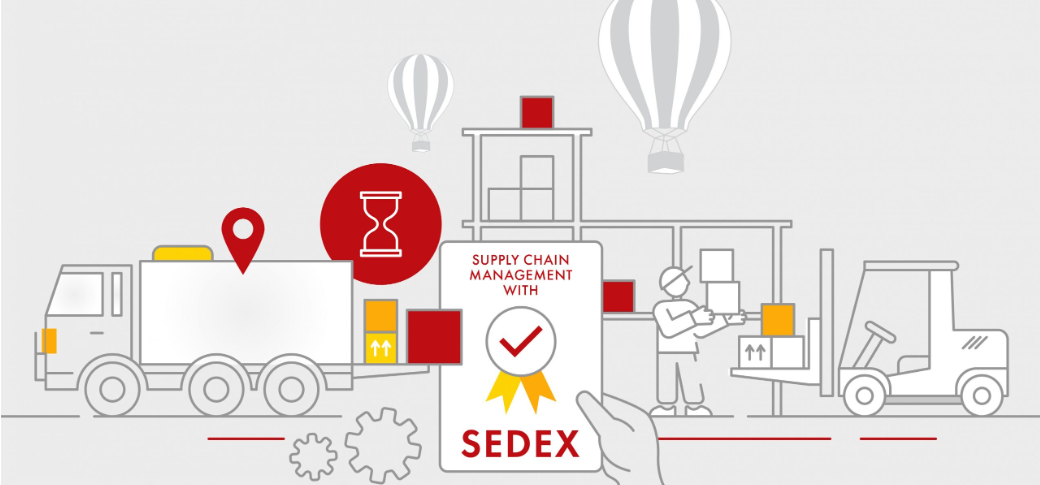
BSCI and Sedex certifications deliver more than compliance—they create strategic advantages. In my experience working with multiple leather bag manufacturers, certified factories consistently provide complete management documents and testing reports. This lets buyers quickly assess reliability without spending weeks on background checks.
I remember sourcing high-end leather handbags from three factories: two lacked full certifications, had messy documents, and missing chemical reports—so we passed on them. The third factory had both BSCI and Sedex certifications, complete batch test reports, trained workers, and even environmental improvement plans. Orders went smoothly with minimal back-and-forth.
For factories, certification acts like a “passport.” Displaying it on websites or quotes immediately signals compliance to buyers, helping win new orders while reducing repeated audits and disputes. Transparent, certified handbag factories build trust, improve operational efficiency, and lower risks.
Leather Material Safety Protections

-
Accurate Labeling: Genuine leather, split leather, and coated leather must be properly marked for each leather bag and handbag component
-
Chemical Limits: Formaldehyde, heavy metals, and aromatic amines within safe thresholds
-
International Regulations: Limits differ in Germany, Japan, and the EU, all must be met for leather bags
-
Testing & Audits: Every batch of leather and hardware must be tested and included in BSCI/Sedex audits
For instance, leather used in children’s handbags or wallets must have formaldehyde below 100 mg/kg, and factories must provide test reports for each leather bag product.
Dual Certification Strategy

Many bag factories face the challenge of one buyer requiring BSCI and another requiring Sedex. Preparing separate audits and documents is time-consuming and expensive. The solution is to prepare a unified documentation system, covering overlapping labor, safety, and environmental standards. This can cut costs by 50% and reduce time spent from 60–90 days to 30–45 days. For factories with multiple international buyers, dual certification ensures full market access while controlling costs for leather bag production and handbag manufacturing.
Conclusion
BSCI and Sedex protect leather bag orders far beyond simple compliance. They safeguard workers, materials, the environment, and your brand reputation. Each order can meet international ethical standards, ensuring safer workers, cleaner production, and trustworthy supply chains.
Next steps: request your supplier’s latest audit reports, compare scores to benchmarks, and address gaps immediately. Ethical sourcing is no longer optional—it’s the foundation of sustainable growth. The real question is not whether to adopt these standards, but how quickly you can use them to set your leather bag brand apart.