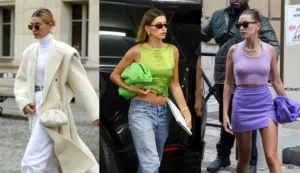
Hailey Bieber doesn’t just carry bags — she unintentionally turns them into market signals. A clean silhouette, a neutral tone, and almost no excess detail. Within hours, a single paparazzi photo can influence what US bag brands, Japanese bag brands, and European leather bag brands start noticing in their next product cycle.
For bag manufacturers supplying brands in the United States, Japan, and European markets, this isn’t celebrity hype. It’s a real-time case study of how global consumers respond to design.
Minimalist styling repeatedly proves one thing: restraint sells across markets. A single recognizable silhouette often creates stronger brand memory than a crowded collection filled with competing styles. For bag brands in the US, Japanese bag labels, and European private label bag companies, this means focusing less on expanding collections and more on refining a core design identity.
So what can global bag brands and leather bag manufacturers actually learn from this minimalist approach? The lesson goes far beyond aesthetics. It’s about understanding how focused design, consistent identity, and everyday usability build the kind of long-term brand loyalty that works from the US bag market to Japan and across Europe — something no short-term marketing campaign can replicate.
Why Hailey Bieber’s Minimalist Style Is a Masterclass for Bag Brands
Recently, Hailey Bieber has been making headlines not just for fashion, but for business. Her skincare brand Rhode has become one of the most talked-about celebrity beauty brands in recent years, proving that modern influence can translate into real commercial success.
But for bag brands and bag manufacturers, another detail deserves attention. Beyond cosmetics, Hailey’s everyday bag choices reveal subtle signals about how global consumers think about design, versatility, and functionality.
For companies involved in bag manufacturing or developing products for overseas markets, her styling choices offer a surprisingly practical case study.
The Power of One Bag Across Different Moments
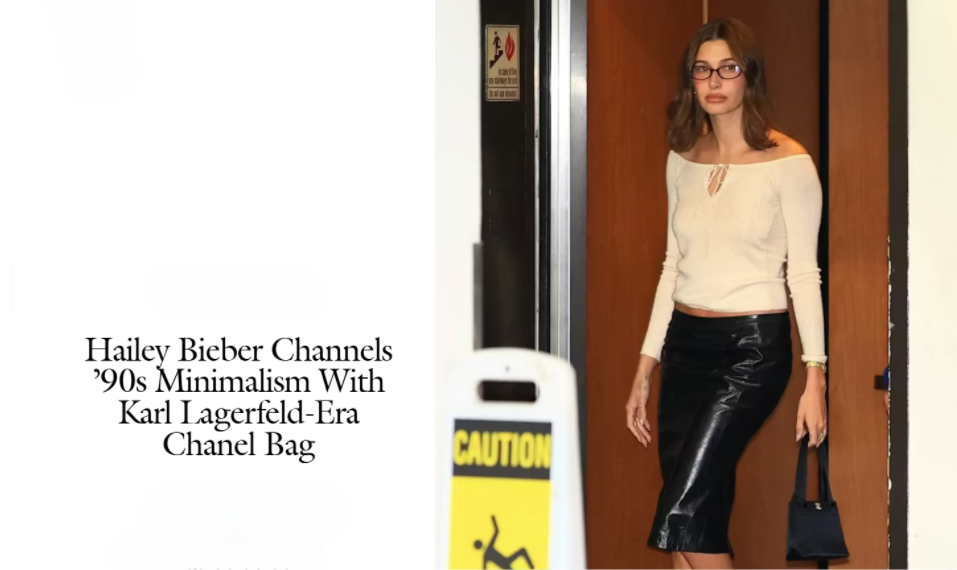
The clearest example comes from a vintage trapezoidal bag from Chanel that Hailey carried to two completely different occasions.
The first appearance was during Paris Fashion Week, where she paired it with low-rise denim from Levi’s and a vintage coat from Dior originally designed by John Galliano.
Days later, she carried the same bag again to a dinner at Sushi Park in Los Angeles, this time styled with a soft butter-yellow off-shoulder knit and a glossy leather skirt.
Same bag.
Two very different settings.
Both outfits worked effortlessly.
For private label bag brands and leather bag manufacturers, this demonstrates an important product principle that many collections overlook.
Versatility is not just a selling point — it is the core value proposition.
Consumers increasingly prefer bags that move easily between occasions, rather than products designed for a single fashion moment.
Lesson One: Minimalist Design Extends Product Lifecycles
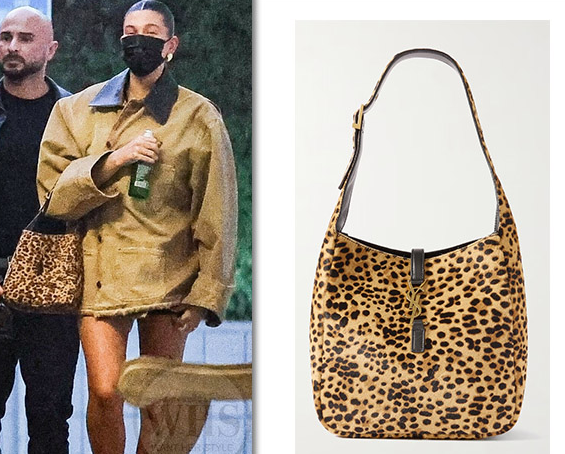
One consistent feature of Hailey’s bag choices is a restrained color palette.
Instead of bold patterns or seasonal colors, she often carries bags in black, chocolate brown, taupe, or deep plum tones. Combined with sharp silhouettes, these neutral shades allow the bag to stand out without overwhelming the rest of the outfit.
For bag manufacturers supplying international brands, this reinforces a key design strategy. Minimalist bags tend to have longer market lifecycles because they remain relevant across seasons and trends.
From a bag manufacturing perspective, this also allows brands to maintain stable production planning while reducing the risk of unsold inventory.
Lesson Two: Design for Multiple Occasions
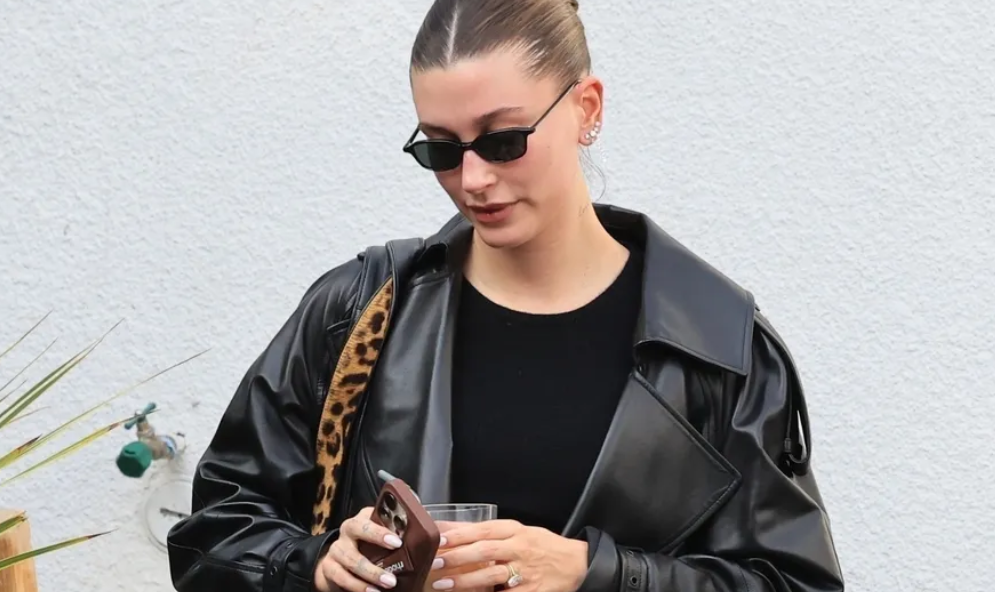
Another notable detail is how frequently Hailey repeats the same bag across different environments.
The same piece appears with relaxed streetwear, structured tailoring, and evening looks. Casual denim one day, formal heels the next — yet the bag remains the constant element tying the outfit together.
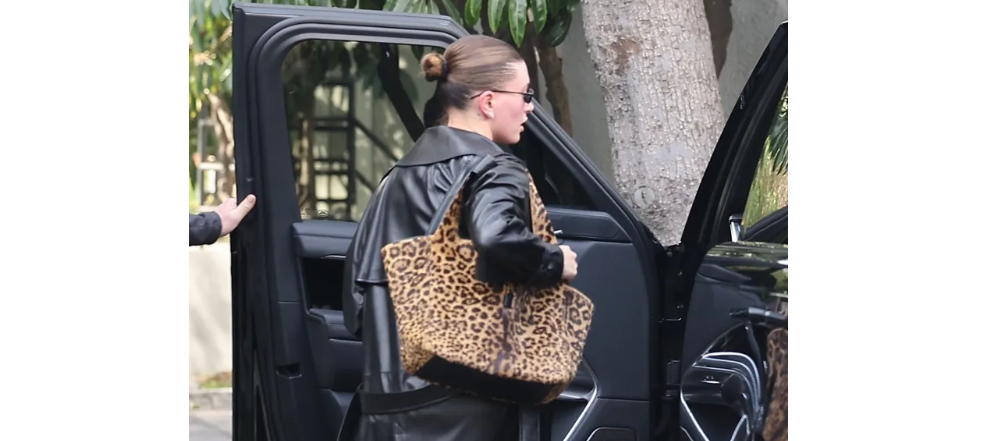
For private label bag brands, this highlights an important shift in consumer expectations.
Buyers today evaluate bags less as fashion accessories and more as multi-scenario lifestyle products. A well-designed leather bag should work for commuting, travel, casual outings, and social events without feeling out of place.
This is why clean silhouettes, practical compartments, and balanced proportions have become increasingly important in modern bag design.
Lesson Three: Tone-on-Tone Styling Reflects Quiet Luxury
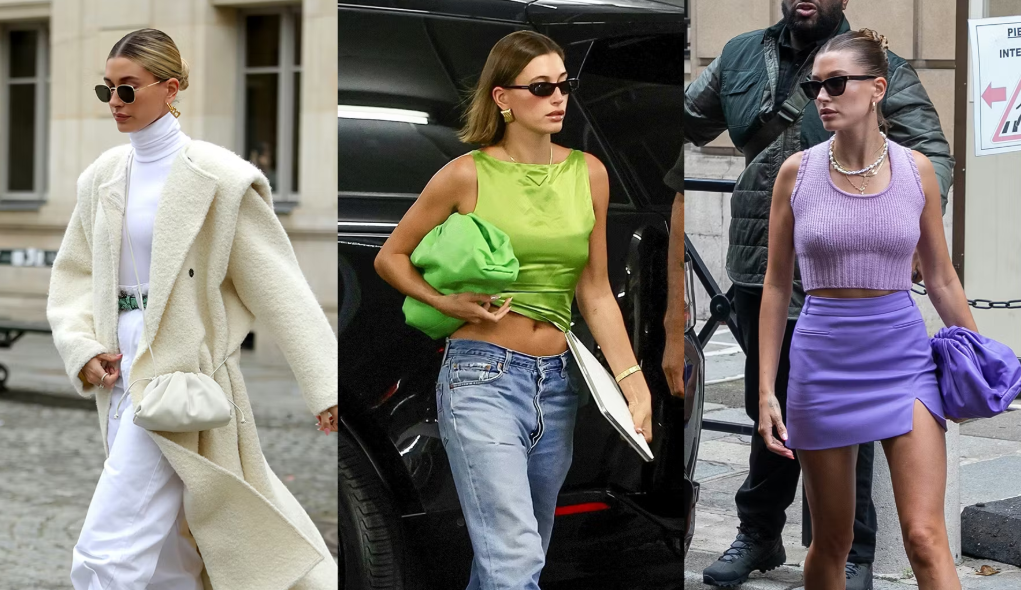
Another recurring pattern is Hailey’s bag preference for tonal coordination.
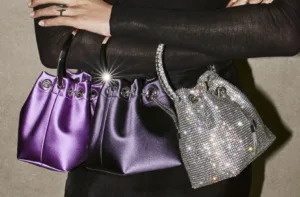
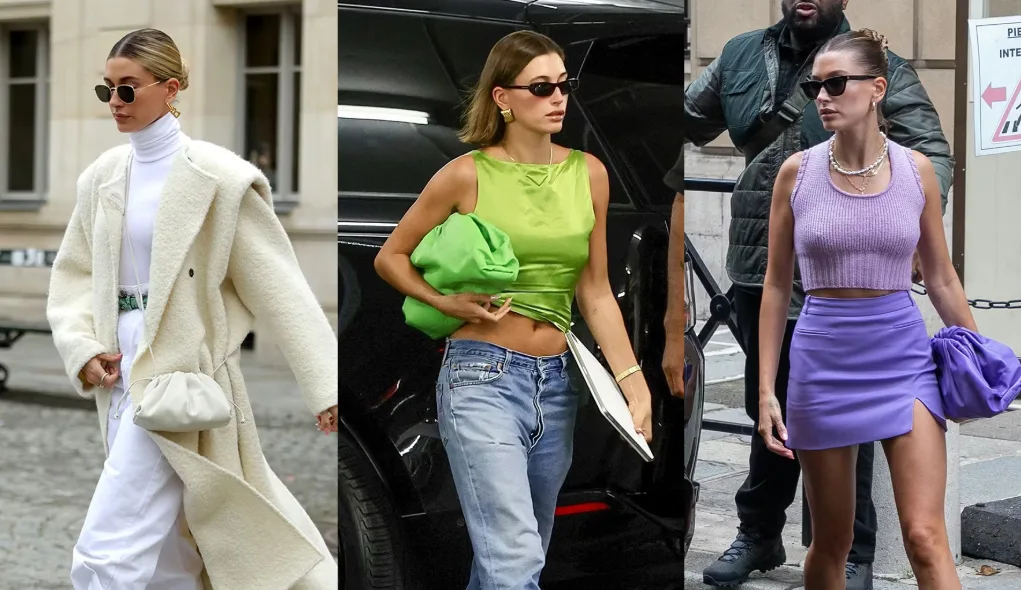
Rather than creating high contrast, she often pairs bags with clothing in similar shades — for example, a deep eggplant coat matched with a purple duffle bag. The effect is subtle but cohesive.
For leather bag manufacturers, this reflects the ongoing shift toward quiet luxury aesthetics. Instead of logo-heavy designs, many brands now focus on material quality, color harmony, and understated craftsmanship.
In this context, the bag becomes a refined supporting element rather than a loud centerpiece.
The Oversized Bag Trend and Lifestyle Functionality
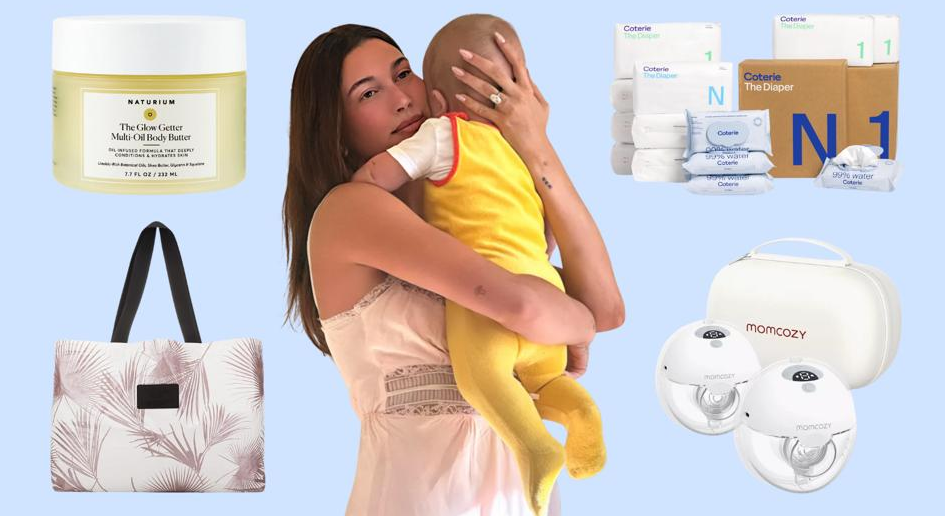
Another interesting change in Hailey’s bag selection appeared after she became a mother.
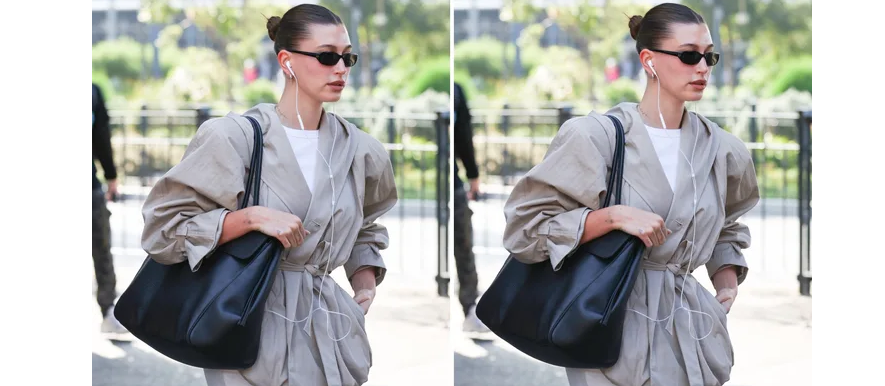
Her recent looks often feature larger silhouettes such as the Bottega Veneta Large Hop, the Saint Laurent Bea Bag, and oversized totes from Goyard.
These bags are not purely fashion statements. They reflect a practical need for capacity while still maintaining a minimalist aesthetic.
For bag manufacturers and product developers, this shift highlights a broader trend in global markets. Consumers increasingly value bags that combine functional capacity, soft leather structure, and understated design.
Oversized silhouettes are therefore less about trend cycles and more about lifestyle adaptation.
What Bag Brands Can Learn from Hailey Bieber
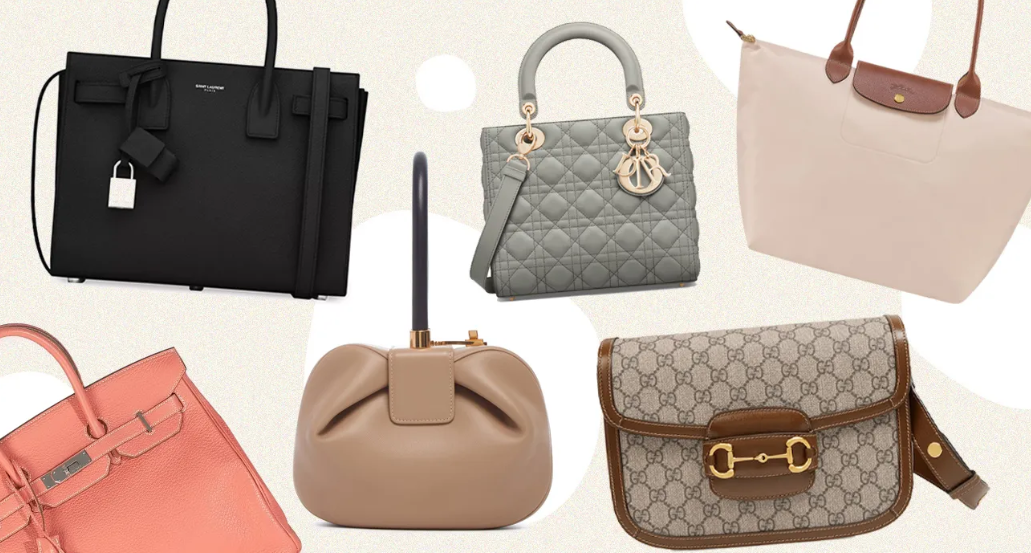
The takeaway for bag brands and leather bag manufacturers is straightforward.
Hailey Bieber’s style does not rely on loud branding or trend-driven designs. Instead, it focuses on pieces that quietly prove their value through repeated use.
In other words, the real definition of modern luxury is changing.
Not a logo.
Not a seasonal campaign.
Just a well-designed bag that works across occasions, seasons, and lifestyles.
For companies involved in bag manufacturing or developing private label leather bags, this shift offers a clear direction: focus on timeless silhouettes, versatile functionality, and material quality that stands the test of everyday use.
What Sunteam Is Doing Next — A Minimalist Manufacturing Playbook
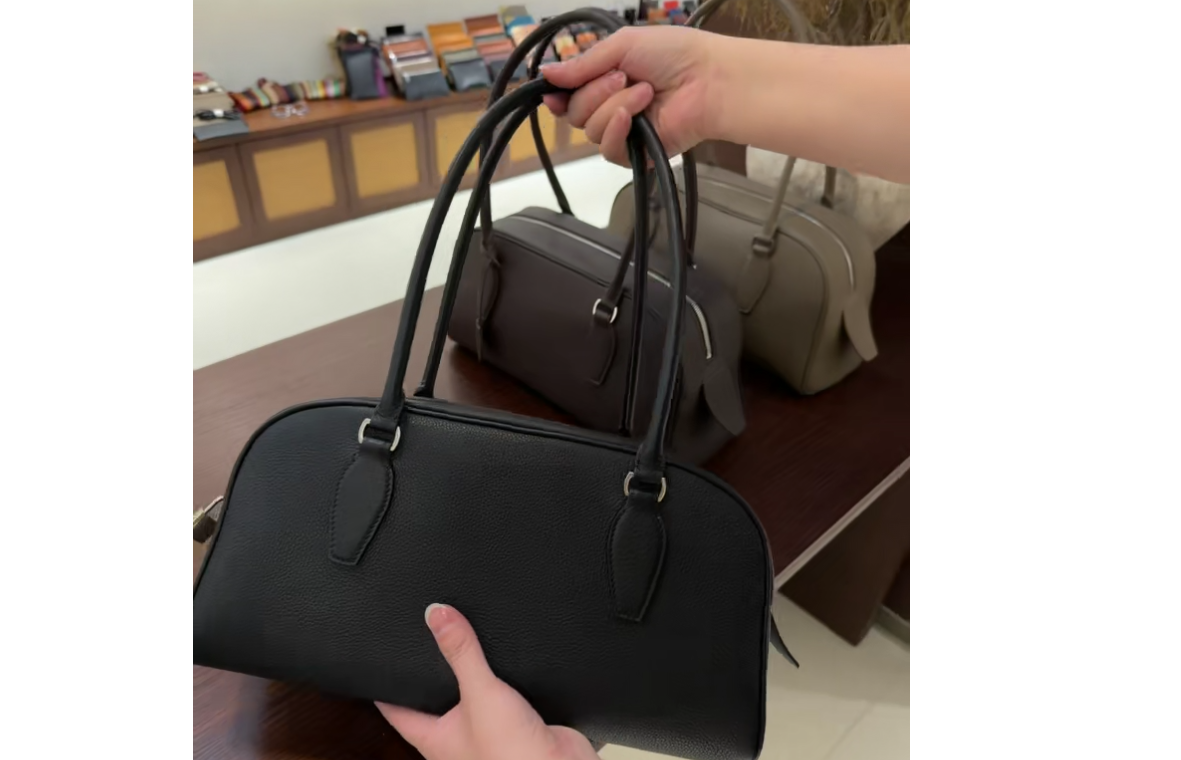
Six lessons. One direction. And for Sunteam, this isn’t theory — it’s already shaping how we design, manufacture, and present our next generation of bags.
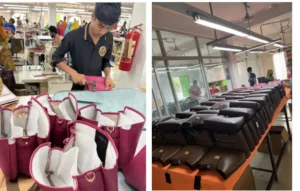
After studying how minimalist products succeed in global markets — including the influence of figures like Hailey Bieber — our team began applying the same principles directly inside the factory. The goal is simple: help international brands develop timeless, versatile leather bags that work across markets and seasons.
Here are the concrete changes we are implementing.
Defining a Signature Silhouette in Product Development
Instead of presenting dozens of unrelated samples, our design team is focusing on hero silhouettes.
This means refining a small number of shapes and improving them through material upgrades, structure adjustments, and craftsmanship improvements. By concentrating on fewer core designs, we can develop bags that are easier for brands to build collections around.
Inside the factory, this shift also allows our technicians to focus more deeply on construction details — from leather edge finishing to structure reinforcement — ensuring each silhouette can become a reliable long-term product rather than a short-lived seasonal style.
Establishing a Stable Neutral Color System
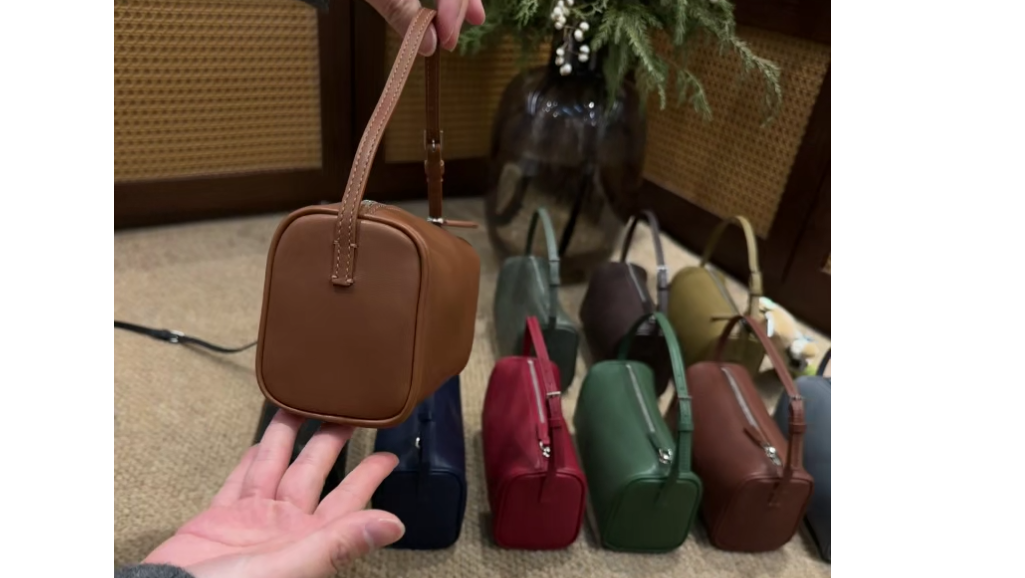
Minimalist design works best when color choices remain consistent.
To support this, Sunteam is building a permanent neutral leather palette within our material sourcing system. Core colors such as black, brown, tan, and cream will remain available year-round for private label clients.
From a manufacturing perspective, this approach improves both material consistency and production efficiency. When brands return to reorder or scale production, they can rely on the same leather colors and finishes being available without seasonal variation.
Upgrading Packaging as Part of the Product Experience
Minimalism should extend beyond the bag itself.
Our team is therefore redesigning packaging options with cleaner visual systems — monochromatic boxes, minimal typography, and subtle branding placements. These packaging solutions are designed to complement minimalist bag collections while improving the unboxing experience for global consumers.
For many brands selling through e-commerce, packaging is now the first physical interaction a customer has with the product. Treating it as part of the brand story has become essential.
Designing Bags for Real Versatility
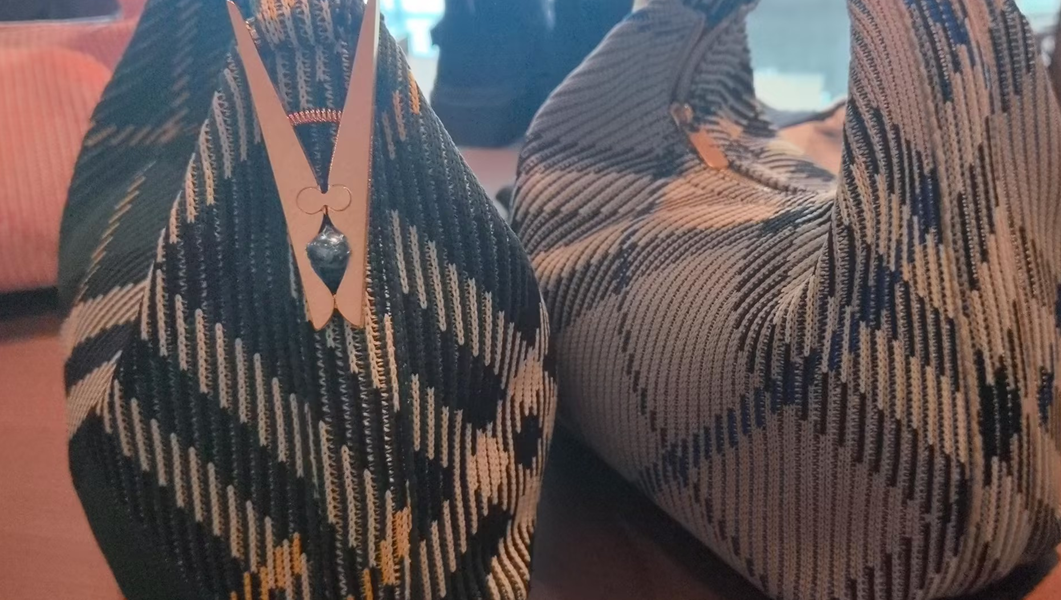
Another major adjustment involves how products are developed from the earliest concept stage.
During design planning, we now focus more deliberately on multi-scenario usability. Bags should transition easily from work settings to travel or casual weekends. This affects decisions about pocket layout, strap length, weight distribution, and interior structure.
For brands working with Sunteam, this ensures that each bag is not only visually clean but also functionally adaptable for everyday life.
Bringing These Changes to the Tokyo Exhibition
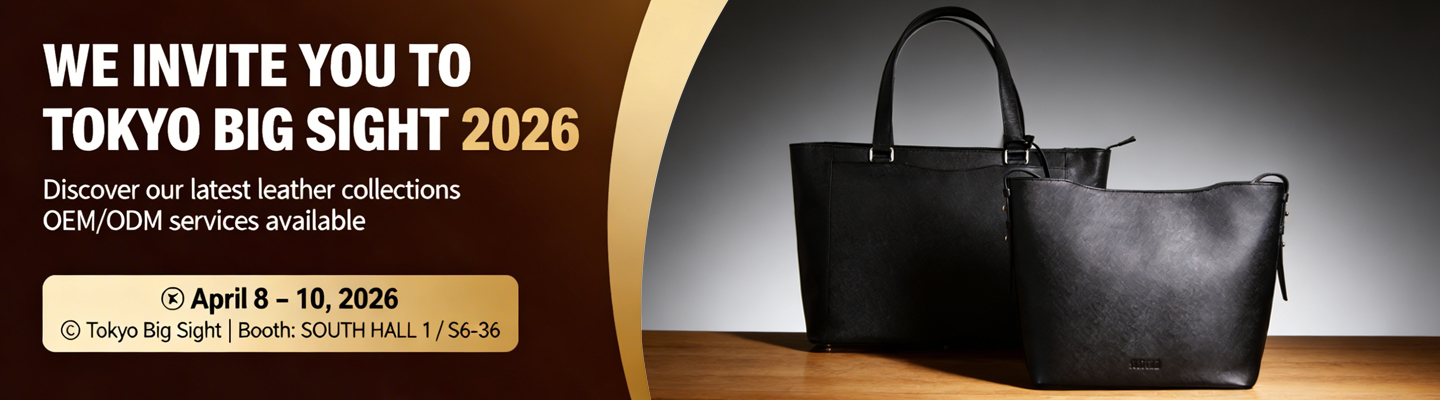
These manufacturing adjustments will be reflected in our upcoming presentation at Fashion World Tokyo this October.
At the exhibition, Sunteam will showcase a refined lineup of minimalist leather bags built around the principles described above: simplified silhouettes, neutral color systems, and versatile functionality.
Rather than presenting a large number of disconnected styles, the collection will focus on cohesive product families that demonstrate how brands can build consistent collections with fewer but stronger designs.
For international buyers and private label partners, this approach offers a clearer starting point for collaboration — one that aligns design, production, and brand identity from the very beginning.
A Simple Principle Guiding the Bag Factory
Minimalism is often described as an aesthetic choice. In reality, it is a manufacturing strategy.
By focusing on fewer silhouettes, consistent materials, thoughtful packaging, and versatile design, Sunteam aims to help brands create products that last longer in the market and build stronger recognition with consumers.
Restraint, applied with precision, becomes not just a design philosophy — but a production advantage.
Conclusion
Hailey Bieber didn’t build her style icon status by doing more — she built it by doing less, better. That’s the exact playbook bag brands need to steal.
The real lesson behind what bag brands can learn from Hailey Bieber’s minimalist fashion isn’t just about looks — it’s about strategy. One clean silhouette, worn at the right moments, builds more brand equity than a dozen trend-chasing launches. Neutrals sell. Structure converts. Subtle hardware speaks louder than logo-heavy maximalism.
The brands that win this decade won’t be the loudest. They’ll be the ones bold enough to let the bag speak for itself.
So here’s your next move: audit your current line through a minimalist lens. Ask which pieces could be Hailey’s next street-style moment — and which ones are just noise. Design with restraint. Market with intention.
Quiet confidence isn’t a trend. It’s a lasting brand identity.