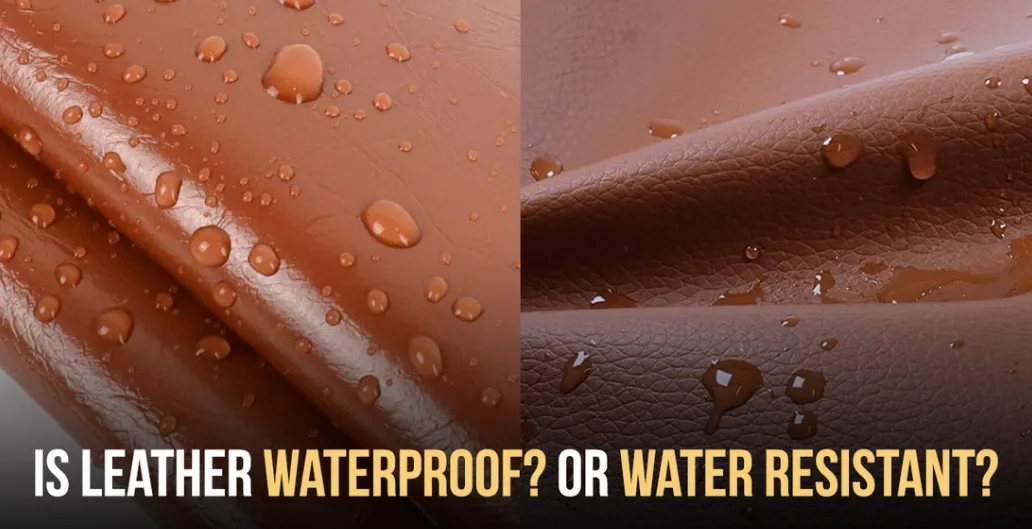
Standing in the rain with your favorite leather jacket or boots, you’ve asked yourself: Will these hold up, or am I about to ruin them?
Waterproof and water-resistant leather aren’t the same thing. One lets you splash through puddles. The other makes you tiptoe around every drop.
Most people think these terms mean the same thing. They don’t. Your leather goods’ protection level, durability, and comfort all depend on knowing this difference.
Buying hiking boots, a luxury leather waterproof handbag, or work gloves? Understanding waterproof vs water-resistant leather saves you from expensive mistakes and soggy disappointments.
We’ll break down the science behind each type. You’ll learn which leather resists moisture best. Plus, we’ll show you how to match your leather choice to your lifestyle. Your gear should work as hard as you do.
What is Waterproof Leather
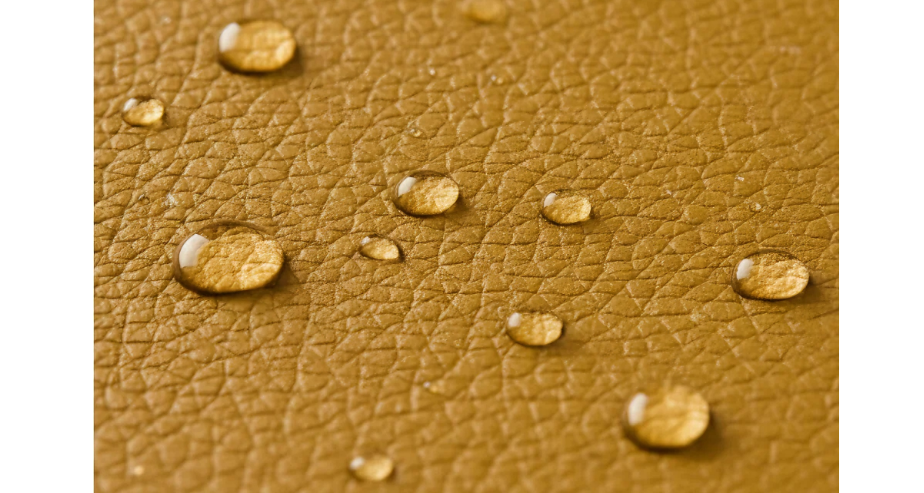
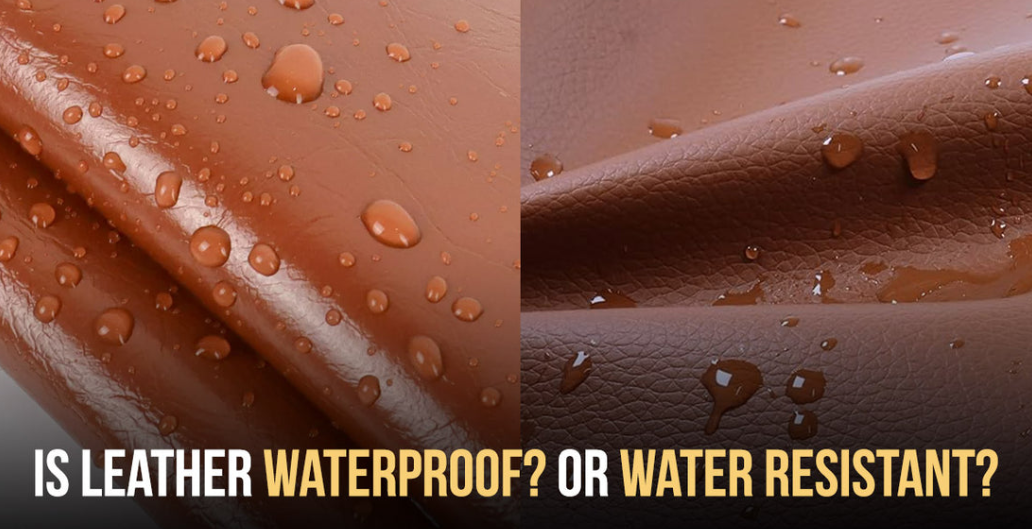
Waterproof leather or custom waterpro of leather bag stops water from getting through. No moisture gets past this material. It blocks every drop from reaching the inner layers.
Manufacturers treat the leather with special processes. They put synthetic coatings or membranes on the surface. These treatments fill the tiny holes in the hide. This creates a sealed protective layer.
The key point: Waterproof leather keeps blocking water even after long exposure. You can put it underwater for hours. Moisture still won’t break through.
How Waterproof Treatment Works
The process turns regular leather into a water-blocking material. Here’s what leather bag manufacturers use:
-
Polyurethane (PU) coatings – Makes a flexible, sealed surface layer
-
Synthetic membrane bonding – Adds waterproof layers between leather and lining
-
Heavy wax saturation – Fills pores with water-repelling compounds
-
Rubber coating applications – Gives maximum moisture protection
These treatments change the leather’s structure. The material becomes sealed. It stops moisture instead of just resisting it.
Real-World Applications
Waterproof leather works great in tough conditions. Marine workers use it for deck boots that face constant saltwater. Firefighters wear waterproof leather gloves rated for long water contact.
Construction pros pick waterproof leather work boots. These boots handle mud, standing water, and harsh job sites. They keep feet dry through 8-hour shifts in wet conditions.
Trade-off to know: The waterproofing cuts down breathability. Your feet or hands may feel warmer. They get less air compared to water-resistant options. So waterproof leather works best for wet environments. It’s not the top choice for all-day comfort in mild conditions.
What is Water-Resistant Leather
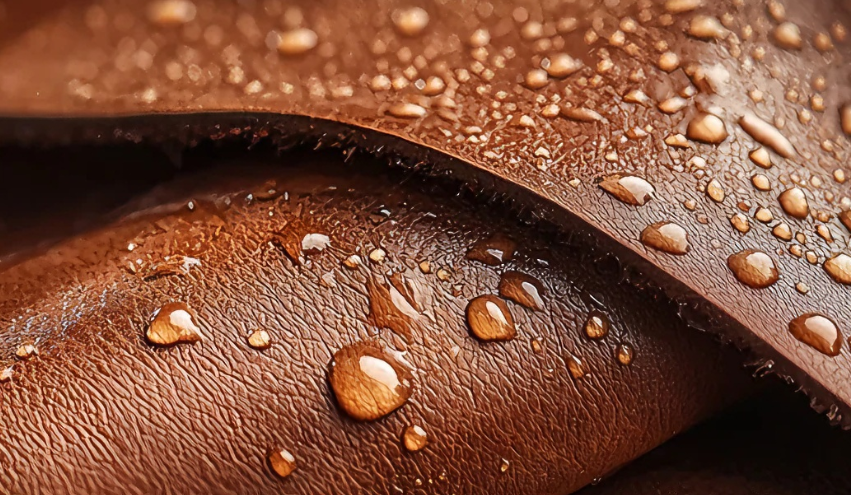
Water-resistant leather handles moisture exposure. Water doesn’t soak deep into the material. The leather repels water droplets on contact. Light rain and splashes bead up on the surface instead of soaking through.
This protection level sits between untreated leather and waterproof options. The material allows some moisture in—25-30% maximum water uptake. This controlled absorption keeps the leather breathable. Plus, it maintains insulation properties.
Critical distinction: Water-resistant leather works great for everyday weather. It won’t survive underwater submersion or heavy downpours for long periods. The protection has limits based on exposure time and water pressure.
Industry Testing Standards
Manufacturers test water-resistant leather through specific industry protocols. The ASTM D2099 Maeser flexometer test measures how many flexes the leather withstands before water penetrates. Water-resistant leather needs at least 5,000 flexes to pass. Premium thick leathers (over 2.5mm) can achieve 50,000 flexes or more.
Other key tests include:
-
ISO 5404:2011 – Measures penetration time and absorption rate for heavy leathers
-
EN ISO 2417 (Kubelka test) – Confirms water uptake stays at or below 25-30%
-
Wicking test – Checks edge absorption; passing leather absorbs 10mm or less after one hour
These standards ensure consistent performance across different leather products.
How Treatment Creates Resistance
Full grain leather and Full grain leather bag starts with natural resistance. Its dense fiber structure creates the first barrier against moisture. But natural oils alone produce surface tension around 40mN/m—not enough for reliable protection.
Modern treatments boost this natural resistance:
Silicone-based treatments drop surface tension to about 30mN/m. The process involves neutralizing the leather to pH 5.0. Then it applies acrylic polymers. Next comes layering silicone treatments. This creates even distribution through the leather’s cross-section. That’s the key to balancing water resistance with breathability.
DWR-type coatings use anionic or cationic agents. Strong retannage lets these treatments penetrate completely. Premium examples like Garrett’s Torino leather offer over 100 color options. They exceed water-resistance standards too.
Traditional wax and oil methods coat the surface with water-repelling compounds like chrome stearate. Russian cavalry boots used this approach in the past. The downside? Lower vapor permeability and surface-level protection.
Thickness matters too. Common leather runs 1.8-2.0mm thick. Heavier options above 2.5mm achieve higher Maeser test scores. Some exceed 50,000 flexes for excellent water resistance.
Waterproof Leather Core Differences
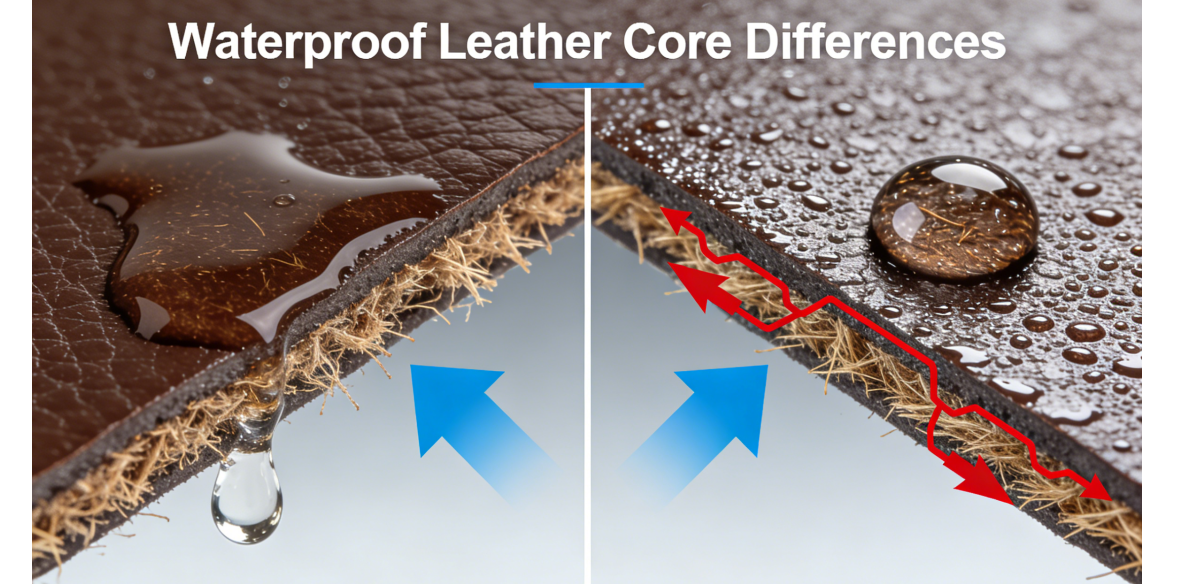
Waterproof and water-resistant leather protect differently. Each level handles specific moisture challenges.
Exposure Time Tolerance
Waterproof leather handles water contact for as long as needed. Quality waterproof boots can stay underwater for 8+ hours without moisture getting through. PU coatings, bonded membranes, or rubber layers block 100% water penetration in normal use.
Water-resistant leather works on a time limit. Industry testing shows it holds up for 30-90 minutes in moderate rain. After that, saturation begins. The 25-30% maximum water uptake means long exposure will break down the treatment. Your leather has strong endurance for routine weather. But it’s not built for long submersion.
Pressure Resistance Thresholds
Water pressure shows the real performance gap. Waterproof leather holds up under 0.5-2.0 bar pressure. This handles storm conditions, puddle splashing, and spray from wet environments. Marine workers need this level because their gear faces saltwater jets and wave impacts.
Water-resistant leather performs under 0.1-0.3 bar pressure maximum. Light rain and splash protection? Yes. Heavy downpours or direct water streams? Moisture will get through. Hikers choose waterproof boots for mountain streams. Water-resistant options work fine for city commuting.
Breathability Trade-Off Spectrum
Protection level affects comfort. Waterproof treatments seal the leather. Vapor permeability drops 60-80% compared to untreated leather. Your feet or hands get less air circulation. Heat and moisture build up inside during active use.
Water-resistant leather keeps 40-65% breathability of untreated leather. Silicone and DWR treatments coat fibers without sealing pores shut. You get moisture protection plus better temperature control. Construction workers wearing water-resistant gloves report less hand sweat during 8-hour shifts. Waterproof alternatives cause more sweating.
Your exposure intensity determines the right choice. Constant wet conditions need waterproof. Variable weather with moderate moisture? Water-resistant works well.
Waterproof Leather Cost Implications
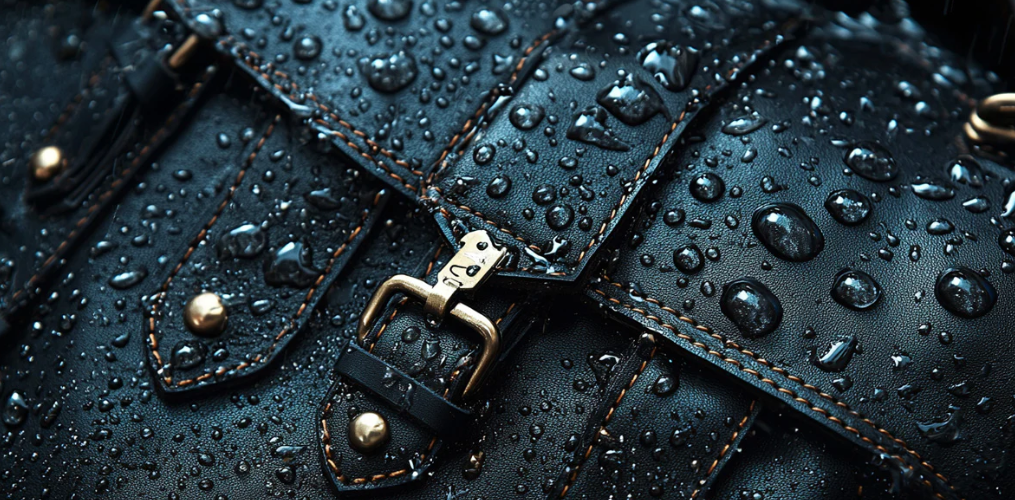
Waterproof leather costs $50-150 more per item than water-resistant options. The price gap comes from complex manufacturing. Making waterproof leather needs special equipment. PU coatings, bonded membranes, and rubber layers all require multiple steps. Water-resistant treatments are simpler. They use silicone or DWR coatings that cost less to make.
Maintenance budgets differ too. Waterproof leather needs professional care every 12-24 months. You’ll pay $25-75 per service. Water-resistant options need DIY treatment every 2-3 months. Spray bottles run $8-20 each. Waterproof maintenance totals $25-75 per year. Water-resistant care adds up to $32-80 each year for regular treatment.
Long-Term Value Analysis
Waterproof leather lasts 5-7 years with proper care. Water-resistant leather gives you 3-5 years before you need replacements. Construction workers who spend $200 on waterproof boots pay $28-40 per year over the boot’s life. The same worker buying $120 water-resistant boots pays $24-40 per year but replaces them sooner.
Break-even point: Heavy moisture exposure makes waterproof worth it. Light rain conditions? Water-resistant leather is the smarter money choice. Count your actual wet-weather days per year. Then decide if premium waterproof options make sense for you.
Waterproof Leather Common Misconceptions
“Waterproof means it never needs treatment.” Wrong. Sealed leather loses protection over time. PU coatings crack. Membrane bonds weaken. Marine workers skip annual maintenance? Water soaks through their boots—even those rated for submersion. Waterproof treatments break down. They’re not permanent shields.
“Water-resistant leather can’t handle real rain.” Also false. Quality water-resistant boots handle 30-90 minutes of moderate rainfall. The 25-30% water uptake limit works fine for commutes and light outdoor activity. Hikers complete 4-6 hour trails in spring weather. They stay dry with proper water-resistant footwear. This myth assumes all rain means heavy downpours.
Treatment Confusion
“More waterproofing spray means better protection.” Too much product wastes money. Plus, it blocks breathability. Leather absorbs treatment up to a saturation point. One thin, even coat does the job. Construction workers apply three layers? They don’t get triple protection. They create sticky surfaces that attract dirt. Vapor permeability drops 15-20% more than needed.
“All leather types take waterproofing the same way.” Suede absorbs treatments in a different way than full-grain. Split leather needs multiple coats. Top-grain needs one. The hide structure controls how treatments bond. Patent leather’s coating blocks spray absorption completely. Match your treatment method to leather type. Not all products work on every grade.
Conclusion
Waterproof vs water-resistant leather – know the difference. It helps you buy smart and match your lifestyle and budget. Waterproof leather gives maximum protection for extreme weather and outdoor trips. Water-resistant leather breathes better. Plus, it keeps that real leather feel we love for daily use.
The sweet spot? Match protection to what you actually need. Don’t pay extra for waterproof features you won’t use much. But nature can surprise you, so don’t go too light either. Even the best full-grain leather needs proper care and regular maintenance. Your investment deserves it.
Before buying your next leather item, ask yourself: Will this face occasional splashes or full submersion? Your answer shows which type you need. Still not sure about specific products? Check our leather care guides. Or talk with specialists who can look at your climate and how you’ll use it.
Your leather goods should work for you, not stress you out.