Leather alternatives are no longer just basic PU. In 2026, new materials are stepping into the spotlight—and they’re much better for the planet. You don’t have to choose between looks, durability, and values anymore. Now, you can have all three.
Imagine bags made from pineapple leaves, mushroom roots, or even leftover wine grapes. Today’s vegan leather offers options that traditional leather simply can’t.
With so many new materials coming out, it’s easy to feel confused. Which ones are truly sustainable, and which are just clever marketing?
We’ve studied the most promising materials shaping the bag industry right now. Some are plant-based and naturally break down over time. Others are lab-made and designed for long-term use.
This blog is all about the coolest vegan leathers for 2026 bags and how to pick the one that really suits you.
Piñatex® (Pineapple Leaf Leather)

Philippine farms produce tons of pineapple waste each year. This waste becomes one of the toughest vegan leather alternatives you can buy. Piñatex® takes 27 million tonnes of discarded pineapple leaves and converts them into textile-grade material. The result? A fabric that stands up to heavy use.
Production begins with fiber extraction from farm waste. Workers wash the fibers and treat them with enzymes to remove pectin. This creates natural softness and helps the material breathe. Next, the fibers blend with polylactic acid (PLA). Mechanical and thermal bonding turn this mix into Piñafelt® mesh. A final coating happens in Spain—either water-based or high-solid resin. This step gives the material its leather-like look and feel.
Composition and Performance Variants
Piñatex® comes in three formulas. Each one fits different bag needs:
-
Original/Mineral: 72% pineapple leaf fiber (PALF), 18% PLA, 10% polyurethane coating—works great for structured handbags
-
Performance: 46% PALF/Piñayarn, 12% PLA, 42% PU with 685 g/m² weight—made for heavy-duty totes and backpacks
-
Performance Light: 39% Piñayarn, 8% bio-based PU, 53% PU at 480 g/m²—suits lightweight crossbody bags
The Performance version shows strong durability numbers. You get 520 N tensile strength and 226 N tear resistance. It holds up through 300,000 Martindale abrasion cycles. Plus, it survives 150,000 flex cycles without breaking down. Elasticity recovery reaches 94.8–99% across all three versions.
Piñatex® cuts carbon emissions way down. It produces 2.69 kg CO2/m². Compare that to 4.81 kg for PU leather and 27.30 kg for animal leather. That’s a 90% drop from traditional leather options.
Nike, Hugo Boss, and Hilton Hotels use this material now. The market price runs €65.10 per square meter for standard versions. The material requires no extra land, water, or pesticides. It simply uses existing farm waste that would otherwise get thrown away.
MIRUM® (100% Plastic-Free Material)

Natural Fiber Welding solved a problem that stumped the industry for years. Their Illinois factory makes MIRUM®—a material with zero plastic content. Not “low plastic.” Not “bio-based plastic.” Zero. This is the first 100% plastic-free vegan leather that works for mass bag production.
The formula mixes natural rubber, plant oils, and plant waxes. These act as binders. Fillers include cork powder, coconut husk fiber, rice hulls, and clay minerals. Some versions add charcoal from pine or soybean parts. The backing uses GOTS-certified organic cotton or Ecovero Tencel. Every part breaks down in nature.
NFW’s patented plant-based system is the real breakthrough. Traditional vegan leathers need polyurethane or petrochemical binders. MIRUM® uses plant chemistry instead. No tanning. No wastewater from plastic processing. Just green chemistry throughout.
Performance That Beats Plastic Alternatives
Check the carbon footprint. MIRUM® generates 0.84–2.1 kg CO₂e per square meter. Chrome-tanned leather? 14 times more emissions. Synthetic PU/PVC leather sits over 7.5 times higher. Even bio-based PU leather creates 4 times the carbon load.
The material stands up to regular bag use. You get scratch resistance, waterproofing, and strength that matches high-grade synthetics. Designers can adjust color, shine, texture, and thickness by changing inputs. This beats what PU can do.
USDA BioPreferred certification confirms 100% biobased content. No synthetic polymers. No PVC, PFAS, phthalates, or heavy metals. The bag wears out? MIRUM® parts get made into new material or break down into natural elements. Zero microplastic pollution. NFW raised over USD 150 million to scale production. Major brands can use this tech now.
Mylo™ (Mushroom-Based Leather)
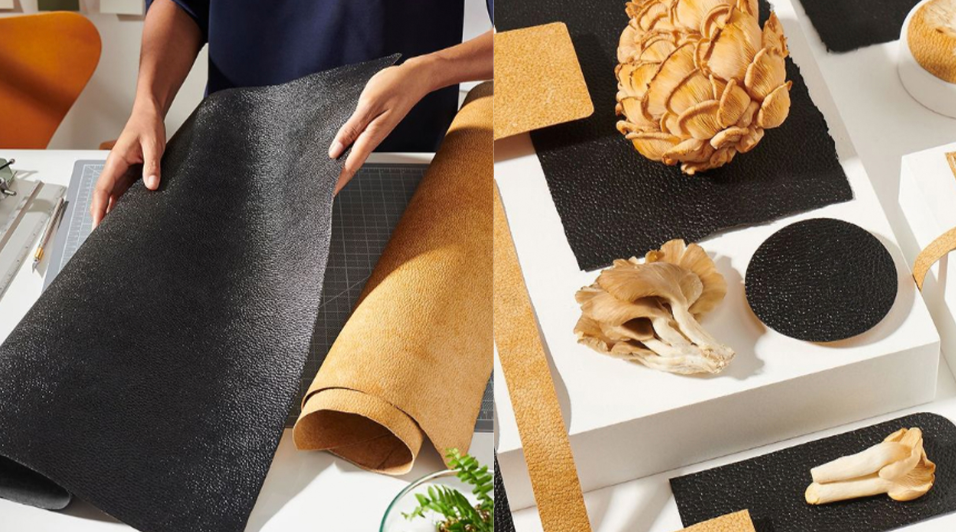
Bolt Threads makes leather from fungus roots. No animals needed. Their Mylo™ material uses mycelium—the root network of mushrooms. This 100% plant-based vegan leather turns years of production into just weeks.
Corn stalks form the base. Workers add mycelium cells to this farm waste. Temperature and humidity controls help the fungus grow upward. The mycelium creates a connected web structure that looks like leather’s natural fibers. Bolt Threads presses this web into flat sheets at set thicknesses. Natural tanning comes next. Then dyeing and texture pressing.
Mycelium leather grows in 4-9 days. Drying takes a few more days at 270°F (132°C) for 220 seconds. Add finishing work. Total time? 2-3 weeks from start to done. Animal leather? That’s years of raising livestock. Plus 6-8 weeks of chemical tanning.
Premium Brand Use and How It Feels
Stella McCartney was the first big fashion brand to use Mylo™. They made sample bags and accessories. The industry took notice. The Council of Fashion Designers of America (CFDA) put Mylo™ in its materials list for top designers.
Luxury brands get what they want here. CFDA calls it “soft, supple, warm” with a “very similar look and feel to animal leather“. You also get strong, wear-resistant quality. Water use drops well below standard leather making. The mycelium growth hits CO₂ neutral.
Expect premium pricing. Indoor growing plus careful processing costs more than regular cowhide. Mylo™ sits with high-end vegan leather options, not cheap synthetics. Cost per square meter? Brands keep that private. But they treat it as a luxury buy.
VEGEA (Grape-Based Wine Waste Leather)

Italy’s wine industry throws away huge amounts of grape skins, seeds, and stems every harvest. VEGEA catches this waste before it reaches landfills. The company works with northern Italian wineries. Together, they turn wine leftovers into grape-based vegan leather. Every 10 liters of wine leaves behind 2.5 liters of grape waste. That same amount makes one square meter of leather.
The math is straightforward. Producers need 2.5 kg of wine residue to create 1 m² of finished material. The wine industry creates waste at a steady pace. You get about one bottle’s worth of residue for every two bottles of wine produced. VEGEA collects grape skins, seeds, stems, and pulp from partner distilleries. Workers dry the material first. This stops breakdown. It also creates a stable supply all year round.
Next, they extract oil from grape seeds. The dry parts that remain become the base material. VEGEA mixes dried grape residue with plant oils, plant resins, and water-based polyurethane. This creates a bio-composite slurry. The team coats this mix onto textile backing. You get either organic cotton or recycled polyamide. One formula uses 78% eco-composite organic cotton plus 22% water-based PU. Ferm Living’s bags feature 100% GRS-certified recycled nylon backing.
Circular Production Model
The full supply chain stays in northern Italy. Grape waste, processing, and finishing all happen close by. This cuts transport emissions. Industrial symbiosis powers the model. Wineries send waste to VEGEA. Fashion and car brands buy the finished material. The loop stays closed.
Final VEGEA material contains over 70% renewable and recycled content. Zero solvents. Zero heavy metals. Zero harmful chemicals. Water use drops far below chrome-tanned leather. The factory recycles process water throughout production. Machines add texture through embossing. Color treatments and surface finishes create different thicknesses and patterns. Brands get many options. The core formula stays the same.
AppleSkin™ (Apple Waste Leather)

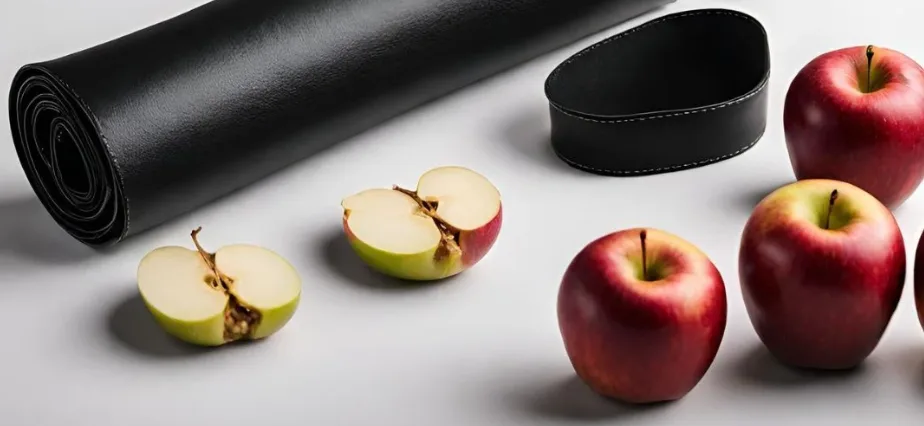
Italy’s apple juice factories process millions of apples each year. The peels, cores, and pulp go to waste. AppleSkin™ captures this leftover material and turns it into vegan leather alternatives. European beverage companies provide a steady flow of apple scraps. This keeps material available all year.
The process starts simple. Workers collect apple skins and pulp from juice production lines. They wash and dry this waste. Then they grind it into fine powder. This powder is rich in cellulose fibers. The apple powder mixes with polyurethane and plant-based resins. This creates a thick liquid. The mix gets spread onto textile backing. You can use polyester, cotton, or poly-cotton blends. Heat treatment and pressing give it a leather-like look and feel.
Composition Varies by Manufacturer
Each supplier uses a different recipe. Mabel’s standard AppleSkin contains 20–30% apple content with 70–80% PU/polyester/cotton. Their Melavir model pushes higher: 39% apple waste + 18% polyester + 43% PU. Frumat splits it at 50% apple waste + 50% PU. VEGATEX AppleSkin™ earned USDA certification for 66% bio-based content. That’s the highest renewable content in this category.
Mabel’s LCA data shows clear environmental wins. Every 1 kg of apple residue that replaces PU saves 5.28 kg CO₂ emissions. The Melavir formula cuts carbon footprint by 53% compared to full-synthetic options. Apple fiber stores about 30% of the product’s total carbon emissions inside the material itself.
Most production happens in northern Italy and Austria. These regions grow apples at scale. The supply chain is short. It goes from orchard to factory to finished rolls. Brands get consistent roll-format material ready for bag cutting and production.
Cactus Leather (Desserto® Nopal Cactus)

Mexican desert farming produces one of the most carbon-negative vegan leather alternatives you can find today. Desserto® grows nopal cactus across partner ranches in Zacatecas and San Luis Potosí. Their 14-acre farm absorbs around 8,100 tonnes of CO₂ each year. Total farm emissions? Just 15.3 tonnes per year. The operation sits deep in carbon-negative territory.
Nopal cactus needs almost zero irrigation. The plants pull moisture from air humidity and natural rainfall. Workers harvest mature leaves every 6-8 months without killing the plant. Each plot gets replanted once every 8 years. The farm runs fully organic—no herbicides, no pesticides. Leftover cactus material goes straight into food production chains.
Production Efficiency and Material Performance
The numbers show strong land-use efficiency. 2.4 acres yield about 200 tonnes of cactus leaves per harvest cycle. That converts to 66,666 square meters of leather—about 27,777 m² per acre. The conversion rate is simple: 3 kg of cactus leaves make 1 m² of finished leather.
Workers extract protein from the leaves. This creates a paste-like base material. They process the paste into flexible sheets with a leather texture. Desserto® offers multiple colors, thicknesses, and surface textures. Automotive brands use it for car seats. Fashion labels make bags and shoes. The material gives you great softness and long-lasting wear across high-use products. Exact tensile strength and abrasion cycle data stay private. But major OEMs have already approved the material for production use.
Recycled Synthetic Materials (Recycled PU/Nylon/Polyester)

Plastic bottles don’t need to end up in landfills. The recycled synthetics market proves this every day. Recycled PET (rPET) alone reached 9.3 million tonnes in 2024. That’s about 6.9% of global fiber production. Most comes from used plastic bottles. The recycled polyester market will climb from USD 1.68 billion in 2025 to USD 2.618 billion by 2030. That’s 9.25% annual growth.
Recycled nylon grows even faster. Market value sits at USD 2.5 billion in 2024. It will hit USD 5 billion by 2030—a 15% jump each year. Brands pick recycled synthetics to reduce fossil fuel use. Original nylon production depends on coal, natural gas, and oil prices. Recycled versions tap into existing plastic waste instead.
How Bottles Become Bag Material
The conversion process is simple. Facilities collect used PET bottles and industrial PET scrap. They clean, shred, and melt this waste. The result? Recycled polyester fiber or PU coating base. Major producers like Repreve have converted over 30 billion plastic bottles into recycled polyester. Every 10,000 bottles creates several hundred kilograms of rPET fiber.
Carbon footprint drops fast. Recycled polyester uses 30–50% less energy than virgin polyester. Fossil resource use falls even more. You skip extracting new petroleum. You redirect existing plastic from waste streams.
Brand Implementation and Transparency
Matt & Nat builds bags with 100% recycled nylon linings across most collections. Many series use high-percentage recycled PU or PVC blends for outer materials. The brand shares bottle counts and certified recycled content. But full details stay limited. Factory lists and complete LCA data? Not as open as ultra-transparent brands like Patagonia.
Baggu makes classic totes from 100% recycled ripstop nylon. Common specs include 40D or 70D recycled nylon in gridded weave patterns. Some products tell you how many bottles went into each bag. Factory and dyeing facility transparency sits at medium levels. Complete lifecycle assessments? You won’t find many.
Industry leaders set big goals. PUMA aims for 30% of all polyester from fiber-to-fiber recycling by 2030. Fast fashion and sportswear brands target 25–100% recycled polyester in synthetic fabrics. Full 100% recycled content shows up in specific product lines. Not entire catalogs yet.
Vegan Leather Market Growth Context for 2026 Selection
Luxury vegan handbag market: USD 167–170 million in 2025, projected to hit USD 357–360 million by 2032. Growth rate: 11.5% CAGR (2025–2032).
Global vegan women’s fashion market: USD 68.906 billion in 2025, climbing to USD 190.771 billion by 2033 at 13.53% CAGR (2025–2033).
Plant-based leather segment: USD 50.555 million in 2024, USD 54.246 million in 2025, reaching USD 95.315 million by 2033.
Total vegan leather market (2025): About USD 8.57 billion.
Global handbag market baseline: USD 6.029 billion in 2025, expanding to USD 10.424 billion by 2032 at 7.12% CAGR (2024–2032).
The math shows clear trends. Luxury vegan handbags hold <5% of total handbag market share today. But their 11.5% growth rate outpaces the 7.12% overall market expansion by a wide margin. Demand grows fastest in premium segments. Consumers pay extra for innovation and transparency there.
Key Considerations for Vegan Leather Bags
Material certifications reveal what brands hide. The Leather Working Group (LWG) certification now covers vegan alternatives—not just animal leather. Look for brands with transparency reports. They show full sourcing details. Elvis & Kresse shares where their recycled fire hoses come from. Expect this level of openness.
Material Type: Upcycled vs Recycled Performance
Vegan materials perform differently in real-world use:
|
Type |
Key Traits |
Examples |
|---|---|---|
|
Upcycled (inner tubes, fire hoses) |
Waterproof, durable, unique textures, low energy use, saves resources |
Anna Tote (large, hand-stitched, suits commuters), Erin Belt Bag (compact, multifunctional strap) |
|
Recycled (PU, polyester) |
Resists water/stains, reduces waste through closed-loop systems |
Kenya Tote (removable pouch, heavy-duty), Katherine Woven (spacious, smooth feel), Blake Quilted (detachable strap, compartments) |
Upcycled materials skip energy-heavy recycling steps. They use existing waste as-is. Recycled options break materials down and rebuild them. Both harm the environment less than virgin synthetics.
Durability Reality Check
Vegan leather is thinner and less durable than traditional leather. It breaks down faster without care. You won’t get lifetime performance. High-quality PU outlasts cheap versions by years. But even top vegan materials don’t match the long lifespan of well-kept animal leather.
Match materials to your real use:
|
Scenario |
Recommended Material Properties |
|---|---|
|
Commute |
Durable, minimal processing (upcycled innertube totes) |
|
Business/everyday |
Resists water/stains, recycled PU (Kenya Tote style) |
|
Travel/minimalist |
Lightweight, compact, resists abrasion (Erin Belt Bag, finer fiber PU for tear strength) |
Avoid PVC—Choose PU or Bio-Based Instead
PVC contains chlorine and lead toxins. Skip it. Go for PU or bio-based options like apple leather. These give you a premium finish without heavy metals. PVC and standard PU don’t break down in nature long-term.
Sustainability Standards Beyond Marketing
Look for vegetable-tanned by-products or natural vegan options like Souleway bags. Choose waste-based materials—grape skins, pineapple leaves, mushroom roots. These beat biobased PU that competes with food crops. B Corp or carbon-neutral certifications help. But waste reuse proves more than offset credits ever will.
Budget and Maintenance Trade-Offs
Vegan bags cost less upfront. Shorter lifespans mean you’ll replace them more often. Upcycled and recycled materials last longer. This cuts landfill waste and long-term spending. Premium plant-based options cost more at first. They outlast budget synthetics. Calculate total cost over 3–5 years, not just purchase price.
Conclusion
The future of fashion is growing. From pineapple leaves to mushroom roots, the top vegan leather alternatives for 2026 bags prove something important. Sustainable style doesn’t need compromise anymore.
MIRUM® offers great durability. Mylo™ feels luxurious. Piñatex® has strong eco-credentials. There’s a plant-based material that fits your values and style.
Cruelty-free materials aren’t just a trend. This is a movement. It’s changing how we think about luxury, how long things last, and our impact on the environment.
These innovations are becoming easier to find. Your buying choices matter. They support better farming practices. They cut down plastic waste. They push for ethical bag production.
Ready to make your next bag purchase count? Figure out what matters most to you first. Biodegradability? Carbon footprint? Durability? Then look for brands that openly share where their materials come from.
The perfect vegan leather bag for your lifestyle exists. Now you know how to find it. Your wallet benefits. Your conscience feels good. The planet gets a break.