Finding a reliable custom tote bag manufacturer in Myanmar can transform your business sourcing strategy. Myanmar offers competitive labor costs, better infrastructure, and a growing textile industry. The country has become Southeast Asia’s hidden gem for quality tote bag production.
Are you a startup seeking your first manufacturer? Or an established brand looking to diversify your sources? You’ll need insider knowledge to navigate Myanmar’s manufacturing landscape.
This guide shows you the top 8 custom tote bag manufacturers in Myanmar today. You’ll find established factories with international certifications. You’ll also discover agile producers specializing in small-batch orders. Each manufacturer has unique strengths, production capabilities, and minimum order quantities. We’ll show you what makes them stand out in this competitive market.
Plus, we share practical selection criteria. More brands are choosing Myanmar over traditional manufacturing hubs for their custom tote bag needs. We’ll show you why.
New Way Bag (Newway Bag)
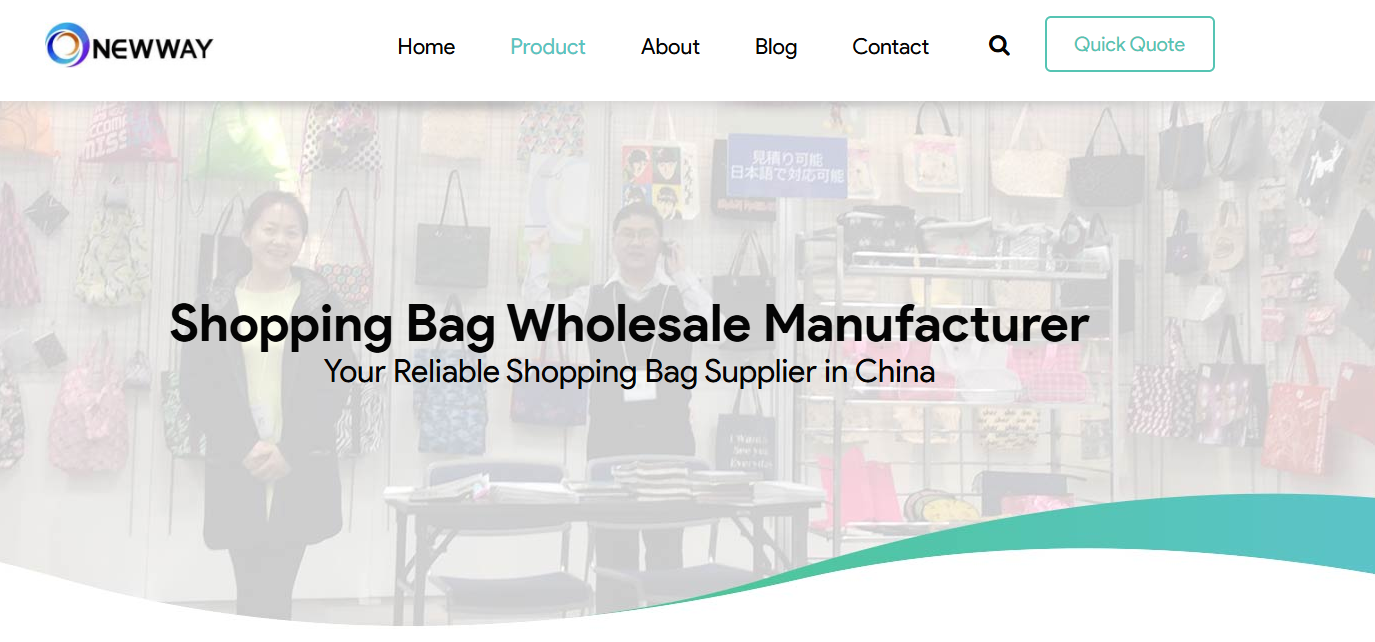
New Way Bag runs from Shandong Province, China’s top cotton-growing area. The factory sits close to Qingdao seaport for easy shipping. CEO Ms. Lucy Luo (Shiyan Luo) started the company in 2004. She first exported non-woven fabrics. Then in 2005, she opened a bag factory in Zhucheng city. This location cuts costs on raw materials and shipping.
The factory makes 500,000 pieces each month. That’s solid output. The facility has separate workshops for fabric checks, printing, sewing, and packing. In 2019, they added a new cotton bag workshop for their Japan branch.
Customization Capabilities and Production Process
New Way Bag makes custom tote bags in many styles: cotton shopping bags, canvas bags, promotional bags, beach bags, and green bags. You can customize everything – design, size, GSM weight, color, and logo spot.
Their MOQ starts at 500-1000 pieces for natural-color bags. Smaller orders cost more per unit. The custom process has five steps:
-
Send your design artwork. They’ll suggest the best printing method.
-
Pick GSM weight and choose colors from stock. Or request custom dyeing.
-
Check and approve your sample. Timeline varies based on fabric stock.
-
Mass production takes 15-35 days.
-
Each stage gets quality checks: fabric, printing, sewing, and packing.
Orient Bag Manufacturing
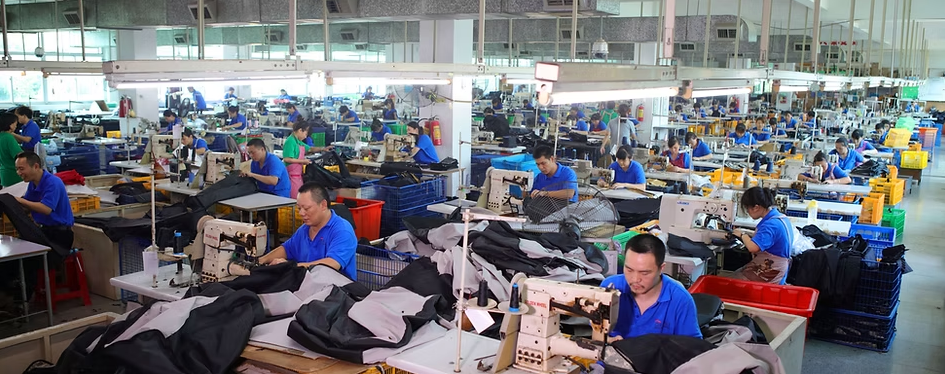
Orient Bag Manufacturing brings 40 years of bag-making expertise to Myanmar. Ricky Li started the company in 1983. Back then, he had just 50 workers in a rented Fujian facility. Now the operation covers 6 manufacturing sites across China, Cambodia, and Myanmar. Production space totals 46,000 m². Over 1,000 employees work across all locations.
The Myanmar factory opened in 2019. This was part of their regional growth plan. Multiple factory locations give clients flexible supply chains. It also reduces risk. One region faces problems? Production moves to another facility right away.
Certifications and Quality Systems
We’ve held ISO 9001 certification since 2004. Quality management happens at every production step. Our GRS certification shows we use recycled materials. BSCI and SMETA audits (Sedex 4-Pillar, SA8000) prove ethical labor practices since 2009.
Brands that require factory audits care about these credentials. Direct factory pricing keeps costs low. Compliance standards stay high. Our 700+ sewing workers deliver consistent quality at all facilities.
Kingdo Bag Factory
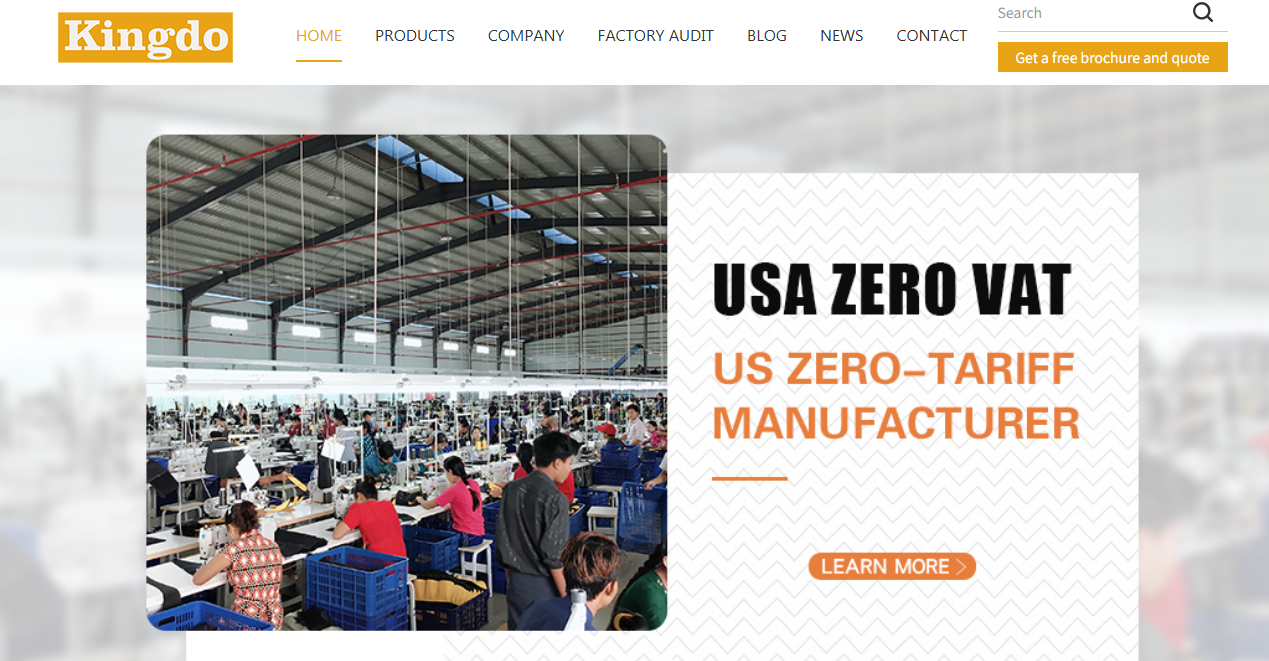
Kingdo Bag Factory has made bags for international brands since 2013. The facility produces 5,000 units each day. This volume works for both medium and large orders.
Product Range and Strategic Advantages
We make backpacks, shoulder bags, crossbody bags, and custom leather tote bags. Our products work for casual use and promotional campaigns.
Kingdo built smart ways to work with US-China trade rules. We adjust how we make things to cut import costs for American buyers. This helps brands buying custom tote bags affected by tariffs.
Production Reliability
5,000 pieces per day shows our steady output. We keep to regular production schedules. Over ten years with international clients taught us how to build quality systems and handle exports.
Tote bag production happens alongside our other bag lines. Quality control covers all products. Resources get used well across all lines. We manage busy seasons and still meet delivery dates.
Kingdo works with buyers who need reliable suppliers in Myanmar’s textile sector. Cost-effective methods are what we focus on. You get fair pricing with proven methods for custom tote bag orders.
Head Shop Tote Bag Manufacturers
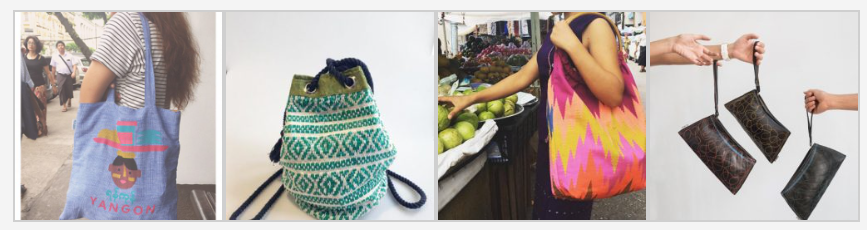
Head Shop Tote Bag stands out in Myanmar’s custom tote bag making scene. They focus on handmade work and real cultural roots. The brand runs under the madeinmyanmar platform. They make handcrafted designs that honor Myanmar’s textile history.
Unique Craftsmanship and Material Selection
Every Head Shop tote uses hand-picked Mon and Mandalay pattern longyi fabric. These traditional textiles hold centuries of Myanmar weaving know-how. Rattan handles take the place of standard cotton straps. This creates a unique feel that mass makers can’t copy.
This handmade style matches global custom tote bag market trends. Canvas and cotton lead material choices. Canvas will hold 26.70% market share through 2026-2035. Head Shop’s natural fiber approach fits right into this eco-friendly materials shift.
The colorful lining details add character. This draws specialty store buyers. These retailers control 37.38% market share in 2024. They want unique custom tote bags that set their stock apart from regular stores.
Journey Bag Myanmar Factory
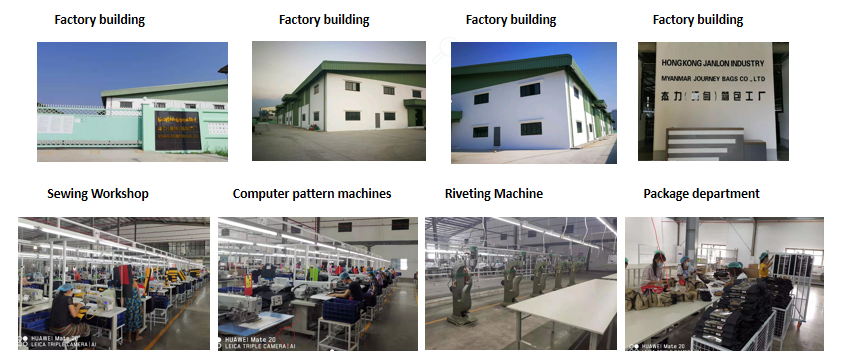
Journey Bag Myanmar Factory makes heavy-duty work gear built to survive rough conditions. They opened in 2019 at Wartayar Industrial Zone, Yangon. The facility spans 8,000㎡ and houses 10 bag production lines. What do they make? Tool tote bags, rolling tool bags, tactical bags, and outdoor gear. All use 1680D polyester—twice as thick as standard bag materials.
Quality Control and Technical Support
The factory uses TQM principles with three inspection stages: IQC (incoming), PQC (process), and FQC (final). Their in-house lab tests materials and stitching strength. All products meet REACH and CA65 standards for global markets.
Need custom tote bag designs? Journey provides full OEM/ODM leather bag support. Their engineers work with 2D/3D drawings for plastic and metal parts. They run 13 total production lines across China and Myanmar. This two-site setup gives you backup production and flexible delivery times.
Yichang Handbag (Myanmar) Co., Ltd
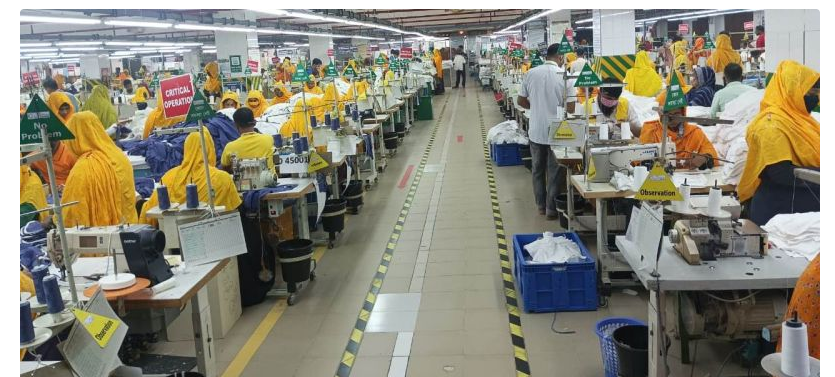
Yichang Handbag runs one of Myanmar’s largest bag factories. The 20,000㎡ facility has 800 workers and 10 production lines. They make 10-12 million bags per year. That’s big manufacturing power for Southeast Asia.
Mass Production Setup
The factory handles large orders well. Ten lines run at the same time. Each makes different bag types. You get custom tote bags, shoulder bags, and promo carriers. Retailers and distributors get steady supply here.
800 employees keep staffing stable. Big teams push through busy seasons. No delays. Output stays steady all year. They make 900,000 to 1 million pieces each month.
Planning 100,000+ custom tote bags? Yichang’s setup handles these volumes well. Production time and unit costs work for major retail campaigns.
Paparazzi Myanmar Manufacturing
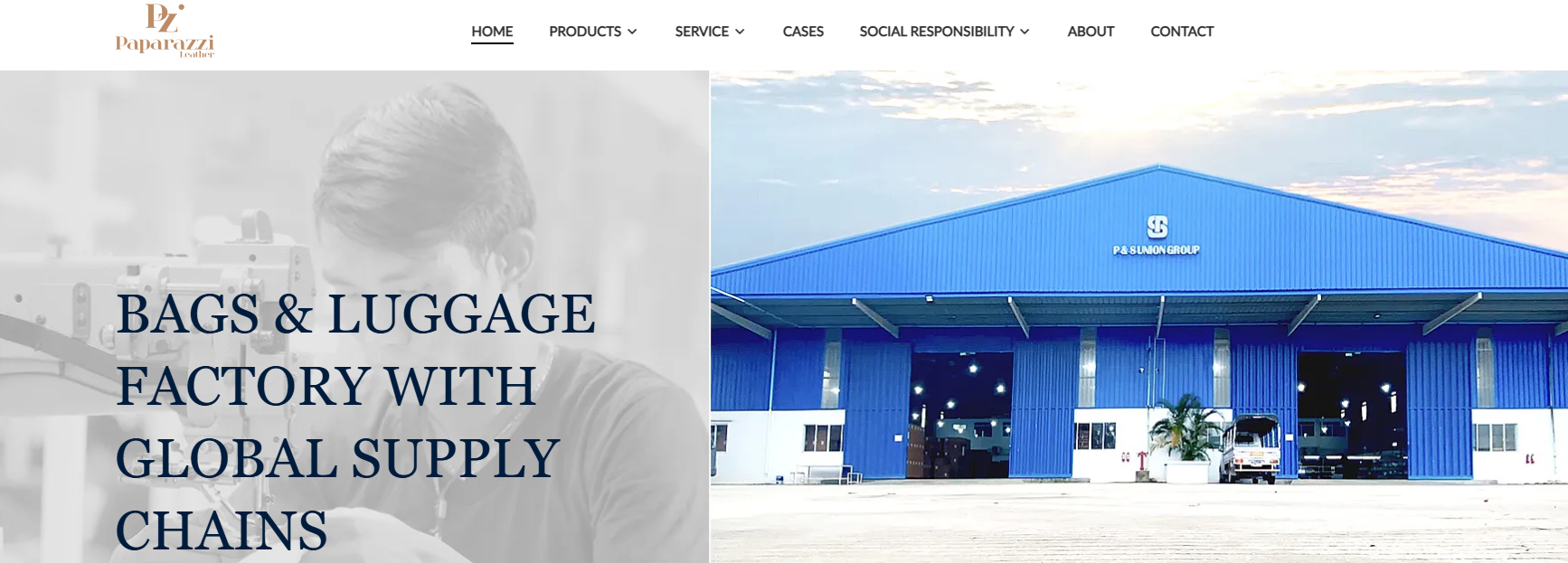
Paparazzi Myanmar Manufacturing runs a 5,000+㎡ workshop with 1,500+ skilled workers. The team focuses on woven tote bags and fashion carriers. What makes them different? They operate as both manufacturer and brand distributor. This gives them insight into retail needs from both angles.
Design Innovation and Production Flexibility
The factory drops 50 new styles each month. Fresh designs keep seasonal buyers interested. Their ODM/OEM services work with low minimum order quantities. Agents receive free samples to test how the market responds before bulk orders.
Production hits 20,000+ pieces per month. A dedicated QC team checks every batch. BSCI audit certification confirms ethical labor practices. Tax-free export status lowers landed costs for international buyers.
Market Strategy
Paparazzi partners with brand distributors who want Myanmar-origin custom tote bags manufacturer. Being both maker and distributor gives them practical knowledge. They see which designs move. They know where pricing gets tight. Their 1,500+ workforce ranks among Myanmar’s larger bag-making teams.
Woven tote handbag sets currently run US$12.50 for 50-999 piece orders. The bag factory‘s output and certifications fit mid-volume buyers who need suppliers with solid design capacity and compliance.
LeelineBags Myanmar Network Partner
LeelineBags runs factories in Guangzhou, Quanzhou, Cambodia, and Myanmar. This setup gives them production flexibility. Single-factory operations can’t do this. Their Myanmar partner links to a bigger system. Together, all sites produce 280,000 bags monthly.
Network-Based Production Model
The Myanmar facility is one part of LeelineBags’ regional production chain. This spreads risk across countries. One location hits a supply problem? Other factories cover the work right away. You get consistent delivery no matter what happens locally.
LeelineBags makes many bag types. Custom tote bags for retail and promotions are popular. The network lets them move orders between factories. This depends on capacity, lead times, or costs. Need faster turnaround? They send your order to the factory with open slots.
This spread-out production model works for brands. You can source from multiple countries instead of just one. You’re not buying from one Myanmar factory. You’re using a connected system with built-in backup production.
Why Myanmar is Becoming a Tote Bag Manufacturing Hub
Global brands are watching Myanmar’s textile manufacturing sector closely. The country offers three big advantages: cheap labor costs, growing infrastructure, and easy access to Asian markets. These factors make custom tote bag production here a smart choice.
Rapid Market Growth and Rising Demand
The numbers speak for themselves. Myanmar’s handbag imports will reach 624,000 units by 2026. That’s 3.4% annual growth from 508,000 units in 2021. Domestic demand jumped 30% since 2015. The luggage and bags sector brought in US$132.27 million in revenue during 2025. Analysts expect 8.94% CAGR growth through 2030.
The handbags and messenger bags market will hit USD 4.5 million by 2026. That segment is growing at 9.3% CAGR between 2020-2026. This growth creates steady work for custom tote bag makers. Domestic retailers benefit. Export-focused factories benefit too.
Raw Material Availability and Manufacturing Support
Myanmar’s plastics market reached 316.98 kilotons in 2024. It will grow to 410.49 kilotons by 2030 at 4.37% CAGR. This material base helps tote bag makers who use synthetic fabrics and reinforcements. The country’s farms supply natural fibers too—cotton, jute, and bamboo.
Low labor costs are Myanmar’s biggest strength. Wages run 20-30% below China and Vietnam rates. This pulls foreign money into factories. Investment keeps coming for roads, ports, and networks. Better transport means faster shipping from Yangon to buyers worldwide.
Strategic Position in Asia-Pacific’s Tote Boom
The Asia-Pacific region holds 40.1% of global tote bag market share in 2024. China handles over 50% of production. Myanmar sits right in this growth zone. You get direct access to Southeast Asian, Indian, and Chinese buyers. Plastic bag bans across the region push demand toward reusable custom tote bags. Myanmar makers can catch this wave with green alternatives.
Conclusion
Myanmar’s custom tote bag manufacturing offers real advantages for smart businesses. You get competitive pricing without sacrificing quality. The craftsmen have deep skills from traditional textile work. Plus, the location makes Asian distribution efficient.
Testing your first branded merchandise as a startup? Or scaling sustainable packaging for your established brand? The eight manufacturers we’ve explored show you what’s available in this growing hub.
Success comes from matching your needs with the right partner. Think about minimum order quantities, customization level, and delivery times. Request samples from 2-3 tote bag manufacturers that fit your budget and quality standards. Ask them detailed questions about production processes, quality control, and past client work.
Global brands now focus more on ethical sourcing and cost-effective production. Myanmar’s custom tote bag manufacturers can give you a competitive edge. Your next high-quality, sustainable tote bag solution could be just one partnership away. Why wait to explore it?