
Why Luxury Brands Need a Specialized Custom Handbag Factory (Not Just Any OEM Supplier)
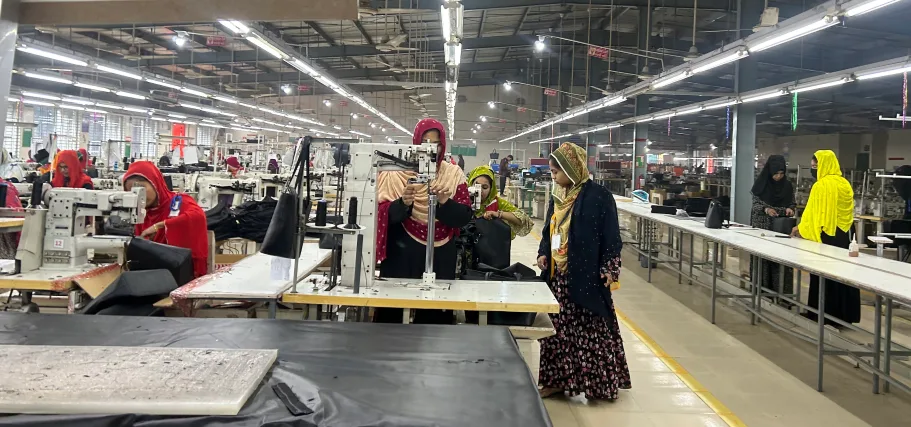
The gap between a specialized luxury handbag manufacturer and a generic OEM supplier isn’t about price. It’s about what gets built into each bag.
Four dimensions separate them — and all four hit your brand where it hurts:
-
Craft standards — luxury factories invest 15–25 hours of skilled labor per piece. Standard OEM lines run 3–8 hours. That gap shows up in stitch density, edge finishing, and how a bag holds up after 18 months of real use.
-
Material traceability — top-tier factories provide full-grain Italian leather with tannery documentation, REACH test reports, and Martindale-rated linings. Most OEM suppliers hand over a basic material spec sheet. That’s it.
-
Sample development depth — specialized factories run 3–5 iteration rounds over 4–8 weeks. That includes structural load testing up to 10 kg. Generic OEM samples focus on looks. Durability comes second.
-
IP protection — professional custom handbag factories enforce bilateral NDAs, restrict pattern room access, and assign mold ownership to your brand by contract. In a typical OEM setup, a successful silhouette moves to the next buyer. No warning. No protection.
Pick the wrong factory and the damage goes far beyond one bad production run. A quality failure rate that climbs from 3% to 10% on a 10,000-unit style can cost over US$1M in returns and markdowns — and that’s before brand damage enters the picture.
How We Evaluated These 8 Custom Handbag Factories: Our Selection Criteria
Six criteria separated the factories on this list from the hundreds that didn’t make it.
We scored every factory across the same framework — no gut feel, no brand reputation shortcuts:
-
Luxury track record — At least 5 years producing for high-end European or North American labels, with verifiable case portfolios
-
MOQ flexibility — Accepts 30–100 pcs for first production runs. Low-MOQ surcharge policies are clear upfront (+15–30% per unit is the usual range)
-
Craft execution — Stitch density control, multi-coat edge finishing, hardware salt-spray resistance, and full-grain leather traceability
-
Sampling process — 7–21 day development cycles with tech pack support. Each contract includes at least 2–3 revision rounds
-
IP protection — Bilateral NDAs, pattern room access controls, and contract clauses that block the factory from producing similar styles for your direct competitors
-
Certifications — REACH compliance, ISO 9001 or third-party audits (SGS/BV), plus ethical production practices
We included both European and Asian factories on purpose. The reason is practical. European manufacturers are strong for image-driven limited runs. Asian factories work better for core volume SKUs where cost structure matters more. Knowing which factory fits which scenario — that’s the real decision this guide helps you make.
#1 Italian Shoe Factory — Low-MOQ Luxury Handbag Production with Italian Craftsmanship Standards
Location: Dubai, UAE | MOQ: No minimum (1 piece) | Experience: 25+ years | Best For: Emerging luxury labels, corporate gifting, independent designers
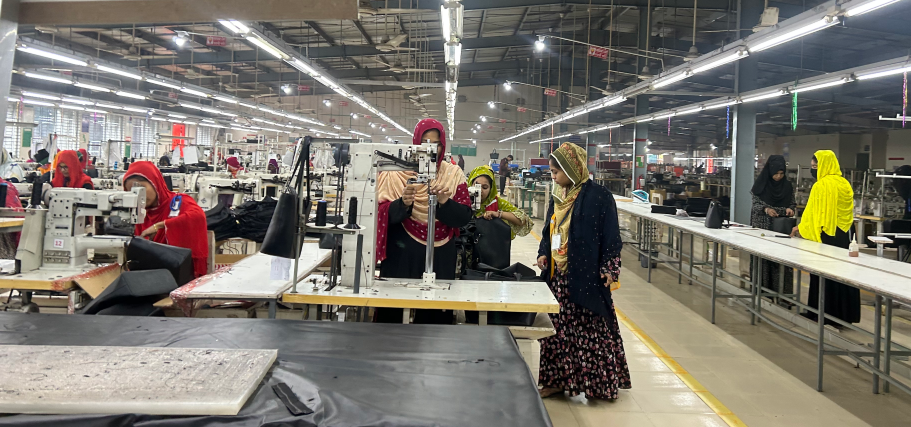
Most Italian-standard workshops want 50–150 pieces per style before they’ll take your project. Italian Shoe Factory works on a different model: no MOQ, on-demand production, starting from a single piece.
The factory is based in Dubai. It follows Italian craftsmanship methods — multi-step hand-stitching, edge finishing, and full leather refinement. You get that same quality without paying for an Italian address.
What this means for your cash flow:
|
Production Model |
MOQ |
Unit Price (est.) |
First-Run Capital |
|---|---|---|---|
|
Traditional Italian factory |
100 pcs |
€200 |
~€20,000 |
|
Italian Shoe Factory |
10 pcs |
€220–250 |
~€2,200–2,500 |
That’s 80–90% less capital tied up in untested inventory. For brands still testing styles, that’s a real financial edge.
Core capabilities:
– Custom handbags, leather goods, and footwear (men’s, women’s, dress, loafers)
– Handbag restoration and leather care services — this shows genuine structural know-how
– Private label and corporate gifting programs
– Sampling turnaround: 2–4 weeks standard; reorder lead time 3–6 weeks
One critical limitation: Production happens in the UAE, not Italy. Finished goods carry a “Made in UAE” origin label — not “Made in Italy.” Brands that need certified Italian provenance for luxury retail or heritage storytelling can’t use this factory for that. Position it around Italian craftsmanship standards, not Italian geography.
Best fit: Founders testing 6–10 styles on a €20,000 budget. Corporate buyers who need 50–300 branded leather pieces with set delivery windows. Designers who put craft quality ahead of country-of-origin labels.
#2 Luxury Leather (Italy) — Authentic Made-in-Italy Handbag Manufacturer for Emerging Luxury Labels
Location: Italy | MOQ: ~30–50 pcs (bulk) | Sampling: 1–5 pcs | Best For: Emerging luxury labels that need end-to-end Italian manufacturing with a legitimate “Made in Italy” origin label
“Made in Italy” isn’t just a label. In the accessible luxury segment, it’s a pricing tool. It commands a 20–50% retail premium over comparable non-Italian production. Luxury Leather gives you that advantage — Italian design, sourcing, and production all under one roof. Your brand gets to use that label with full legitimacy.
What they handle end-to-end:
– Design development and tech pack refinement
– Leather sourcing from Italian tanning districts (Tuscany, Veneto)
– Hardware selection and accessories procurement
– Final production with precision stitching (5–7 stitches/cm on visible seams), multi-coat edge finishing, and quality hardware plating (≥0.5 μm)
MOQ and sampling reality for small labels:
|
Stage |
Quantity |
Lead Time |
|---|---|---|
|
First prototype |
1–5 pcs |
3–6 weeks post tech pack |
|
Corrections round |
1–2 iterations |
+2–4 weeks |
|
Bulk production |
30–50 pcs/style |
6–10 weeks |
Best fit: Growing labels that want one Italian partner — not a platform, not a network. You get design, materials, and production managed together in one place. So your Made-in-Italy positioning is real from day one, not something you retrofit later.
#3 Loipell (Florence, Italy) — Small-Batch Luxury Handbag Production from the Scandicci Cluster
Location: Florence, Italy (Scandicci cluster) | Founded: 1993 | MOQ: 30–50 pcs (micro-runs from 20 pcs negotiable) | Best For: Luxury labels that need authentic Florentine provenance and small-batch production flexibility
Gucci and Salvatore Ferragamo both manufacture within the Florence–Scandicci leather cluster. Loipell works in the same area — and has done so for over 30 years.
That location matters. Your brand gets a real, specific story: “Handcrafted in Florence, Tuscany” — not just “Made in Italy.”
Production and pricing benchmarks:
|
Tier |
Batch Size |
Ex-Factory Price |
Retail Target |
|---|---|---|---|
|
Entry luxury |
50–100 pcs |
€80–€150/unit |
€350–€700 |
|
Core luxury |
80–200 pcs |
€150–€300/unit |
€800–€2,000 |
|
High-complexity / exotic |
20–50 pcs |
€300–€600+/unit |
€2,000–€5,000+ |
Timeline from concept to warehouse: 9–18 weeks. Budget €200–€600 per style for sampling.
Best fit: Brands that want Florence-specific craft heritage built into their product story — not just an Italian address on a label.
#4 Italian Artisan — Italy’s Manufacturer Network Platform for Premium Leather Handbag Sourcing
Location: Italy (network across multiple regions) | MOQ: 50–150 pcs/style | Best For: Emerging luxury labels that need “Made in Italy” sourcing without an existing Italian supplier network
Italian Artisan works differently from every other factory on this list. It’s not a single workshop. It’s a manufacturer network platform and production management partner that connects brands to vetted Italian leather goods factories across the country.
One contact. Multiple specialized factories. Full production management — all handled for you.
How the matching process works:
Submit your brief — product category, target retail price, estimated quantity, and design complexity. Italian Artisan screens its factory network, then returns a shortlist of 2–3 matched manufacturers within 1–2 weeks. On your own, factory scouting in Italy takes 4–6 weeks of on-the-ground visits. This platform cuts that time in half.
What’s covered under production management:
– Mid-production QC checks across cutting, stitching, and finishing stages
– English/Italian technical documentation and BOM management, all standardized
– Consolidated logistics, customs documents, and “Made in Italy” certification paperwork
Best fit: Brands carrying 2–10 leather handbag styles, targeting €250–€1,500 retail, who need real Italian provenance but have no existing Italian supplier relationships. This setup works well for independent designers running collections with varied styles — bucket bags, crossbody, totes, evening clutches — where each style benefits from a factory that specializes in it.
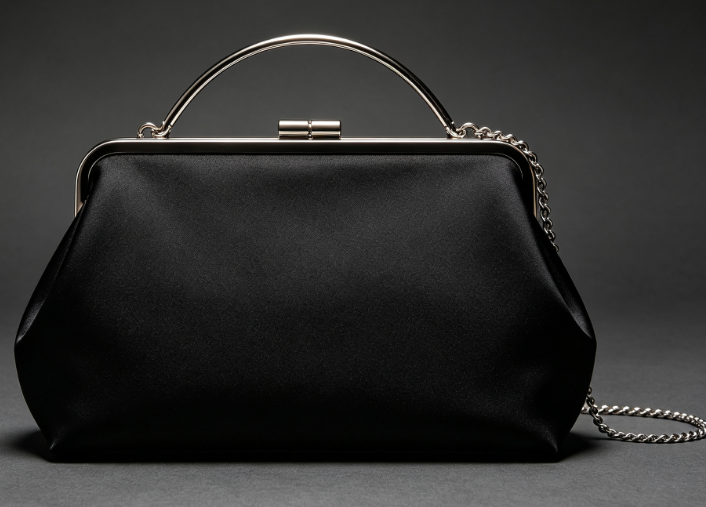
One risk to manage: Multi-factory production can create quality consistency gaps. Stitch tension, edge finishing, and hardware installation standards may vary across workshops. Set a unified QC checklist with clear tolerances — dimensional variance ±1–2mm, color difference ΔE* controls — before production starts.
#5 Nobrand Custom (China) — OEM/ODM Handbag Factory for Affordable Luxury & Private Label Brands
Location: China | MOQ: 100–300 pcs/style | Best For: DTC brands, private label labels, and contemporary designers targeting USD 89–250 retail
Nobrand Custom fills a gap Italian factories simply can’t. You get high-quality production at a price that keeps your margins healthy.
Their model runs on pre-designed, customizable base patterns — totes, crossbodies, backpacks, and small leather goods. You pick a base, then add your materials, colors, logo, and hardware. No starting from zero. Development time drops to 4–8 weeks. Compare that to 3–6 months for custom-from-scratch production.
Where they sit in the market:
|
Tier |
Ex-Factory Cost |
Retail Target |
|---|---|---|
|
Fast fashion |
USD 3–8 |
USD 29–59 |
|
Nobrand Custom |
USD 12–35 |
USD 89–250 |
|
True luxury |
USD 60+ |
USD 600+ |
Material and branding capabilities:
– Vegan PU (0.8–1.4 mm), genuine leather, and recycled RPET linings for eco-focused lines
– Logo options: deboss/emboss, metal plates (MOQ 500–1,000 pcs), custom zipper pullers
– Hardware salt-spray resistance: 24–72 hours — higher than the low-cost mass market standard
Best fit:
– DTC Shopify brands with a sustainability story to tell
– Contemporary labels building 5–15 SKU collections on a tight budget
– Regional chains that need wide SKU variety — 30–80 SKUs from just 10–20 base patterns — without paying for unique tooling on every style
#6 B.S. Bag Factory (Guangzhou, China) — Full-Service OEM/ODM Handbag Manufacturer with Flexible MOQ
Location: Guangzhou, China | MOQ: 50 pcs/style | Capacity: 150,000 units/month | Best For: Emerging and mid-size brands needing flexible small-batch OEM/ODM production without inflated China minimums
117 workers. 7 production lines. Their MOQ starts at 50 pieces per style. That’s well below the 300–500 pcs floor most Guangzhou factories hold firm on.
B.S. Bag Factory runs the full production chain. You get handbags, backpacks, shoulder bags, clutches, wallets, and leather gifts. Materials span genuine leather, vegan leather, canvas, and nylon. The factory handles both OEM (build-to-spec) and ODM (co-development) orders.
What makes Guangzhou the advantage here:
Being inside Guangzhou’s hardware and materials cluster cuts your development timeline down fast. Standard hardware arrives from local vendors in 3–7 days. Material selection for most PU and leather options wraps up in under a week. Total development — from tech pack to pre-bulk sample sign-off — lands at 3–4 weeks. Compare that to 5–7 weeks from factories outside the cluster.
Production lead times (post-PP sample approval):
|
Order Type |
Volume |
Lead Time |
|---|---|---|
|
PU/canvas bags |
300–1,500 pcs |
30–45 days |
|
Genuine leather + custom hardware |
300–1,500 pcs |
45–60 days |
|
Rush / simple designs |
50–100 pcs |
≤30 days |
Best fit: This works well for brands running 50–300 pcs test drops, seasonal capsule collections, or multi-SKU wholesale programs. You get a full-service partner — sampling, QC, packaging, and global shipping — all in one place. No 500-piece wall blocking every new style you want to launch.
#7 Autron Industry (Guangzhou, China) — Luxury-Grade Handbag OEM Manufacturer Bridging Quality and Asian Cost Efficiency
Autron Industry started in 2007. They carved out a clear spot in Guangzhou’s manufacturing scene — premium and luxury handbag production with a sustainability focus. The factory runs out of Huadu District with 201–500 employees. Their positioning targets brands that want luxury-grade aesthetics at Asian cost efficiency, and they have the technical depth to support that claim.
What sets them apart from other China factories on this list? The focus on recycled, organic, and sustainable materials. Brands building an eco-conscious luxury story will find that material angle carries real commercial value.
What to verify before committing:
Autron’s “luxury-grade” positioning has no disclosed specs to back it up yet. Before you treat them as a true luxury OEM, request these documents:
-
Leather traceability records (tannery origin + compliance)
-
Hardware BOM with alloy type and plating thickness
-
Construction spec sheet covering hand-stitch zones and edge-paint process
-
Sample-to-bulk consistency controls and AQL inspection standards
These documents tell you whether their production process actually matches their positioning. Skip this step, and you risk a quality gap between samples and bulk orders.
Best fit: Premium private-label brands with detailed tech packs. Works best for those who put sustainable material storytelling ahead of low-MOQ flexibility.
#8 Vietnam Bag Factory — Cost-Competitive Leather Handbag Manufacturing for Margin-Conscious Luxury Brands
Vietnam’s average manufacturing wage sits at USD 220/month — about 40% of China’s USD 540. That gap lands straight into margin points on every unit you ship.
For a retail-priced USD 600–800 bag, moving production from China to Vietnam cuts your FOB cost from USD 60–80 down to USD 48–68 per unit. That’s a 3–5 percentage point gross margin gain. Enough to absorb a discount season, cover KOL commissions, or cushion tariff exposure — all without touching your retail price.
What Vietnam handles well:
Vietnam’s top factories run CNC cutting beds, CAD pattern systems, and computer-guided stitching lines. Structural tolerances hold at ±1–2mm — solid for most accessible luxury and contemporary labels. Mid-complexity builds are well within reach too. Think 20–40 panel constructions, partial hand-stitching, and oil-edge finishing.
Best product fit for Vietnam production:
|
Retail Price |
Product Type |
Vietnam Verdict |
|---|---|---|
|
USD 250–900 |
Totes, camera bags, crossbodies, hobos |
✅ Strong fit |
|
USD 1,000–1,500 |
Entry luxury with tighter QC requirements |
⚠️ Pilot with top-tier BSCI-certified factories |
|
USD 2,000+ |
Full hand-stitched, complex structured styles |
❌ Keep in Europe |
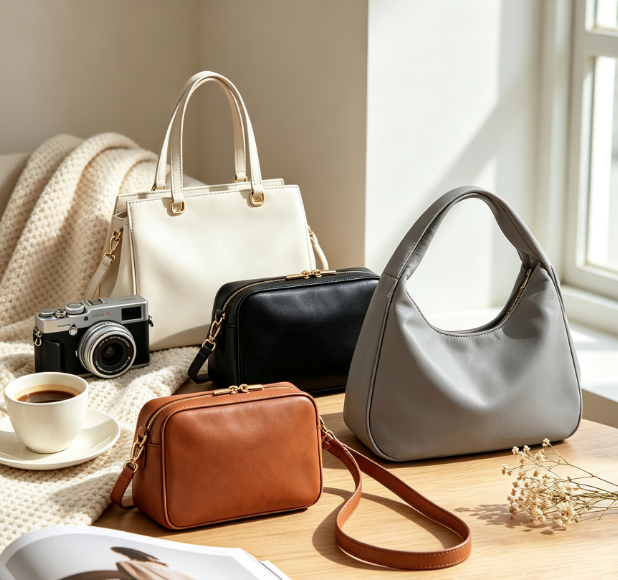
Certifications to expect from serious Vietnam factories: BSCI, SMETA/Sedex, ISO 9001. About 60–70% of factories serving Western brands hold at least one. Top-tier suppliers carry BSCI + ISO 9001 together. Full REACH chemical testing chains come standard at that level.
One supply chain reality to plan around: Vietnam sources 50–70% of its hardware, zippers, and premium leather from China. Lead times run 60–90 days on first orders — longer than comparable China factories. Build that buffer into your calendar now, not later.
The practical margin strategy: Route your core-volume SKUs (5,000–20,000 units/year) through Vietnam. Keep image-defining limited runs in Italy. Same retail price. Seven-plus margin points freed up.
European vs Asian Handbag Manufacturing: The Definitive Comparison for Luxury Brands
Six dimensions. Two manufacturing worlds. The numbers below show you where each region wins — and where it falls short.
Cost Structure: Where the Margin Math Lives
Labor is the sharpest dividing line. For a hand-stitched leather evening bag, European labor costs USD 50 per piece. Asian labor on the same build: around USD 20. That’s a USD 30 gap per unit — before materials, overhead, or logistics.
Materials widen the gap further. European vegetable-tanned and French calfskin leathers run USD 25–40+ per square foot. Asian synthetic leather sits below USD 5–8 per square foot.
This isn’t a quality judgment. It’s a pricing band decision:
|
Retail Price Band |
Practical Manufacturing Strategy |
|---|---|
|
USD 200–600 |
Asian production for core volume; European capsule for brand signaling |
|
USD 600–1,500 |
Asian assembly with European leather; complex or limited styles stay in Europe |
|
USD 2,000+ |
Full European production to defend pricing power and “Made in Italy/France” positioning |
The BOM target stays consistent across both regions: 15–25% of retail price for materials plus labor. Asian factories hit that number with less strain at lower retail price points.
Craft Standards: What Each Region Does Well
Europe’s advantage is specific, not universal. Ultra-high-end construction belongs in European ateliers. Think hand saddle-stitching at consistent needle density, complex multi-cavity structured builds on full-grain calfskin, and leather selection where 2–3 hides get rejected per finished bag. That’s the USD 1,500 and above tier. At USD 2,500–3,000+, European production becomes close to non-negotiable for heirloom-level quality.
Asian factories — China’s Guangzhou and Dongguan clusters in particular — lead on speed, scale, and industrial precision. Tolerances hold at ±1–2mm for mid-complexity builds. Camera bags, totes, bucket bags, structured crossbodies with partial hand-stitching: all within solid reach.
The industry consensus breaks down like this:
-
USD 0–1,000 retail: Asian factories handle most builds without quality compromise
-
USD 1,000–2,500: Top-tier stitch precision and long-term shape retention start favoring European lines
-
USD 2,500+: European atelier systems remain the benchmark for consistent production quality
MOQ Reality: Who Can Work With Your Order Size
|
Region |
Factory Type |
Typical MOQ |
|---|---|---|
|
Italy / Spain |
Small atelier |
30–100 pcs/style (10–30 pcs negotiable for development, with +100–300 EUR/unit premium) |
|
Italy / Spain |
Mid-size factory |
100–300 pcs/style |
|
China |
Large factory |
300–500 pcs/style |
|
Vietnam / Cambodia |
OEM-focused |
300–1,000 pcs/style |
The smart strategy: test in Europe, scale in Asia. Run your first 30–100 pieces through an Italian or Spanish atelier. Once the style proves out, transfer the production-ready tech pack to a China or Vietnam factory at 300–1,000 pcs. Unit cost drops fast. The craft story from your development phase stays intact.
Lead Times: Speed vs. Craft Depth
Asia pulls ahead on development speed. Chinese and Vietnamese factories deliver first samples in 2–4 weeks when the BOM lines up with existing material stock. European ateliers on complex structured styles need 6–12 weeks for a full development cycle — multiple prototype rounds, leather testing, structural load checks.
Bulk production tells the same story:
-
Asian factories: 30–60 days post-sample approval (excluding ocean freight)
-
European ateliers: Output measured in hundreds to low thousands of units per month; peak-season scheduling can push lead times to 3–6 months
High-frequency product drops and seasonal restocks belong in Asia. Classic carry-over styles and high-ticket limited runs can absorb European lead times — and the wait feeds the scarcity narrative.
IP Protection: The Real Risk Map
Europe’s legal setup is clear. EU trademark, design rights, and customs enforcement are mature and well-tested. “Made in Italy” and “Made in France” labels carry legal weight. Misrepresenting origin on finished goods creates real legal exposure for both brands and factories.
Asia’s IP environment needs active management. China produces 60% of global handbag volume — and is also the main source of unauthorized replicas. The risks are concrete: pattern leakage, overrun units entering gray markets, hardware molds shared across multiple clients.
Practical steps to protect yourself:
– Keep critical pattern files, logo tooling, and hardware molds at your European headquarters. Asian factories get production-spec drawings only — no master files
– Split production across factories: shell at Factory A, lining at Factory B, final assembly and labeling done in Europe
– Add contract clauses that stop factories from keeping leftover materials or molds. Back those clauses with scheduled third-party audits
Sustainability: Compliance as a Sourcing Filter
European factories run under strict regulatory rules. REACH controls chemical use across the tanning and finishing process. EU labor law sets working hours, safety standards, and wage floors. For brands selling to ESG-focused wholesale buyers or retail channels with supplier code requirements, European production clears most compliance checks without extra audit costs.
Asian factories — especially those serving Western brands in Vietnam and China — have raised their standards. BSCI, SMETA/Sedex, and ISO 9001 certifications are common at serious OEM suppliers. But the compliance responsibility stays with you. Request certification documentation upfront — not after sampling starts.
The decision in one line: Send image-defining limited runs and ultra-high-ticket builds through Europe. Push proven, margin-sensitive core SKUs through Asia. That split — not a single-region commitment — is how serious luxury brands build a supply chain that holds up under real commercial pressure.
Which Region Is Right for Your Luxury Brand? A Strategic Decision Framework
Three variables drive your answer: your price band, your annual volume per SKU, and where your customers buy.
Get all three right. Your regional sourcing decision becomes clear. Miss one, and you’ll either overpay for Italian craftsmanship your customer can’t justify — or undercut your own brand story with Asian production that doesn’t match the price tag.
The Decision Matrix
|
Price Band |
Annual Volume |
Primary Market |
Recommended Region |
|---|---|---|---|
|
Entry Luxury (€300–€800) |
<2,000 pcs/SKU |
EU/US 60%+ |
Southern Europe (Italy/Spain/Portugal) |
|
Entry Luxury (€300–€800) |
2,000–10,000 pcs/SKU |
Asia-Pacific 50%+ |
China/Vietnam core + Italian capsule flagship |
|
Core Luxury (€800–€3,000) |
<1,000 pcs/SKU |
EU premium retail |
Italy/France (MOQ 30–50 pcs) |
|
Core Luxury (€800–€3,000) |
1,000–5,000 pcs/SKU |
Global balanced |
Hybrid: Europe for hero SKUs, Asia for volume |
|
Ultra Luxury (€3,000+) |
<500 pcs/SKU |
Global |
France/Italy only — full traceability required |
Add One More Filter: Narrative Weight
Before finalizing any regional decision, assign each SKU a narrative weight score:
-
High narrative weight — campaign hero images, KOL flagship pieces, storefront window displays → European production
-
Medium narrative weight — core repeat sellers, wholesale basics → Europe or Eastern Europe as primary; Asia for select components
-
Low narrative weight — accessories, cardholders, nylon totes, logo strap lines → Asian high-capacity factories with strict AQL controls
This filter stops the most common sourcing mistake luxury brands make. That mistake is routing every SKU through one region because it’s simpler to manage. You end up paying for it through margin erosion or brand dilution — or both.
The Hybrid Model That Works
Most serious luxury brands already run a split supply chain. The logic holds across brands at every scale:
-
Flagship lines (classic structured bags, signature silhouettes) stay in France or Italy. “Made in Italy/France” locks in the brand’s heritage positioning. It also supports 10–30% price premiums over equivalent Asian-made products.
-
Volume lines (accessories, diffusion styles, seasonal basics) move to China, Vietnam, or Eastern Europe. This cuts unit manufacturing costs 30–60% versus Western Europe. Your flagship story stays untouched.
Brands running this model report overall production costs reduced by 25–35%. ESG reporting covers carbon footprint and labor standards across all regions. That keeps brand credibility solid with wholesale partners and retail buyers.
Eastern Europe — Poland, Romania, Bulgaria — is a strong middle option worth considering. Costs run 20–40% below Western Europe. The “Made in EU” label still carries regulatory and market trust value. For Core Luxury volume lines that need European origin without Italian price tags, it’s a practical bridge.
The decision isn’t Europe or Asia. Figure out which SKUs belong where. Then build a supply chain that runs both — without compromising either.
Factory Audit Checklist: 12 Questions to Ask Before Signing Any Custom Handbag Manufacturing Contract
Most sourcing mistakes don’t happen during production. They happen before the contract is signed.
Use these 12 questions to cut through factory sales pitches. Each one pulls out the information that protects your brand.
Luxury Experience & Client Structure
-
“Can you share 3+ completed samples in full-grain or calf leather — stitching, hardware, and edge finishing included?”
Look for 3–5 years supplying Western luxury labels. The largest single client should be under 60% of their revenue. -
“What’s your sampling turnaround from a complete tech pack?”
Standard builds take 7–10 days. Complex structured styles run 10–20 days. Every revision needs a written change log and a signed Approved Sample document. -
“What’s your MOQ and price ladder at 100/300/500 pcs?”
Expect a 5–10% unit cost reduction at 300 pcs and 10–15% at 500 pcs. -
“Who are your primary leather suppliers — and can you provide tannery origin, batch numbers, and a valid REACH or Prop 65 test report?”
-
“Do you own your hardware molds, or source from a fixed partner?”
Standard tooling lead time is 10–20 days. MOQ runs 1,000–3,000 pcs per design. -
“Walk me through your in-line QC checkpoints.”
A solid factory runs at least 4 checkpoints: incoming materials, cutting, stitching, and final inspection. The final AQL standard should fall between 1.0–2.5. Zero tolerance on structural defects. -
“What certifications are current — ISO 9001, BSCI, SEDEX?”
Check that each certificate covers handbag or leather goods production directly. A general manufacturing cert doesn’t count. -
“What’s your on-time delivery rate over the last 12 months, and can you show me 3 shipping records to verify?”
-
“Does your NDA cover pattern files, molds, and hardware tooling — and what happens to them if we stop working together?”
-
“How do you handle mid-production change requests after materials are already ordered?”
A real answer includes a written SOP, version control, and a clear cost allocation policy — not a vague verbal promise. -
“What’s your peak output for comparable leather handbag styles?”
Reliable luxury-grade factories run 5,000–20,000 units/month on similar SKUs. -
“Can I see your most recent third-party audit report — social compliance section included?”
Any factory that stalls on questions 4, 6, or 9 is giving you a signal. Pay attention to that signal before you sign anything.
FAQ: Custom Handbag Factories for Luxury Brands
Q: Can Asian factories produce luxury-quality handbags?
Yes — and major brands already count on them. Coach, Michael Kors, and select Prada and Saint Laurent lines are made in China. Luxury quality isn’t about geography. It comes down to leather grade, stitch density, handwork ratio, and quality control. Top Chinese and Vietnamese factories hold ISO 9001 certification. They work with full-grain calfskin and lambskin. They also run laser cutting with hand oil-edge finishing. That’s the same technical standard you’ll find in many European lines.
Q: What MOQ should a startup luxury brand expect?
It depends on the region and factory type:
|
Factory Type |
Typical MOQ |
|---|---|
|
Italian / Spanish small atelier |
20–50 pcs/style |
|
UK Somerset workshops |
10–30 pcs/style |
|
China premium OEM lines |
50–100 pcs/style (negotiable) |
|
China / Vietnam mid-size factory |
300–500 pcs/style |
Testing 3–5 styles as an early-stage brand? Italian or Spanish workshops are your easiest starting point. Unit costs run higher, but your total capital commitment stays low.
Q: How do I balance quality and cost as my brand scales?
Build a two-tier supply chain. At launch, keep production in high-craft European workshops. Run small batches. Keep your style count tight. Use limited editions, numbered pieces, or custom colorways to support the price premium.
Once your core SKUs prove out, move volume production to a China or Vietnam OEM partner. Same leather grade. Simplified construction. You’re looking at 30–60% lower unit cost. Your flagship line stays in Europe. Your high-volume repeaters shift to Asia. That split lets serious luxury brands protect both their brand story and their P&L at the same time.
Q: Is “Made in Italy” a legal requirement to charge luxury prices?
No — but it carries real commercial weight. In the accessible luxury segment, Italian origin supports a 20–50% retail premium over comparable non-Italian production. If heritage storytelling drives your conversions, that label matters. But if design, material quality, and community drive your buyers, Asian production with full-grain leather and verified craftsmanship can hold a luxury position — no European address needed.
Work With a Luxury-Grade Custom Handbag Factory That Gets Your Brand
The right factory doesn’t just build your bag. It protects your brand.
Sunteam sources leather from Yankee, an LWG-certified supplier. You get full traceability, responsible sourcing, and clear documentation. Every order includes Pantone color matching, hardware customization, branded linings, dust bags, and packaging. MOQ is flexible — whether you’re an emerging label or an established brand.
How it works:
-
Submit your design brief, target price, and quantity
-
Our team reviews your needs and sends material and construction recommendations
-
You get a sample and a clear quotation plan
-
Confirm your logo, lining, hardware, and packaging details
Ready to start? Share your specs with a custom handbag factory focused on private label handbag production — one that won’t cut corners on quality.
[Submit Your Custom Handbag Request →]