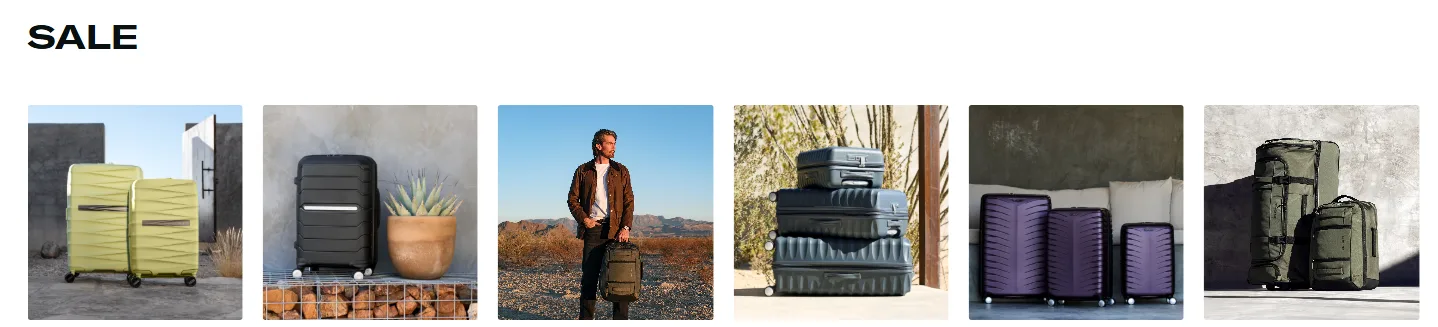
You know that sinking feeling at baggage claim? Your suitcase comes down the belt looking beaten up. Or your laptop bag’s strap breaks right in the middle of your trip.
Australian travelers who fly often need bags that can take a beating. You need more than just good looks. Your bag must survive rough handling at check-in. It needs smart pockets to get through security fast. Plus, it can’t be too heavy before you even pack anything.
Maybe you fly from Melbourne to Sydney each week for work. Or you head to Southeast Asia a few times a year from Perth. Either way, this guide covers the top 6 travel bag brands in Australia for frequent travelers. You’ll find Australian brands like July and Bellroy here. We also cover global names like Samsonite and Antler.
Most importantly, you’ll learn which features make a bag worth buying. This helps you avoid wasting money on something that won’t last.
July (Australian Brand)
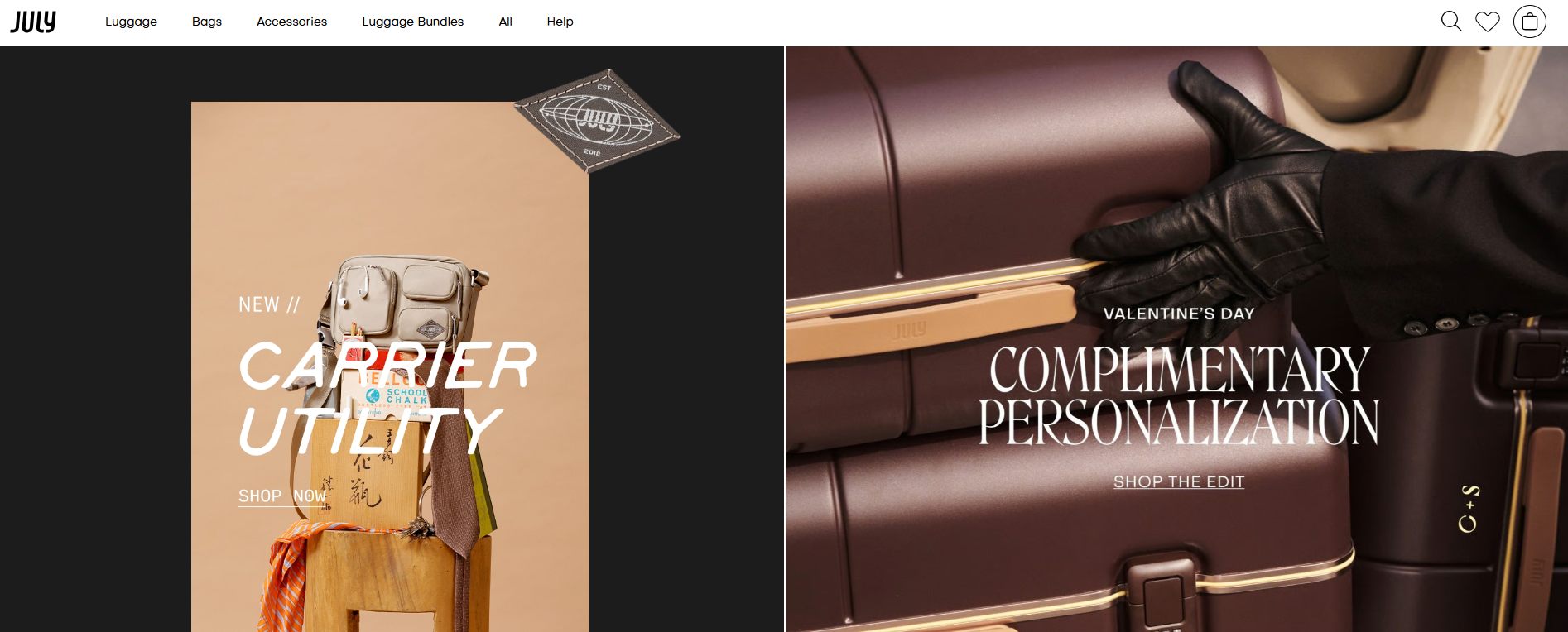
July started in Melbourne in 2019 and has quickly become one of the most recognized Australian Travel Bag Brands. The brand grew into one of Australia’s fastest-growing luggage companies as travel demand returned after COVID restrictions ended. Since then, the company has expanded to four times its original size.
Today, July operates nine physical stores across Australia and runs a strong direct-to-consumer model. Through this global retail strategy, the Australian Travel Bag Brands label now reaches key markets including the United States, New Zealand, the United Kingdom, and Singapore.
Why Frequent Travelers Pick July
The brand solved real travel problems. Pretty suitcases weren’t enough. Their handles adjust to any height. Most brands give you just three standard settings. This makes a difference. You’re rushing through airports week after week.
July redesigned their wheels. These wheels are larger than typical luggage wheels. The company focused on snowy U.S. states. Standard wheels get stuck in slush and snow. Australian travelers heading to winter destinations see the difference right away.
Market Performance and Growth
The numbers show impressive results. July’s U.S. sales jumped 400% between 2021 and 2024. Their American market now makes up 30-35% of total revenue. This is up from just 10-20% in their first year. The company expects this could reach 50-70% as they keep growing.
Business growth runs above 50% year-over-year. July has raised $7.42 million across four funding rounds. Their latest round closed in August 2022.
Product Range and Recognition
July stocks over 400 SKUs, including all color variations and limited editions. Their wide color range sets them apart, while many competitors stick to black, navy, and grey. This variety helps position July as one of the Top Travel Bag Companies In Australia.
The brand has earned major recognition, securing a deal to provide luggage to all Australian Olympic athletes. This partnership demonstrates their quality and adherence to the highest standards of international travel.
The Australian luggage market is growing, with projections rising from USD 1.54 billion in 2024 to USD 3.57 billion by 2033—an 8.80% annual growth rate. July competes with established names like Gucci, American Tourister, and Mimco.
Antler (Premium British Heritage)
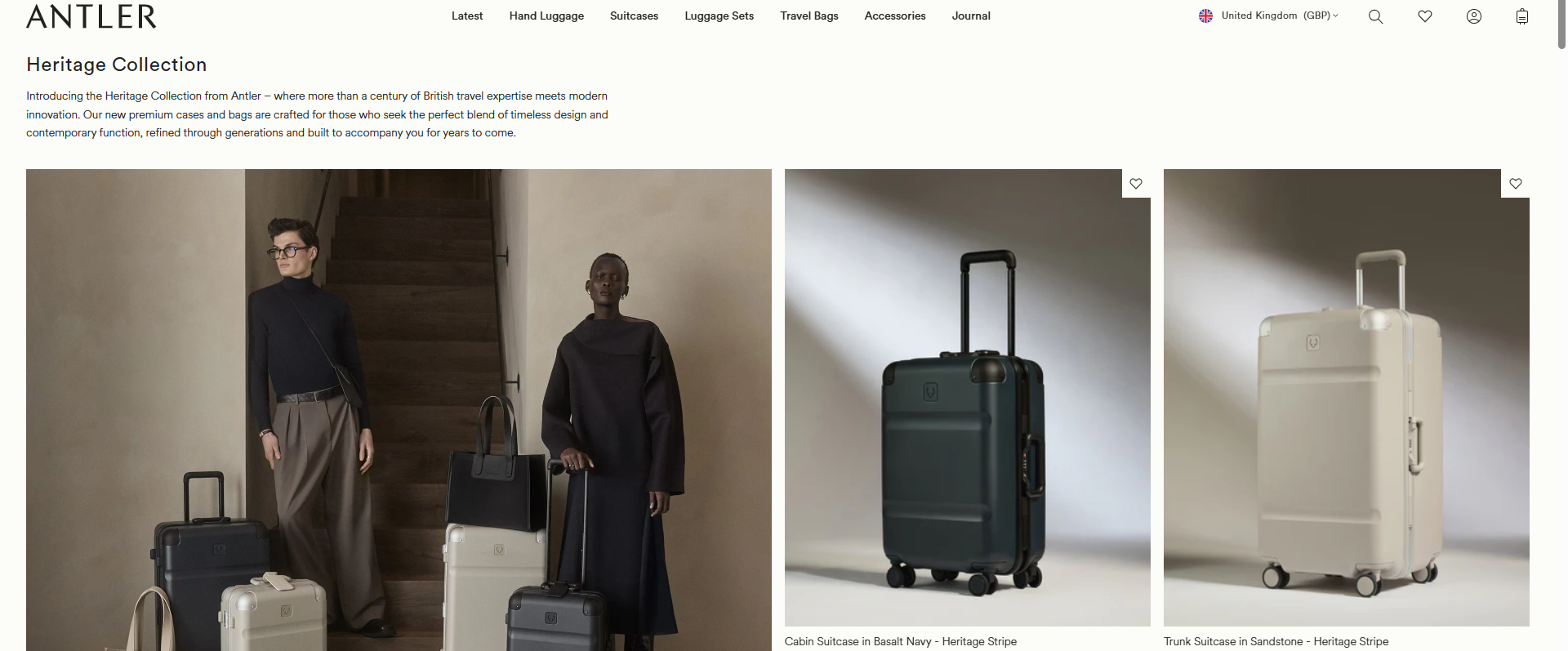
Antler has made luggage for over 100 years. This British brand takes pride in its 100-year legacy of making quality Leather Travel Bags Australia. Australian travelers who fly often can grab the Juno collection at big discounts, with current sales cutting 40-50% off regular prices on many models.
The Juno Collection for Different Trip Lengths
The Juno range has a bag for every trip. The expandable carry-on measures 35 x 56 x 25.5 cm. It fits overhead bins easily. You pay $150 during sales, down from the $300 RRP. The medium suitcase works great for week-long trips. Black versions cost $160 instead of $320. Navy colors stay at full price.
The Juno Large works best for long trips. This model holds 115 liters in its base size. The expander zip bumps it up to 124 liters. Some tests show it can reach 143 liters when expanded all the way. It measures 53 x 79 x 33 cm with wheels. At 4.4-4.6kg, it stays light despite the tough polypropylene shell.
Smart Design Features That Matter
Antler fixed the scratch problem. Their color-fast tech makes damage blend into the shell. Scratches don’t show white marks on dark bags. Your bag looks good trip after trip.
The nesting design saves space at home. Each size tucks inside the next bigger one. TSA combination locks come standard. Dividers inside keep your clothes neat. The expander zip gives you 9 liters more space for souvenirs on the way back.
Real-World Testing Results
CHOICE put the Juno Large through tough tests. They dropped bags 300 times with a 15kg load. Three different people wheeled the suitcases over grass, carpet, stairs, and roads. Drop testing counts for 60% of the score. Stability, rain resistance, and puncture tests make up the other 40%.
Antler offers a lifetime warranty on all products. They say every case should last a lifetime. You get free standard delivery on all luggage orders. Returns are easy within 28 days. The company picks up from your house at no cost.
Samsonite (Global Industry Leader)
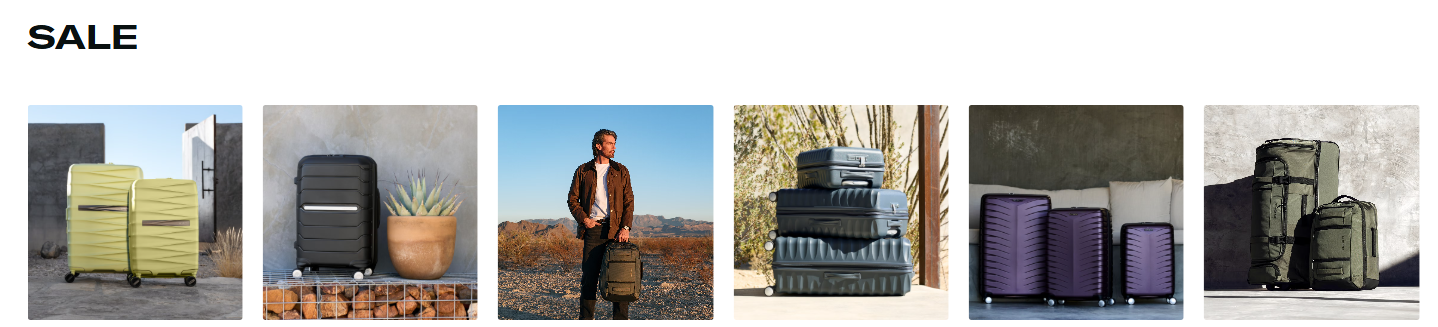
Samsonite controls 19-25% of the global luggage market, with no other brand coming close. The company has a market cap of HK$25 billion and is the world’s largest luggage maker by value. Frequent travelers in Australia recognize the name well, especially for Carry On Travel Bags Australia, and you’ll find Samsonite in every major airport and department store.
Why Market Dominance Matters to You
Big numbers mean real benefits for you. Samsonite operates across every major region. North America brings in 28% of market share. Europe follows at 22%. China adds another 21%. This global reach means something simple. You’ll find replacement parts anywhere. Customer service centers work in your timezone.
The company owns multiple brands. Samsonite leads their main line. Tumi handles luxury travelers. American Tourister targets buyers on a budget. Together, Samsonite and Tumi control 20% of the luxury luggage segment. This setup lets them serve every price point.
Real Investment in Product Development
Samsonite launched the Proxis Circular line in 2025. This range uses at least 60% bio-circular or recycled materials. The Roxkin shell comes from recycled cooking oil. Most brands just talk about being green. Samsonite puts real money into material science.
Their size fuels new ideas. Third-party factories in China and Southeast Asia handle production. But Samsonite creates special materials in-house. Large-scale buying means better materials at lower costs. Those savings go straight to product development.
Growth Numbers Tell the Story
The global luggage market hit USD 40.81 billion in 2024. It’s set to grow to USD 60.37 billion by 2031. That’s a 6.64% annual growth rate. Samsonite’s travel products alone bring in USD 2.9 billion in sales.
Their online sales jumped 12.6% in Europe during 2024. Latin America saw massive 55% growth online. Buy Samsonite in Australia, and you back a company that invests in digital systems. This means better online support. Plus, faster warranty claims.
Bellroy (Australian Sustainable Design)
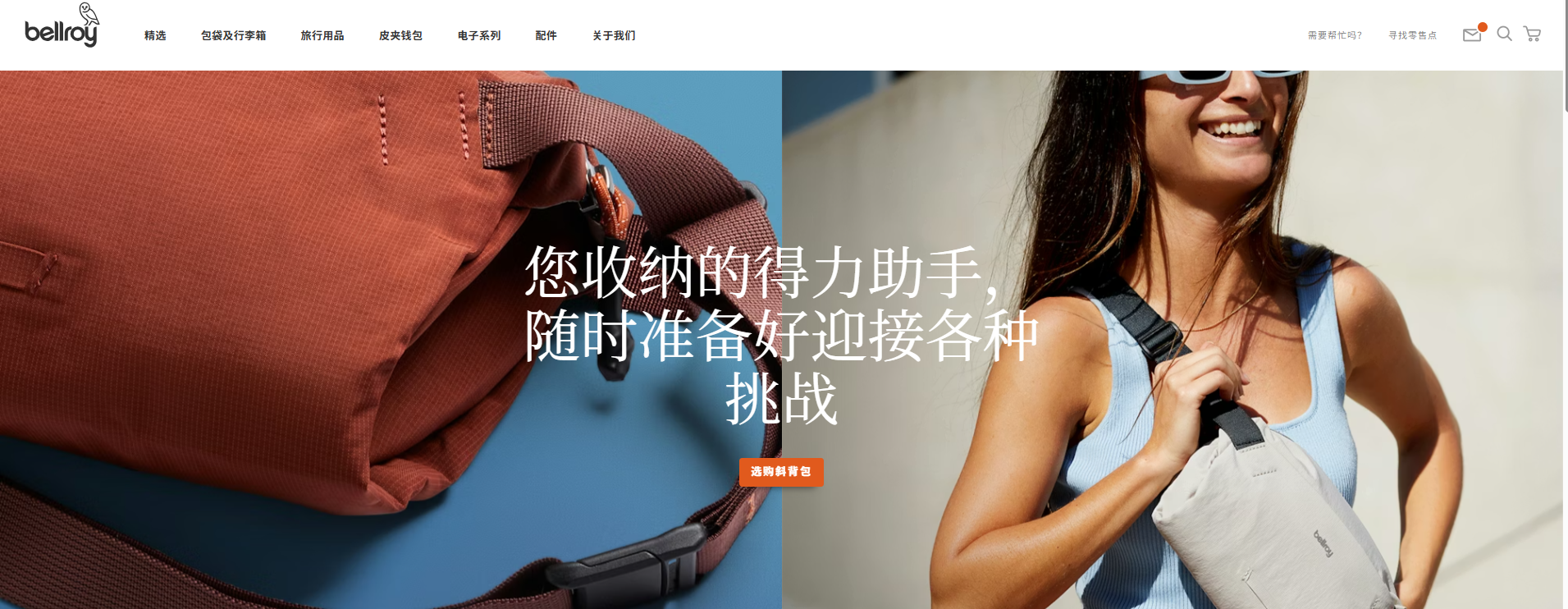
Bellroy turned 10.5 million plastic bottles into travel bags and accessories by May 2022. Andy Fallshaw started this Australian brand in 2009 at Bells Beach. Sustainability drives everything they do, and the results are real. Their value grew from $83 million in 2017 to $300 million by 2022, with annual sales now topping $130 million. Bellroy is especially recognized for Weekender Travel Bags Australia.
Materials That Match Your Values
The brand switched to 100% recycled polyester and nylon for all main fabrics and linings. Plastic bottles become their polyester. Industrial scraps that would go to landfills become their nylon. This shift happened in October 2019. Since then, millions of bottles stayed out of oceans.
Bellroy delivers what most brands just promise. 90% of new products now use recycled fabrics. They hit this goal ahead of schedule. Harmful chemicals? Gone. 94% of their materials are PFAS-free. They’re set to reach 100% by the end of 2024.
Smart Packaging Cuts Waste
Their packaging redesign makes sense. Bellroy dropped thick dust bags. Light recycled polyethylene bags replaced them. This one change cut 55% of raw material usage per package. All paper packaging has FSC certification. The polybags contain 100% recycled content too.
Their leather follows strict standards. Gold-rated LWG tanneries provide most materials. DriRan™ gives you another choice. Every textile has bluesign® certification. This is key. 90-95% of environmental impact happens before the product reaches you. Wallets and bags don’t need washing like clothes do.
B Corp Standards Since 2015
Bellroy earned B Corp certification back in 2015. They’re creating a take-back system for end-of-life recycling. The MIRUM collection tests plant-based leather made from renewable sources. No plastic. No animal products. Just materials that break down on their own. This matches their cradle-to-cradle design thinking borrowed from Patagonia.
Rockland (Ultra-Lightweight Focus)
Rockland built their reputation on one core promise: serious weight reduction without cutting corners on durability. Their Ultra Lite line delivers this through smart engineering, and frequent travelers notice the difference at the airport. Rockland is well known for Duffle Travel Bags Australia.
Engineered Weight Savings You Can Feel
The difference starts with materials most brands skip. Rockland uses welded aluminum framing instead of wood. Their sidewalls? Composite. The laminated roof combines man-made substrates with premium glues. This method creates structures that are lighter and stronger than standard builds.
Take the 2619FK model as an example. It weighs just 6,834 lbs dry weight with a GVWR of 8,625 lbs. The hitch weight sits at 825 lbs. Mid-size vehicles can tow this. Heavier competitors need bigger trucks. The length measures 29′ 8″ with a height of 11′ 3″. Four people sleep inside with room to spare.
Bigger trips? The 2908RL model stretches to 35′ 5″ in length. Dry weight reaches 8,284 lbs with a 9,730 lbs GVWR. The 2906BS model matches that length at 35′ 5″ with an 8,500 lbs dry weight.
Smart Features for Road Warriors
The 2026 301FKT model fits national park requirements at under 30 feet long. Inside sits a 10.2 cubic foot refrigerator that runs on 12V power. Dual-access doors let you grab food from inside or outside. The Platinum package gives you two 30-pound propane tanks instead of the standard 20-pounders. This model is ideal for frequent flyers and professionals seeking Business Travel Bags Australia solutions.
Rockland swapped leaf springs for Dexter torsion axles. Rubber cords absorb bumps better. Less wear on your contents mile after mile. Goodyear Endurance radial tires come standard. They include balancing beads and tire pressure monitoring.
Storage gets serious attention here. The front pass-through bay uses a drop-frame design. You can add an optional full-width pull-out metal tray. A tall roadside bay sits behind the refrigerator. Perfect for camp chairs. The rear access door opens under the U-shaped dinette.
Power comes built-in. 200W GoPower solar panels pair with a 30A PWM controller. Need more? Add another 200W. The 1,800W inverter handles your devices. No generator noise needed.
Delsey Paris (French Softside Specialist)
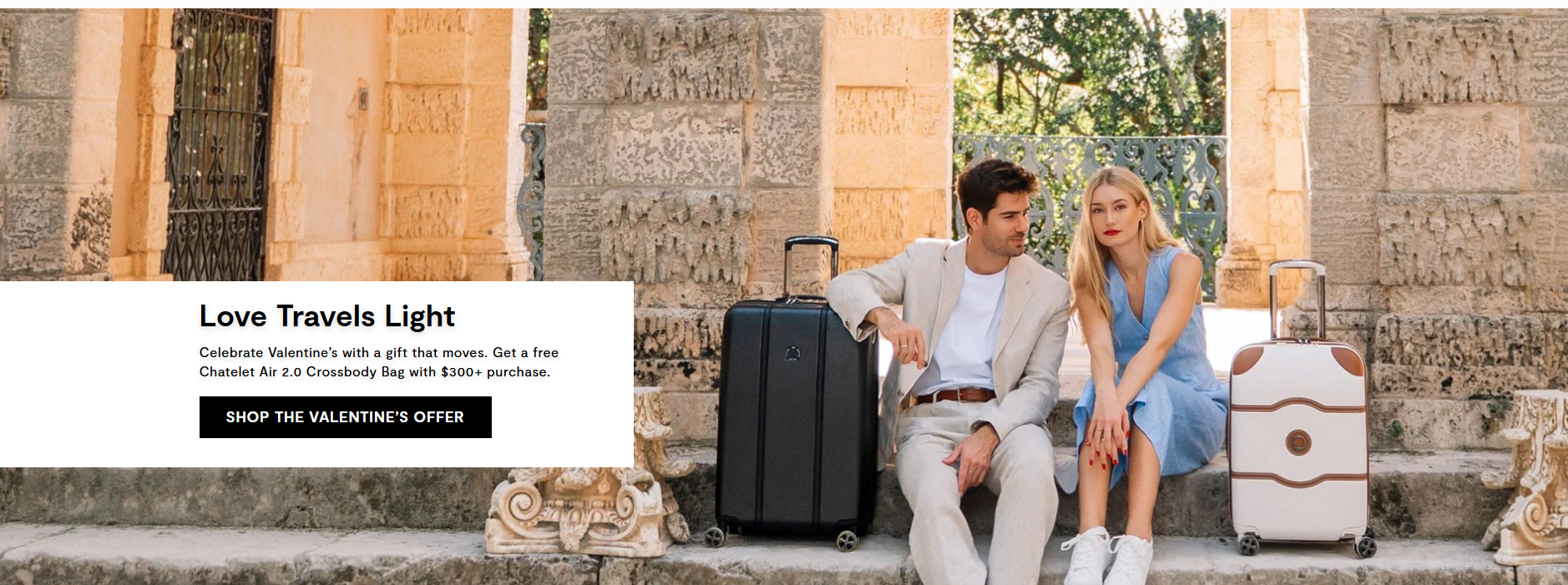
Delsey Paris runs from French headquarters. They ship to over 110 countries worldwide. The brand built its name in softside luggage. This puts them where the market grows fastest. Softside bags claimed 67.9% of the global travel bags market in 2024. That number jumps to 78.96% for the overall luggage segment in 2025.
Why Softside Dominates Your Airport
Frequent travelers choose softside for good reasons. These bags weigh less than hardshell versions. You get built-in flexibility. Need extra room for souvenirs? The expandable panels give you that option. Softside materials absorb impact better too. Your bag bends instead of cracks. Baggage handlers toss it around, but it survives.
Delsey builds most bags from polyester. This material holds 44.3% of the luggage market share in 2024. Polyester resists water. It handles wear and tear trip after trip. The manufacturing cost stays low. This keeps prices competitive in the mid-range segment.
Securitech® Solves the Zip Problem
Standard zippers are your weak point. Thieves slide pens through teeth in seconds. Delsey patented their Securitech® zipper system to stop this. The design prevents forced entry attempts. Rushing through crowded train stations in Europe? This feature matters.
Their ergonomic handles adjust with ease. Shock-resistant materials protect your stuff during rough handling. Antimicrobial linings keep interiors fresh across multiple trips. Water-repellent coatings shed rain at outdoor luggage claims.
Market Position Against Giants
Delsey brought in US$0.15 billion revenue in 2024. They hold 6.9% of the UK luggage market. The brand goes head-to-head with Samsonite, Travelpro, and American Tourister. Delsey ranks in the top 10 global luggage companies. Not bad for a softside specialist.
The broader market supports this focus. Global travel bag sales hit USD 18.4 billion in 2024. Projections show USD 37.9 billion by 2034. That’s 7.5% annual growth. North America alone grows at 7.8% each year through 2031. European markets push toward USD 22.5 billion by 2033 with 6.9% growth rates.
Conclusion
Finding the right travel bag manufacturing partner for your brand doesn’t have to be complex. Each brand represents a different market focus and product style. July shows local innovation. Antler highlights classic craftsmanship. Samsonite is known for durability and reliability. Bellroy focuses on sustainable materials and eco-friendly design. Rockland offers cost-effective, lightweight options. Delsey brings premium design and French aesthetics.
For factories, the key is matching your manufacturing capability to the brand’s target market. Business travel brands need strong structure, quality testing, and stable production standards. Casual brands prefer lightweight construction and eco materials. Mass retailers look for cost control and scalable production. Fashion brands expect high-end finishing and design details.
Your next step is clear. Study your client’s travel use scenarios and develop products around them. Focus on material selection, function design, and product durability to solve real travel needs.
The best travel bag supplier is not the cheapest factory. It is the one that protects your brand reputation and ensures consistent product quality. Start with one strong core collection and build long-term bag manufacturing cooperation from there.