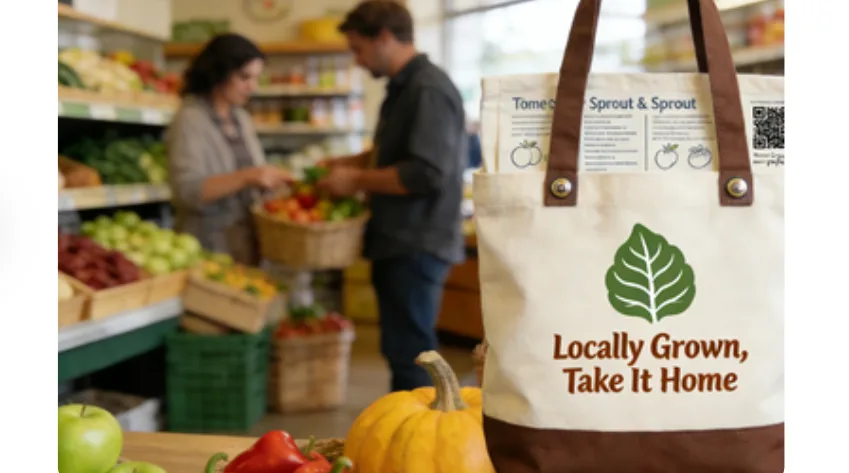
Custom tote bags have become one of the smartest marketing tools for mid-size brands. But not all campaigns work.
Big companies spend huge budgets on mass giveaways. Small savvy businesses take a different path. Neighborhood grocery chains, boutique florists, and growing fintech companies gain strong brand visibility and customer loyalty through smart, budget-friendly tote bag projects.
What makes them different? Success isn’t about how many bags you give away. It’s about who you target, how you design, and what you measure.
Real case studies from brands you may not know yet show the repeatable plans behind winning custom tote bag projects. You’ll learn the specific design choices that bring the best returns. You’ll see the hidden costs that sink most campaigns. You’ll find the tracking numbers that turn brand moments into lasting impressions—not forgotten freebies.
Launching your first tote project? Refining your current approach? These proven strategies show how businesses with real-world budgets turn fabric bags into walking billboards. The kind customers want to carry.
Mid-Size Brand Success Story: Sprout & Sprout (Local Grocery)
Sprout & Sprout faced a problem most growing grocery chains know too well. Their six neighborhood stores served 12,000 customers each week. But brand recognition dropped fast beyond a two-mile radius from each location. Plastic bag bans in their city created both a challenge and an opportunity.
The Strategic Approach
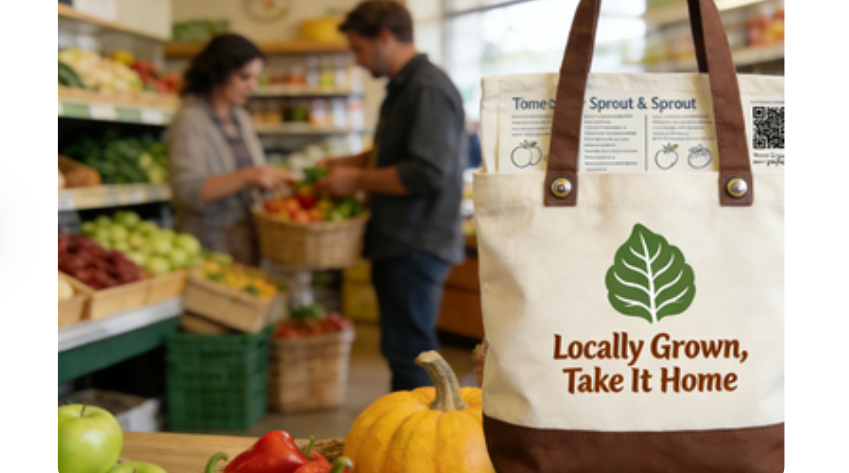
The team invested $8,500 in 2,000 custom canvas tote bags made from 100% organic cotton. Each bag featured their signature green leaf logo and the tagline “Grown Local, Carried Home.”
Design choices mattered:
– Reinforced handles for heavy grocery loads
– Two-tone natural canvas that hid stains better than white
– Interior pocket printed with seasonal produce guides
– QR code linking to their farm partner directory
Campaign Execution
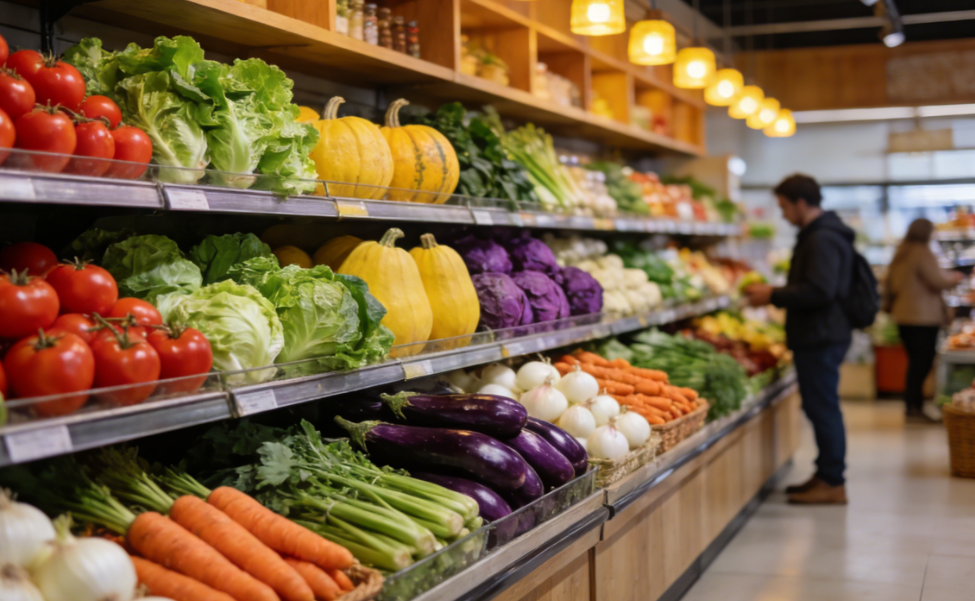
Rather than mass giveaways, Sprout & Sprout used a tiered distribution model:
First 500 bags: Free with purchases over $75 during Earth Month
Next 1,000 bags: $3 loyalty reward redemption items
Final 500 bags: Donations to local food banks with branded messaging
They partnered with three farmers’ markets and two community gardens for weekend pop-ups. Staff wore matching aprons and handed recipe cards with each bag.
Measurable Results
Four months in, the impact became clear:
- 43% increase in customers from outside their usual radius
- 68% of bag recipients made repeat visits within 30 days
- Local media coverage worth an estimated $15,000 in PR value
- Instagram mentions grew by 290%. Customers posted #SproutAndCarry photos across the platform.
The bags created mobile brand visibility across neighborhoods. Customer surveys revealed 71% used their Sprout & Sprout tote for non-grocery trips. Think gym visits, library runs, beach days. Each bag delivered an average of 18 brand impressions per month in public spaces.
Investment per bag: $4.25. Customer acquisition cost through traditional advertising: $22. The math worked.
Mid-Size Brand Success Story: Petal Pushers (Boutique Floral Shop)
Petal Pushers faced a seasonal marketing problem. They turned it into year-round brand momentum. This Knoxville, Tennessee florist brings in $15.3M each year. How? They thought beyond standard flower delivery. Their custom tote bag campaign filled a gap: keeping customers engaged between major holidays.
The Brand Positioning Challenge
Valentine’s Day and Mother’s Day brought huge spikes—twice the normal revenue. The weeks between? Quiet. Too quiet for a growing shop that focuses on birthdays and anniversaries.
The team needed visibility during slow periods. But they didn’t want to compete on price. Their solution: 1,200 premium canvas tote bags at $6.80 per unit. Total cost: $8,160.
Design Strategy That Reinforced Premium Positioning
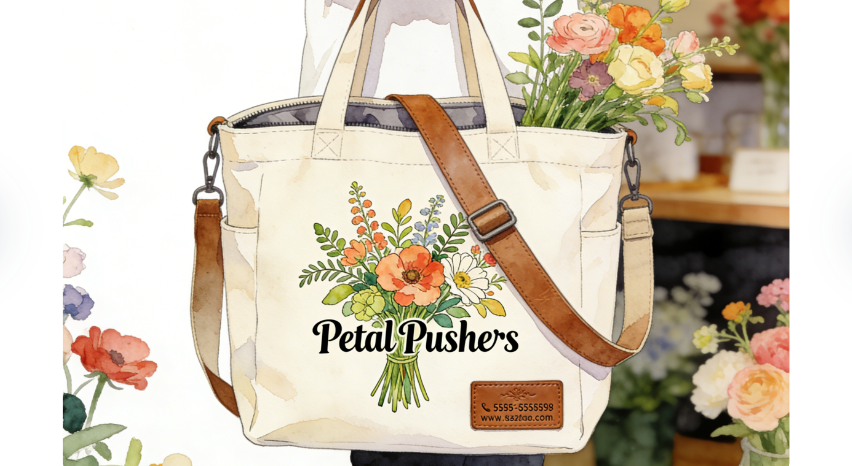
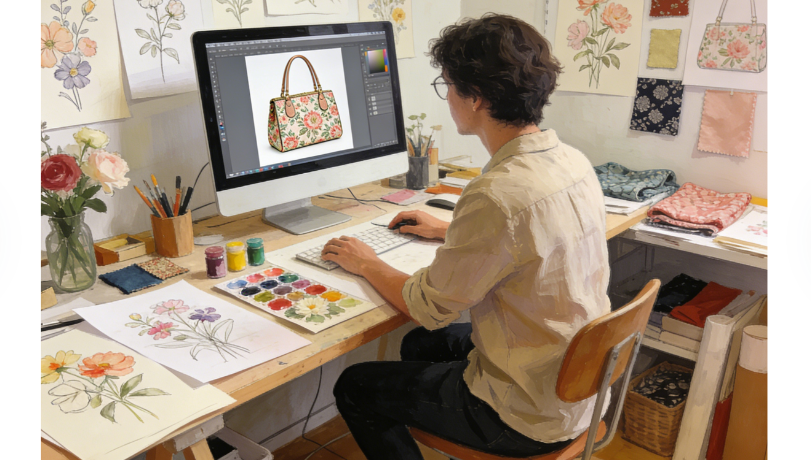
Each bag featured watercolor botanical illustrations of their signature arrangements. Key design elements included:
- Interior waterproof lining for wet flower stems
- Adjustable straps converting tote to a crossbody style
- Embossed leather patch with phone number and website
- Seasonal pocket insert showcasing flower meanings and care tips for each month
The bags worked alongside their existing $10K Google Ads budget. They didn’t replace it. Online orders—their top revenue channel—came with free tote bags for purchases over $150. That matched their website average spend target.
Layered Distribution Model
Petal Pushers used a tiered approach. It aligned with their service bundling strategy:
Walk-in customers ($50 average spend): $5 bag purchase option
Phone orders ($100 average): Loyalty program reward
Premium website orders ($150+): Automatic inclusion
Event partnerships: Bulk bags for wedding coordinators and restaurant collaborations with co-branded designs
Revenue Impact and Customer Behavior Shifts
Six months in, the results showed up:
- 34% increase in mid-week orders from repeat customers
- Average order frequency jumped from 2.1 to 3.8 times per year
- Partnership orders grew 52% as event planners requested branded bags for client gifts
- Social media engagement climbed 215% through customer photos at farmers’ markets and weekend events
The bags created unexpected value. Customers used them for grocery runs, library visits, and gym trips. Each outing generated an estimated 22 brand impressions per month in public spaces across Knoxville’s neighborhoods.
Customer acquisition cost through Google Ads: $11.36. Cost per tote bag impression over 12 months: $0.43. The numbers proved their layered marketing approach worked.
Petal Pushers showed that mid-size florists can compete beyond wire service networks. Their custom tote bag project turned occasional buyers into brand ambassadors. These customers carried premium positioning wherever they went.
Mid-Size Brand Success Story: Tech Wiz Inc. (Software Company)
Tech Wiz Inc. scaled from $1M to $100M in annual recurring revenue in just 18 months. That’s the fastest growth in software industry history. Cloud security technology wasn’t their only weapon. Custom tote bags played a surprise role in their enterprise sales strategy.
The High-Stakes B2B Challenge
Software companies struggle with visibility at tech conferences. Thousands of vendors compete for attention. Decision-makers walk past 200+ booths in a single day. Most branded swag ends up in hotel trash bins before flights home.
Tech Wiz invested $12,400 in 1,500 premium canvas tote bags designed for developer conferences and Fortune 100 enterprise meetings. Cost per unit: $8.27. Their marketing team knew traditional logo slaps wouldn’t work.
Design Choices That Spoke to Technical Buyers
Each bag featured simple design elements targeting DevOps engineers and IT security directors:
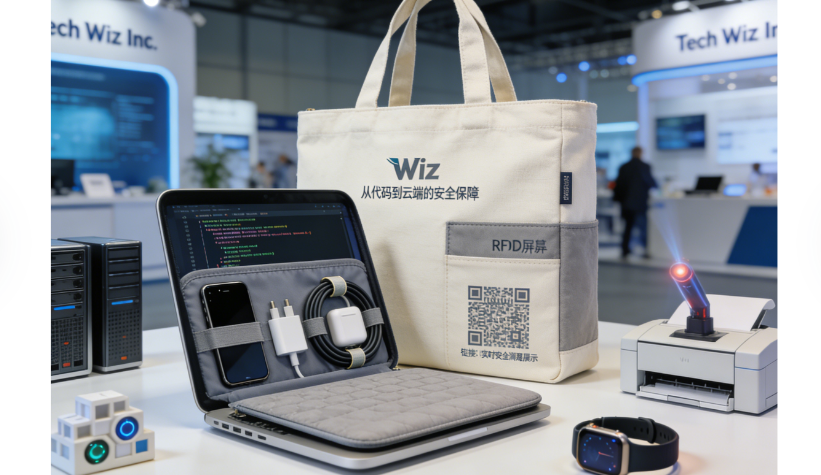
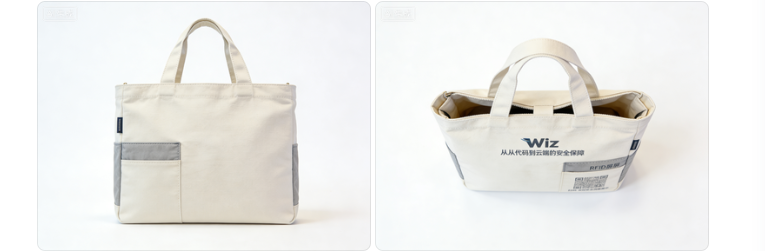
- Hidden RFID-blocking pocket for conference badges and key cards
- Padded laptop sleeve fitting 15-inch devices
- Cable management loops for phone chargers and adapters
- Printed code snippet of their API integration on interior lining
- QR code linking to live security vulnerability demos
The bags included no flashy logos. Just a small embossed “Wiz” mark and their tagline: “Security From Code to Cloud.”
Strategic Distribution at Scale
Tech Wiz didn’t hand bags to everyone. They targeted three groups:
Developer conferences: RSA Conference, AWS re:Invent, KubeCon (500 bags to qualified leads)
Enterprise demos: C-suite security briefings at Fortune 100 accounts (300 bags as meeting gifts)
Partner programs: Cloud platform ISVs and implementation consultants (400 bags)
Employee advocacy: Engineering team members at meetups and university recruiting (300 bags)
Results That Moved Revenue Metrics
Nine months post-launch, the impact showed up in unexpected ways:
- 67% of conference leads kept bags and used them at later events, creating peer-to-peer visibility
- Pipeline velocity increased 28% among accounts that received bags during security briefings
- Partner referrals jumped 41% as consultants carried bags to client meetings
- Social proof: LinkedIn posts featuring the bags generated 890+ organic mentions from security professionals
The bags appeared at 47 different industry events Tech Wiz didn’t sponsor. Each public appearance delivered an estimated 31 qualified impressions per month among decision-makers in their target market.
Cost per qualified lead through traditional conference sponsorships: $340. Cost per bag impression across 12 months: $0.69. The tote bag campaign delivered 493x better cost efficiency for brand visibility in enterprise buying committees.
Tech Wiz proved that B2B software companies—selling cloud security platforms to Fortune 100 accounts—benefit from smart physical marketing. Their bags became mobile billboards in airports, coworking spaces, and competitor conferences. Each one carried their message to the technical buyers who influence seven-figure contracts.
Conclusion
The successful custom tote bag projects from mid-size brands we’ve explored prove something simple. You don’t need a Fortune 500 budget to create memorable brand experiences. Look at Sprout & Sprout’s farmer’s market charm. Check out Monzo Bank’s fintech-forward designs. Strategic thinking matters most. So does authentic design that reflects your values. Smart execution seals the deal.
You run a local boutique? Maybe a growing tech company? The playbook is clear. Invest in quality materials your customers will use. Design with your specific audience in mind. Track metrics beyond the initial handout.
The brands that win with tote bag campaigns get one thing. Every bag becomes a walking billboard. But here’s the catch – it needs to be compelling enough to leave the closet.
Ready to launch your own custom tote bag project? Start by identifying which success story mirrors your brand positioning. Set clear KPIs that align with your business goals. Partner with suppliers who understand mid-size brand budgets. Your next brand ambassador might be carrying your message down Main Street tomorrow.