Spend enough time researching quality bags and Sandqvist’s name keeps coming up. But the brand makes it hard to understand why their bags cost what they do — or who is making them. This deep-dive into Sandqvist bags: how and where they’re produced aims to answer both.
The full picture runs from a factory floor in Vietnam to a leather workshop in Chennai, India. It’s more layered — and more interesting — than their clean Scandinavian look might lead you to expect.
Trying to decide if a Sandqvist bag is worth the price? Or curious about what ethical production looks like in real life? Either way, you’ll get a clearer, more honest answer here than on any product page.
Who Makes Sandqvist Bags? The Brand Behind the Label
Sandqvist is a Swedish brand — but the bags are built in Asia. Production runs through a small, hand-picked network of factories.
Here’s how the split breaks down:
-
Vietnam: 83.14% (recycled polyester bags)
-
India: 16.57% (leather bags and small leather goods)
-
Sweden: 0.23%
-
China: 0.06%
The Two Core Factories
Most production runs through Pungkook Saigon II (PK) in Ho Chi Minh City, Vietnam. It’s a large facility with around 4,500 workers. This factory handles all of Sandqvist’s recycled polyester line. Brand agents visit on a set schedule to check social sustainability standards.
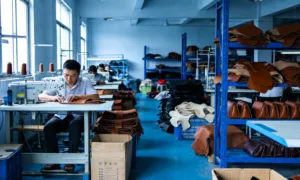
Leather goods come from Butler Leather in Chennai, India. This is a family-owned workshop run by Anjum, Noor, and Zafar. It has 130 employees. Sandqvist makes up the majority of their output.
The partnership started in 2009. The Swedish International Development Cooperation Agency (SIDA) backed it with funding. Equipment came from a Swedish factory.
That’s not a normal brand-supplier relationship. It’s closer to a long-term investment.
Where the Materials Come From
The supply chain goes deeper than most shoppers expect. Here’s how the materials trace back:
-
Leather: Starts with cow hides from Scandinavian cattle. Tanned in Denmark at Scan-Hide (LWG gold-rated). Then re-tanned at S&H Leather in India (also LWG gold-rated).
-
Synthetic fabrics: Cordura and recycled nylon come from Leejotex in Korea. Both bluesign and Oeko-Tex certify these materials.
-
Organic cotton: Sourced from small-scale tribal farmers in India. A Fairtrade-certified cooperative manages the supply.
94% of materials carry recognized certifications — GRS, GOTS, or LWG. Every tannery in the chain holds at least an LWG silver rating.
Sandqvist publishes all of this in their annual sustainability report. You’ll find factory names, locations, ownership details, certifications, and trim suppliers listed openly. For this industry, that level of transparency stands out.
Where Are Sandqvist Bags Made? A Country-by-Country Breakdown
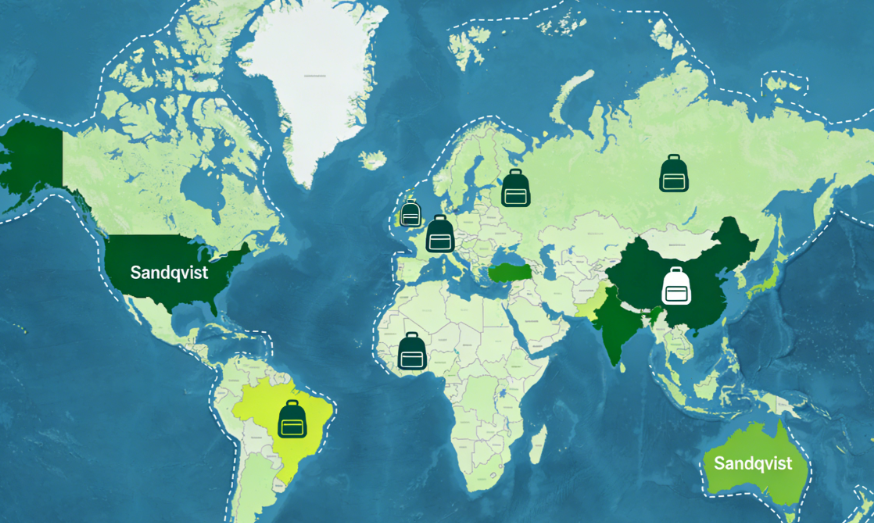
Four countries. That’s the full scope of Sandqvist’s bag production as of 2023. The supply chain has gotten smaller over time, not larger. That’s a clear, focused choice.
Here’s how bag production volume breaks down across those four countries:
|
Country |
Share of Production |
Primary Output |
|---|---|---|
|
Vietnam |
83.14% |
Recycled polyester bags |
|
India |
16.57% |
Leather bags, small leather goods |
|
Sweden |
0.23% |
Accessory suppliers (terminated 2022) |
|
China |
0.06% |
Accessory suppliers (terminated 2022) |
Sweden and China are out. Both accessory suppliers were cut in 2022. Two countries now carry all the real production weight.
Vietnam: Where Most Bags Are Born
Vietnam handles the bulk. More than four out of every five Sandqvist bags ship from here. Three factories operate in the country. Pungkook Saigon II in Ho Chi Minh City carries the heaviest load.
This isn’t a boutique setup. PK is a large industrial facility. Every recycled polyester style runs through this production line.
Sandqvist pushed more volume to Vietnam between 2021 and 2022. Production shifted away from Indian leather goods toward active bags and backpacks. This move matched a bigger push into outdoor gear and recycled materials.
India: The Leather Side of the Operation
India covers the remaining ~17%, split across four factories. Butler Leather in Chennai is the anchor. It produces most leather bags and small leather goods.
Raw materials for these factories come from several countries:
-
Leather tanning: Denmark and India
-
Synthetic fabrics: Korea
-
Organic cotton: India (small-scale tribal farmers)
-
Leather processing: Taiwan and India (Progressive Leather Industries, Shui Hua Leather — both LWG silver rated)
Sandqvist reported 89% of its own bag production under active monitoring as of 2021. For a brand running four countries and multiple sub-suppliers, that’s a high coverage rate. Most brands in this space don’t get close to that number.
Inside the Vietnam Factory: Where Most Sandqvist Bags Are Born
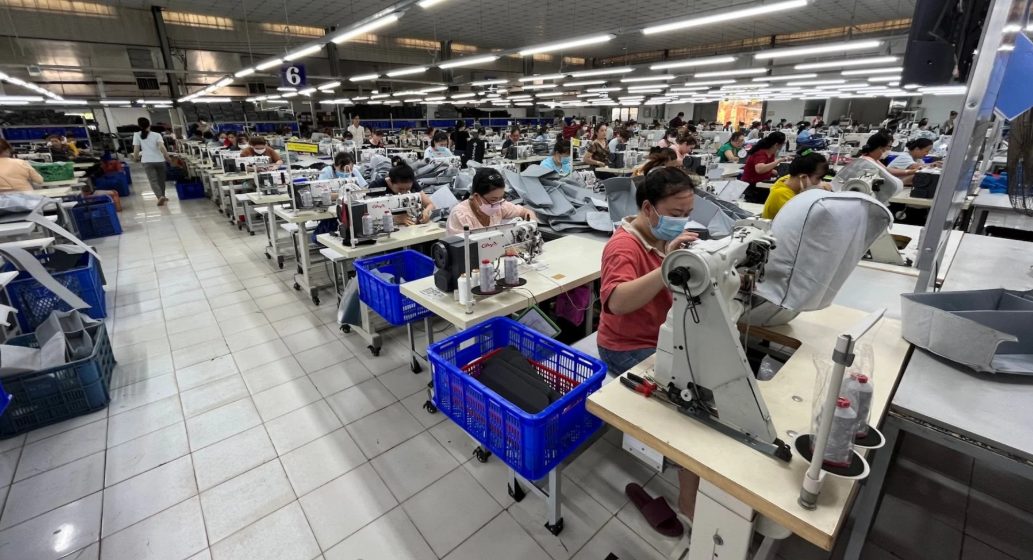
Three factories. One country. Over 83% of every Sandqvist bag you’ll find on a shelf.
Vietnam isn’t just a production hub for Sandqvist — it is the production story. At the center of that story sits Pungkook Saigon II (PK) in Ho Chi Minh City.
The Main Factory: Scale, Scope, and Real Complexity
PK is a large industrial operation. Around 4,500 workers run the lines that produce every single recycled polyester bag in the Sandqvist lineup. The facility is part of the ILO Better Work program. That means regular independent assessments, worker training, and ongoing capacity building — not just a certification plaque on a wall.
A brand agent visits on a set schedule. Each visit covers quality checks and human rights due diligence (HRDD). Order status reports come in each week. Lead time from order placement to Sweden delivery runs around six months.
No penalties for delays. That detail matters. It takes away the pressure that often pushes factories to cut corners.
The Second Factory: Smaller, Different Dynamic
Pungkook Saigon Long An (PKLA) sits under the same ownership as PK. It’s a much smaller operation — 385 workers. PKLA reopened after COVID-19 but hadn’t reached full capacity as of 2022.
Sandqvist makes up a larger share of PKLA’s workload. So the brand carries more leverage there. Staff learn Sandqvist’s standards and Fair Wear requirements on day one of onboarding. During their 2022 visit, Sandqvist checked unionization rights and collective bargaining access directly.
The Harder Part of the Picture
The 2021 lockdown hit hard. PK shut down from May through October — about 2.5 months of active bag production loss. To keep operating, the factory ran a “3-on-site” model: workers lived and slept inside the facility. Samples were produced during that window. After the factory reopened, worker shortages caused more delays on top of that.
One Vietnam supplier ended its cooperation with Sandqvist that same year. Three others were dropped — Sandqvist’s leverage on those ranged from 0.4% to 5.7%. No exit strategy was documented. No one assessed the wage or job security impact on workers left behind.
That gap is worth noting. A published transparency report doesn’t mean every exit is handled well. Those are two different things.
The Indian Leather Workshop: Butler Leather in Chennai
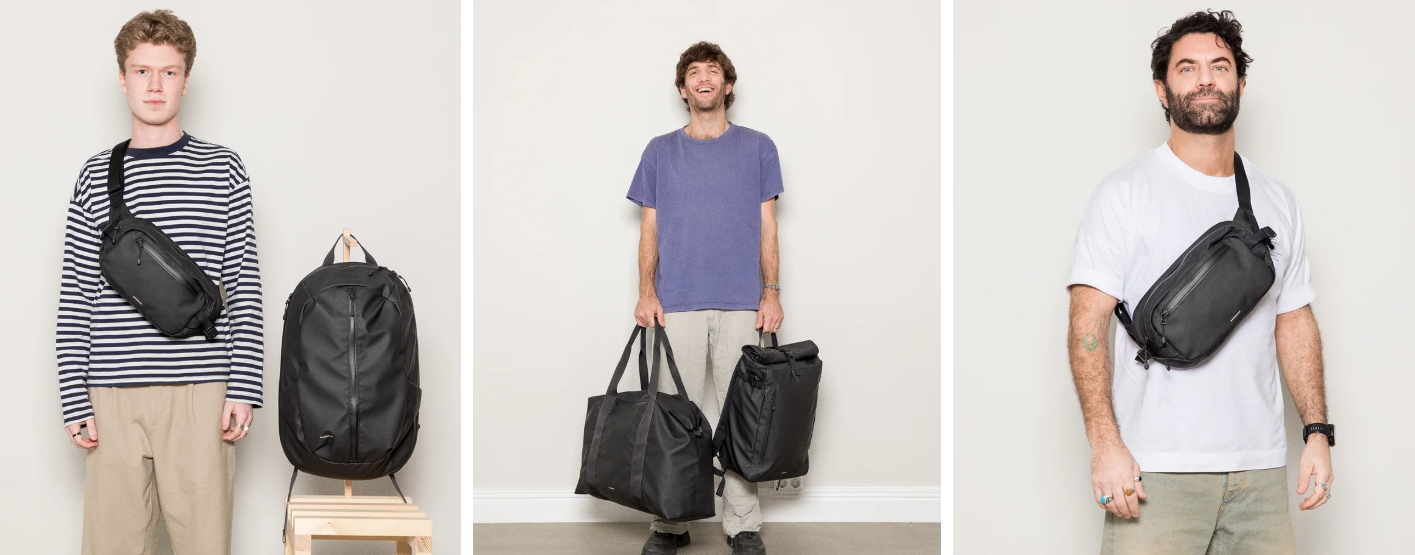
Butler Leather has been cutting and stitching Sandqvist’s leather goods since 2009. That makes it one of the brand’s oldest partnerships — and its most personal one.
The workshop sits on the third floor of Zafar Arcade in Chennai, Tamil Nadu. It’s a private limited company, registered in May 2008 — just one year before Sandqvist came on board. That timing tells you something. Sandqvist didn’t walk in and take over an existing supplier. They helped build one from the ground up.
A Family Business Built Around One Major Client
Three family members run Butler Leather: Anjum, her husband Noor, and Noor’s brother Zafar. The founding directors have held their roles for 17 years. No revolving doors here. The same people who started the business are still running it today.
Butler Leather has 130 employees and operating revenue in the INR 1–100 crore range (FY 2023). It’s a mid-scale specialist — not a mass manufacturer. Sandqvist makes up the majority of their output. That level of focus has two sides. On one hand, it means Butler Leather is deeply in sync with Sandqvist’s quality standards. On the other, their business success is tied to one client.
How the Workshop Got Started
SIDA (Swedish International Development Cooperation Agency) provided the startup funding. The equipment came from a closed Swedish sewing factory. That background explains a lot. Butler Leather didn’t start out chasing the cheapest contracts. It launched with European craft equipment and infrastructure from day one.
The leather used here comes through a documented chain:
– Scandinavian cow hides
– Tanned at LWG gold-rated Scan-Hide in Denmark
– Re-tanned at LWG gold-rated S&H Leather in India
– Further processed at Progressive Leather Industries (India) and Shui Hua Leather (Taiwan) — both LWG silver-rated
Every link in that chain carries certification. For a supplier at this scale, that’s not common.
How Sandqvist Sources Its Materials: From Organic Cotton to Recycled Nylon
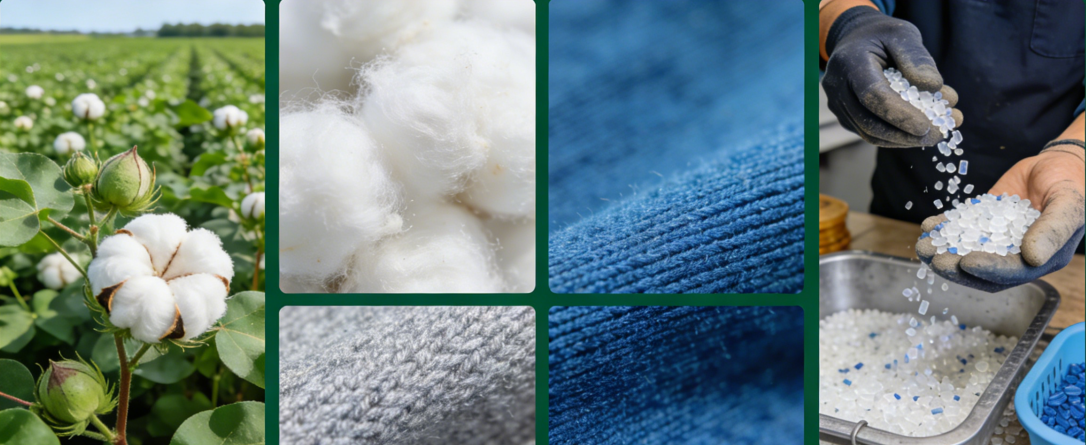
Material sourcing is where Sandqvist’s supply chain gets interesting — and where the certifications start to add up.
94% of materials carry recognized certification. That covers everything from canvas to leather to synthetic webbing. It doesn’t happen by chance. Each material category follows its own sourcing logic.
Organic Cotton
All canvas products use 100% organic cotton, sourced from farmers in India. Manufacturers use only approved substances and dyes — nothing that conflicts with organic standards.
The supply isn’t just certified on paper. Sandqvist works through a Fairtrade International – Small-Scale Producer Organisations member cooperative. These are small-scale tribal farmers. The Fairtrade structure builds pricing protections and labor standards into the supply relationship from the start — not added on later.
Recycled Nylon and Synthetic Fabrics
Virgin fossil-based fabrics are out. Recycled nylon and Cordura come from Leejotex in Korea. Every synthetic fabric in the lineup carries either bluesign or Oeko-Tex certification — sometimes both.
The shift to recycled synthetics shows real results. Since 2020, Sandqvist cut its absolute carbon footprint by 15% (16% per revenue). Moving away from virgin fibers — plus order efficiencies and less air freight — drove most of that reduction. In 2021 alone, a 26% emissions cut came from 3D sampling, streamlined orders, and more use of recycled polyester and nylon.
Hardware, Zippers, and Trims
The smaller components matter too. Here’s where they come from:
|
Component |
Supplier |
Location |
|---|---|---|
|
Zippers |
YKK |
Various |
|
Metal trims |
ESSN |
China |
|
Plastic trims |
Woojin |
China |
|
Webbings |
Yuongdong |
China |
|
Labels & hangtags |
Trinco |
China |
YKK is the industry standard for durable zippers. The trim suppliers are consolidated — fewer sources means closer oversight.
Chemical and Water Standards
Certified materials handle part of the chemical picture. LWG-rated tanneries cover the rest — their certification focuses on chemical management and water impact. Organic cotton and bluesign-approved synthetics back that up further. On top of all this, Sandqvist runs risk-based chemical testing across its materials.
The Leather Supply Chain: From Scandinavian Cattle to Finished Bag
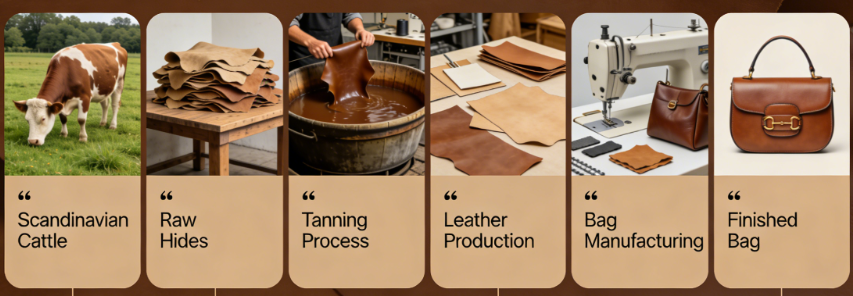
A Sandqvist leather bag starts its life on a farm — not in a factory.
The hides used in Sandqvist’s leather goods trace back to cattle raised in Denmark and Sweden. Nordic breeds like Western Finncattle are dual-purpose animals — raised for both milk and meat. A single Danish cow produces 40 kg of usable hide, along with 250 kg of meat and thousands of kilograms of milk over its lifetime. The leather is a by-product of food production — not the main output.
That origin matters for quality. Nordic cattle hides are known for their uniformity and consistent yield. That’s part of why luxury goods manufacturers and automotive suppliers use them too — not just bag makers.
From Hide to Finished Leather: The Processing Chain
After slaughter, hides go through a documented tanning process:
-
Scan-Hide (Denmark) — part of Danish Crown, handles initial tanning. Holds an LWG gold rating, the leather industry’s highest environmental standard.
-
S&H Leather (India) — handles re-tanning. Also LWG gold-rated.
-
Progressive Leather Industries (India) and Shui Hua Leather (Taiwan) — take care of further processing. Both carry LWG silver ratings.
Every step in that chain is certified. For a mid-scale leather goods supplier like Butler Leather, keeping that level of traceability across four processing partners is rare in the industry.
The global raw hides market sits at around USD 100.5 billion in 2025, projected to reach 190.5 billion by 2035. Cattle hides lead the market — about 60% of total volume — thanks to their consistent size and yield. Sandqvist’s supply fits within that larger system, but with tighter controls than most brands put in place.
How Sandqvist Tests Every Bag Before It Reaches You
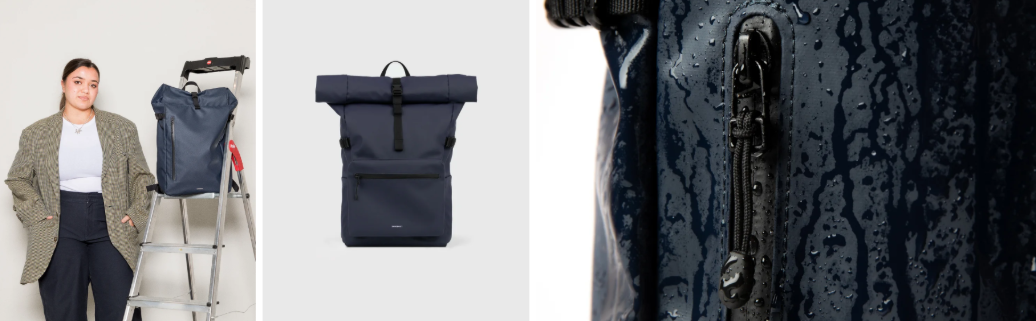
Every Sandqvist bag gets worn before it gets sold. Prototypes travel on bikes through Stockholm. They get checked on trains, tested on planes, and taken through forest paths. That full real-world circuit is what earns a bag its place in the collection.
That testing mindset runs through the whole production process — not just the design phase.
Audits That Follow Up
Sandqvist is a Fair Wear Foundation member. That means external audits at every supplier. No self-reported checklists. An independent team goes in and checks.
Butler Leather in Chennai faced audits in 2016, 2019, 2020, and again in June 2023. A Fair Wear team visited in 2017 to train workers on their rights. By the end of 2023, 90% of flagged issues had been resolved and verified by an outside party.
At Pungkook Saigon II in Vietnam, an ILO Better Work audit in late 2022 produced a clear improvement plan. The result: zero critical (zero-tolerance) deficiencies found. High-risk suppliers face audits at least once every three years.
Quality Built Into the Supply Chain
Material standards act as a gate before production starts. Every material must be 100% certified — recycled, bluesign-approved, or Oeko-Tex verified — before it can be used. That keeps the options tight on purpose. Fewer shortcuts, better outcomes.
Sandqvist and factory management hold monthly meetings. Worker representative groups have a fixed spot on every agenda. Quality issues come up there early — before they turn into product problems.
What Longevity Looks Like in Practice
Take one Lars-Göran backpack, bought for €200 close to ten years ago. Used five days a week, the whole time. Still intact. That’s what the testing process aims for. And if a bag does show wear, Sandqvist’s repair program keeps it going — no replacement needed.
Sandqvist’s Sustainability Commitments: What the Certifications Really Mean
Certifications are easy to collect. Understanding what they require — and how well a brand delivers on them — takes more digging.
Sandqvist holds a solid stack of them. 94% of materials are certified under GRS (Global Recycling Standard), GOTS (Global Organic Textile Standard), or LWG (Leather Working Group). These aren’t decorative labels. Each standard sets clear requirements for sourcing, chemical management, and labor conditions. Suppliers must meet and maintain all of them.
Fair Wear Foundation: Scored, Not Just Stamped
Sandqvist joined the Fair Wear Foundation (FWF) in 2016. That membership comes with annual performance scores — and FWF publishes them for anyone to see.
Here’s where Sandqvist landed in 2023:
|
Category |
Score |
|---|---|
|
Sourcing strategy |
71% |
|
Responsible purchasing |
85% |
|
Prevention & remediation |
53% |
|
Improvement & prevention |
40% |
|
Communication & transparency |
55% |
|
Overall |
59% (114/192 points) |
The 2022 rating moved from “Needs Improvement” to “Good”. That’s real progress. But the remediation and improvement scores show where the gaps still sit. A 40% on improvement and prevention isn’t a pass — it’s a work-in-progress number.
What the Supplier Standards Require
Every Sandqvist supplier signs a Code of Conduct built on FWF, ILO, and UN frameworks. It bans child labor and discrimination outright. Living wages, union rights, and safe working conditions are contractual requirements — not just aspirational language.
Chemical standards go beyond EU law. Sandqvist’s Restricted Substance List (RSL) exceeds REACH regulations. The Manufacturing RSL follows ZDHC protocols for process chemicals. All suppliers sign both lists.
One tannery — Krafti Leather — has held SA8000 certification since 2018. That certification covers labor conditions through an independent audit process.
Sandqvist has set sustainability targets for 2025 and 2030 across people, materials, climate, and community impact. The scores above show how far along that road they’ve come — and how much remains.
Is Sandqvist Worth the Price? What Their Production Model Tells Us
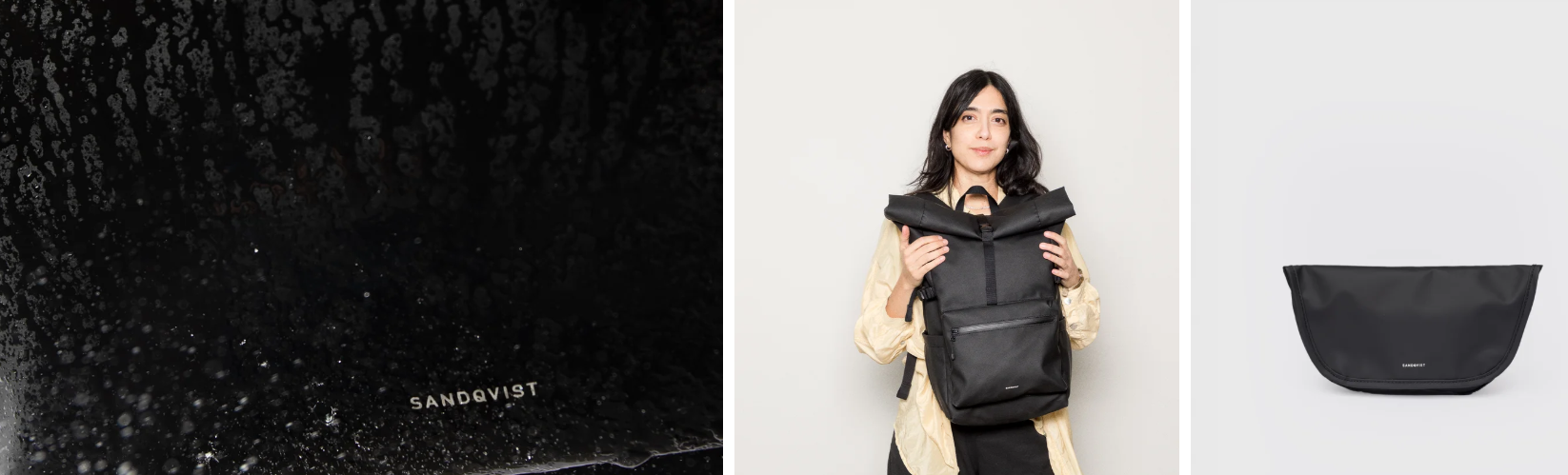
The production model covered in this article gives the most honest answer to that question.
Sandqvist bags sit in the €150–€300+ range. That’s a real spend. So what are you paying for? It breaks down into a few clear things:
Long supply chains, kept under tight control. Leather starts with Scandinavian cattle. It moves through gold-rated tanneries in Denmark and India before reaching a factory floor. Synthetics come from certified Korean mills. Zippers (YKK), trims, and webbing all come from a consolidated, monitored supplier list. That level of traceability costs money to keep up.
Audit coverage that goes beyond paperwork. Staff visit every supplier in person. External auditors go in on their own schedule. Teams follow up on corrective action plans. Chemical restrictions go beyond EU REACH standards. These aren’t one-time checkboxes — they’re ongoing operating costs built into the price.
Real longevity. A Lars-Göran backpack used five days a week for close to a decade, still intact, is the clearest proof of this. That’s not marketing. It’s what the testing and material standards are built to produce.
Is there room for improvement? Yes. The Fair Wear scores — 40% on improvement and prevention in particular — confirm that. Sandqvist isn’t a finished product. But the production model is more thorough than most brands at this price point. For buyers who care about where a bag comes from and how long it lasts, the price holds up.
Conclusion
Sandqvist isn’t just selling a bag — it’s selling a traceable story. Organic cotton gets woven in Sweden. Leather gets cut in Chennai’s Butler atelier. Careful stitching happens inside their Vietnamese factory. Every step shows a brand that chose intentional over convenient.
What does that mean for you? The price tag carries genuine weight. You’re not paying a premium for a logo. You’re funding certified materials, fair production conditions, and a quality-testing process so rigorous that most bags don’t make it through.
You’ve been researching how and where Sandqvist bags are produced. Now you have your answer — and it’s a reassuring one. The next step is straightforward: find the silhouette that fits your life, buy it once, and carry it for a decade.
That’s the whole point of a bag built like this.