Curious about where your Rebecca Minkoff bag comes from? Many people are.
The brand’s manufacturing story is bigger than most fans know. Production started in New York City’s garment district. Then it moved to modern facilities across China. This major shift happened between 2009 and 2014.
Looking at a vintage Morning After Bag? Or maybe the latest crossbody design? Either way, knowing where and how these bags are made tells you a lot. You learn about quality. You see why prices are what they are. You understand how modern fashion production works.
Rebecca Minkoff uses specific tanneries for their leather. They make choices about offshore manufacturing. Some raise ethical questions. You need to know the origins of your investment piece. Check where your bag was made. Those production shifts? They affect both quality and value.
Rebecca Minkoff’s Bag Manufacturing Journey: From NYC to Global Production
Rebecca Minkoff launched her handbag line in 2005 from a small studio in New York City’s garment district. The brand’s first bags were designed, prototyped, and produced within blocks of each other. This tight setup gave Rebecca direct control over every stitch and seam.
The NYC Foundation: Where Creativity Met Craft
Manhattan’s garment district gave more than just workspace. Rebecca got access to experienced pattern makers, skilled leather workers, and specialized hardware suppliers. She could walk to a factory in the morning with a sketch. By afternoon, she’d return with a prototype. This hands-on style shaped the brand’s look—edgy yet functional designs with rock-and-roll attitude.
Production runs started small. Most bags were made in limited quantities at local workshops. The Morning After custom Bag launched the brand into mainstream recognition. It started its life in these NYC facilities.
The Global Expansion: 2009-2014
By 2009, demand outpaced what New York makers could produce. Rebecca Minkoff faced a critical decision: stay small and local, or scale up. The brand chose growth.
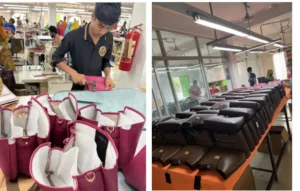
Manufacturing moved to China between 2009 and 2014. Chinese factories offered advanced equipment and specialized tanneries. They could produce thousands of units each month. Production costs dropped by 40-60% compared to NYC rates.
This wasn’t just about cutting costs. Chinese facilities had expertise in specific techniques. They knew intricate hardware installation and complex multi-panel construction. They could source exotic leathers. Plus, they handled larger production volumes while keeping quality consistent.
Rebecca Minkoff partnered with ISO-certified factories. These facilities got regular audits for working conditions and environmental rules. The brand kept design teams in NYC while production happened overseas. This hybrid model is common in modern fashion manufacturing.
Current Manufacturing Locations: Where Your Rebecca Minkoff Bag Comes From
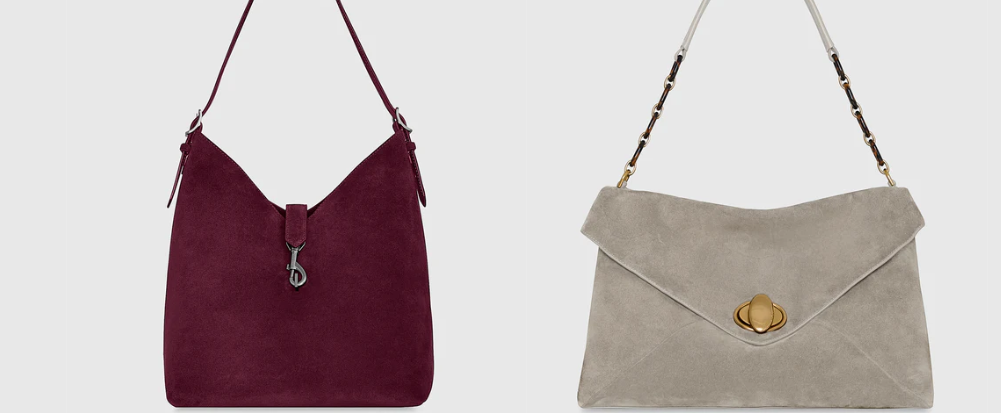
Rebecca Minkoff bags come from Vietnam and Indonesia today. This changed big time in 2018.
The 2018 Tariff-Driven Relocation
Trade tensions between the U.S. and China hit hard. Rebecca Minkoff had to rethink its entire production strategy. The first Trump administration slapped tariffs on Chinese-made goods. Making bags in China stopped making financial sense.
The brand had factories in China since the start of the 2010s. These same facilities made Kate Spade bags. Quality stayed solid. Production methods were smooth. But the numbers didn’t work anymore.
Vietnam and Indonesia stepped in with better options. Both countries built up strong leather goods manufacturing. Labor costs stayed reasonable. Plus, they dodged the new tariffs completely.
How the Licensing Model Changed Bag Production
Sunrise Brands bought Rebecca Minkoff in 2022. The business switched to licensing. This changed who makes each product line.
Concept One now runs the license for handbags, accessories, and travel goods. They work with bag factories in Vietnam and Indonesia. They check quality standards. They plan production schedules and manage factory capacity.
Specialized companies handle other product lines:
– Vida Shoes International makes all footwear
– Majesty Brands creates lounge and sleepwear
– Regal Jewelry (working with JEM Brands Group) crafts fine jewelry pieces
Shoes, clothing, and bags stay under direct brand oversight. Jewelry making is coming back inside the company. This mixed setup helps Rebecca Minkoff grow while keeping tabs on quality for main products.
Global Distribution Network
Your Rebecca Minkoff bag gets made in Southeast Asia. You can grab one at over 900 stores around the globe. Department stores carry them. Boutiques sell them. Online shops deliver them anywhere.
This huge network explains why Vietnamese and Indonesian factories fit the plan. They pump out tens of thousands of bags each month. They keep up with global sales while costs stay in check.
The Manufacturing Process: How Rebecca Minkoff Bags Are Made
Rebecca Minkoff’s iconic Morning After Bag started with a simple sketch. A vintage travel bag served as inspiration. Rebecca changed the dimensions. She switched the materials to leather and canvas. That hand-drawn design launched a manufacturing journey. By 2014, it produced over 1 million bags.
From Sketch to Sample: The NYC Workshop Years
Rebecca took her sketch and a sample to a Russian-owned leather supplier in New York City. Joseph Bcal ran the factory. She toured the facility. She watched every stage of bag production. The same workshops were making Kate Spade bags at the time. Quality showed in every corner.
This factory became Rebecca Minkoff’s exclusive production partner for the first four years. Total US production lasted nine years. The arrangement gave the brand speed and flexibility. Need a quick sample? The factory delivered. Hot seller needs restocking? They handled it fast. This close partnership mattered in the pre-Etsy era. Boutiques were hunting for handmade bags from small-batch producers.
The Dual Production Strategy
Rebecca Minkoff kept US manufacturing going. Overseas production started, but she didn’t abandon domestic factories. The brand ran both operations at the same time. Chinese factories handled large volume orders. The NYC workshop stayed active for immediate inventory needs and rush restocks.
This dual setup served another purpose—price cross-referencing. Rebecca could compare costs between locations. She avoided putting all production in one basket. Factories needed time to adapt to brand specifications. Running both operations cut risk during the transition.
Rebecca considered buying the Bcal factory outright. The numbers didn’t work. The money side didn’t make sense. Still, the relationship stayed strong through those critical growth years.
Expanding Beyond Bags
Manufacturing partnerships evolved as product lines grew. Rebecca Minkoff moved into shoes through a unique arrangement. This wasn’t a standard licensing deal. The brand partnered with a shoe company for manufacturing and design collaboration.
Rebecca designed each shoe. The partner company handled sourcing materials, fitting expertise, and production logistics. This model extended to belts, jewelry, eyewear, and luggage. Each category got makers who knew their craft.
By 2014, the brand hit a major milestone: over $100 million in gross sales. Those million-plus bags meant more than revenue. They proved a designer could scale from a small NYC studio to global production. The edgy, functional aesthetic stayed intact through it all.
Why Rebecca Minkoff Moved Production Overseas (2009-2014 Transition)
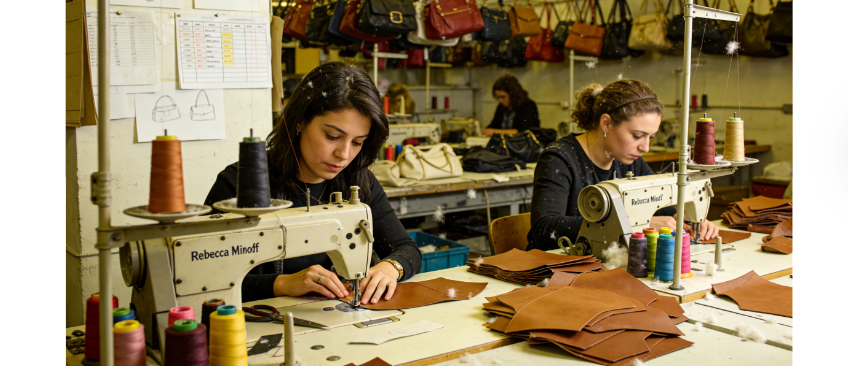
The Morning After Bag created a problem Rebecca Minkoff didn’t expect. Success came too fast.
Demand Outgrew Local Capacity
New York’s garment district couldn’t keep pace. The workshops that made Rebecca Minkoff famous hit their limits. They could produce hundreds of bags each month. Retailers were ordering thousands. Wait times stretched from weeks to months. Boutiques got frustrated. Sales opportunities slipped away.
The math was brutal. NYC labor rates ran $25-40 per hour. Material costs stayed high. Bulk discounts required volume the local shops couldn’t match. A single Morning After Bag cost $180-220 to produce in the US. Retail prices needed to cover those costs and stay competitive.
Chinese factories offered a different equation. Labor costs dropped to $3-8 per hour. Bulk leather purchases cut material expenses by 30-40%. The same bag now cost $70-90 to make. That pricing gap gave Rebecca Minkoff options. Lower retail prices to grab market share. Or protect profit margins and invest in growth.
The Quality Question Nobody Asked
Most people assume overseas production means lower quality. Rebecca’s experience showed something different. Chinese factories had been making luxury bags for Kate Spade, Coach, and Michael Kors for years. These weren’t sweatshops with old equipment.
Rebecca’s partner factories had computerized cutting machines for precise leather patterns. Master craftspeople worked there. They’d spent decades perfecting hardware installation and edge finishing. Quality control systems caught defects before shipping. ISO certifications meant regular audits. Safety standards got checked. Working conditions got monitored.
Rebecca kept her design team in Manhattan. Prototypes still got made in NYC. But production? China delivered consistent quality at high volumes. New York couldn’t match that. The brand needed both locations. Together they could meet demand and keep the details that made each bag special.
Quality Comparison: USA-Made vs China-Made Rebecca Minkoff Bags
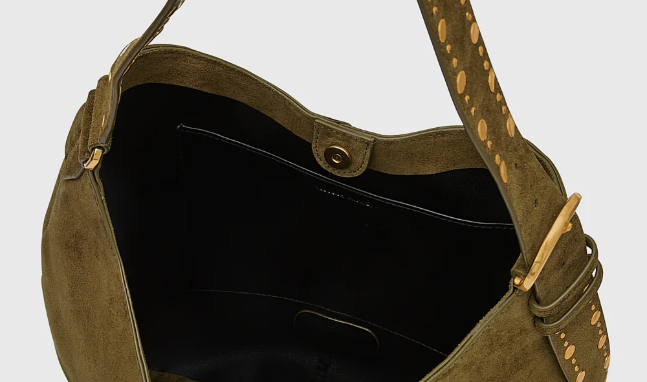
Bags labeled “Made in USA” sell for premium prices on resale platforms. Collectors hunt for these vintage pieces from the mid-to-late 2000s. But does the country of origin affect quality?
What Forum Users and Collectors Say
Something surprising happened in collector forums around 2008. Users owned both USA-made and China-made Rebecca Minkoff bags. They made bold claims. Many rated the China-made versions as better quality than their American ones.
One common comment: “They do a good job putting together bags.” Collectors noticed tighter stitching on Chinese-produced models. Hardware installation looked cleaner. Leather finishing was more consistent across batches.
This wasn’t what people expected. The “Made in China” tag carries baggage in fashion circles. Yet Rebecca Minkoff’s Chinese factory partners delivered work that matched the NYC workshop output. Some even exceeded it.
Materials and Construction Standards
Rebecca Minkoff’s Chinese bag factories use high-quality materials that match European and American bag production. The leathers come from the same tanneries that work with luxury houses. Hardware gets sourced from specialized makers who serve multiple premium brands.
Here’s the reality: the bags are as well-made as Europe or US products. You can’t spot a China-made Rebecca Minkoff just by looking at it. Remove the interior label? Most experts couldn’t tell you where it was made. The work quality speaks for itself.
This creates a problem for buyers. Genuine Rebecca Minkoff bags get made in China. Counterfeit bags also claim Chinese origin. Both tags say the same thing. Buy from verified retailers like Nordstrom or Zappos to ensure you get the real deal. The country label won’t help you spot fakes.
The Missing Data Problem
No official stats compare USA versus China leather bag production quality. Rebecca Minkoff hasn’t released defect rates. No published durability tests exist. Material thickness specs? Not disclosed. Stitch count comparisons? Nobody’s measured them in public.
The brand committed to safety and quality standards across all makers. But specific numbers remain internal. This makes fair comparison impossible. We’re left with user reports and resale market behavior.
Vintage USA-made bags command higher prices. That premium reflects scarcity more than better quality. Production runs were smaller back then. Fewer bags exist. Collectors pay for rarity and nostalgia.
China-made bags from 2008 onward maintain strong resale values. Quality holds up over years of use. That’s the real test.
How to Verify Where Your Rebecca Minkoff Bag Was Made
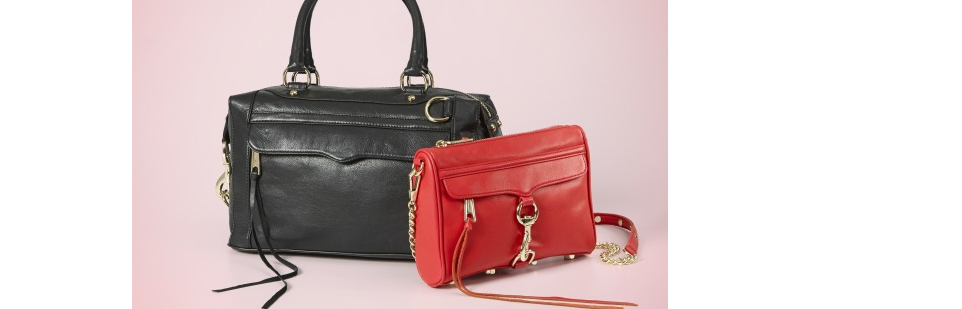
Rebecca Minkoff bags don’t have serial numbers. That’s different from luxury brands like Louis Vuitton or Gucci. You won’t find date codes stamped inside. Check the materials, stitching, and hardware quality to verify authenticity.
Check the Interior Manufacturing Label
Flip your bag inside out. Look for a leather patch or fabric tag sewn into the lining. This label shows the country of origin.
Genuine Rebecca Minkoff bags display one of these markings:
– “Made in China” (most common, post-2008 production)
– “Made in Vietnam” (recent models, 2018 onward)
– “Made in Indonesia” (recent models, 2018 onward)
– “Made in USA” (vintage pieces, pre-2008)
The stamping should look crisp and even. Fakes show blurry text or inconsistent fonts. Run your finger across the label. Real ones feel smooth with no raised edges or peeling.
Inspect Quality Control Markers
Machine production doesn’t mean poor quality. New authentic bags arrive in perfect condition. Zero loose threads. No scratches on hardware. Stitching lines up right where it should.
Check these details:
Leather quality: Press the material. Real leather feels soft and buttery. It smells like leather, not plastic or chemicals. Fakes use stiff materials that crack fast.
Stitching: Count the stitches per inch if you’re suspicious. Authentic bags have tight, even spacing. No skipped stitches. No veering off the seam line. Each stitch matches the next in tension and size.
Hardware and zippers: Rebecca Minkoff uses quality metal parts. Look for YKK or Lampo branded zippers. The zipper pull should have crisp engravings, not fuzzy stamping. Test the zipper. It should glide without catching or sticking.
Branded dustbag: Every authentic purchase includes an official dustbag with the Rebecca Minkoff logo. Tags should be attached with correct fonts and spacing.
Buy From Verified Retailers
Skip unverified sellers on auction sites or random online shops. Fakes copy Chinese production labels well. You can’t tell the difference just from reading “Made in China.”
Stick to these authorized sources:
– Rebecca Minkoff flagship stores
– Nordstrom and Nordstrom Rack
– Zappos
– Bloomingdale’s
– The brand’s official website
These retailers guarantee authentic products with correct labels. Your bag’s origin matches what the tag claims.
Use Professional Authentication Services
Still uncertain? Services like Real Authentication focus on Rebecca Minkoff verification. They examine photos of your bag’s construction details, hardware, and labels. Experts spot fakes that fool most buyers.
This option works best for second-hand purchases. Vintage “Made in USA” bags from pre-2008 command premium prices. Get proof the bag is genuine before paying extra for American-made heritage.
Rebecca Minkoff’s Supply Chain Transparency and Ethical Manufacturing
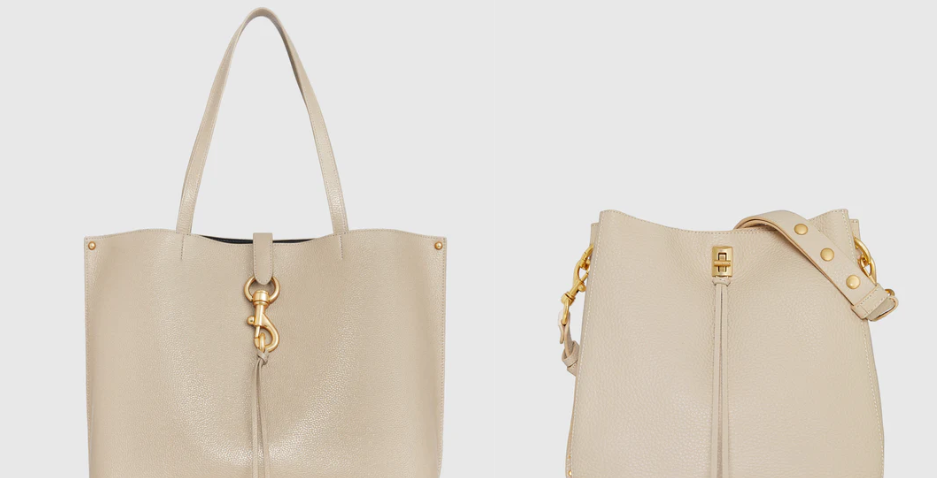
Rebecca Minkoff treats supplier ethics as a priority. The brand sets strict standards across bag factories in Vietnam, Indonesia, and licensed partners worldwide.
Zero-Tolerance Policies That Matter
We operate under no-tolerance rules for child labor, human trafficking, and slavery. These aren’t just words on paper. Rebecca Minkoff follows both the California Transparency in Supply Chain Act and the UK Modern Slavery Act. These legal requirements keep our supplier relationships clean.
Each factory goes through supplier audits before production begins. Auditors check compliance levels. They hunt for trafficking risks. They spot forced labor situations. This isn’t a one-time thing. Third-party audits continue throughout our partnership. Independent inspectors arrive without warning. They check if working conditions match contract promises.
What Suppliers Must Prove
Rebecca Minkoff doesn’t partner with just any factory. Suppliers must show certifications that meet global standards. Social responsibility counts. Environmental responsibility gets reviewed too.
The selection criteria dig deep:
– Ethical practices in hiring and production
– Local law compliance at every facility
– Worker rights protection and respect
– Safe working conditions with proper gear
– Fair wages that meet or beat regional minimums
– Reasonable working hours without too much overtime
Material sourcing gets screened. Rebecca Minkoff avoids suppliers tied to environmental harm. No human rights abuses. Nothing linked to conflict materials. Leather tanneries get extra review since the industry poses environmental risks.
Environmental Commitments Beyond Compliance
Factories work toward eco-friendly practices. We encourage partners to cut waste in cutting rooms. Energy-saving programs shrink carbon footprints. Lowering greenhouse gas emissions is part of ongoing factory reviews.
This standard keeps evolving. Rebecca Minkoff runs ongoing improvement programs. Regular reviews check processes. We team up with suppliers on upgrades. Better air systems. Water reuse in tanneries. Less waste in packaging. These changes roll out step by step through teamwork, not demands.
Conclusion
You now know where and how Rebecca Minkoff bags are made. This knowledge helps you shop smarter. Looking at a vintage NYC piece or a modern design from the brand’s global leather bag factories? You know what to check.
The brand moved production overseas. Quality stayed the same. Luxury became more affordable. The design style that made Rebecca Minkoff famous? Still there.
Check the interior tags before you buy. Look at the craftsmanship details we shared. Ask retailers where specific bags were made. Your Rebecca Minkoff bag has a story. It starts with the designer’s New York roots. Today, it includes an international production network. This balances ethical bag manufacturing with fair pricing.
Want to add a Rebecca Minkoff piece to your collection? You know where these bags come from. You know how they’re made. Shop with confidence. You understand what you’re buying and why it matters. The right bag goes beyond the label. It’s about knowing the full journey—from concept to your closet.