Looking for a new sports bag can easily become confusing because there are so many choices. From gym backpacks to duffel bags and drawstring bags, each style fits different activities. Understanding the main gym bags types helps you choose what really works for your daily training or weekend sports.
This guide introduces the most popular options and what makes each one useful, helping you find the best sports bag for your needs. Whether you go to the gym every day or play basketball with friends, this article gives you a clear direction.
Duffel Bags
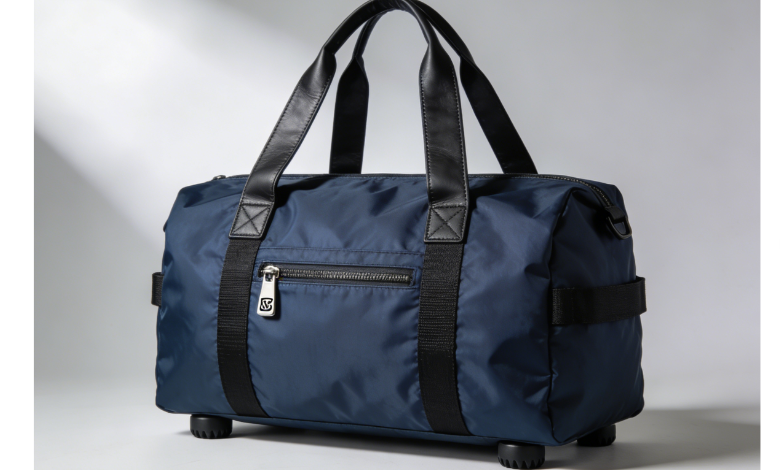
The duffel bag gets its name from Duffel, a town in Belgium. This town made the thick woolen cloth used in early duffel bags during the 16th and 17th centuries. The military used this cylindrical, soft-sided bag with top closure first. Naval forces adopted it in the 20th century. Now it’s a go-to bag for sports, gym, and travel.
Understanding Duffel Bag Sizes
Duffel bags come in different sizes to match what you need:
-
Small (under 30L): Perfect for short outings and quick gym visits
-
Medium (30–60L): Works for full-day trips and overnight stays
-
Large (60–90L): Fits weekend trips and training camps
-
Extra-large (over 90L): Built for week-long trips and big athletic events
Most carry-on duffels hold around 40L. They fit the typical 22 × 14 × 9 inch (56 × 36 × 23 cm) airline limits. The Patagonia Black Hole Duffel 40L is a good example. It measures 19.7″ × 12.5″ × 8.5″ and weighs just 2 lb 4.9 oz (1,045g). This makes it ideal for cabin storage.
Measuring Your Duffel
Lay the bag flat. Measure the longest side end-to-end for length. Stand it upright and fill it. Measure from base to top for height. For width, measure the shorter base side once the bag holds its shape. Need to ship it? Wrap measuring tape around the widest point to get the circumference.
Real-World Gym & Travel Applications
A standard gym duffel uses 600D polyester construction. Dimensions run around 21″ × 10″ × 9″. You can pack shoes, workout clothes, toiletries, and a water bottle in this size. Plus, it fits airline overhead bins. Get designs with two end pockets and one front pocket. This gives you quick access to your essentials. Adjustable handles and detachable shoulder straps add carrying options.
The duffel’s soft build squeezes into tight spots—locker rooms, car trunks, closets. It also opens up to hold bulky gear.
Backpacks

Athletes, students, and fitness fans pushed the global backpack market from USD 15.49 billion in 2021 to USD 20.01–21.74 billion in 2025. North America leads this growth. It claims 39.77% of 2025 revenue (USD 8.55 billion). The active and sports backpack segment alone hit USD 6.84–6.91 billion in 2025. Experts predict it will reach USD 10.04 billion by 2029. This surge shows a major shift in how people carry their athletic gear.
Why Backpacks Dominate Sports Gear Transport
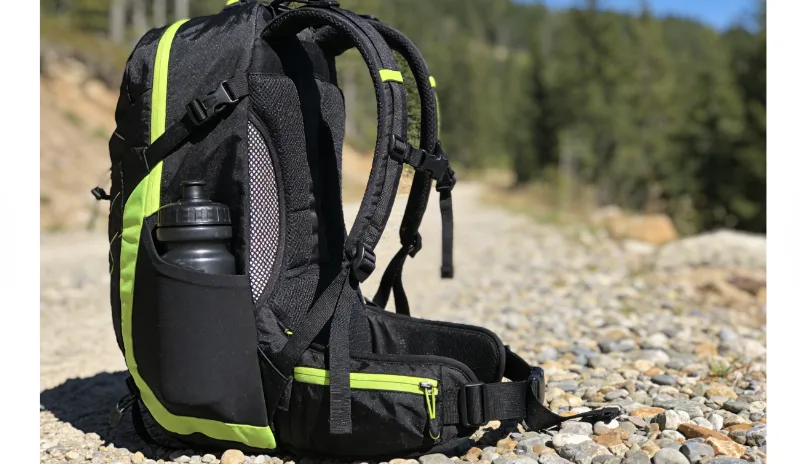
Sports backpacks started as basic canvas bags with one compartment. Now they’re technical gear. Today’s models pack multiple compartments, ergonomic support systems, and sport-specific setups. You get pockets for wet shoes, ventilated ball storage, hydration sleeves, and laptop sections. Backpacks now handle three roles—gym sessions, office trips, and weekend adventures.
The design spreads weight across both shoulders. Padded straps, chest clips, and hip belts move the load off your spine. This stops the shoulder pain you’d get from single-strap duffel bags on long carries.
Practical Capacity & Real-World Sizing
Sports backpacks range 20L to 40L:
-
20–25L: Gym trips with clothes, shoes, toiletries
-
30–35L: Full training gear plus extras
-
40L+: Weekend games, team travel, bulky gear (helmets, pads)
A 30L sports backpack at 18″ × 12″ × 8″ fits most overhead bins and gym lockers. Pick models in 600D or 1000D polyester with reinforced bottoms. They take repeated drops and rough handling.
Advanced Material Integration
Premium models use waterproof zippers, ripstop fabrics, and ventilated back panels with air-mesh channels. Some add RFID-blocking pockets for keys and cards. The laptop backpack segment hit USD 5.6 billion in 2024. This shows that mixing tech protection with sports function drives real sales.
Shoulder Bags

Shoulder bags now make up 5–15% of the sports bag category by 2024. Minimalist urban fitness culture pushed this growth. The global shoulder bag market hit USD 20 billion in 2023. It will jump to USD 32 billion by 2032 at a 5.4% CAGR. Asia-Pacific grows fastest at 6.5% per year. Compact city living and quick gym trips fuel this spike.
Compact Design for Light-Load Athletes
Sports shoulder bags hold 5–15L in volume. Most measure 30–45 cm wide, 20–30 cm tall, and 8–18 cm deep. They weigh under 500g empty. Nylon or polyester keeps them light. You get one main compartment with 1–3 small pockets for keys, phones, and cards. Black, grey, and navy colors dominate. Minimal branding keeps the look clean. Urban commuters love this style. They mix fitness with work or social trips.
Real Capacity Limits
-
5–8L: Phone, wallet, towel, 500–750ml bottle. Works for studio classes, walking, light workouts.
-
8–12L: T-shirt, shorts, lightweight shoes, 1L bottle. Fits casual gym sessions and after-work training.
-
12–20L: Full outfit, shoes, large towel, toiletries. This is the limit before backpacks work better.
User reviews show comfort stops at 4–6kg on one shoulder for 20–30 minutes. Heavier loads cause neck and shoulder pain. Wide straps (≥3.8–5cm) with rubberized pads stop slipping. Cross-body carry works better than hanging on one shoulder. It spreads the weight.
Best-Use Scenarios
Shoulder bags work great for short gym visits, indoor sports (badminton, table tennis, basketball shoot-around), and multi-modal commutes. Compact size helps on crowded trains or buses. You get quick on-off access that beats backpacks. But duffels win for bulky gear or team equipment.
Gym-Specific Bags
The gym bag market doubled from USD 1.0 billion in 2018 to USD 3.9 billion by 2024. Projections show it will hit USD 6.5 billion by 2032. North America drives this growth. People want bags that do more than one job. Your gym bag now carries work laptops, office clothes, and weekend gear in one trip.
Smart Storage Drives What People Buy
Modern gym bags win with smart storage solutions. Market data shows “efficient storage” and “smart compartmentalization” rank as top reasons people buy. You need specific pockets for specific items:
-
Separate shoe compartment: Bottom or side zipper keeps dirty trainers away from clean clothes. Most measure 30–35cm long to fit men’s size 12 shoes. Mesh panels stop moisture buildup.
-
Wet clothing section: Waterproof-lined pocket keeps sweaty shirts, swimwear, or damp towels separate. Your laptop, wallet, and fresh outfit stay dry.
-
Accessory organization: Quick-access pockets hold water bottles, headphones, keys, toiletries, and protein shakers. You grab what you need fast. No digging through the main compartment.
Work-to-gym commuters love this setup. Pack office clothes in the main space. Put gym gear in the shoe section. Keep wet items separate. Everything stays organized and fresh.
Better Materials Handle Gym Wear and Tear
Premium gym bags now use germ-fighting linings and smell-resistant fabrics. Mesh inserts reduce moisture and smell. North American buyers want water resistance and breathable panels as must-have features. Lightweight polyester (600D or higher) with strong stress points handles drops and locker-room use. Some brands add recycled or earth-friendly materials for eco-conscious buyers. These upgrades explain the 6.5% annual price growth through 2032.
Sport-Specific Bags
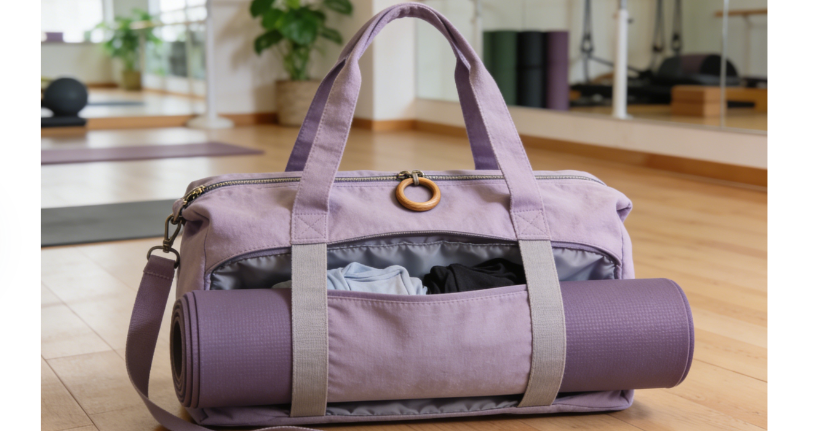
Different sports need different bags. The global sports equipment bag market hit $15 billion in 2025. It will grow at 7% each year through 2033. Golf bags alone show 11.2% growth per year in the U.S. market from 2025–2034. Athletes now want bags made for their sport. Hockey players need strong frames for heavy gear. Baseball players want bat sleeves and wheels. Generic gym bags can’t handle what each sport needs.
Hockey Bags – Built for Impact and Tower Storage
Hockey bags come in two main styles. The traditional coffin-style bag stretches 40–44 inches long. It holds full protective gear plus a stick bag. Tower-style bags stand upright like a locker. Both styles use heavy-duty materials to handle rink abuse.
Material and Construction Specs:
-
Bottom panels use 2–4mm thick HDPE or molded plastic. This hard base stops crushing and blocks moisture from ice rink floors
-
Wheel zones get 20+ bartack stitches at stress points with double-lock seams
-
Outer shell uses 600D to 1680D polyester/nylon with PU or TPU coating for waterproofing and wear resistance
-
#10 heavy-duty zippers with burst-resistant tape at high-pressure zones
Tower bags work like standing closets. Helmets, chest protectors, pants, leg guards, and skates each get their own space. The U-shaped full-length zipper opens the entire front panel. You grab what you need. No need to unpack everything. Mesh panels let air flow through to cut down on smell. Most towers roll on two wheels with 80–100cm pull handles. Much easier than carrying 15–20kg of gear on your shoulder.
Baseball Bags – Bat Protection Meets Wheeled Convenience
Baseball bags solve one key problem: keeping expensive bats safe during transport. Adult bags include 2–4 individual bat sleeves. Pro catcher and power hitter models pack 4–6 sleeves. Each tube measures 2.5–3 inches in diameter. They fit standard bat sizes with protective sleeves. Premium versions use EVA or PE-lined hard tubes to stop collision damage.
Wheeled baseball bags usually measure 34–38″ long × 10–14″ wide × 10–14″ high. They carry bats, gloves, helmets, cleats, and protective gear in one trip. 3–4 inch PU wheels handle 20–30kg of equipment weight. Catchers get the most benefit from wheels. Full catching gear—chest protector, leg guards, mask, mitt—is too heavy for a backpack. Rolling the load saves energy for the game.
Tote Bags
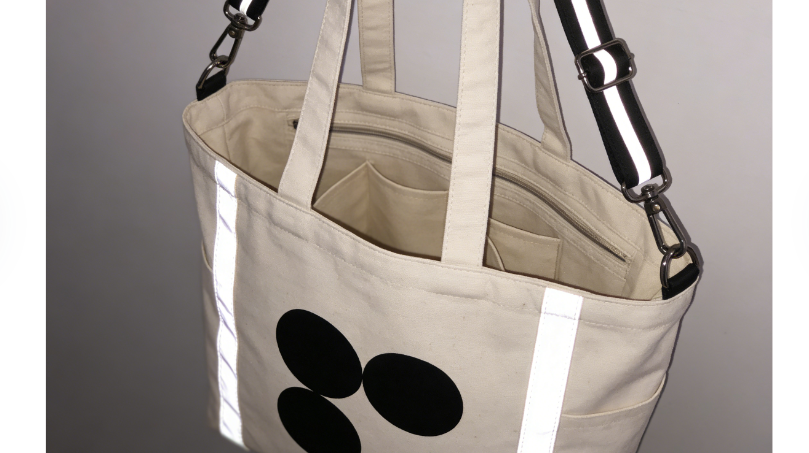
Tote bags carved out a sports niche in a market where casual everyday use claims 48.75% share in 2025. Market research shows six core tote segments: Shopping, Casual Everyday, Laptop, Sports, Business & Travel, and Personalized. Sports is a clear category on its own. Athletes and gym-goers use totes to carry gear for specific needs.
Open-Top vs. Zippered Designs – Security Trade-offs
Totes come in two closure styles. Each one changes how safe your stuff stays:
-
Open-top totes: Magnetic snaps or no closure give you fast access to one main space. You grab what you need quickly. But open tops create theft risks in crowded stadiums and spills on buses or trains. Security guides for sports venues mark open bags as easy targets for pickpockets.
-
Zippered totes: Full-length top zippers reduce pickpocket risk. They also prevent things from falling out during travel. Stadium and gym security pros suggest secure closures for valuables—phone, wallet, keys—mixed with your sports gear.
Security tips: Pick full-zip or drawstring-top totes for public gym trips. Open-top works fine for short, safe trips (like home to local gym by car). Add an internal zip pocket for electronics and cash if you go with an open-top style.
Moderate Capacity – Volume Ranges & Real Loads
Tote capacity falls into three groups:
-
Small (5–10L): 25–30 cm wide, 20–25 cm tall, 8–10 cm deep
-
Medium/Moderate (10–20L): Most gym totes fit here
-
Large (20–30+L): Travel and shopping use
A moderate 10–20L tote holds:
-
1 set gym clothes
-
1 pair training shoes
-
Small towel
-
500–750ml water bottle
-
Small toiletries
-
Phone, wallet, keys
This load suits 45–90 minute gym sessions, studio classes (yoga, Pilates, barre, dance), and light outdoor sports that need a change of clothes. Don’t use totes for team sports with balls and protective gear. They can’t fit multiple shoes or big items like climbing or boxing equipment.
Portability Advantages
People love totes for their ease. Main benefits:
-
Single-shoulder carry: Quick access at gym doors
-
Wide top opening: Fast packing and unpacking of clothes and shoes
-
Low empty weight: Canvas and non-woven materials weigh less than duffels or backpacks
-
Foldability: Simple locker storage or fits inside larger travel bags
Best-Fit Sports Scenarios
Totes work great for:
-
After-work fitness: One outfit, shoes, towel, bottle, toiletries; car or short bus ride
-
Yoga/Pilates/barre: Clothes, towel, grip socks, strap (carry mat on its own)
-
Indoor cycling/dance: Change of clothes plus shoes with few extras
Totes give you simplicity for light loads. They shine for quick trips where speed beats heavy-duty protection.
Conclusion
Choosing the right sports bag is not only about looks, it is about comfort, function, and your daily sports routine. By understanding the main gym bags types, you can compare styles like backpack for athletics or larger sports equipment bags and decide what truly fits your needs.
There is no single best sports bag for everyone, but there is always a perfect one for your own lifestyle. Take your time, check the features, and choose a sports bag that keeps every activity organized and more enjoyable.