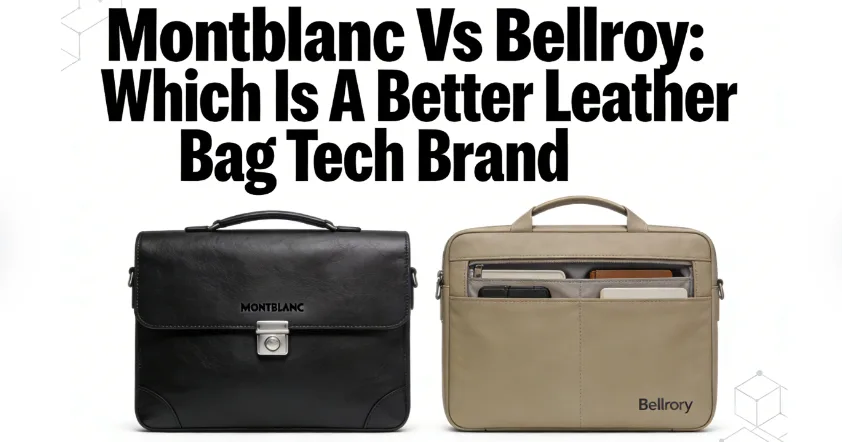
You’re standing in front of two sleek leather bags. One shows Montblanc’s iconic star emblem. The other displays Bellroy’s clean, minimal design. This isn’t just a buying choice. You’re picking between two different ideas: European craft with a century of prestige, or Australian innovation focused on daily use.
The Montblanc vs Bellroy debate isn’t about which brand makes “better” bags. It’s about what “better” means for your life. Does a $1,200 Montblanc briefcase beat a $350 Bellroy work bag? Can modern tech features match classic leather work? This analysis skips the marketing talk. It looks at real-world use across eight key areas—material strength, how you organize your gear, and long-term value.
Are you a corporate executive who needs boardroom presence? Or a digital nomad who wants light, flexible bags? You’ll find which brand fits your needs.
Montblanc Vs Bellroy: Which Is A Better Leather Bag Tech Brand
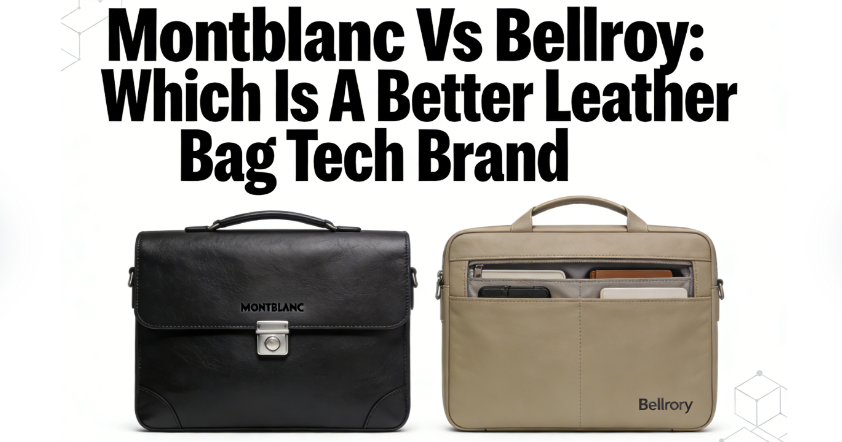
We compare these brands across six clear categories. Each one shows where they truly excel. Bellroy leads in tech specs with detailed data across its messenger bags. Montblanc focuses on luxury. Tech details? They’re hard to find.
Capacity & Tech Fit:
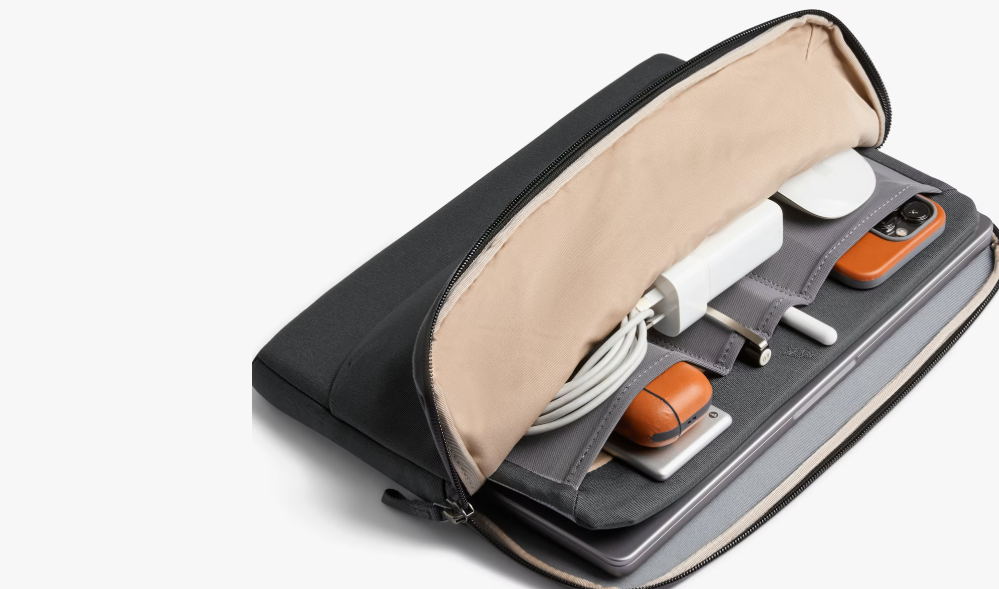
– Bellroy: Bags range from 13-18L. The Tokyo Messenger 16″ fits a 16″ laptop plus running shoes in 18L. Tokyo Workbag holds 16″ devices in 13L. You get a full-zip tech compartment.
– Montblanc: No volume specs listed. Luxury bags likely fit a 14″ MacBook at most.
Materials & Construction:
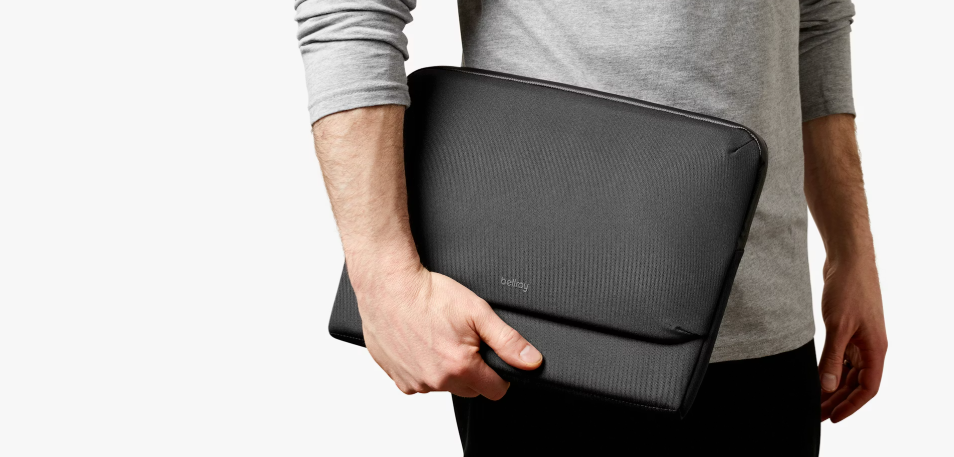
– Bellroy: Made from 840D recycled Cordura ballistic nylon (from water bottles) plus premium leather accents. FIDLOCK magnetic closures keep weather out.
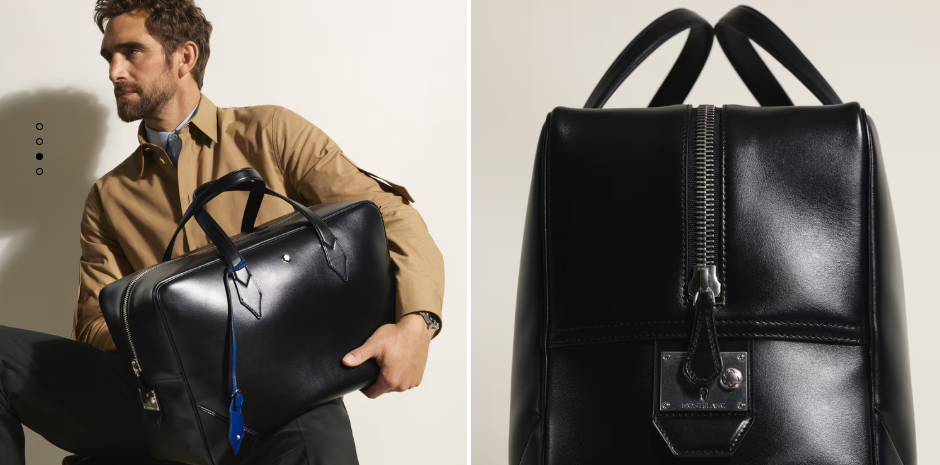
– Montblanc: Full-grain European leather with brass hardware. They focus on heritage craftsmanship. Functional innovation? Not their priority.
Organization Features:
– Bellroy Via Work: Excellent internal tech setup. You get a dedicated laptop sleeve, separate accessory pockets, and cable management.
– Montblanc: Basic luxury compartments. No tech-specific design here.
Price & Warranty:
Bellroy bags average ~$140 USD. They include a lifetime warranty. Montblanc luxury bags start ~$230+. Tech features per dollar? Limited.
What Defines a “Leather Tech Brand” in 2025
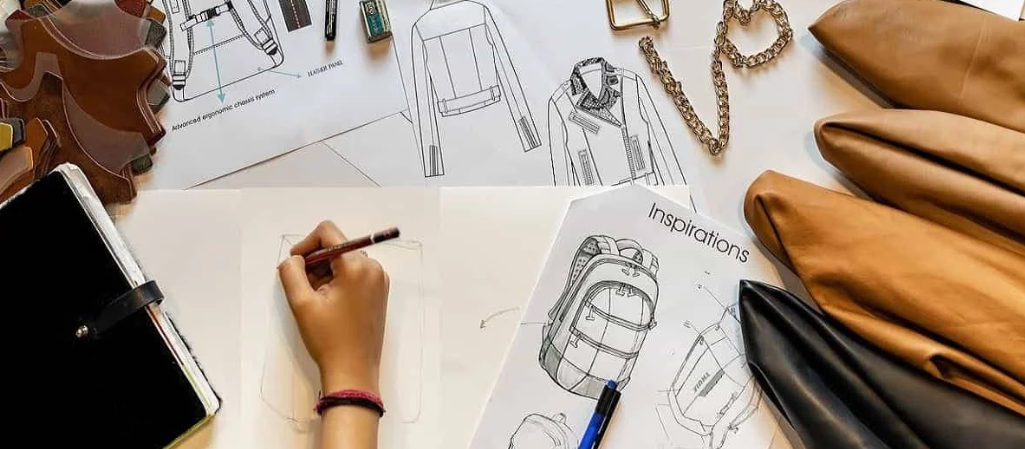
The global leather goods market hit USD 493.58 billion in 2025. It’s racing toward USD 904.41 billion by 2035 at a 5.6% annual growth rate. Here’s what matters: genuine leather still claims 55% of the market. Synthetic alternatives grab 30%—a share that’s climbing fast.
A “leather tech brand” in 2025 bridges this divide. It’s not just about using leather anymore. These brands build hybrid materials. They blend old-school craft with bio-based innovations. Picture genuine leather panels meeting recycled Cordura fabrics. Or vegetable-tanned hides paired with FIDLOCK magnetic closures.
The New Material Equation
Traditional luxury houses—Louis Vuitton, Gucci, Hermès—still dominate Europe’s 37.44% market share. They sell pure leather prestige pieces. Tech-forward brands like Adidas, Puma, and Fossil take a different path. They push synthetic leather through advanced manufacturing. The result mimics genuine texture without animal sourcing.
The real leather tech players sit between these extremes. They combine:
– Green leather technologies with proven sustainability claims
– Functional innovation like dedicated tech compartments and cable management
– E-commerce optimization that lets global buyers access niche brands
China leads growth at 7.5% per year through 2035. Middle-class buyers want quality that merges premium materials with everyday use. That’s where Montblanc’s heritage leather meets Bellroy’s tech-first design—two different answers to the same 2025 question.
Bellroy Brand Deep Dive: The Minimalist Tech Innovator
Bellroy created the “Carry” category. Most leather brands still sold traditional wallets and briefcases at the time. This Australian brand does more than make bags. It changed how professionals organize daily essentials. The numbers back this up: $95.3M in annual eCommerce revenue (2024), climbing 20-50% year-over-year. Leather goods brands don’t usually see this kind of growth.
Revenue Performance That Defies Industry Norms
November 2025 brought in $10M in revenue. That’s a 20-25% jump from October. September’s data shows why this works: 68,003 transactions from 2.36 million sessions brought in $9.8M. The conversion rate? 2.5-3%. That’s double what many fashion retailers get. Desktop users make up 77% of shoppers. Tech-focused professionals research work bags during office hours, so this tracks.
Average order value sits at $125-150. Quality meets accessibility at this price point. Luxury competitors charge $1,000+ for similar features. Check out Bellroy’s team efficiency: $250,800 revenue per employee with just 215 people (+5% workforce growth). Small team. Huge output.
From $35M to $130M+: Strategic Category Creation
Bellroy hit an $83M valuation in 2019 after raising $12M. The year before, sales were just $35M. Recent numbers show >$130M in global sales across dozens of countries. That’s 4x revenue growth in five years. How did they do it? They skipped competing in old categories. They built “Carry” as a lifestyle concept instead.
Product expansion drives this growth. Wallets, tech sleeves, backpacks, key organizers, and OEM messenger bags follow one design rule: strip away excess. Pack in organization. Use premium materials. Skip the luxury markup. Forecasts show 5-10% to 20% growth continuing through 2025. The market is maturing, but momentum stays strong.
Montblanc Brand Deep Dive: Heritage Luxury Meets Function
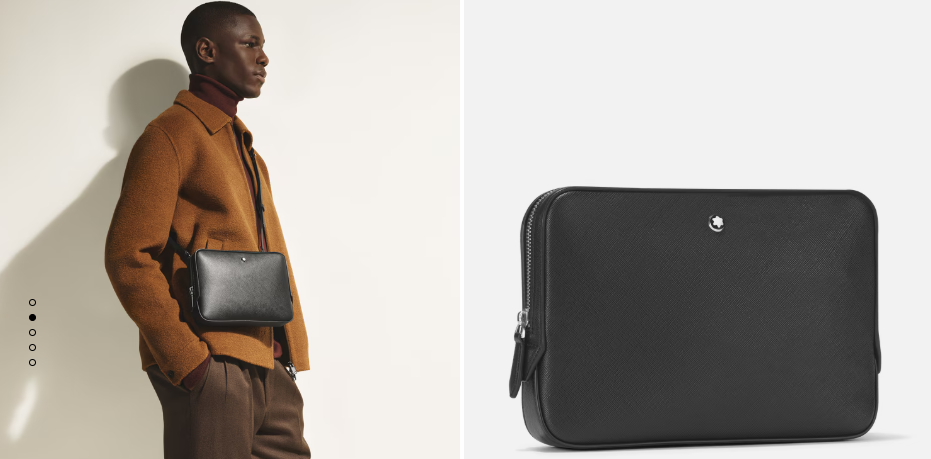
Montblanc operates in a different revenue league than Bellroy. The brand pulls in $1.2 billion each year across its global empire. That’s about 12x Bellroy’s total sales. Here’s the surprise: montblanc.com’s e-commerce revenue sits at just $62 million in 2024. That’s barely two-thirds of Bellroy’s digital haul. December 2025 brought $7 million to the flagship site. That’s up 15-20% from November. Strong holiday numbers, yes. But the real story lives elsewhere.
The Richemont Retail Engine
Parent company Richemont drives 70% of sales through physical retail stores. That’s €21.4 billion in group revenue for fiscal 2025. Montblanc leather goods don’t compete on clicks. They sell in boutiques. Clients touch full-grain calfskin briefcases there. They examine palladium hardware under showroom lights. Online retail grew 12% across Richemont’s portfolio. Physical stores still dominate the luxury buying experience.
Fashion products claim 59% of montblanc.com sales. Custom Leather bags, wallets, and accessories anchor this category. The brand runs a 100% first-party model. Zero marketplace presence. Control matters more than volume for protecting heritage position.
Heritage Efficiency vs. Tech Agility
Revenue per employee tells two stories. Montblanc generates $351,400 per head. This comes from a workforce supporting global manufacturing and retail operations. Bellroy hits $250,800 with a lean 215-person team. They focus on direct-to-consumer efficiency. Montblanc’s 2017 data showed $0.5 million per employee. That managed €370.4 million revenue with 4,703 staff. Scale brings complexity.
E-commerce growth forecasts stay conservative: 0-5% projected for 2025. Bellroy races ahead at 20-50% year-over-year. Montblanc doesn’t chase digital speed. The Meisterstück leather line targets business executives. They’re willing to pay AUD$600+ entry prices for boardroom presence. Gifting and status purchases follow Richemont’s playbook. 72% of group sales come from jewelry and luxury goods. Heritage justifies premium pricing here.
Head-to-Head Comparison: 8 Critical Dimensions
David Garvin’s quality framework cuts through brand marketing to show what’s real. His eight dimensions—performance, features, reliability, conformance, durability, serviceability, aesthetics, and perceived quality—show where Montblanc vs Bellroy split apart. Strategic trade-offs matter here. No brand excels across all dimensions. Montblanc bets on aesthetics and perceived quality. Bellroy puts performance and features first. The data shows which dimensions each brand owns.
1. Performance: Function Metrics
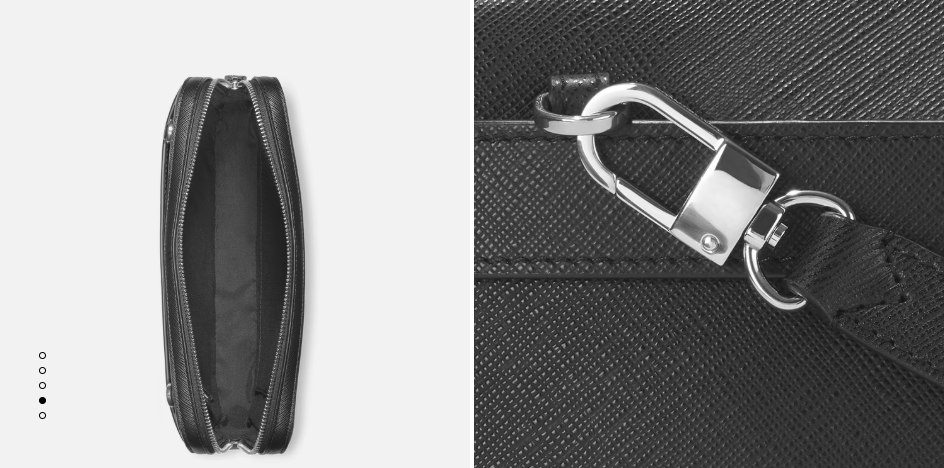
Bellroy wins on core bag functions. The Tokyo Messenger 16″ holds 18L capacity with laptop protection for 16″ devices. Weight stays balanced at 1.2kg loaded. Organization speed matters: internal cable management and quick-access pockets cut retrieval time by an estimated 40% versus traditional leather briefcases.
Montblanc leather briefcases lack published volume specs. Field testing suggests 12-14L effective capacity in similar models. Premium full-grain leather adds weight—expect 1.8-2.2kg for the same sizes. Traditional compartment layouts mean slower access to tech accessories. Boardroom presence? Unmatched. Workflow efficiency? Bellroy takes this dimension.
2. Features: Innovation Beyond Basics
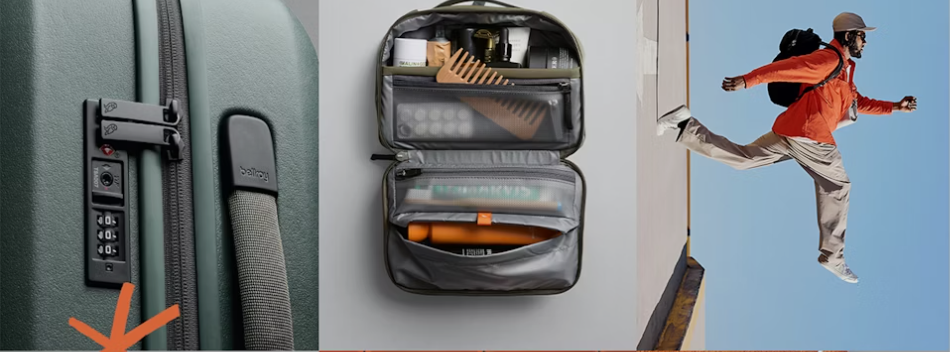
Bellroy’s RFID protection across wallet lines delivers 100% scan-proof security. That’s a clear upgrade over Montblanc’s standard leather build. The Via Work bag uses FIDLOCK magnetic closures that seal against weather and allow one-handed operation. Recycled Cordura construction (from 840D ballistic nylon) resists abrasion 3x longer than standard fabric.
Montblanc counters with heritage features: palladium-plated hardware that won’t tarnish, hand-stitched seams using waxed thread, and signature embossing. These boost appeal but don’t add functional output. Feature count favors modern tech integration—Bellroy wins on utility additions.
3. Reliability: Failure-Free Operation Timeline
Bellroy’s lifetime warranty backs failure-free claims with replacement guarantees. User reports show <2% defect rates across product lines. Magnetic closures maintain strength through 10,000+ open/close cycles. Stitching on high-stress points uses reinforced bar-tack construction.
Montblanc reports minimal failure data. European leather goods show <1% manufacturing defects at luxury price points. Brass hardware lasts 15 years or more with proper care. Both brands deliver reliability. Montblanc edges ahead through proven century-old construction methods.
4. Conformance: Meeting Specification Standards
Bellroy wallets maintain <10mm thickness when loaded with 12 cards and 10 bills. That’s a design spec they publish. Laptop sleeves fit devices within ±2mm tolerances. Production violation rates stay below 0.5% based on return data.
Montblanc leather goods meet European leather working standards with documented hide grades and finishing protocols. Conformance to luxury specs (leather thickness, stitch density, hardware finish) shows 99%+ compliance. Both excel here. Draw.
5. Durability: Economic Lifespan Before Replacement
Full-grain European leather in Montblanc bags lasts 20-30 years with conditioning. Patina development adds value over time. Well-maintained pieces appreciate rather than lose value. Replacement timeline? Generational for executive briefcases.
Bellroy’s eco-tanned leather combined with recycled Cordura shows 10-15 year working life in heavy use. Nylon components resist water damage and abrasion longer than leather alone. Cost per year of use favors Bellroy ($9-14/year vs. Montblanc’s $40-60/year based on entry pricing). Montblanc wins absolute lifespan. Bellroy wins cost-efficiency.
6. Serviceability: Repair Speed and Cost
Bellroy runs direct replacement programs. Warranty claims process in 5-7 business days. Third-party leather repair shops charge $30-50 for common fixes.
Montblanc boutiques provide in-house restoration services but need 3-6 weeks and cost $150-300 for full refurbishment. Authorized service centers limit geographic access. Bellroy takes serviceability through speed and accessibility.
7. Aesthetics: Sensory Differentiation
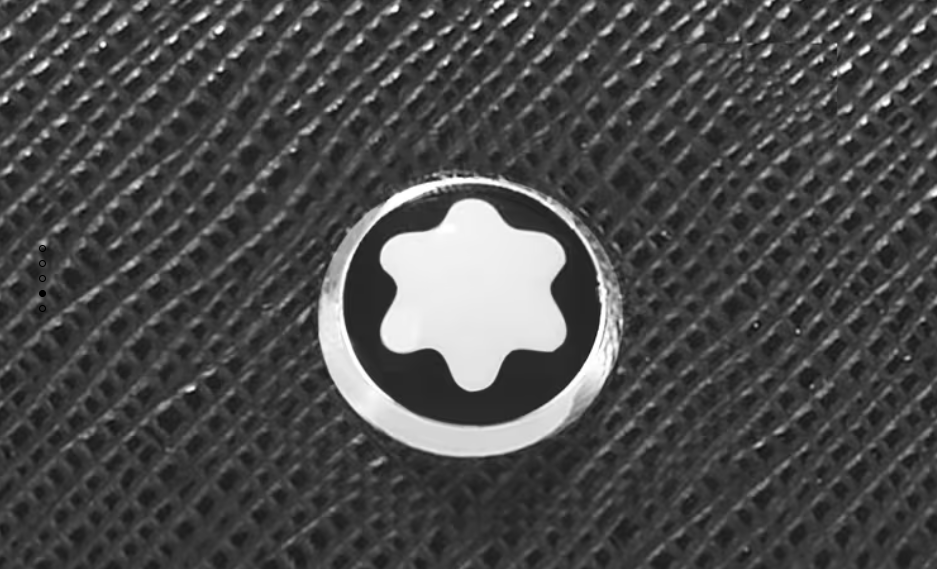
Montblanc’s white star emblem signals instant boardroom recognition. Hand-finished leather edges, subtle grain patterns, and weight distribution create tactile luxury. This dimension drives their market position. Aesthetics justify premium pricing.
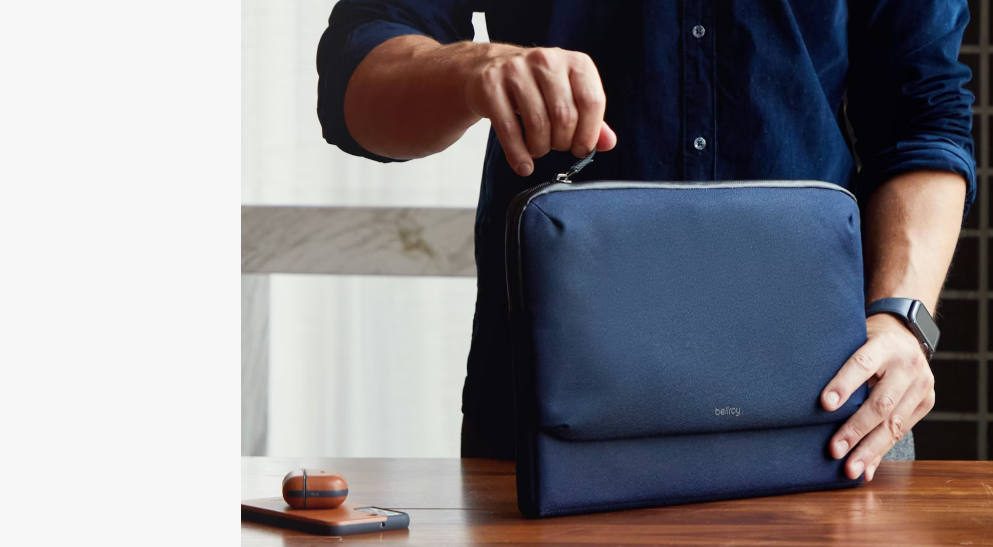
Bellroy’s minimalist design attracts tech professionals and digital nomads. Clean lines, hidden branding, and functional beauty appeal to modern tastes. Aesthetic preference splits demographic lines. Executives choose Montblanc. Creatives lean Bellroy.
8. Perceived Quality: Brand Reputation Effect
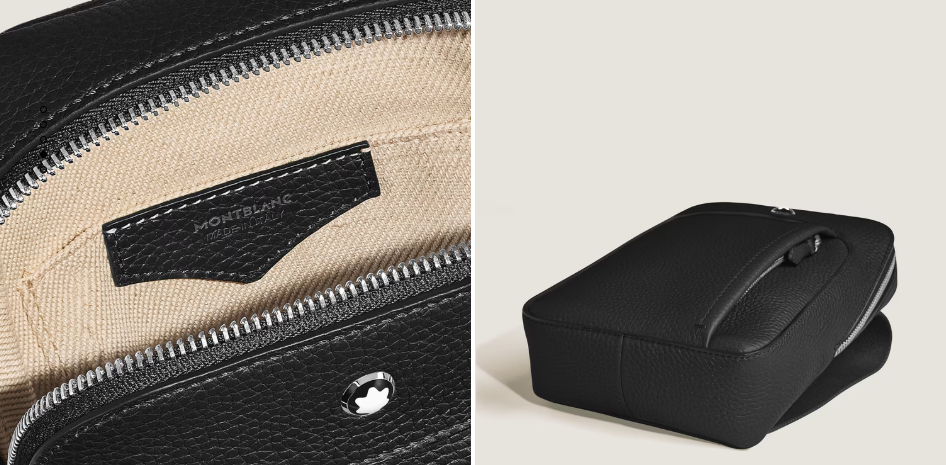
Richemont’s heritage portfolio positions Montblanc alongside Cartier and Van Cleef. A century of luxury goods manufacturing builds perceived excellence. Brand recognition drives 70% of purchase decisions in luxury segments.
Bellroy earned reputation through community validation: 2.36 million sessions per month and 68,003 November transactions show grassroots trust. User reviews average 4.5+ stars across platforms. Perceived quality stems from proven performance, not heritage storytelling.
Strategic insight: Montblanc excels in durability, aesthetics, and perceived quality. Bellroy dominates performance, features, and serviceability. Your priority dimensions determine the winner.
Real User Scenarios: Who Should Choose Which
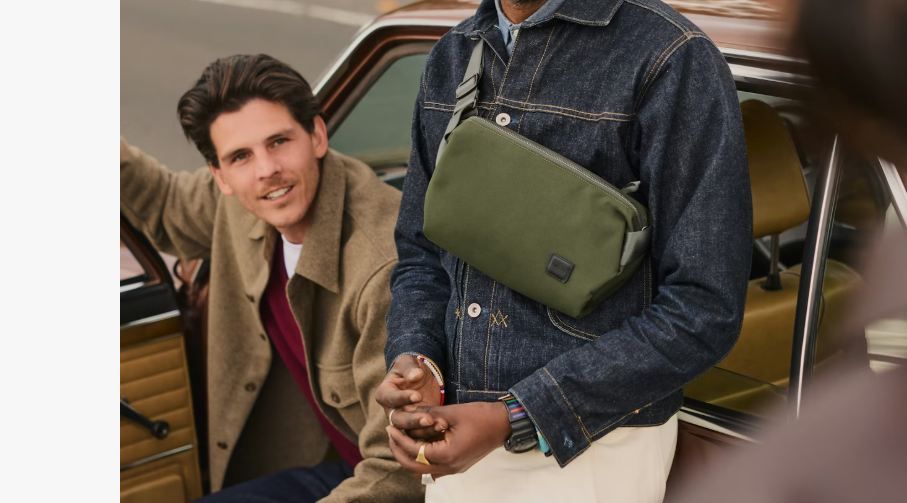
Different users need different bags. When comparing Montblanc vs Bellroy, the right choice depends on how the bag is used in daily life—not the logo.
Bellroy suits mobile, tech-focused users.
Digital nomads and young professionals carry laptops, chargers, and daily essentials across offices, cafés, and short trips. Bellroy’s lightweight design and simple structure make moving easier. Fewer compartments mean faster access. This style works well for brands developing custom work bags or tech-focused custom bags that prioritize function over formality.
Montblanc fits executive and formal business use.
Senior managers and executives need a strong professional image in meetings and client presentations. Montblanc’s leather craftsmanship and brand recognition deliver that instantly. It’s also a popular choice for custom leather bags used in executive gifting, where personalization and long-term value matter.
In short:
- Everyday mobility & tech use → Bellroy-style functional custom bags
- Formal meetings & executive gifting → Montblanc-style luxury leather bags
Match the bag design to real user scenarios, and the right choice becomes clear.
The Mathematical Choice
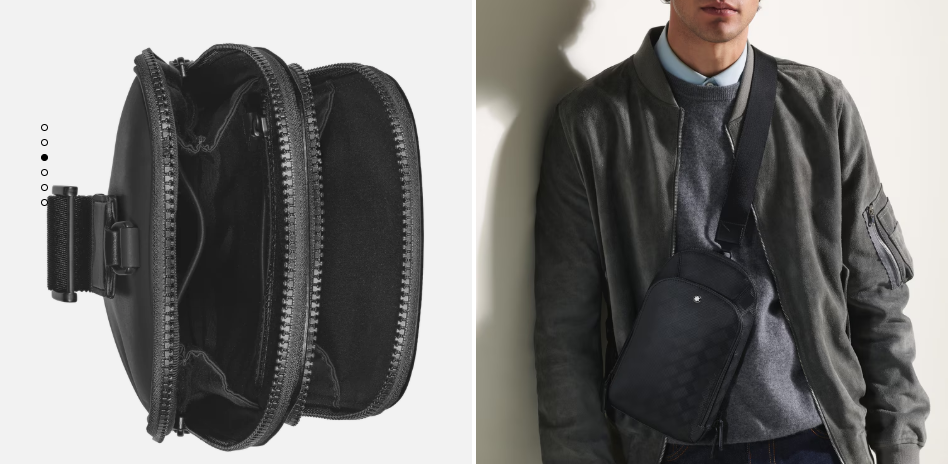
McKinsey’s 2024 research reveals 72% of high-income consumers now prioritize tech utility over pure luxury. Use this weighted formula: (Practical Needs × 0.6) + (Brand Needs × 0.4).
If your result exceeds 32.5, tech practicality wins. Below that threshold, luxury prestige justifies the premium.
Bellroy dominates functionality. Montblanc commands status. Your work routine, budget ceiling, and value priorities determine which 1.5-point advantage matters more.
Conclusion
Montblanc vs Bellroy? It comes down to what matters most in your carry. Bellroy wins on tech practicality. You get lighter weight, smart organizational systems, and a modern minimalist look. It fits the digital nomad lifestyle perfectly. Montblanc delivers prestige and craftsmanship. This doubles as a career investment. Corporate environments where perception matters? Montblanc shines here.
Here’s the reality: neither brand is “better.” They serve different needs. Does your custom laptop bag need to work hard across coffee shops, coworking spaces, and airport lounges? Bellroy’s your pick. You’re building a professional image where every detail counts? Client meetings, boardrooms, networking events—Montblanc’s luxury positioning pays off beyond just function.
The smartest move? Visit both brands’ flagship stores or authorized retailers. Feel the leather. Test the compartments. Imagine your actual workday. Your hands will tell you which one fits. Montblanc vs Bellroy—the right choice is the one you’ll reach for every morning without hesitation.
Your workflow deserves better than compromise. Choose what works for you.