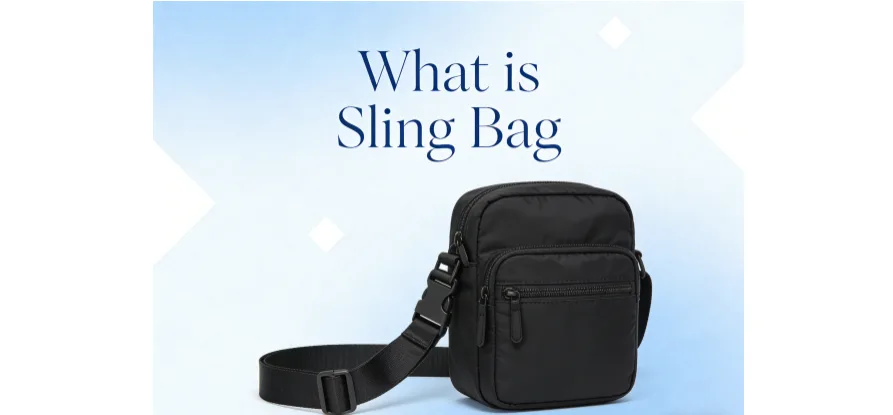
You’ve seen them everywhere—that sleek single strap bag slung across someone’s chest during their morning commute, at the airport, or on crowded city streets. But what makes sling bags so popular with urban professionals, travelers, and minimalists worldwide?
The answer is simple. They combine smart design, practical features, and real versatility. I noticed this myself after switching from a backpack to a sling bag during a crowded commute—it instantly felt easier to move and reach my essentials. Traditional backpacks need both shoulders. Handbags tie up your hands. Sling bags offer something different: freedom of movement with quick access.
Maybe you’re buying your first hands-free bag. Or you’re curious why these compact crossbody designs have taken over the carry market. Either way, you’re about to learn the design principles, practical benefits, and real advantages that make simple adjustable strap bags so useful.
We’ll cover anti-theft features and weight distribution science. You’ll see how sling bags work—and why they might be the smartest carry solution you’ve been missing.
What is a Sling Bag
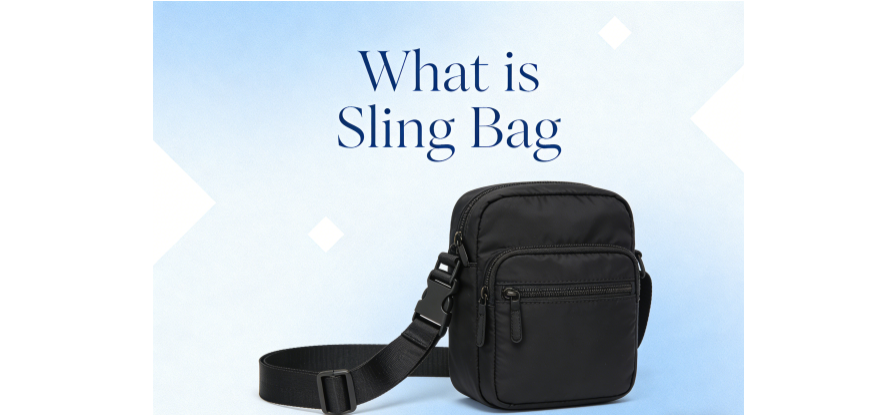
A good sling bag needs exact size planning. The standard compact crossbody is about 20 cm tall and 22 cm wide, with 13 cm depth inside. These numbers aren’t random. They’re set to hold your phone, wallet, keys, and a small water bottle. Plus, the bag stays slim against your body.
The strap system makes it versatile. Quality adjustable strap bags offer two length settings. You get 60 cm for direct shoulder wear. Or extend it to 150 cm for diagonal positioning across your chest. This range has a purpose. It’s based on body measurements from the 5th percentile of young women. So the ergonomic shoulder bag fits different body types well. The formula is simple: shoulder height doubled, plus chest thickness, plus adjustment room (56 cm × 2 + 14 cm + 4 cm = 130 cm maximum).
How to Wear and Adjust a Sling Bag
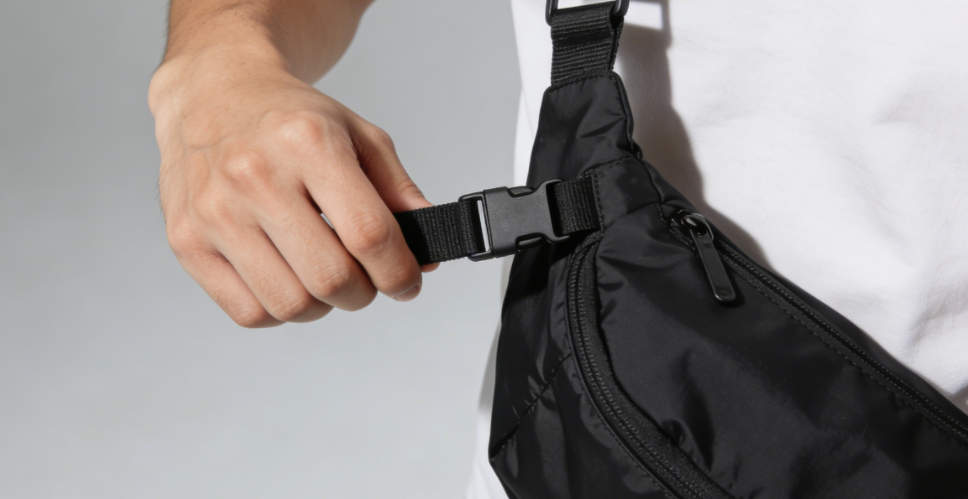
From everyday use, I’ve found that sling bags actually offer four common ways to wear them, and each one feels noticeably different depending on the situation.
Four Core Wearing Positions
Across the back gives you the most comfort for long wear. Bike commuters use this position. Hikers on mountain trails prefer it too. If you carry cameras and tablets for work, this position helps a lot. The bag sits behind your shoulder blade. Your arms move free. Nothing blocks you during physical activity.
Across the front or chest puts security first. City workers walking through busy subway stations wear their anti-theft sling bag this way. Motorcycle riders keep essentials visible and protected. Travelers in crowded airports watch their belongings at all times. You can unzip compartments and grab your phone or wallet in seconds. No need to swing the bag around.
Around the waist offers top convenience. Tour guides working in packed attractions wear their hands-free bag this way. Market shoppers who need cash often choose this method. You reach your items fast. The bag stays put while you move. Cities like Barcelona and Rome need this position for safety.
Over one shoulder creates a casual, relaxed look. Coffee shop visitors and weekend mall shoppers often pick this simple approach. Just hang the single strap bag over your shoulder. The bag rests against your hip. Perfect for low-risk, chill situations.
Strap Length Settings
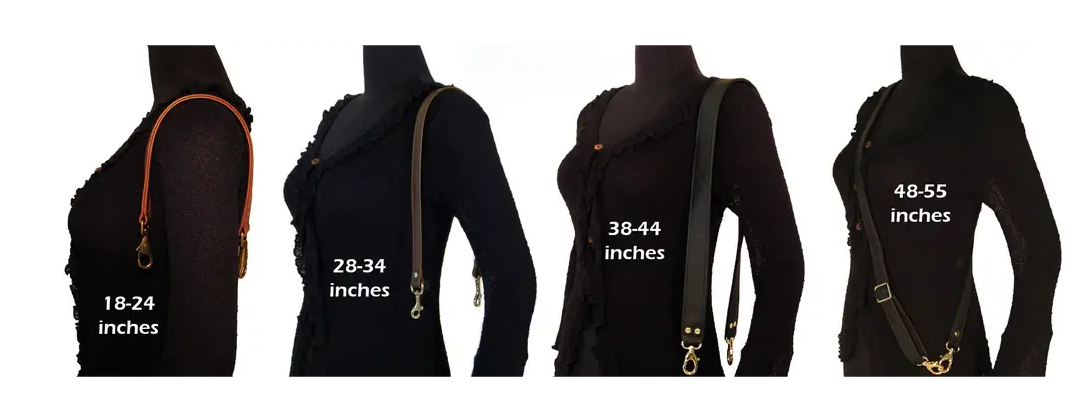
Your strap adjustment changes how the bag looks and works.
Short strap length pulls the compact crossbody tight to your upper body. Style-focused users in Tokyo and Seoul prefer this modern, sleek look. The bag sits just under your armpit or at chest level.
Medium strap length works for everyday use. Most office workers and students use this setting. The bag hangs at waist height. You get balanced style and easy access.
Long strap length creates a bohemian, trendy vibe. Festival-goers and creative types let their one shoulder bag hang lower—at hip or even thigh level. This works best with lighter loads. Heavy bags will swing too much.
The ideal position: Your adjustable strap bag should sit at hip level or just below your chest. Worn on an angle? Position it just above your hip bone. This keeps the bag steady. No awkward shifting while you walk.
Critical Adjustment Rules
Tighten the strap snug against your body. Loose straps let the bag swing and bounce. This looks sloppy. Plus, it strains your back over time. In crowded spaces, wear the bag across your chest. Don’t wear it on a single shoulder. Security matters more here.
Avoid these common mistakes:
-
Too low: The bag hangs past your hip and swings with each step. This strains your back. It looks unprofessional too. Uneven weight hurts your posture.
-
Too high: The bag sits at armpit level. This blocks arm movement. You feel stuck. Hard to reach across your body.
-
Too long: The strap hangs too much. The bag drags or bounces against your leg. This damages the bag’s bottom. It looks messy.
-
Too short: The strap digs into your shoulder or chest. You feel trapped. Long wear makes breathing hard.
Strap comfort matters. Quality quick access bags have straps at least 3.8 cm wide. Padding spreads weight well. Soft-woven materials stop skin irritation. If your strap pinches or hurts after 20 minutes, adjust the length or switch bags. Good cushioning protects your shoulder health.
Match Position to Your Dominant Hand
Right-handed people wear their versatile carry bag on the left side. This keeps your right hand free to grab your phone, keys, or transit card fast. Left-handed users do the opposite. The goal is simple: keep your main hand free for quick grabs of items you use often.
Weight Distribution Best Practices
Never overstuff your bag. Too much weight—anything over 2 kg for a standard compact crossbody—damages where the strap connects. Worse, it strains your shoulder muscles and spine. Physical therapists say keep custom sling bag under 10% of your body weight. A 70 kg person should carry no more than 7 kg max. Most quality anti-theft sling bags work best with 3-5 kg of essentials.
The Comfort-Style Balance
Your versatile carry bag should feel like part of your body. Not too tight—you need to breathe easy. Not too loose—the bag shouldn’t swing on its own. Test your adjustment by walking fast for 100 meters. The bag should stay in position without you fixing it. Adjust until you find that perfect balance where you forget you’re even wearing it.
Why Choose a Sling Bag Over Other Bag Types
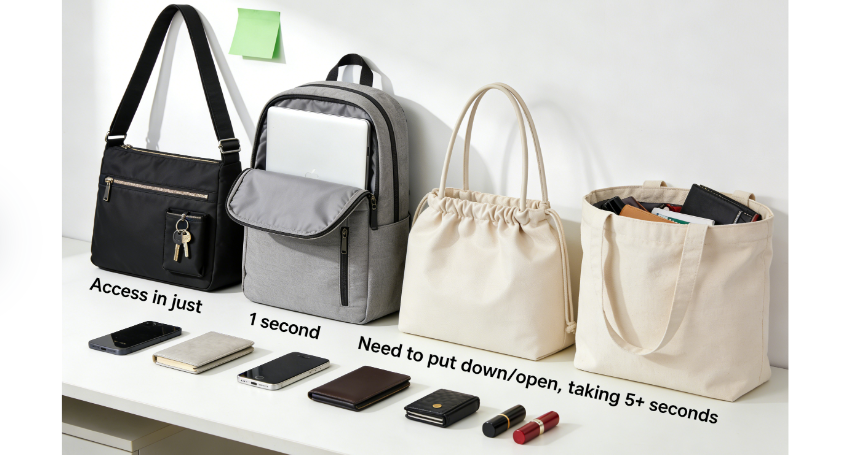
Traditional backpacks force you to swing them off your shoulders just to grab your phone. Custom Messenger bags slide down your arm every few minutes. Handbags tie up at least one hand all the time. Sling bags solve all three problems. You get security, speed, and comfort that other bag types can’t match.
Speed and Accessibility Advantage
Your quick access bag reaches your essentials in under 3 seconds. Slide the bag from back to front without removing the strap. Unzip the front compartment. Grab what you need. Backpacks sitting in your blind spot? You’ll waste 15-20 seconds removing them, searching pockets, then putting them back on your shoulders.
Real scenario: You’re at a checkout counter. Your hands-free bag swings forward. Credit card comes out right away. The person behind you with a backpack is still struggling to unzip their main compartment.
Security That Works in Real Situations
Anti-theft sling bags stay in your sight at all times. The cross-body position stops thieves from slash-and-grab attacks. They can do this with single-shoulder messenger bags. Quality models include RFID-blocking sleeves for your credit cards and passport. Cut-resistant straps stop knife attacks in high-risk areas.
Backpacks create a massive blind spot. Someone unzips your rear pocket on a crowded subway. You won’t notice until it’s too late. Your diagonal bag worn across your chest? You see and feel every movement near your belongings.
Minimal Profile for Urban Navigation
Your compact crossbody holds 1-12 liters. That’s enough for your essentials without the bulk. Squeeze through packed bus aisles. Navigate farmer’s markets. Browse narrow bookstore rows. Standard backpacks (20-40 liters) bump into people. They knock over displays. They make you that annoying person blocking doorways.
Space comparison: A 6-liter sling bag measures about 20cm × 22cm × 13cm. A typical 25-liter backpack? Around 45cm × 30cm × 20cm. That’s triple the volume taking up space you don’t need for a coffee run or museum visit.
Weight Distribution Science
Ergonomic shoulder bags use cross-body straps. These straps spread weight across your chest, hip, and back. This three-point support stops the shoulder lift that causes neck strain. Single-shoulder messenger bags? They create muscle imbalance. One shoulder works overtime while the other relaxes.
Physical therapist recommendation: Keep your versatile carry bag under 3-4 pounds (1.4-1.8 kg) for 4-6 hours of comfortable wear. Most quality sling bags hit this target with your essentials—phone, wallet, keys, small water bottle, snacks.
Direct Comparison: Sling Bags vs. Other Carry Options
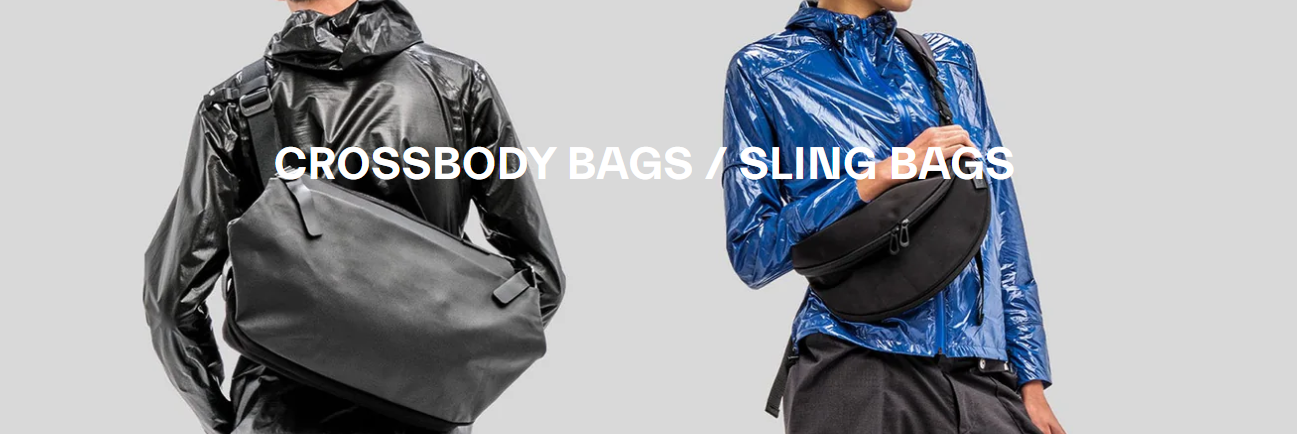
|
Feature |
Sling Bag |
Backpack |
Messenger Bag |
|---|---|---|---|
|
Capacity |
1–12L (essentials) |
20–40L (extended gear) |
10–20L (moderate load) |
|
Access Speed |
2-3 seconds (front-facing) |
15-20 seconds (blind spot) |
5-8 seconds (side access) |
|
Weight Distribution |
Cross-body (3 support points) |
Dual shoulder (even, heavy loads) |
Single shoulder (imbalanced) |
|
Security Level |
High (you can see it + anti-theft) |
Low (blind spot risk) |
Medium (visible but slip-prone) |
|
Crowd Navigation |
Excellent (sleek profile) |
Poor (bulky obstruction) |
Fair (moderate width) |
|
Hands-Free Operation |
100% hands-free |
100% hands-free |
50% (slides without adjustment) |
The data shows clear advantages. For commutes under 2 hours, short trips, and city exploration, your adjustable strap bag beats both backpacks and messenger bags. Access speed, security awareness, and comfortable mobility—these are the metrics that matter.
Optimized Packing Maximizes Benefits
Place heavy items (tablet, water bottle, battery pack) against the back panel near center. This keeps weight close to your spine. Your spine is the body’s natural load-bearing structure. Lighter quick-grab items (phone, transit card, lip balm) go in outer pockets. Valuables sit in RFID-protected interior compartments.
Weight distribution rule: Put 60% of total weight in the back third of your one shoulder bag. Put 30% in the middle section. Put 10% in front pockets. This balance stops the bag from sagging away from your body. It also stops the bag from pulling your shoulder forward.
Smart travelers figured this out years ago. Now 73% of European city tourists under 35 pick sling bags over traditional backpacks for day trips. This comes from 2023 carry gear market research. The reason is simple. Single strap bags give you hands-free carry. Plus, you get the security and speed that modern city life needs.
Sling Bag vs Backpack vs Crossbody Bag
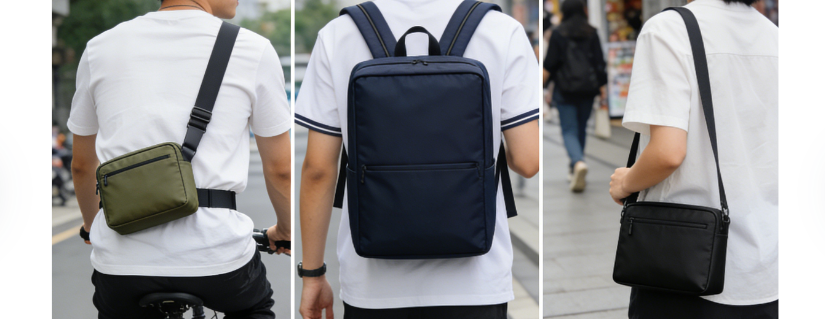
A Practical Comparison for Buyers & Brands
For brands and buyers, choosing the right bag category is less about aesthetics and more about use scenario, capacity efficiency, and consumer behavior. Sling bags, crossbody bags, and backpacks serve clearly different demand segments.
Core Functional Differences (Short Summary)
-
Sling bags focus on mobility and fast access. Designed for light carry and high-frequency movement.
-
Crossbody bags sit between sling and backpack, balancing capacity and everyday versatility.
-
Backpacks are built for load capacity and long-duration wear.
Each category solves a different problem. Mixing use cases usually leads to poor user experience.
Side-by-Side Comparison
|
Factor |
Sling Bag |
Crossbody Bag |
Backpack |
|---|---|---|---|
|
Typical Capacity |
2–5 L |
8–15 L |
20–40 L |
|
Target Load |
Essentials only |
Daily carry |
Heavy / multi-item |
|
Comfort Threshold |
≤ 3 kg |
≤ 4 kg |
5 kg+ |
|
Access Speed |
Very fast |
Fast |
Slow |
|
Anti-theft Advantage |
High (front wear) |
Medium–High |
Low |
|
Best Use Scenarios |
Travel, commute, events |
Work, city travel |
School, outdoor, tech |
|
Style Positioning |
Sport / urban |
Casual / smart |
Functional |
|
MOQ-Friendly SKUs |
Yes |
Yes |
No (complex) |
Buyer-Oriented Selection Logic
-
Choose sling bags when targeting travel retail, urban mobility, or event-compliant sizes.
-
Choose crossbody bags for broader lifestyle collections with higher AOV.
-
Choose backpacks only when the consumer use case clearly requires volume and laptop carry.
Key B2B Insight
From a manufacturing and sourcing perspective:
-
Sling bags offer shorter development cycles, lower material consumption, and better SKU rotation.
-
Crossbody bags balance margin and functionality.
-
Backpacks require more components, higher QC control, and longer lead times.
Correct category positioning reduces returns and improves sell-through.
Conclusion
Sling bags have changed from basic carriers into smart solutions. They balance ergonomic design, security, and modern life needs. The single strap configuration goes beyond style. It’s a functional upgrade that gives quick access, weight distribution, and hands-free ease. Traditional bags can’t match this.
You might commute in the city, explore new places, or organize your carry items. Understanding how these versatile carry bags work helps you choose better. The right sling bag, adjusted and organized well, becomes part of how you move. It cuts shoulder strain. Your essentials stay right where you need them.
Ready to see the difference? Figure out your main use: urban mobility, travel, or active lifestyle. Then match it with the design features we covered. Anti-theft elements work great for security-focused travelers. Adjustable straps provide all-day comfort. Compact builds suit minimalist carries. Your perfect sling bag isn’t about trends. It’s about function, fit, and your personal routine coming together.
Smarter carrying starts with one strap.