Every leather bag maker faces the same problem: high quality, lower costs, less waste, and happy customers. You run a small artisan shop or a big factory? Poor quality and slow processes eat into your profits. They hurt your brand too.
ISO 9001 gives you a tested system that changes how you make leather bags. It covers everything—picking the best hides to getting every stitch right.
This global quality standard does more than put a badge on your wall. It fixes production slowdowns. It cuts material waste by up to 30%. It builds the steady quality that turns first-time buyers into repeat customers.
This guide shows you the exact ways ISO 9001 improves leather bag production. You’ll get a clear path to certification. You’ll gain real advantages in today’s tough market.
What is ISO Certification 9001
For the quality assurance of leather work products, there is an international quality management system called ISO certification. ISO is an International Organization for Standardization. It is an independent, global, non-governmental group, established in 1946 to create uniformity in industrial standards.
It sets the criteria for a customer-focused quality management system. The organization’s purpose is to develop standards to certify businesses. The ISO certification includes three components: ISO, 9001, and 2015.
These numbers appear after ISO classifies the standard. The standard within ISO 9000 family refers to the quality management system. This standard aid businesses to focus on strong customer satisfaction, ensuring that customers get consistent, good-quality products and services.
Leather organizations with ISO 9001 certification mean it has met the requirements under ISO 9001. It establishes procedures for monitoring and controlling the production or activities.
Implementing this standard will help the organization in fulfilling the quality management standards.
To be able to sell your products to certain industries, being ISO 9001 certified is required. ISO certification lays out the requirements to fulfill every order. These standards ensure quality, consistency, and safety while keeping the products and services relevant. In short, ISO certification shows this company is trustworthy.
ISO 9001 Quality Management System for Leather Bags
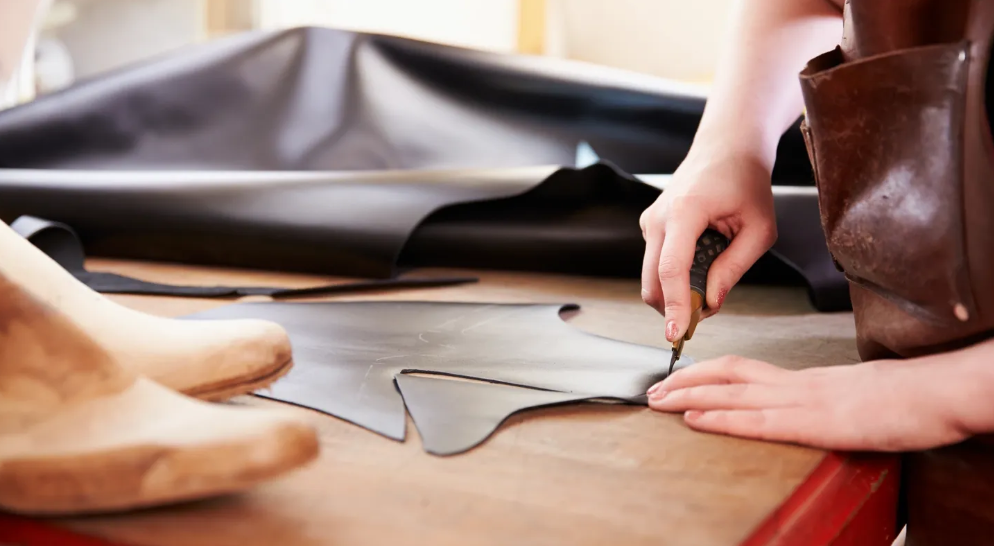
ISO 9001:2015 sets up seven phases for leather bag makers. These steps turn raw materials into certified quality products.
Phase 1: Quality Goal Definition
Set clear, measurable targets for your factory. Keep stitching defect rates below 2%. Color variance must stay under ΔE 1.0 for dyeing. These aren’t suggestions. They’re your baseline performance marks.
Phase 2: Complete Process Mapping
Write down every production stage. Start with raw leather intake. Then map tanning, cutting (±1mm tolerance), sewing (8-10 stitches per inch), and final bag inspection. This becomes your work blueprint.
Phase 3: Leadership Accountability Structure
Top management drives QMS oversight. Supervisors track improvement metrics. They watch customer satisfaction rates. The certification needs 95% on-time delivery performance. Management shows commitment through clear procedures and team collaboration.
Phase 4-6: The Audit Cycle
Your certification path includes:
– Initial full factory audit
– Annual surveillance audits
– One unannounced audit per 3-year cycle
– Complete recertification every 36 months
Budget 4-6 months for certification. Plan for $5,000-$10,000 per product line investment.
Core Documentation Requirements
ISO 9001 needs written records at each control point. Track material batches, test results, and corrective actions. Raw leather inspection logs show color checks, texture analysis, shrinkage measurements, and defect identification. Final product papers prove physical properties, chemical compliance, and build quality meet specs.
This framework works with ISO 50001 energy management. Leather bag factories cut energy consumption 10-20% through better tanning and dyeing processes.
ISO 9001 Certification Roadmap for Leather Bag Manufacturers
Getting ISO 9001 certification takes 3-6 months for most leather bag factories. The process has three clear steps. Start with documentation. Move through audits. Finish with ongoing compliance checks that keep your certification active.
Step 1: Quote Request and Scope Assessment
Submit your certification request through an accredited body. The auditor reviews your company size, production scope, and current processes. You receive a detailed proposal. It shows audit coverage and timeline. Your scope statement might read: “Design and production of finished leathers for leather goods through purchasing, selection, production management, outsourcing, final quality controls, trimming, measurement” per UNI EN ISO 9001:2015 standards.
Cost varies by factory scale:
| Factory Size | Employees | Investment Range | Timeline |
|---|---|---|---|
| Small | Under 50 | $5,000-$15,000 | 3-4 months |
| Medium | 50-200 | $15,000-$40,000 | 4-6 months |
| Large | Over 200 | $40,000+ | 6+ months |
Factories with energy-heavy tanning operations face 20-30% higher costs. This happens during environmental management system integration. Already have ISO 9001? You get discounts on product certification through ICEC pathways.
Step 2: Document Review Phase
Build your quality management system documentation before auditors arrive. You need three core document types:
Quality Manual – This is your top-level policy document. It explains quality objectives and management commitment to ISO 9001 principles.
Procedure Documents – These cover detailed workflows. Include purchasing and material selection, production management controls, outsourcing oversight, final quality inspections, trimming operations, and measurement protocols.
Work Instruction Books – Step-by-step guides for workers at each station. These cover leather grading, cutting templates, stitching specs, hardware attachment, and inspection checkpoints.
The auditor evaluates these documents against ISO 9001 requirements. They check if your procedures cover all production stages. This means from raw leather intake through finished bag shipping. Missing elements? You’ll get revision requests before the site audit begins.
Step 3: On-Site Audit Execution
Auditors spend 1-3 days in your facility. Factory size determines the length. They inspect production processes. This includes tanning, dyeing, finishing, and bag assembly stations. Your monitoring systems get tested. Training records prove worker competency. Customer satisfaction tools show feedback loops work.
The audit team looks for evidence. Documented procedures must match actual factory practices. They interview workers about work instructions. They watch production runs to verify process controls function as written. Quality data gets reviewed for trends and corrective actions.
Non-Conformity Rectification
Most first audits find gaps. Common issues? Incomplete process documentation. Missing training records. Weak defect tracking systems. You receive a non-conformity report. It lists each problem with severity ratings.
Minor gaps need correction plans within 30 days. Major problems require immediate fixes. You must show proof of implementation. Severe issues trigger re-audit requirements before certification approval. Your corrective actions get verified. This happens through document updates and follow-up site visits.
Post-Certification Compliance Requirements
Annual Surveillance Audits – Certification bodies conduct 1-2 day surveillance visits every year. These check your QMS stays effective. Your processes must remain compliant. Show continuous improvement through internal audit results and updated quality metrics.
Three-Year Re-Certification – Full re-assessment happens every 36 months. The process mirrors your initial certification. But it focuses on long-term QMS maturity and improvement evidence.
Continuous Improvement Tracking – Your quality system monitors effectiveness through customer satisfaction scores. 89% of buyers prioritize quality in leather bags. Track durability metrics that matter to 65% of customers. Measure waste reduction in cutting operations. Track defect prevention in stitching and assembly work. 72% of sustainable shoppers verify certifications. This drives the transparency requirement.
Internal audits run every three months at minimum. You address non-conformities within documented timeframes. Customer feedback tools update product quality based on market demands. This active improvement cycle keeps your ISO 9001 certification valid. It strengthens your competitive position in quality-focused leather bag markets.
Conclusion
ISO 9001 isn’t just a certificate for your factory wall. It’s a complete framework that changes how you make leather bags. From checking raw hide to the final stitch, everything improves.
You standardize material selection. You streamline production workflows. You embed quality checks at every stage. This cuts waste and boosts efficiency. Plus, customers trust and recommend your products.
ISO 9001 improves leather bag production through continuous improvement. You meet today’s quality standards. But you also build a system that grows with market demands. It adapts to supplier innovations and customer expectations. Non-certified bag manufacturers can’t compete with this edge.
Ready to elevate your leather bag business? Start with an internal gap analysis against ISO 9001 requirements. Identify your biggest quality pain points. Partner with an experienced certification consultant. ISO 9001 improves your production metrics today. It also builds your brand reputation for years to come.
Your customers deserve consistency. Your business deserves growth. ISO 9001 delivers both.