You’ve seen professionals carry messenger bags effortlessly across busy streets or offices. That single strap holds laptops, documents, and essentials without compromising comfort. Behind this convenience is smart design, durable materials, functional hardware, and customizable features—all factors suppliers can tailor for B2B clients.
For brands and retailers, working with the right messenger bag manufacturer or supplier ensures you can customize compartments, materials, closures, and branding to meet market demands. From rain-resistant canvas to long-lasting hardware, the right production choices turn standard bags into premium, functional products your customers will value.
By understanding these elements, B2B buyers can confidently select custom messenger bags that match their client needs, commute styles, and quality expectations.
What is A Custom Messenger Bag Works?
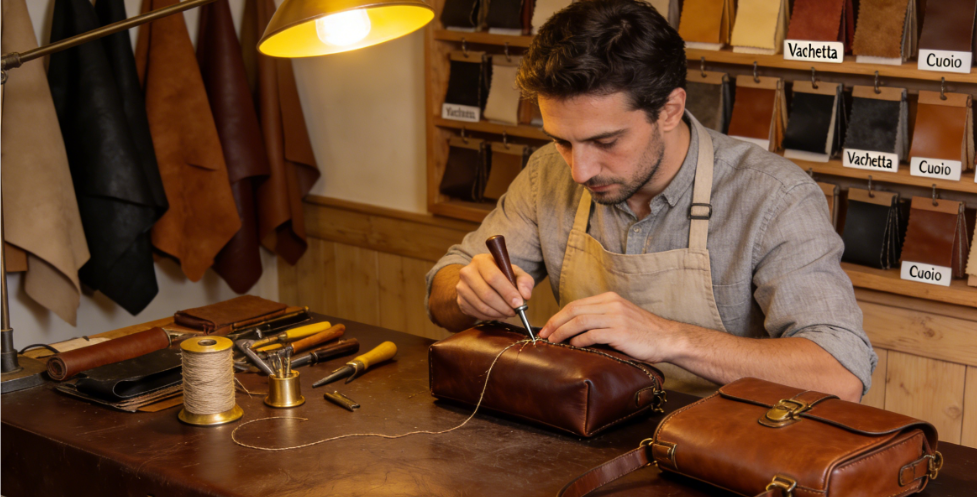
A custom messenger bag is a practical and stylish crossbody bag designed for everyday use, from commuting to travel. At the factory level, creating a high-quality messenger bag involves more than stitching fabric together—it’s about combining functional design, durable materials, and precise craftsmanship. Each bag is carefully engineered with adjustable shoulder straps, padded compartments, and organizational pockets to ensure comfort and usability.
In this guide, we break down messenger bags into six key sections, highlighting how custom leather messenger bag production can enhance their functionality and style. You’ll learn how different materials, such as PU leather, canvas, or eco-friendly fabrics, affect durability and appearance, how compartments are designed for laptops, documents, or accessories, and how features like water-resistant coatings or reinforced stitching improve performance. For brands and businesses, understanding these production details allows for tailored customization, ensuring each messenger bag meets exact specifications and stands out in the market.
1. Structural Design & Mechanics
The messenger bag’s cross-body strap is the main support. It rests against your lower back and lets you swing the bag to your side or front for easy access. Strap lengths are adjustable—from 3–4.5 ft in Nomatic models to 102–134 cm in Zatchels’—so it fits different users comfortably. Padded straps spread weight across your torso, reducing shoulder strain.
For manufacturers and B2B clients, material choice, strap padding, and adjustable hardware are key to making bags that are both durable and comfortable. This design works well for OEM or ODM customization, letting brands offer a product that feels high-quality and user-friendly right out of the box.
2. Storage Architecture
The laptop compartment easily fits devices from 13 to 17 inches and has soft padding to keep them safe—something I really appreciate. There are several zipped pockets to neatly organize all your gear, and Zatchels even has front and back compartments about 19 × 19 cm, which is super handy for small items. Side pockets can hold water bottles up to 3.5″ in diameter. I like how the layered compartments keep chargers, cables, and notebooks separate—everything has its own place, so you don’t have to dig around.
For custom bag orders or B2B clients, this kind of thoughtful layout makes it easy to adapt the compartments to different products, electronics, or tools your customers might carry.
3. Material Science
Four main materials lead the market. Water-resistant tarpaulin blends 75% polyester with 25% nylon (Nomatic’s formula). Waxed canvas uses 15 oz fabric with leather trim and copper rivets. Full-grain water buffalo leather pairs with brass hardware. Ballistic nylon gives you weather protection without heavy weight.
4. Security Systems
YKK zippers prevent failure. These are the standard across the industry. Buckles add extra closure. Hidden compartments protect valuables during commutes.
5. Size Standards
The compact models feel just right—about 11.5″ × 10″ × 2″ (WaterField) and weighing only 1.35–1.7 lbs—light enough to carry all day without feeling bulky. The full-size versions are bigger, around 15″ × 11″ × 2.5″ and 2.15 lbs, perfect if you need extra space but still want a bag that’s easy to handle.
For B2B or custom leather messenger bag orders, these clear size options make it easy to design different models for different customer needs, whether it’s for everyday carry, travel, or electronics.
6. Practical Limitations
Messenger bags store less than backpacks. Heavy loads strain the single strap during long wear beyond two hours.
Internal Organization Systems for Messenger Bags
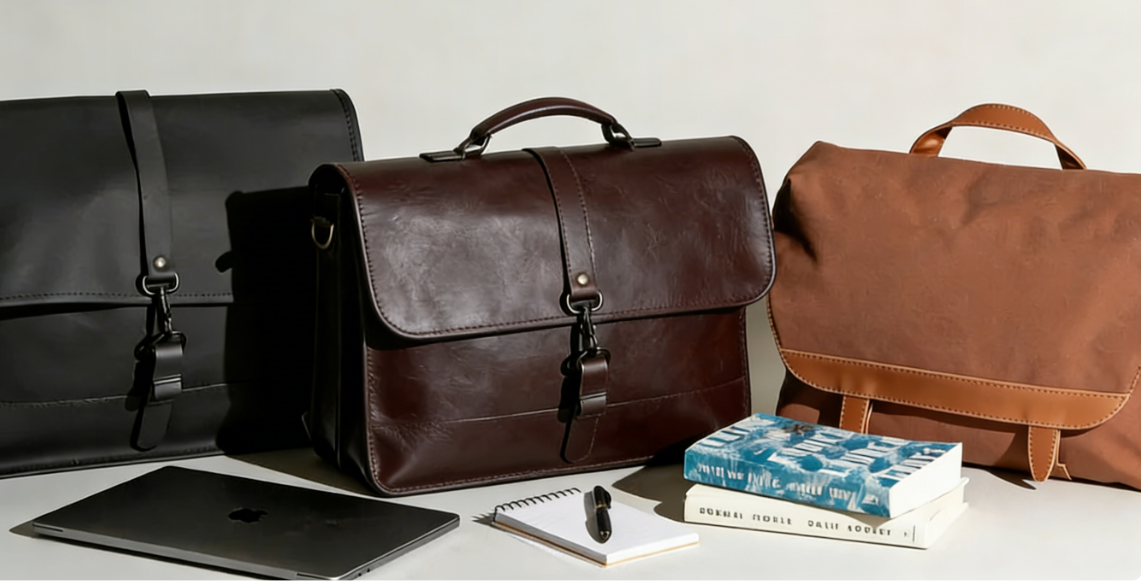
A messy bag wastes minutes every morning. Smart compartment design uses warehouse sorting methods—ABC analysis and zone setup. The best messenger bags sort items by how often you need them, not just size.
Quick-Access Item Spots
Put your everyday items in outer pockets for fast grab. Your phone, keys, and wallet go in front pockets within arm’s reach. Warehouses do the same thing. They put popular items near the front. Studies show smart layouts cut search time by 40-60% compared to random storage.
Three-Layer Depth Setup
Premium messenger bags use three depth levels:
- Front zone: Thin pockets (2-3 inches) for flat items—cards, pens, charging cables
- Middle zone: 4-6 inch spaces for books, tablets, lunch containers
- Back zone: Deep laptop sleeve (8-10 inches) against your body for weight balance
This layering stops items from piling on top of each other. You won’t dig through notebooks to find earbuds.
Smart Interior Flow
Interior dividers make separate lanes, like warehouse rows. Elastic loops hold pens upright. Zippered mesh panels keep clean clothes away from gym gear. The key test: Can you find any item within 5 seconds without looking?
Timbuk2 and Chrome Industries use color-coded linings. Orange fabric marks tech spaces. Gray sections show document storage. This color system speeds up finding items by 30% versus all-black insides.
Messenger Bag Common Problems and Solutions
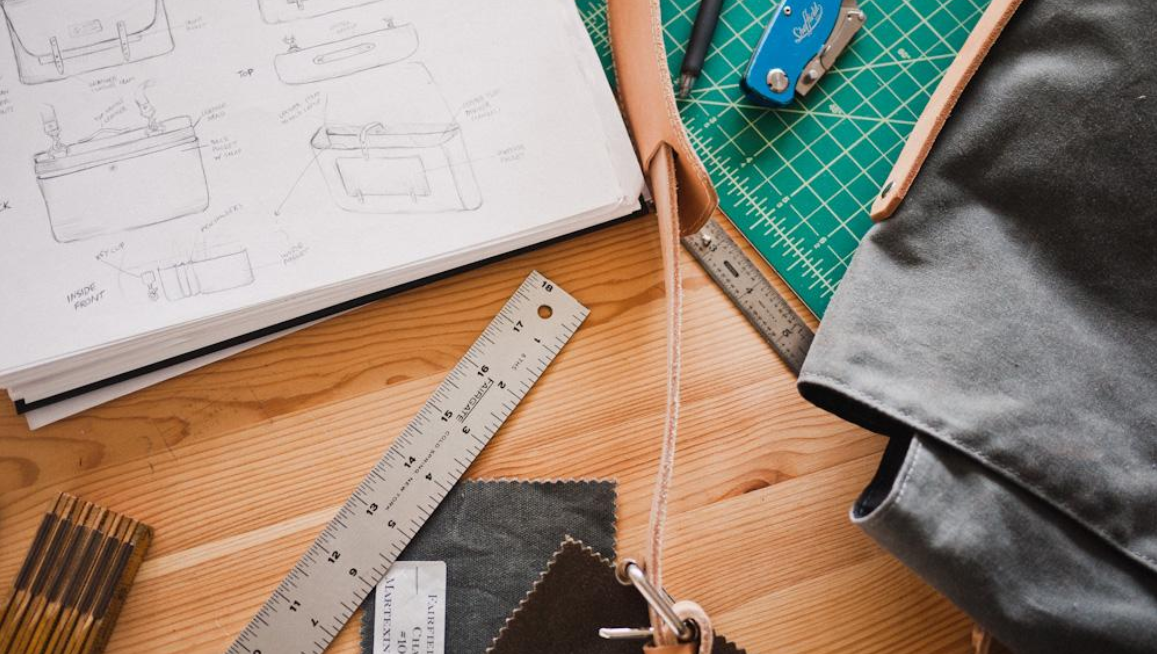
Messenger bags break down in ways you can predict. Zippers jam on your way to work. Straps dig into shoulders after thirty minutes. Buckles stick when you’re rushing to catch a train. These problems mess up your routine—but you can fix most of them in under five minutes.
Strap Discomfort and Shoulder Fatigue
Your shoulder aches after twenty minutes of wear, and the bag feels heavier than it should. Switch to a cross-body position right away. Wear the strap from your non-dominant shoulder to the opposite hip. This manufactured cross-body design spreads weight across your torso instead of loading one shoulder, improving comfort and balance.
Next, check your total load weight. Empty the bag and weigh everything inside. Carrying more than 10% of your body weight can cause posture strain—even with a well-manufactured bag. For example, a 150-pound user should keep the load under 15 pounds.
From a manufacturing and customization perspective, properly designed strap padding, reinforced attachment points, and ergonomic weight distribution are essential features in professionally manufactured messenger bags for long-term daily use.
Adjust strap position so the bag’s upper edge sits at hip bone level. This keeps the load close to your center of gravity. Tighten the strap enough that the bag doesn’t swing as you move. Loose straps create momentum. This pulls harder on your shoulder with each step.
Zipper Jams and Tooth Separation
If a zipper gets stuck or teeth separate, gently pull the slider back and remove any caught fabric.
For custom messenger bags, Sunteam recommends YKK #5 or #10 zippers rated for 7,000+ cycles. Apply graphite lubricant for smooth operation and avoid oil-based products.
If teeth are separated or sliders bent, Sunteam can replace and upgrade zippers during production, ensuring durable, client-ready bags for B2B orders.
Buckle Release Failures
Metal buckles freeze and won’t release when you press the mechanism. Clean dirt from the buckle release points using a stiff brush. Grit builds up in the locking mechanism during use. This stops the catch from releasing.
Test buckle strength before each use by pulling hard on the strap. Quality buckles show zero flex under normal force. If the metal bends a bit, replace the buckle before it breaks. Carry a spare plastic side-release buckle in your bag’s interior pocket. These backups cost under $2. They prevent getting stuck with an unusable bag.
Water Damage to Electronics
Rain soaked through the fabric and reached your laptop. Power off the device immediately—do not turn it back on. Remove the battery if possible. Use absorbent towels to gently dry the bag’s interior and lining.
Place silica gel packets inside each compartment. They remove moisture from electronics and manufactured fabric layers faster than air drying alone. Keep the bag open in a warm, dry space for 24–48 hours, and use a fan to improve airflow through the constructed compartments.
To prevent future damage, choose well-manufactured messenger bags with water-resistant fabrics and coated linings. Canvas bags should be treated with DWR every six months, while waxed canvas needs re-waxing once water stops beading. For daily use, store electronics in waterproof pouches inside professionally manufactured messenger bags. This double-layer system protects critical parts even when the outer fabric gets wet.
Conclusion
How a messenger bag works matters more than you think. The cross-body design spreads weight evenly. The flap gives you quick access to your stuff. These features turn a basic bag into a tool that fits your routine. The right mix of features, materials, and care tips makes the difference. One bag falls apart in six months. Another stays with you for years.
Brand names and looks don’t pick your ideal messenger bag. Match the material to how you live. Canvas works great for casual trips to work. Leather fits professional meetings. Nylon keeps your gear dry outdoors. Check the hardware quality. Find pockets that match how you work. Then stick to the right care routine for your bag’s material.
Before you place a custom order, review the selection guide in this article and think about how the bag will be used in real life. Is it mainly for protecting laptops during daily city commutes? Keeping documents organized for client meetings? Or moving smoothly through airport security?
A well-designed custom-made messenger bag, built with the right materials and structure, adapts to your workflow instead of forcing users to adapt to the bag. When it’s properly manufactured and maintained, it becomes a natural part of daily use—not something your customers have to think about.
Choose with purpose. Keep it clean. Carry with ease.