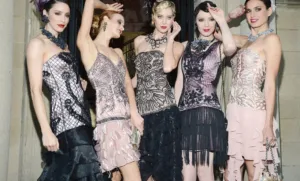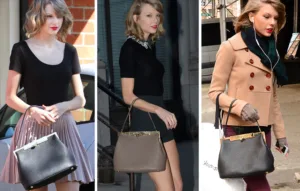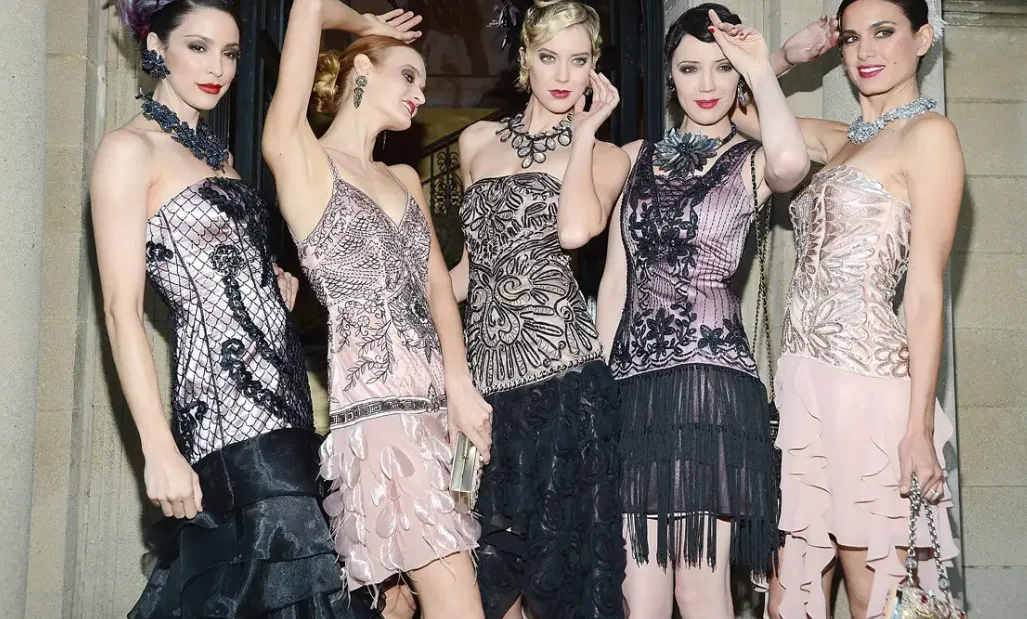
Nearly a century after its publication, The Great Gatsby still influences handbag design and fashion accessories. The Jazz Age aesthetic often appears in modern bags through metal clasp closures, beaded details, and geometric patterns.
For fashion brands, the novel provides clear handbag design inspiration. Elements such as Art Deco symmetry, structured silhouettes, and metal hardware can easily translate into modern bag collections.
From a bag manufacturer’s perspective, these designs also shape production. Details like metal frames, clasp closures, and decorative panels require careful material selection and precise bag manufacturing techniques to ensure quality and durability.
Handbag Design Inspiration from The Great Gatsby for Fashion Brands
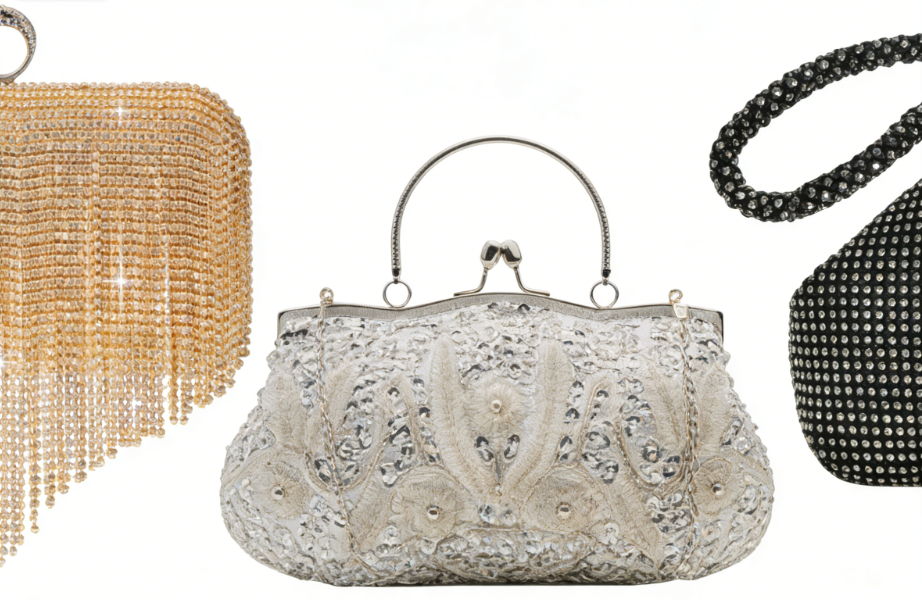
This guide runs on one central idea: Gatsby’s world is not vague or abstract. It’s a real design system — with clear, recognizable parts you can apply to modern handbag collections.
Here’s what each section covers:
-
Art Deco DNA — Geometric motifs, gilded hardware, and bold opulence. These are the core visual elements that shaped the Gatsby era.
-
Silhouette Logic — Compact beaded minaudieres on one end. Slouchy, character-rich totes on the other. Each silhouette draws from Daisy’s silk textures or Jordan’s relaxed, modern style.
-
Material & Color Language — Quilted patterns, metallic hues, textured woven leather, bamboo handles. Every choice traces back to 1920s design roots.
-
Brand Moves, Right Now — Prada, Fendi Spring 2025, and Proenza Schouler are all pulling from this era. This section breaks down how and why.
-
Iconic Reference Points — The Chanel 2.55, Dior Saddle Bag, and Fendi Baguette serve as structural anchors throughout.
Each section takes a specific literary detail and ties it to a commercial design decision. You get clear takeaways, not just aesthetic inspiration.
The Art Deco DNA: What Makes a Handbag Feel “Gatsby”
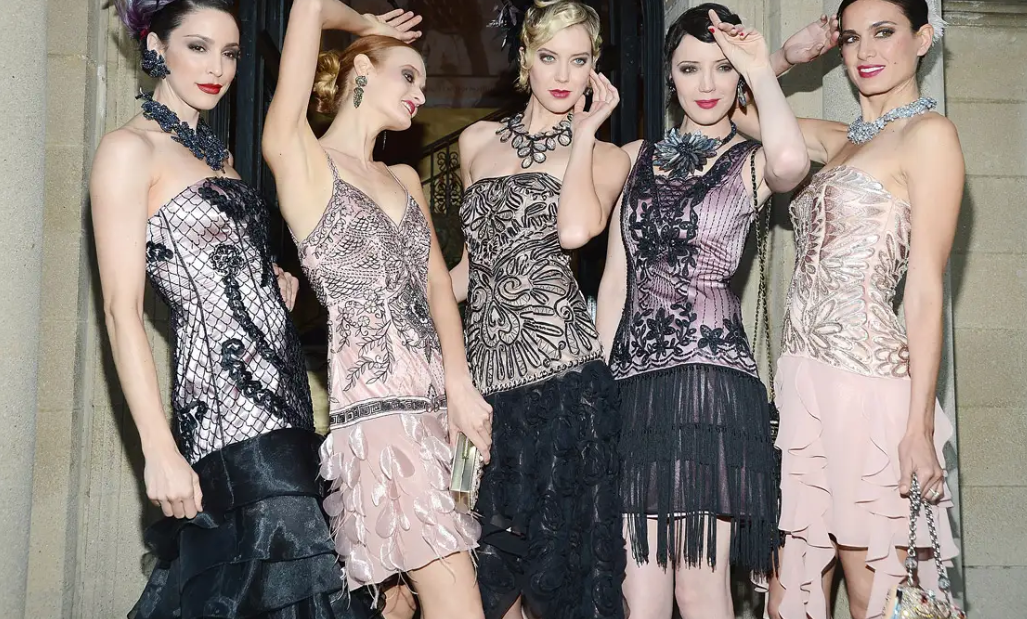
Over the past few months, our team kept revisiting the film adaptation of The Great Gatsby. Sometimes it was on a quiet rainy afternoon in the office, sometimes on a bright morning with sunlight coming through the windows. By the time we had watched it more than 50 times, something became clear.
It wasn’t just the luxury or the parties that caught our attention. There was a very strong Art Deco visual rhythm behind the scenes. Our designers were genuinely surprised — handbags could be designed with this level of geometry, metallic structure, and bold color contrast.
So we gathered our design team and pattern makers in the factory and started breaking the style down from a custom bag manufacturing perspective. After several discussions, we summarized a few key directions that brands can use when developing custom Gatsby-inspired handbags:
-
Color combinations — black, gold, emerald green, silver, deep blue
-
Art Deco geometry — chevron patterns, stepped shapes, sunburst lines
-
Structured metal hardware — clasp frames, chain handles, decorative metal parts
-
Surface decoration — beading, fringe, and textured materials
For brands working on custom handbag design, these elements offer a clear path. When a bag factory and design team translate these ideas into production, the Gatsby aesthetic can evolve into modern custom bag collections that still feel elegant and distinctive.
Reproducible vs. Archival — and What It Costs
Not every element moves into modern production without friction. Here’s where the real decisions happen:
|
Element |
Modern Reproduction |
Archival Original |
Cost Reality |
|---|---|---|---|
|
Frames & Clasps |
Stepped geometric gold/enamel, 21–25cm bases |
Bakelite/enamel stair-step, fragile silk linings |
Enamel hardware: mid-cost (machineable); hand-beaded: high-cost |
|
Beading Panels |
Machine embroidery in S/M/L/J hoop formats |
Micro-beaded geometric fringe (bead loss common) |
Archival beading: high labor cost; reproduction via embroidery: low-to-mid |
|
Mesh |
Flat mesh for surface patterning |
Spider, ring, Dresden mesh variants |
Scalable for reproduction; vanity compact features add 20–50% in enameling costs |
|
Pockets & Straps |
1–3 pockets; custom chains |
Single pouch pocket |
Pockets: low added cost; sterling/enamel chains: high-end pricing |
The embroidery reproduction path works across four standard hoop sizes — 4×4″, 5×7″, 6×10″, 8×12″ — with multi-format file support (ART, DST, EXP). You get geometric bead-pattern effects at scale, without hand-labor costs driving up the price.
Silhouette Strategy: Which Bag Shapes Carry the Era Best
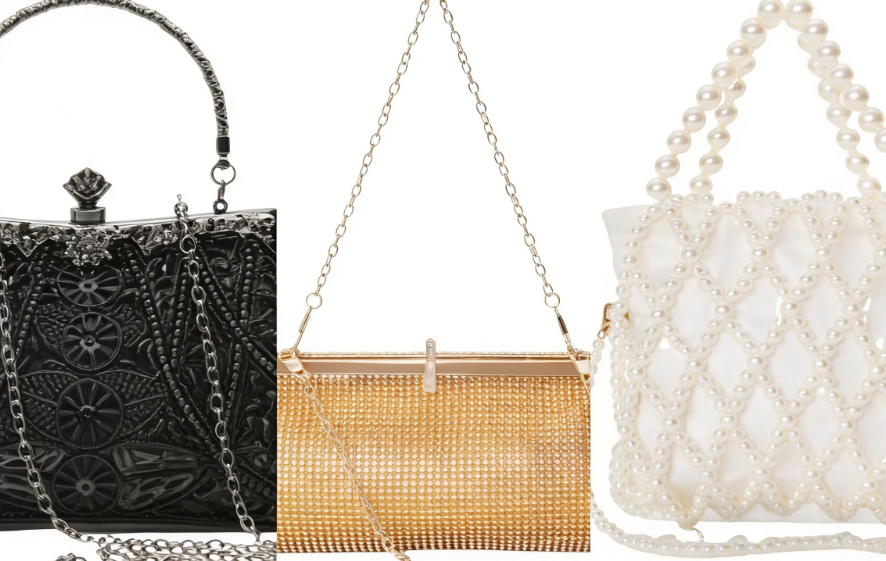
Tote bags hold 41% of the global handbag market in 2024. That’s the starting point — not a design suggestion, but a commercial fact. Any brand pulling custom handbag design inspiration from The Great Gatsby needs to know which silhouettes carry the era’s visual language and move product.
Good news: the Gatsby aesthetic fits the shapes the market is already rewarding.
The Silhouettes That Work — And Why
Top handle bags are the clearest Gatsby fit. Search volume for “top handle leather bag” is up 44%, and the category is posting 2%+ growth in 2024. The shape mirrors the compact, rigid-frame bags women carried in the 1920s — short handles, defined geometry, minimal exterior detail. The shape does the talking. For a Gatsby-inspired collection, this is your anchor silhouette.
Small and mini bags are the fastest-growing size segment overall. In the 1920s, evening bags were kept compact by design — beaded minaudieres, jeweled clutches, nothing that broke a silhouette. That restraint reads as luxury now for the same reason it did then. Small means intentional. Intentional means premium.
Shoulder bags hold 17% market share and are climbing. The relaxed, single-strap structure translates well into 1920s-inspired leather or quilted designs. Pair it with Art Deco hardware and the era connection becomes clear. Search interest in “quilted leather handbag” is up 38%, with Fendi and Jil Sander driving that shift on the runway.
Crossbody bags at 21% share need more careful handling. The silhouette is modern by nature. To give it Gatsby credibility, you need real design commitments — geometric closures, chain straps, metallic hardware. A print or color update alone won’t do it.
What to Avoid
Satchels are stalling. Structured, office-focused shapes lost momentum as hybrid work cut the need for that kind of formality. They can work in a Gatsby context, but the market headwind is real. Factor that risk into your pricing.
Bags above $1,000 now represent just 3% of total sales, with every bracket over $500 in decline. The volume sweet spot sits at $250–$500. A Gatsby-inspired collection built for both cultural appeal and actual sell-through should target that range — with top handle and mini silhouettes out front.
The era’s design logic and today’s growth categories point in the same direction. That alignment is an opportunity worth acting on.
Brand Case Studies: Who Is Doing This Well and Why It Works
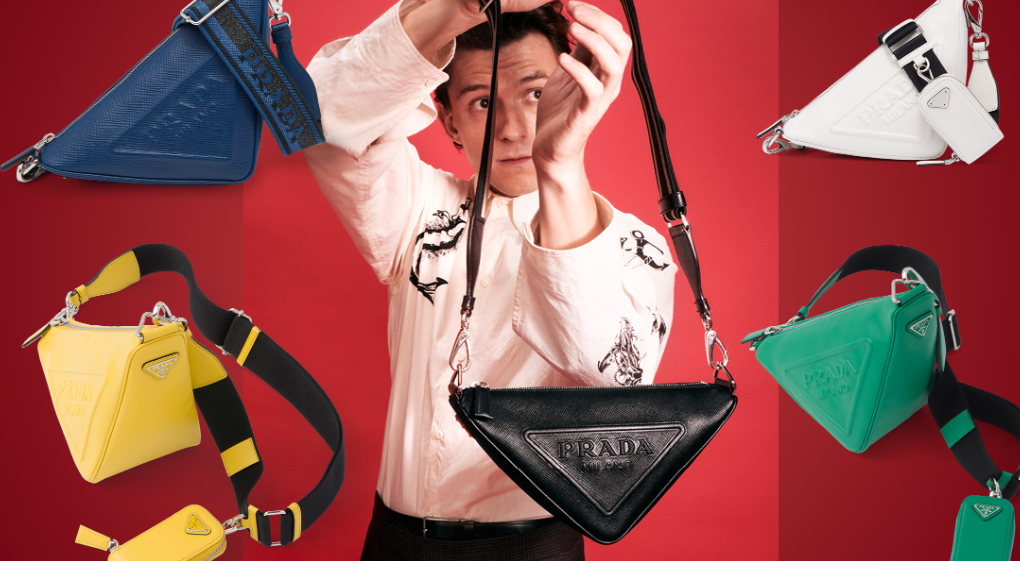
Three brands are pulling from the Gatsby era right now. The results show up in sell-through — not just runway coverage.
Prada: Geometry as Brand Language
Prada doesn’t borrow Art Deco. It builds with it. Geometric hardware and stepped frame detailing run through recent collections with real consistency. That consistency is what turns browsers into buyers. A single standout piece won’t do that. Brands with a clear visual identity see +39.7% brand recognition lifts after a focused identity rollout. 60% higher repurchase rates follow from that recognition. Prada’s Gatsby-era moves work because they’re systematic. Not seasonal. Not occasional. Season after season, the same visual logic repeats — and that repetition is exactly what builds trust.
Fendi Spring 2025: The Baguette as Narrative Anchor
Fendi’s Spring 2025 collection went deep on beaded texture and metallic leather. The look maps straight onto 1920s material thinking. The Baguette — already a recognized silhouette — got treatments that sit close to minaudiere territory: compact, embellished, built with clear intent. Classic shape. Unexpected surface. That’s the contrast within consistency Fendi does so well. It’s dramatic tension applied to product design. The numbers back it up. Shoppers exposed to consistent brand storytelling across touchpoints are 4.1× more likely to recommend the product.
Proenza Schouler: Story Over Surface
Proenza Schouler skips heavy ornamentation. The focus goes to material narrative instead. Woven textures and chain hardware connect recent handbag work to the era’s tactile vocabulary — without making it feel like costume. That restraint isn’t accidental. It’s commercial strategy. 47% of global customers point to brand story as the top driver of luxury perception. Proenza earns that premium by letting the materials do the talking.
What the Pattern Tells You
These three brands aren’t just styling bags in a new direction. They’re each running the same core logic:
-
Structural commitment over surface decoration
-
Silhouette integrity held across SKUs
-
Material choices tied to a clear design story
The brands drawing handbag design inspiration from The Great Gatsby that convert at scale share one trait. They treat the era as a system — not just a reference point. The market rewards that discipline. Brands with strong experience alignment post 3.5× higher revenue growth than those chasing aesthetic trends without structural follow-through.
Adaptation Playbook: Translating Inspiration into a Sellable Bag Collection

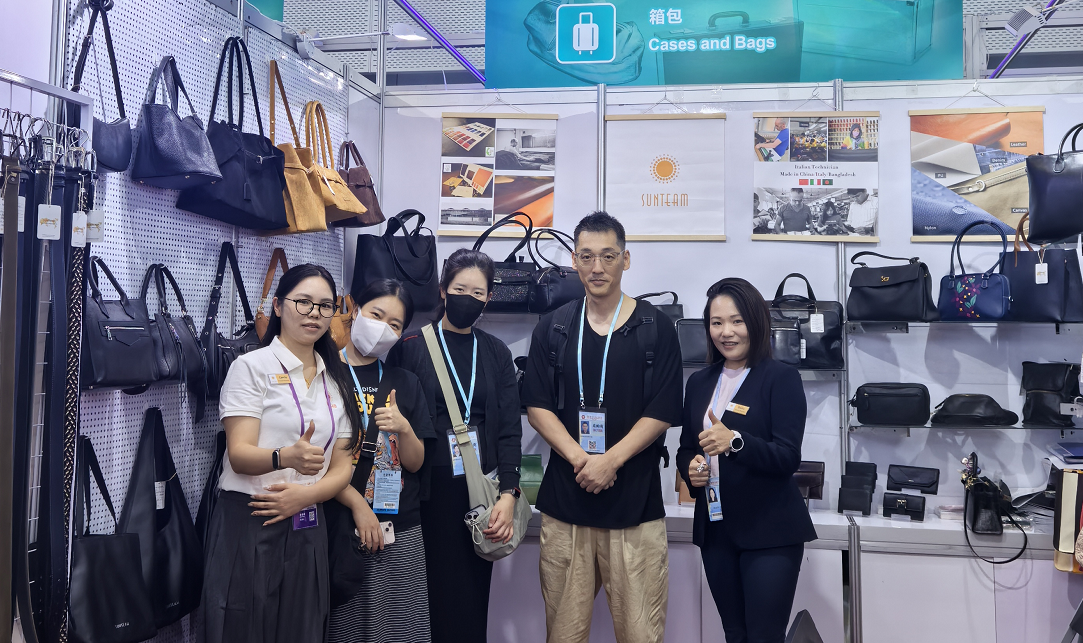
After several internal discussions, our designer Sherri recently held a product meeting with our Italian technical team to review how Gatsby-inspired designs could be adapted for real collections. The goal is practical. We are preparing new bag sample lines for this year’s Canton Fair, and the team wants to translate this design inspiration into products that brands can actually order and scale.
Instead of treating the 1920s purely as a costume reference, the team analyzed current market signals and price structures. Based on the research, we are planning three development directions for the exhibition samples.
Entry direction focuses on seasonal demand and accessible products. These pieces will use synthetic materials, simple bead decoration, and lightweight structures, making them suitable for large-volume retail channels.
Mid-range direction emphasizes structured silhouettes, Art Deco hardware, and decorative geometric elements. These designs balance visual impact with practical production, making them ideal for brands developing custom handbag collections with a clear story.
Premium direction focuses on metal hardware, detailed embellishment, and stronger material texture. The idea is to create a more distinctive look through signature closures or geometric frames, which works well for boutique brands and higher-value collections.
During the preparation process, the factory also faced a practical challenge. Some of the decorative leather originally planned for the samples increased in price this year. The good news is that our sourcing team identified an alternative textured leather bag material that provides a similar visual effect but at a lower bag production cost, which makes it more suitable for bulk orders.
For the exhibition, we plan to produce three different sample bags based on these directions so that visiting buyers can easily compare materials, structures, and price levels when discussing custom bag manufacturing.
At the same time, our company is preparing for a factory expansion this year. With additional production space and upgraded equipment, the goal is to improve efficiency and better support large-volume custom handbag orders from international brands and retailers.
Launch Timing: Reading the Cultural Triggers
|
Window |
Trigger |
Action |
|---|---|---|
|
February |
Pre-spring party season |
Seed editorial + influencer outreach early |
|
March |
Peak search demand |
Hero drop — lead SKUs live |
|
October–November |
NYE prep + cultural events |
Reactivation campaign |
|
Film/theater anniversaries |
Gatsby-cycle resurgence |
Plan drops 6–8 weeks ahead |
One signal worth watching: Art Deco interior design trends — geometric tile searches, brass fixture interest — tend to move ahead of accessories demand. Maximalist décor climbs first. Gatsby-era bag interest follows within one to two seasons.
The rule that holds across all three tiers: don’t replicate the period on the surface. Build from an existing range or runway base. Apply the 1920s lens with restraint. Let materials and hardware carry the era — not costume-level detail that reads as dress-up.
Conclusion
The Great Gatsby isn’t just a story — it’s a design vocabulary built to live in leather, metal, and structured silhouette. Art Deco geometry, Daisy’s white and gold, the charged symbolism beneath every scene — this guide breaks down each element so fashion brands can do one thing well: create handbags that don’t just sell, but mean something to the woman who carries them.
The brands winning this space aren’t copying an era — they’re translating it. That’s the real difference between a novelty piece and a collectible.
So, what’s your next step? Pick the handbag design inspiration from The Great Gatsby that fits your brand’s identity best. Build one capsule piece around it. Test the narrative before you scale the collection.
Gatsby understood this truth better than anyone: the right object, placed with purpose, makes people believe in the dream.
That’s what great handbag design does.