Choosing between GRS and RCS certification for your custom bags is a strategic decision. It shapes your product claims, audit requirements, and which markets and buyers you can reach. Pick the wrong one, and you’re either spending money on certifications you don’t need — or making material claims that put your brand under a spotlight. This guide gives you a clear GRS vs RCS for custom bags comparison. We cover costs, scope, audit depth, and real bag production scenarios. You’ll leave knowing which certification fits your operation, and why.
GRS vs RCS for Custom Bags
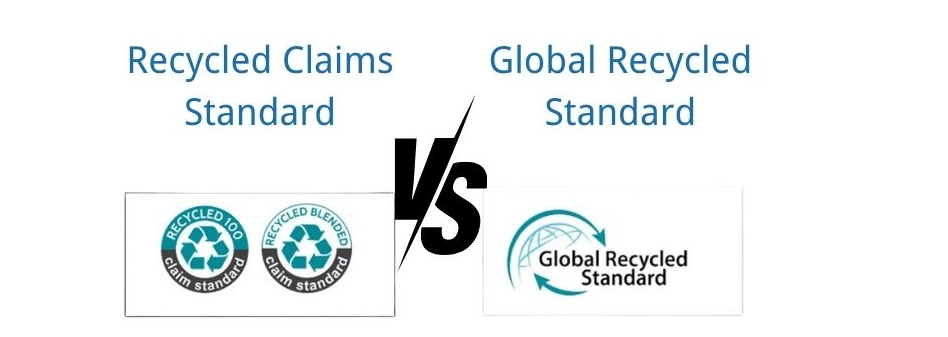
Two standards. Very different scopes. Here’s what separates them — and why it matters for every choice in this guide.
|
Standard |
Minimum Recycled Content |
Logo Eligibility |
|---|---|---|
|
RCS |
5% |
5% minimum |
|
GRS |
20% |
50% minimum |
RCS certifies one thing: recycled content quantity and quality. That’s it. It says nothing about how your factory runs, what chemicals are used, or how workers are treated.
GRS covers more ground. It includes environmental management, labor practices, chemical use, and full chain traceability — from raw material to finished bag. Auditors visit the site directly. They check material flow, handling steps, and working conditions in person.
One key fact: GRS certification also satisfies RCS requirements. So you can add RCS to an existing GRS certification with no extra audit. The reverse doesn’t apply — RCS alone won’t meet GRS standards.
What Is RCS Certification and What Does It Verify?
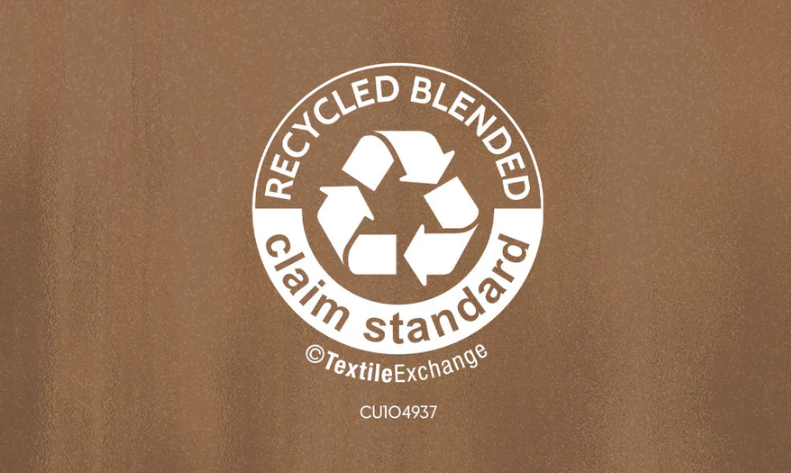
RCS stands for Recycled Claim Standard. Textile Exchange developed it as a global standard. It does one thing: confirm that a product contains recycled material.
That’s the full scope. Nothing more.
Here’s what RCS verifies:
-
Recycled content presence — the material used is recycled, not virgin
-
Recycled content quantity — the percentage of recycled input in the final product
-
Chain of custody — a third party traces the recycled material through each step of your supply chain
The entry threshold is low. A product with as little as 5% recycled content qualifies for RCS certification. At that level, you can use the RCS label on your custom bags and make a recycled content claim to buyers.
What RCS does NOT cover:
-
Factory working conditions
-
Chemical management or restricted substance compliance
-
Environmental management practices
-
Social responsibility standards
This is the key distinction in the GRS vs RCS for custom bags comparison. RCS is a material claim standard. It tells buyers what’s in your bag — not how it was made.
Some brands source custom bags with a small share of recycled content. Think a recycled polyester lining or a partial recycled canvas. For those cases, RCS is often the more practical choice. You get a credible, third-party-backed claim. No deep operational audit required — unlike GRS.
What Is GRS Certification and How Does It Go Beyond Material Claims?
GRS — the Global Recycled Standard — operates on a different premise than RCS. RCS stops at material content. GRS covers the entire production operation as part of the claim.
Here’s the core difference: GRS certification tells buyers not just what’s in your bag, but how every stage of its production was handled.
The Five Pillars GRS Audits
GRS certification covers five compliance areas — not one:
-
Recycled content — Minimum 20% to qualify for certification
-
Chain of custody — Every production stage gets certified. That runs from raw feedstock all the way to the final B2B transaction.
-
Environmental standards — Covers waste management plans, energy tracking, emission controls, and chemical safety documentation
-
Social responsibility — Includes ILO labor standards, worker training, anti-discrimination policies, and safety programs
-
Chemical restrictions — A prohibited substances list that aligns with ZDHC and OEKO-TEX frameworks
Certification vs. Labeling: A Key Distinction
Many brands miss this detail when comparing GRS vs RCS for custom bags:
-
20% recycled content → Product qualifies for GRS certification
-
50% recycled content → Product can display the GRS label on packaging
A bag can hold GRS certification in your supply chain records. But it cannot carry the GRS label on packaging unless it reaches that 50% threshold. Those are two separate things.
What the Audit Actually Looks Like
GRS requires a physical on-site audit. Auditors don’t just review paperwork. They inspect production lines, worker conditions, warehouse storage, chemical handling areas, and waste disposal procedures. Any non-compliance triggers a Corrective Action Report (CAR). That report must be resolved before certification moves forward.
One supply chain constraint worth knowing: every partner in your chain must hold GRS certification. Recycling facilities, processors, manufacturers, traders — all of them. One uncertified link breaks the entire chain.
Most companies need 2–6 months to prepare. That time goes into building traceability systems, setting up material segregation procedures, and getting social and environmental compliance protocols in place.
RCS vs GRS: Side-by-Side Comparison Across 6 Key Dimensions
These two certifications differ across six clear dimensions. Each one shows you where the costs, audit requirements, and brand claims split — and which standard fits your custom bag production.
|
Dimension |
RCS |
GRS |
|---|---|---|
|
Recycled Content Threshold |
Minimum 5% |
Minimum 20% (50% for labeling) |
|
Audit Scope |
Material content + chain of custody |
Full supply chain: traceability, environmental, social, chemical |
|
Chemical Restrictions |
None |
Hazardous substance prohibitions + chemical management required |
|
Social Compliance |
None |
Fair labor, no child/forced labor, worker safety programs |
|
Labeling Rights |
5%+ content (RCS Blended: 5–95%; RCS 100: 95%+) |
50%+ content only |
|
Certification Cost |
Lower — minimal audit requirements |
Higher — broader scope, full chain verification |
Where the Real Differences Hit Your Operation
Threshold and labeling rights are not the same thing. Mixing them up is a common mistake.
Under RCS, your bag qualifies for certification at 5% recycled content. The label goes on at that same threshold. Under GRS, certification starts at 20%. But the label only shows up on packaging once you cross 50%. A bag can sit in your supply chain records as GRS-certified and still carry no GRS logo on the product itself.
Audit scope is where the real workload gap shows up. RCS checks one thing: whether the recycled material in your bag matches what you claim, traced from source to finished product. GRS auditors go wider. They look at your entire facility — production lines, chemical storage, waste handling, worker conditions, and documentation systems. That’s a different level of preparation altogether.
Chemical restrictions and social compliance don’t exist in RCS at all. Your buyers or target markets may require restricted substance compliance or labor standard documentation. RCS won’t cover those requirements — no matter how high your recycled content percentage is.
The One-Way Compatibility Rule
GRS certification covers everything RCS requires — and then some. A factory with GRS certification has materials that satisfy RCS claims too. You can use them for RCS purposes with no extra audit or added cost.
The reverse doesn’t work. RCS-certified materials can’t be used toward GRS claims. GRS sits at the higher standard. RCS falls within its scope, not the other way around.
Chain of custody shows this gap clearly. RCS traces recycled content from raw material source to finished product. It’s focused and narrow. GRS goes further — it requires documented traceability at every step: quantities, sourcing records, logistics data, and physical on-site checks at each certified partner in the chain.
That documentation load is real. But for buyers who want full supply chain transparency, it’s the proof they need.
Which Custom Bag Types Are Best Suited for RCS Certification?
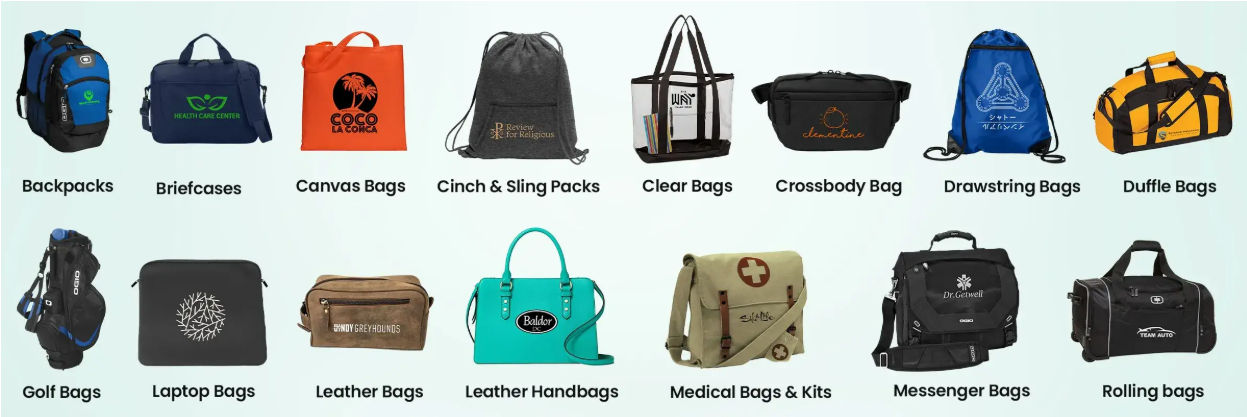
RCS certification fits a specific profile. You need bags with some recycled content, buyers who care about material claims, and brands that don’t need full factory auditing to meet market expectations.
The 5% minimum threshold is what makes RCS practical for certain product categories. Here’s where it fits best:
-
Budget custom gift bags — Recycled paper bags that hit 5% recycled content qualify right away. No social audits. No environmental management paperwork needed.
-
E-commerce mailers and paper packaging — RCS100-certified mailers work well here. These require 95%+ recycled functional inputs, with additives capped at 5% by weight. High recycled content, low compliance cost.
-
Recycled cotton canvas totes — Standard reusable totes with as little as 5% recycled cotton can carry an RCS label. This fits well for promotional and retail gifting runs.
-
rPET bags — Bags made with recycled PET fiber from plastic bottles qualify at the 5% threshold. This is a low-cost starting point for brands moving away from virgin polyester.
Where RCS Works — and Where It Doesn’t
SMBs and promotional buyers entering EU or North American markets get a solid, third-party-backed recycled content claim from RCS. The compliance cost stays lower than GRS, so it’s a practical option for many.
That said, RCS has a real ceiling. It covers no chemical restrictions, no labor standards, and no environmental management requirements. Larger EU brands with ZDHC or ethical sourcing requirements will likely find standalone RCS falls short. Some buyers see it as a greenwashing risk, especially at low recycled content percentages with no other verification in place.
So pick RCS only if your product truly fits the material claim and your buyers don’t need the broader compliance picture that GRS covers.
Which Custom Bag Types Require GRS Certification?

Not every bag with recycled content needs GRS. But certain product types — by material, market, or buyer contract — leave you with no practical alternative.
The 20% recycled content threshold is the entry point. Cross that, and GRS certification becomes possible. Hit 50%, and the GRS label can appear on your product packaging. Below those numbers, GRS isn’t on the table at all.
These are the bag types where GRS certification is most often required:
-
rPET shopping and gift bags — Bags made from recycled PET (plastic bottles) are the most common GRS use case. Exporters targeting EU retailers or US brand buyers almost always face a GRS requirement here. Your documentation must track pre-consumer and post-consumer rPET proportions as two separate figures.
-
Recycled polyester polybags — Packaging polybags made from 100% GRS-certified recycled polyester have become a standard requirement for sustainable product lines. You’ll see these across fast fashion supply chains.
-
Recycled PE and PP plastic bags — These come from waste plastics. Every stage of production needs high traceability. Buyers sourcing verified recycled plastic bags treat GRS certification as a hard requirement, not a preference.
-
Reusable bags with recycled cotton — These qualify only when the cotton is 100% pollution-free recycled fiber. Documentation demands more than rPET does, but the material supply is there.
Which Buyers Are Now Requiring It
Buyer contracts are pushing GRS adoption forward — not just market preference.
-
Fast fashion brands mandate GRS for sustainable product lines across their supplier base
-
EU retailers require it for recycled content claims on exported bags
-
Amazon Climate Pledge Friendly program sets a hard floor of 50% GRS-certified material for bag listings
-
B2B platforms like Alibaba.com now filter supplier listings by certification status — no GRS, no visibility in verified recycled searches
Your bag may go through ginning, spinning, weaving, knitting, dyeing, printing, or cut-and-sew processes. Each step needs a certified partner in the chain. One gap breaks your transaction certificates. Your claim then falls apart at audit.
Conclusion
GRS vs. RCS isn’t about which one is “better.” It’s about which certification fits your materials and matches what your buyers need to verify.
Your custom bags use recycled content? Your customers care most about material traceability? RCS covers that. It’s straightforward and cost-effective. Your production involves responsible processing claims, social compliance, or chemical handling? GRS is the standard that carries real weight.
The cost difference is real. So is the cost of picking the wrong one. A mismatched certification can stall retailer approvals, complicate audits, or damage customer trust at the worst possible time.
Before starting the application process, do three things:
-
Audit your materials
-
Map your supply chain
-
Talk to your buyers — find out what they need to see on that label
The right certification does more than protect your production. It becomes a competitive advantage you can sell.