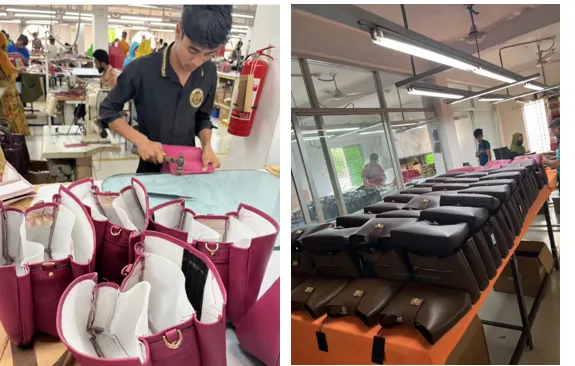
Every great custom leather bag on a retail shelf started as an idea — maybe a sketch on a napkin, maybe a frustration with existing products. But most people get lost somewhere between that idea and a finished product carrying your brand name. Some get overwhelmed. Others give up.
Building a private label leather bag collection is more than just finding a supplier. It touches brand identity, materials, factory relationships, and retail strategy — all at the same time.
This guide takes you through every stage, from sketch to shelf. You’ll get ground-level detail that turns big concepts into collections that sell.
What “Private Label” Means in the Leather Bag Industry
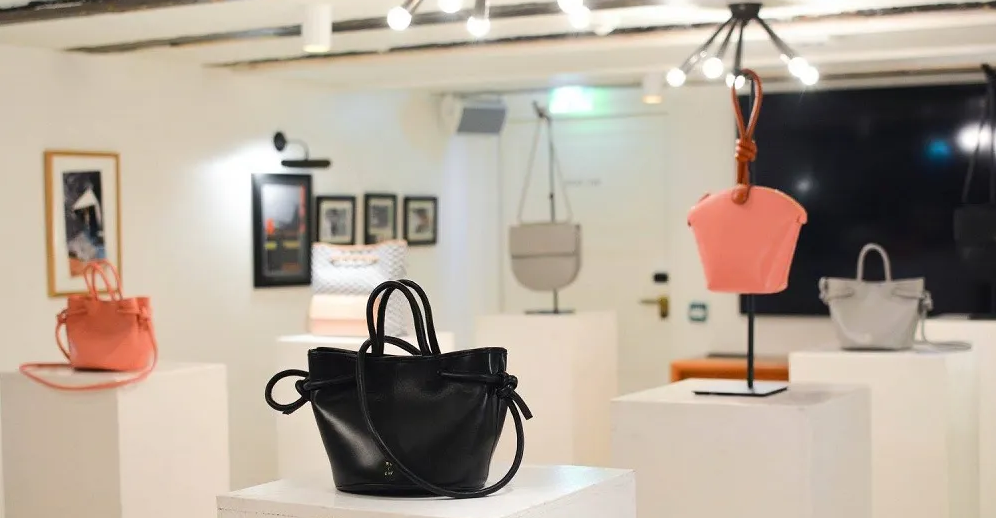
Private label is a specific manufacturing arrangement. People often mix it up with OEM and ODM — but these three work in very different ways.
Here’s how they break down:
-
Private Label: You provide full specifications — leather type, design, hardware, logo placement. The bag factory builds to your brief. No input from their side.
-
OEM: The factory builds to your design, but customization stays minimal beyond the spec sheet.
-
ODM: The factory designs the product. You rebrand their finished bag as your own.
Private label gives you the most control. That control also comes with real commitments.
What to expect before starting:
-
MOQ: 100–500 units per style; full-grain leather adds 20–50% to unit cost
-
Timeline: 90–180 days from sketch to shelf — 30–60 days for prototyping, then 60–90 days for production and shipping
-
Upfront investment: $5,000–$50,000 total, covering design ($1k–$5k), tooling ($2k–$10k), and initial production runs
The leather handbag market hit $2.61M in 2024. It’s projected to reach $3.89M by 2032 at a 5.1% CAGR. The demand is real — but private label works best for those who plan carefully, not those who move on assumptions.
Sunteam Case – Step 1: The First Inquiry
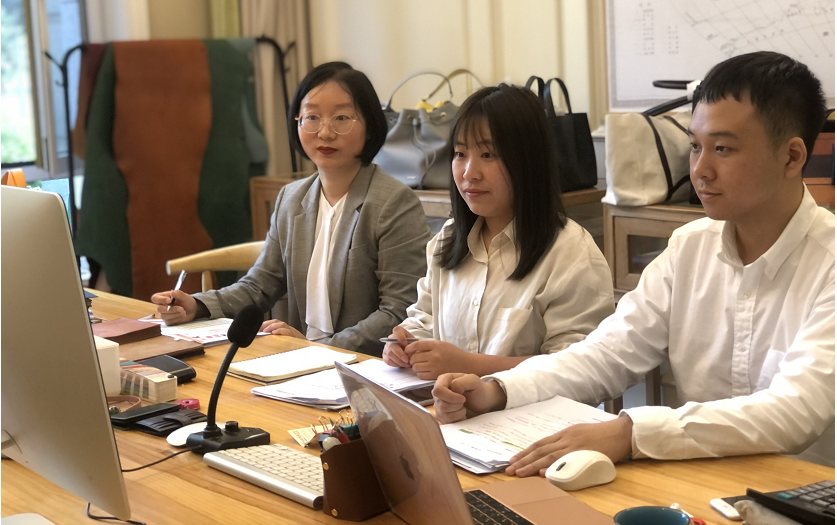
One morning, the Sunteam office received an inquiry from Australia. The email was short but very clear. The client wanted to develop a tote bag, and they specifically asked for Italian leather.
This small detail already told the Sunteam team something important. When a brand asks for Italian leather from the beginning, it usually means they want a premium feeling product, not a low-price bag.
Cara, the business representative at Sunteam, opened the email and read it carefully.
“David, can you take a look at this?” she said.
David was the bag designer in the office. He walked over and read the message.
“So they want a tote bag made with Italian leather,” David said. “That already tells us the material direction.”
At that moment, Luca joined the conversation. Luca works with Sunteam’s Italy office and helps manage Italian leather sourcing.
“If they want Italian leather, that’s good,” Luca said. “We already import leather from our suppliers in Italy.”
The idea sounded clear, but Cara did not rush into design or pricing.
Instead, she asked a simple question.
“Wait,” Cara said. “Before we design anything, who will buy this bag?”
David thought for a moment.
“Maybe office workers,” he said. “Most tote bags are used for work. People carry laptops and documents.”
Cara nodded, but she still opened a reply email to the client.
“Hi, thank you for contacting Sunteam,” she typed.
“Could you tell us more about your brand and your target customer?”
David looked at her and smiled.
“You always start with questions.”
Cara laughed.
“Yes,” she said. “If we understand the brand first, the bag will be much easier to design.”
And that was how the project started.
A simple inquiry from Australia.
A tote bag.
And the request for Italian leather.
Step 2 — Translating Your Vision Into Actionable Design Sketches
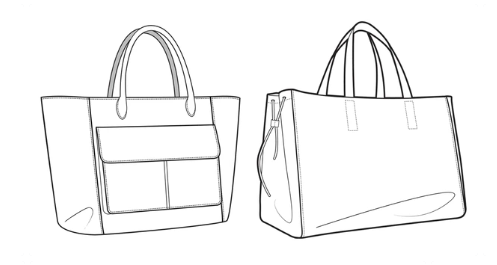
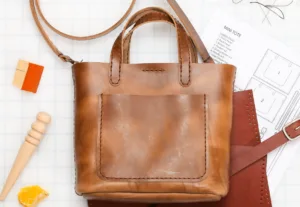
After receiving the client’s reply, Cara organized the information and shared it with David, the designer, and Luca, who manages the Italian leather supply. The Australian brand wanted a clean work tote bag that could carry a laptop and keep a minimalist look. David first created a small mood board with leather textures, colors, and lifestyle images. Then he drew a clear flat sketch with dimensions, handle length, pocket layout, and hardware details so the Sunteam sample team could start development without confusion.
Step 3 – Choosing the Right Materials
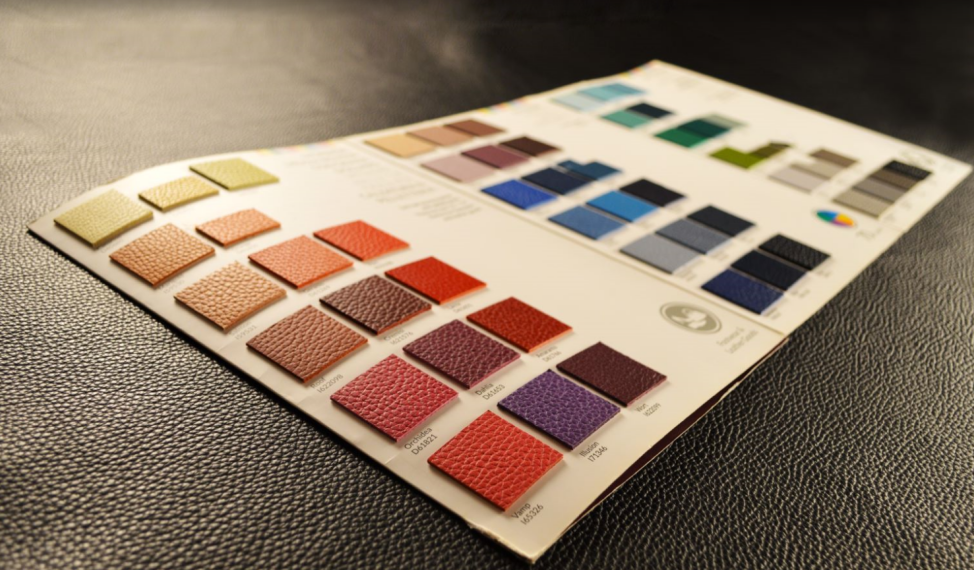
After the tote bag design was confirmed, the next step was material selection. At Sunteam, this task was handled by Mr. Li, the bag factory’s senior material technician who has worked with leather for many years.
The Australian client wanted a premium tote bag made with Italian leather, but they also shared an important detail — the target retail price of their brand. That meant the materials had to look high-end while still staying within the client’s budget.
Mr. Li reviewed several leather options from the Italy supply chain. Instead of recommending the most expensive full-grain leather, he suggested a high-quality top-grain Italian leather. This material keeps a smooth, natural texture and strong durability, but the cost is more suitable for a mid-premium brand.
For the hardware, Mr. Li selected YKK zippers and solid metal D-rings to ensure durability and a premium feel. The lining was chosen as a durable cotton blend to keep the bag structured while controlling costs.
With this material combination, Sunteam was able to prepare a quotation that matched the client’s expected price range. The bag maintained the Italian leather identity while keeping production realistic for the brand’s target market.
The Trade-Off at a Glance
|
Material |
Relative Cost |
Durability |
Ethics/Compliance |
|---|---|---|---|
|
Full-grain |
High |
50+ years |
High (LWG-certified) |
|
Bonded leather |
Low |
2–5 years |
Low |
|
Faux PU |
Lowest |
2–5 years |
High (vegan) |
|
Vegan alternatives |
2–3× leather |
Variable |
High, but plastic additive caveats apply |
Step 4 — Pattern Making and Technical Pack Development
On the same afternoon the inquiry arrived, Sunteam quickly confirmed the materials and quotation with the Australian client. The combination of Italian leather, durable lining, and reliable hardware fit perfectly within the client’s target price range. The client was satisfied with the offer and immediately placed a tote bag sampling order.
After receiving the order, Cara carefully reviewed every detail with the client again. She confirmed the bag dimensions, handle length, pocket layout, bag hardware finish, and logo placement. These details were organized into a clear tech pack so the factory pattern makers could begin developing the sample with accurate measurements and construction instructions.
Step 5 – Prototyping and the First Sample
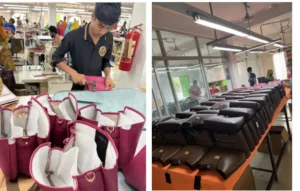
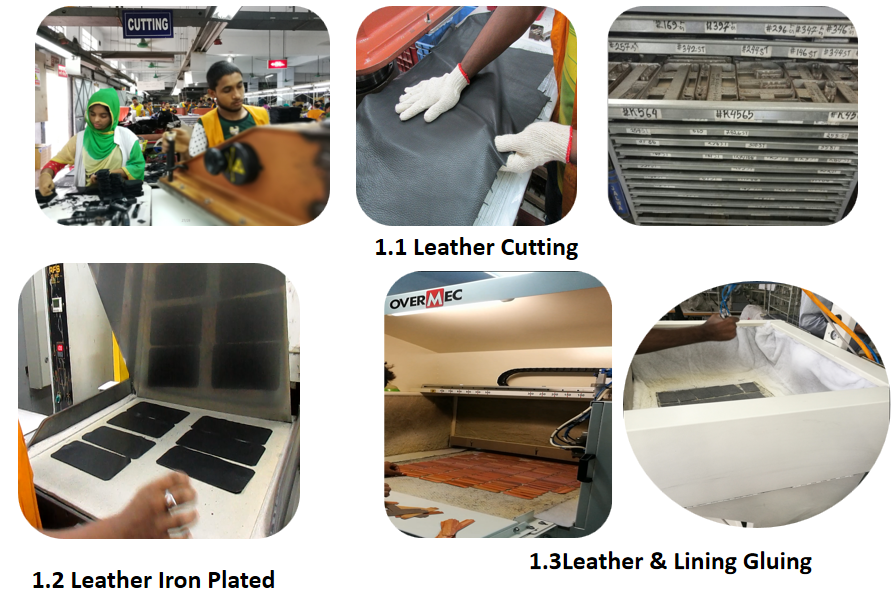
Once the tech pack was confirmed, the Sunteam sample room began producing the first tote bag prototype. The process started with material inspection. Mr. Li checked the Italian leather thickness, which was controlled at 1.4 mm, an ideal balance between durability and flexibility for a work tote.
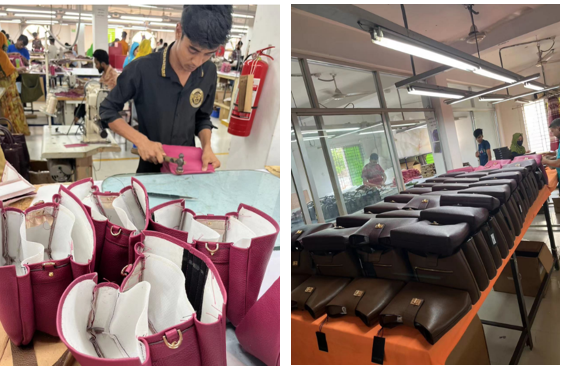
The cutting team then selected leather pieces with consistent grain and cut them using a hydraulic leather cutting press to ensure clean and accurate panels. The bag panels were stitched using a Juki industrial sewing machine, with a 3.5 mm stitch length to create strong and neat seams.
Because the tote bag was designed to carry laptops and daily work items, the handles were reinforced with double stitching and bar-tack reinforcement, allowing them to support over 12 kg of weight. The team also installed a YKK zipper and tested it by opening and closing it more than 50 times to ensure smooth performance.
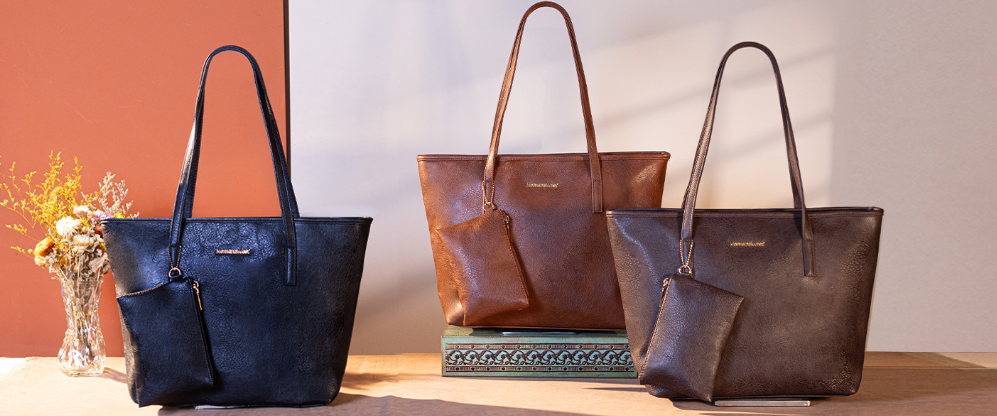
Within 4 days, the first tote bag sample was completed, turning the design into a real product that the Australian client could review and evaluate.
Key Mistakes That Kill Private Label Leather Bag Projects
Eight out of ten women launching leather bag businesses stall before a single bag reaches a customer. The reasons aren’t bad ideas. They’re predictable, avoidable mistakes that hit at the same stages, every time.
Mistake 1: Budgeting for one or two sample rounds
Plan for three to five revision rounds — that’s standard. Each round adds 20–30% to your prototyping costs. Full-grain leather samples cost $60–$800 per unit, depending on complexity. Build in a 20% buffer for sampling. Skip it, and the numbers will catch up fast.
Mistake 2: Sending specs verbally instead of through a tech pack
Factories can’t build from spoken descriptions. Missing specs lead to zipper failures, structural slouching, and misaligned hardware. These issues drive 28% of post-production complaints. A solid tech pack — with measurements, material swatches, and stitching specs — cuts revision rounds by 60%. That’s a straightforward fix with a big payoff.
Mistake 3: Choosing manufacturers on price alone
Low bids hide slow response times and uneven quality. Over 55% of negative reviews trace back to poor materials, not poor design. Look for suppliers with response times under 48 hours. Also check for gross margin consistency above 70%. Price tells you one part of the story. Reliability tells you the rest.
Mistake 4: Launching with too many SKUs
More than five styles at launch spreads your fixed overhead too thin. It pushes inventory turnover below four — a clear sign of creeping obsolescence. Start with three to five styles instead. Keep your operations tight and manageable. Scale up once sell-through data shows which styles are moving and which aren’t.
Conclusion
Building a successful bag brand is not just about having a good idea. It is a step-by-step process. A clear brand positioning, practical design sketches, the right materials, accurate tech packs, and careful sample development all work together to turn an idea into a real product. When each step is handled carefully, the path from concept to finished bag becomes much smoother.
The cooperation with the Australian client showed exactly how this process works in practice. From the first tote bag inquiry to the final sample development, the Sunteam team paid attention to every detail. We did not only focus on leather selection or stitching quality. Our business representative Cara also helped the client organize other important parts of the project, including production timelines, shipping schedules, freight costs, and customs documentation before the order even moved forward.
For many new brands, these operational details can be just as important as the product itself. By helping the client understand each step in advance, the collaboration became smoother and more predictable.
At Sunteam, manufacturing a bag is only part of our work. Supporting our partners and helping them avoid unnecessary risks is equally important. We believe that customer success and happiness are the foundation of long-term cooperation. It is a principle our team keeps in mind in every project, from the first inquiry to the final shipment.