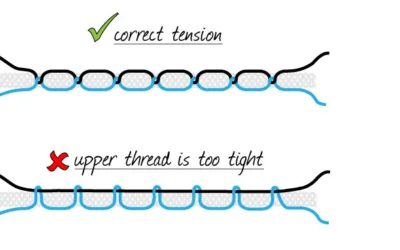
You bought what looked like a high-end leather bag. The seams split after just a few months. Yet vintage leather bags from decades ago still look great. What's the difference? Proper stitch tension for bags—a key factor that many overlook. This separates quality...
Materials & Craftsmanship
How Bag Thickness Is Designed: Structural Principles Explained
Leather bag failures happen all the time. A tote handle cracks. A shoulder strap tears. A leather bag base deforms under daily load. These failures share one root cause: wrong leather thickness design.Many manufacturers still guess their way through leather thickness...
What Makes A Leather Bag Anti Theft
You know that feeling when you're in a crowded tourist spot, clutching your bag like it contains the distinct codes to the nuclear arsenal? We've all been there—doing the constant "wallet-phone-passport" pat-down every thirty seconds. It's exhausting.But what if your...
What Is Microfiber Leather And Why It’S Used In Modern Bags
What Is Microfiber LeatherMicrofiber leather is a synthetic material built to copy the look and feel of real leather. It starts with an ultra-fine base made from polyamide fibers mixed with polyurethane. This base gets coated with PU (polyurethane) or sometimes PVC...
Material Guide For Oem Sport Bag Manufacturing
In OEM Sport Bag Manufacturing, the choice of materials has a direct impact on durability, long-term performance, and total cost. Selecting the wrong fabric may result in 15–25 percent extra cost, while smart material combinations can significantly improve product...
7 Tips to Select High-Quality PU Leather for Your Custom Bag Production
PU leather has become one of the most widely used materials in the bag industry, appearing in handbags, wallets, accessories, backpacks, and even travel bags. Its versatility, color range, and affordability make it a popular choice for brands, but the quality of PU...