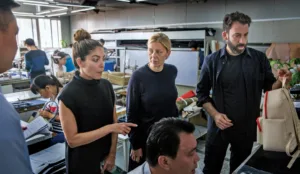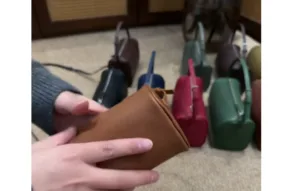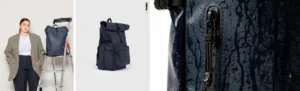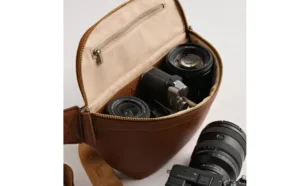
Most bag brands don’t lose money on bad designs — they lose it on miscommunication. Pushing a factory into full production from a prototype is a budget killer. So is tweaking samples that were never built for revisions. Both mistakes drain budgets and push back launch dates.
Knowing the difference between a bag prototype vs pre-production sample goes beyond terminology. It’s the practical knowledge that separates brands that scale with ease from those stuck in endless revision loops.
These two sample types serve different purposes — from materials and construction intent to approval criteria and timeline placement. Here’s how to tell them apart, use each one right, and sidestep the confusion that trips up even seasoned sourcing teams.
Bag Prototype vs Pre-Production Sample — What’s the Difference?
Two sample types. Two jobs that couldn’t be more different. Mix them up, and your timeline starts slipping fast.
Here’s the split:
-
Bag Prototype (Proto Sample): This is an early-stage model. You build it to test design direction, structure, and basic fit. Materials are approximate — similar weight, similar feel — but not your final specs. The build method is non-production. You get 3 units: 2 go to the brand, 1 stays with the factory. Quick to make. Built so you can revise freely.
-
Pre-Production Sample (PP Sample): This is a near-final version. The factory runs it on the actual production line, using exact fabrics, trims, hardware, embroidery, and measurements from your approved order specs. The sole purpose is to confirm the full manufacturing sequence before bulk production starts. Your PP sample approval is the green light for the full order run.
At a Glance: Key Differences
|
Prototype |
Pre-Production Sample |
|
|---|---|---|
|
Materials |
Approximate match |
Exact production-grade specs |
|
Build method |
Non-production |
Full production tooling |
|
Timeline |
Days |
2–6 weeks |
|
Purpose |
Design refinement |
Final manufacturing sign-off |
|
Cost |
Low |
Much higher — tooling and plates alone can raise per-unit cost by 10x |
Prototypes welcome changes. PP samples make changes expensive.
What Is a Bag Prototype (and What It’s Really For)
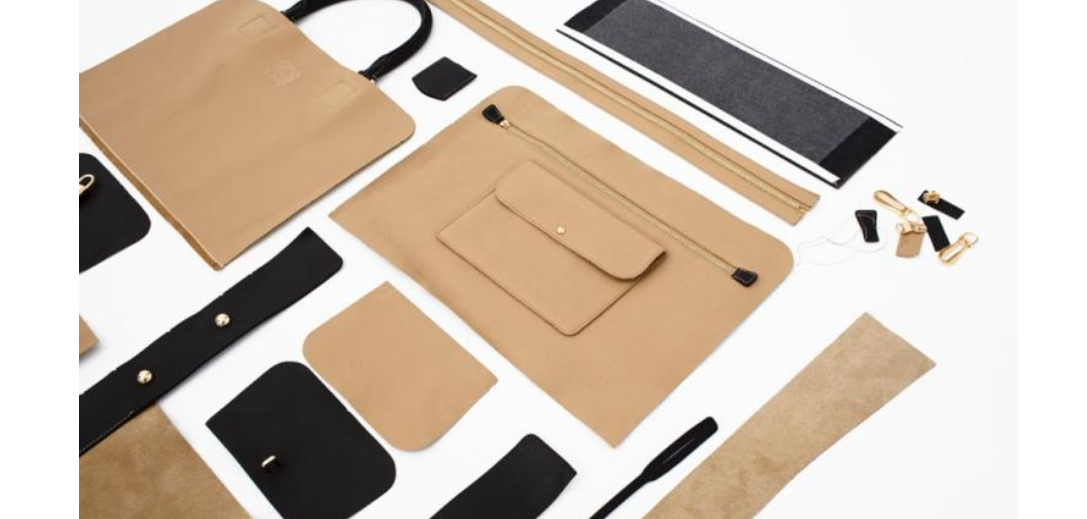
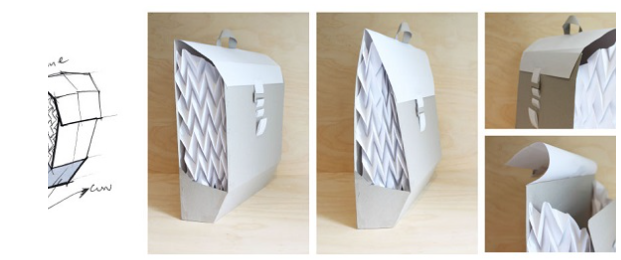
A bag prototype is the first physical sample built after your 2D pattern is ready. Its job is straightforward: turn your tech pack into something you can hold, test, and critique before locking in final materials or production methods.
It’s not a finished product. Not even close. The factory uses whatever materials are on hand — similar-weight leather, stock hardware, approximate colors — because at this stage, the goal is form, not perfection. You’re checking silhouette, proportions, pocket layout, and hardware placement. Does the structure hold up the way the design intends? That’s what this stage is for.
What Goes Into Building One
The process follows a clear sequence:
-
Tech pack review — The factory maps dimensions, Pantone codes, component specs, and label placement before cutting a single piece
-
Substitute material selection — The team picks available options that match your final specs in weight and texture
-
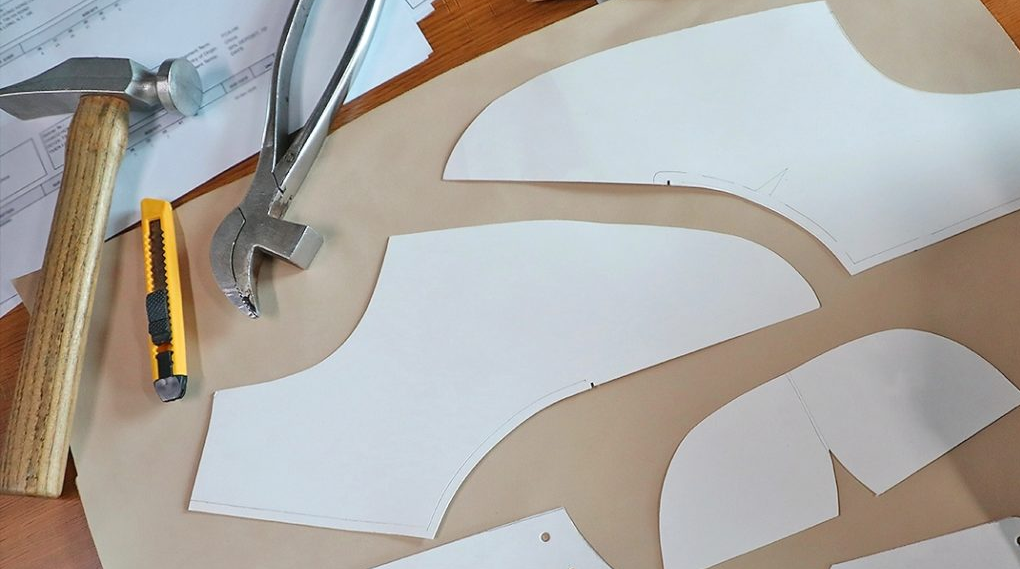
2D pattern making — Pattern pieces get drafted for the outer shell and lining, with seam allowances and reinforcement zones included
-
Hardware sourcing — Stock zippers, buckles, and clasps get pulled in (custom molds come later)
-
Assembly — Pieces get cut, sewn, and finished into a trial sample for your review
What It Confirms
A prototype answers questions that sketches can’t:
-
Does the strap length feel right at 20–30 inches, or does it sit wrong on the shoulder?
-
Are the zipper positions easy to use, or do they frustrate?
-
Does a backpack built at 18×12×6 inches hold its shape under load?
-
Are all 5–10 pockets (per spec) placed where a user’s hand would naturally go?
What It Costs
Standard bag prototype pricing runs around $175 for textile bags. Material sourcing can take up to 4 weeks — the build itself ranges from a few days to a month, depending on complexity.
That cost is intentional. The prototype exists to absorb your revisions. Change the strap. Reposition the clasp. Add a pocket. Do it here, where adjustments cost almost nothing — not later, when each change carries a real price tag.
What Is a Pre-Production Sample (and Why It’s a Factory Benchmark)
Once your prototype gets approved, the factory shifts into a different mode — and the stakes go up with it.
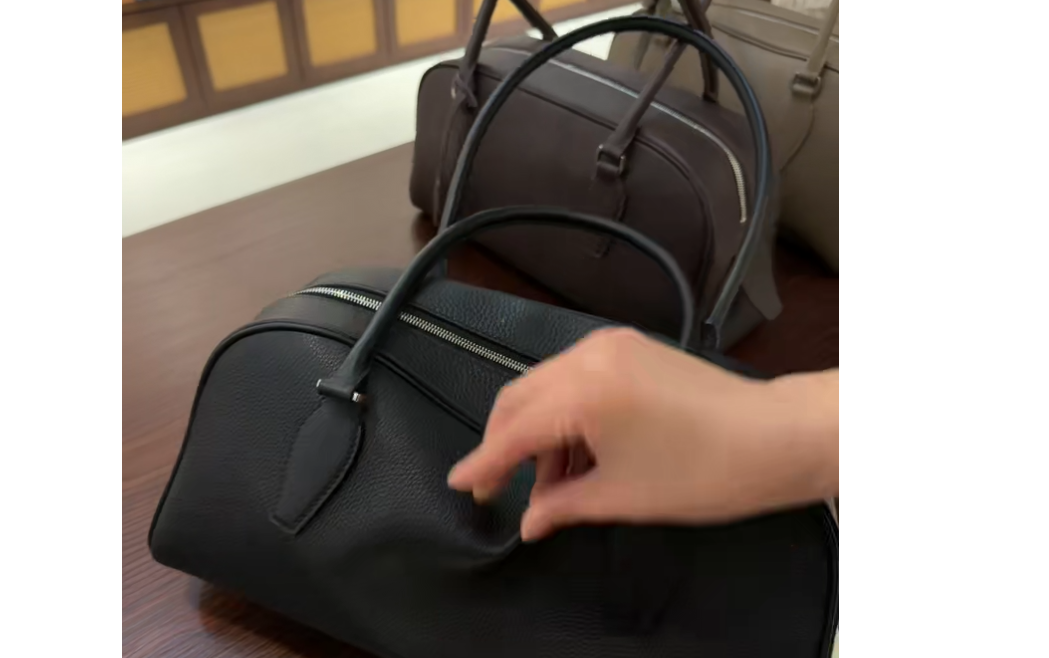
A pre-production sample (PP sample) is a finished bag built using the exact same materials, processes, and tooling that will run during bulk production. No shortcuts. No substitute fabrics. No stand-in hardware. Every component matches your final approved specs: the actual bulk fabric, the correct dye method tied to your approved lab dip, the right zipper sizes, button types, label placement, and wash-care tags — all of it.
This isn’t a sample built for your feedback. It’s built to prove the bag factory can execute your order at scale — and get it right.
What Gets Verified
The PP sample runs through a structured checklist before anyone signs off:
|
Category |
What Gets Checked |
|---|---|
|
Fabric & Color |
Bulk fabric match, no unexpected shine, stiffness, or transparency |
|
Construction |
Stitch density, seam strength, internal finishing, left/right panel consistency |
|
Trims |
Zipper and button sizing, label positioning, wash-care tag accuracy |
|
Measurements |
Alignment with spec sheet tolerances; any deviations get documented and agreed upon |
For bags, the checklist goes further. Three more areas come under review:
-
Structural integrity — handle attachment points, seam load capacity
-
Surface details — embroidery registration, print placement, hardware durability
-
Packaging form — how the finished bag is folded, packed, and presented
The Sealed Benchmark Logic
Factories treat the approved PP sample as non-negotiable — here’s why. You sign off in writing. That sample becomes a sealed bag production reference — sometimes called a gold seal or red seal sample. Both the brand and the factory keep a copy. Every unit off the production line gets measured against it during inline inspections and final bag QC.
The four-step trigger process works like this:
-
Factory receives the final tech pack, spec sheet, BOM, and all approved colors and trims
-
Factory produces the PP sample using actual bulk line logic — no sampling workarounds
-
Sample ships for brand, buyer, and QA review; written feedback is required
-
Written approval → bulk run starts; rejection → revise and remake before anything moves forward
Skipping this step means approving bulk production blind. No shared reference. No agreed standard between your QA team and the factory floor. Defect clusters, rework costs, and delayed shipments trace back to that gap — not bad luck, but a missing benchmark.
Side-by-Side: 6 Key Differences That Matter in Production
Six differences separate a prototype from a pre-production sample. Each one has a direct impact on your production outcome.
This isn’t about vocabulary. It’s about knowing which sample type belongs at which stage. What can each one absorb? Where do mistakes get expensive? Here’s the full breakdown.
1. Purpose
A prototype answers design questions. Is the structure right? Does the hardware placement make sense? Can you live with these proportions?
A PP sample answers one question: can the factory produce this bag at scale?
These are two different jobs. Using a prototype as a production benchmark is like approving a rough sketch as a final blueprint.
2. Materials
Prototypes use approximate materials — whatever is on hand that matches your spec in weight and texture. The factory isn’t sourcing your actual bulk fabric yet. That’s fine. You’re testing form, not finish.
PP samples use zero substitutes. Every material — fabric, lining, zipper, hardware, label, wash-care tag — must match your approved bulk order specs. Color dye lot is off? That’s a rejection. Zipper weight is wrong? It gets flagged before a single unit ships.
3. Build Method
Prototypes are built off the production line. Sample makers build them using flexible methods that support quick revisions.
PP samples run on the actual production line. Same tooling. Same operators. Same sequence used during bulk. What you approve is what the factory builds — thousands of times over.
4. Tolerance for Change
Changes to a prototype are cheap and expected. That’s the point. Reposition a strap, add a pocket, adjust the closure — do it here.
Changes after a PP sample approval are expensive. Any revision restarts the sample process: new materials, new line run, new sign-off cycle. Each loop adds weeks and cost.
5. Approval Stakes
Prototype sign-off means: we’re ready to move toward production specs. It’s directional. It sets the course.
PP sample sign-off is contractual. Your written approval triggers the full bulk run. The approved sample becomes a sealed production reference — both you and the factory keep a copy. Every unit produced gets measured against it during inline inspections and final QC.
6. Timeline and Cost
|
Prototype |
Pre-Production Sample |
|
|---|---|---|
|
Timeline |
Days to a few weeks |
2–6 weeks |
|
Cost driver |
Labor and sample materials |
Tooling, plates, and exact bulk components |
|
Cost impact |
Low |
Per-unit cost can run 10x higher due to tooling and setup |
Prototypes are built to be disposable. PP samples are built to be definitive. Push production too soon from a prototype, and you absorb that 10x cost gap across your entire order — not just one sample unit.
The Bag Sampling Journey: Where Prototype and PP Sample Fit In the Full Timeline
The path from concept to bag production isn’t a two-step process. It’s a sequence. Each sample — prototype and PP — holds a specific position in that sequence.
A typical bag development timeline runs through these stages:
Concept → Tech Pack → Prototype → Fit Revisions → Pre-Production Sample → Bulk Production
The prototype sits near the front. It’s the first physical checkpoint. Your 2D drawings become something you can hold, test, and critique. Everything before it exists on paper. Everything after it builds on what you approved at this stage.
The PP sample sits at the back end, right before bulk. By the time the factory builds it, your design decisions are locked. Materials are confirmed. Specs are final. The PP sample has one job: prove the production line can execute what you’ve already signed off on.
These two samples don’t overlap. They don’t compete. They run in sequence — and skipping either one leaves a gap the other can’t cover.
A prototype can’t confirm production-line execution. That’s not what it’s built for. A PP sample can’t absorb design changes without burning time and budget. Both exist for a reason, and the order isn’t flexible.
Skip the prototype stage, and you carry unresolved design questions into expensive production tooling. Those questions don’t disappear — they get more costly to fix. Skip the bag PP sample stage, and you send bulk production forward with no verified reference point. That’s where defect clusters start, and where they’re hardest to trace back.
Need Both Samples — or Can You Skip the Prototype?
The prototype question isn’t always yes or no. Context decides it.
You need both samples when:
-
You’re working with a new structure or construction method. A design that hasn’t been physically tested carries real risk. You won’t know if it holds until it fails. Catching structural failures at the prototype stage costs 10–100x less than catching them after PP approval.
-
You’re onboarding a new factory. A first-time supplier has no shared production history with you. The prototype exposes misalignment before it turns into something expensive.
-
You’re introducing a new function. Untested assumptions are what cause downstream failures. Rapid prototyping cuts those failure rates by up to 40%, according to MIT Sloan research.
You can skip the prototype when:
-
It’s a minor update to an existing design. The structure is proven. The factory knows your specs. Low-fidelity references and a solid tech pack are enough. Teams that streamline at this stage reach market 40% faster.
-
You have an established factory relationship with documented production history. Shared references do the job. There’s no need to rebuild from scratch each time.
-
Your pattern-maker has deep experience in this category. That expertise shortens the validation loop.
Skip the prototype? Make up for it:
-
Tighten your tech pack — define exact tolerances, flag every assumption in writing
-
Add a fit sample round before PP to catch what the prototype would have caught
-
Require more detailed factory sign-off at each pre-PP checkpoint
Skipping the prototype isn’t a shortcut. It’s a calculated trade — and it works only when the right conditions are in place.
Conclusion
The difference between a bag prototype vs pre-production sample is not just technical trivia. It’s the line between a smooth production run and a costly, timeline-breaking mistake.
Here’s the core of it: prototypes are for exploration and validation. Pre-production samples are for locking in execution. Confuse the two, and you risk approving a bag that can’t be replicated at scale. Or you’ll burn months iterating on something that should’ve been finalized weeks earlier.
Brands that get this right move faster. They spend less on corrections and launch with confidence. They know what they’re approving and why — no guesswork, no last-minute surprises.
Your next step: Map your current sampling stage against the timeline covered in this article.
Not sure whether what you have in hand is a true PP sample or still a prototype? Ask your factory before signing off. A simple clarification now can save weeks of back-and-forth later.
Get this step right, and everything that follows gets easier.