
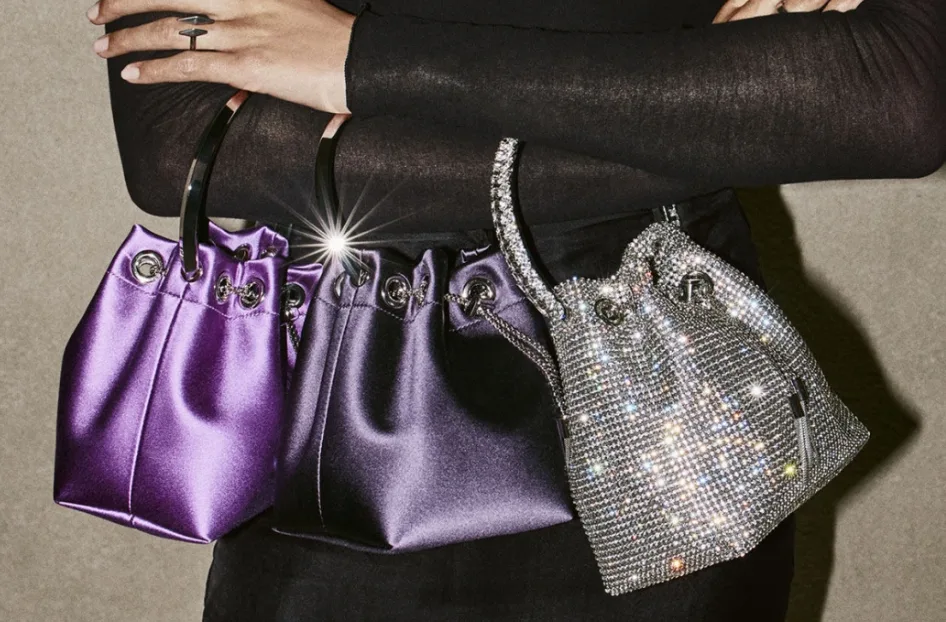
You’re holding a gorgeous Jimmy Choo bag — or you’re about to invest in one. A question comes up fast: where is this thing made? It’s fair to ask. Craftsmanship shapes the price tag more than most people realize.
The answer goes deeper than a country name on a label. It connects to old-world artisan traditions, hand-picked production regions, and a design-to-finishing process that moves across cities and continents.
So, where are Jimmy Choo bags produced — and what does that origin mean for quality and value? You’re in the right place. Some of the details might catch you off guard.
Where Jimmy Choo Bags Are Made: The Short Answer
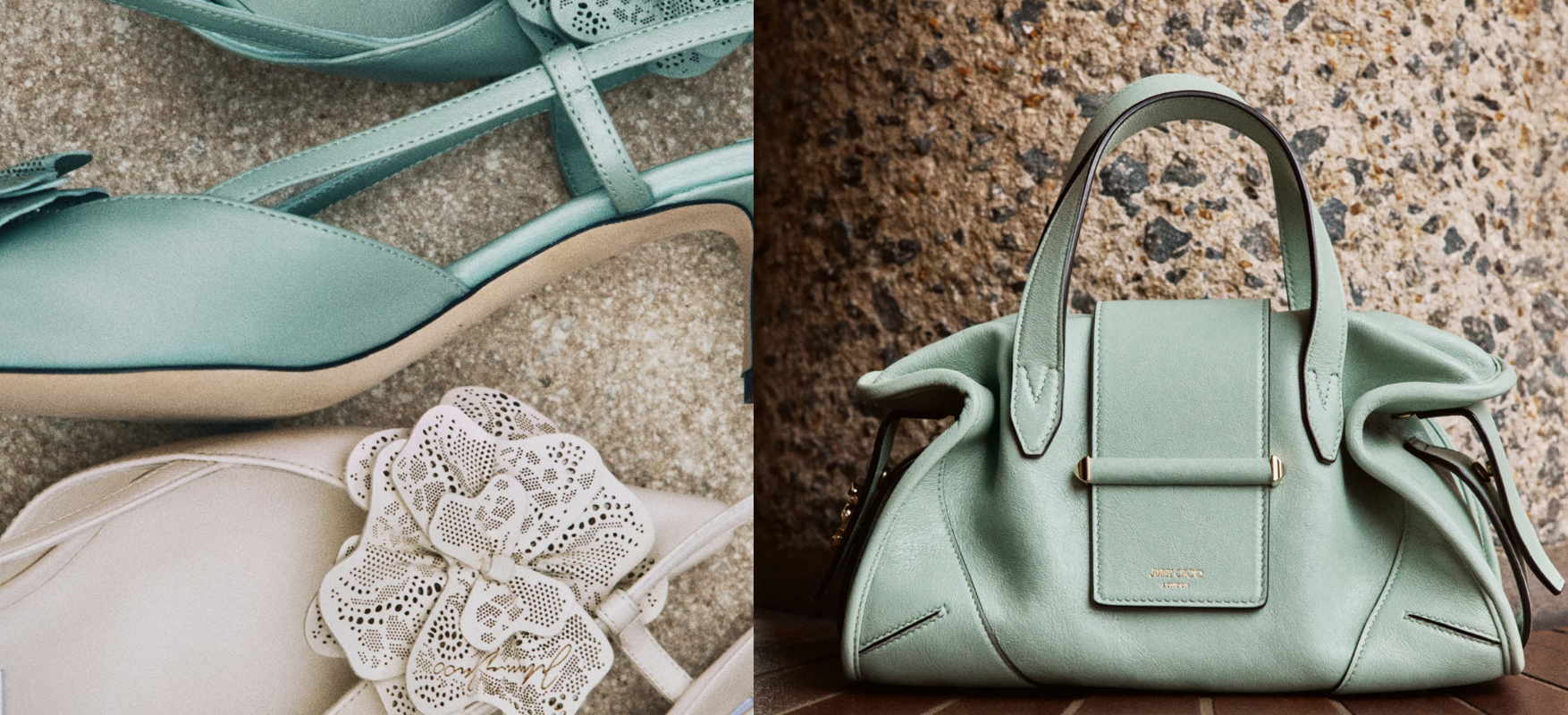
Italy. That’s the core answer — and it’s more than just a label detail.
Most Jimmy Choo bags are made in Italy. Production centers near Florence and the wider Tuscany region. The brand runs a product development facility in Florence and owns a manufacturing site in Pistoia, Italy — a city 35 kilometers from Florence. Pistoia sits inside one of Europe’s oldest and most respected leatherworking regions.
Beyond the Pistoia facility, Jimmy Choo partners with independent third-party contractors across Europe. A small share of production also happens in Asia. But Italy is where most bags come from.
Trade records back this up. One shipment from Jimmy Choo Florence S.r.l. to its US distributor logged 4,634 kg across 244 packages. That included bags, shoes, and small leather goods — all moving from Pistoia to Albany, New York.
So, where are Jimmy Choo bags made? The direct answer:
-
Made in Italy — this is the primary origin for most bags
-
Anchored in Tuscany — both in Florence and the Pistoia factory
-
Supported by European contractors — a network of skilled regional specialists
-
Partial production in Asia — but a smaller share of the overall output
Italy isn’t just a marketing point here. It’s where the actual work happens.
Why Italy? The Craftsmanship Heritage Behind the Label
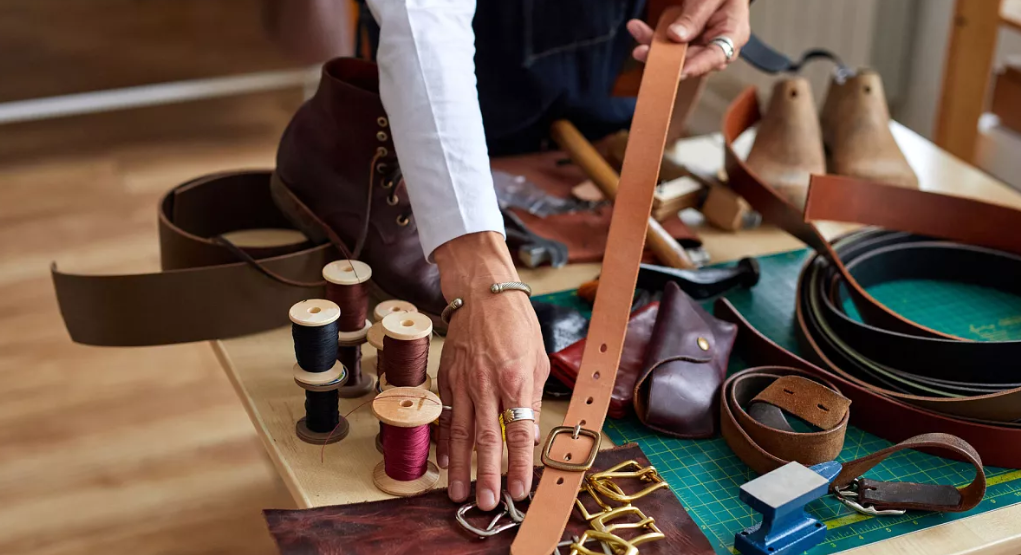
Italy produces 40% of the world’s luxury clothing. That one number tells you a lot about why so many high-end bag brands — Jimmy Choo included — base their production there.
This isn’t coincidence. Centuries of craft knowledge built this. Regional workshops and family-run studios passed those skills down through generations. Those skills took centuries to develop. You can’t reproduce them somewhere else overnight.
A Country Built Around Craft Districts
Italian leather and textile production runs on specialized geographic clusters. Each region holds its own deep expertise:
-
Prato and Biella — textile manufacturing powerhouses
-
Como — supplies 80% of Europe’s silk
-
Riviera del Brenta — one of Europe’s most respected footwear and leather goods corridors
-
Belluno — produces over 80% of Italy’s eyewear
Pistoia and Florence sit inside this same network. That’s where Jimmy Choo concentrates its production. The region isn’t just well-located — it holds some of the most advanced craft skill in the world.
The Workforce Behind the Label
Italy’s fashion and luxury sector employs over 600,000 people across more than 60,000 firms. Most of those firms are small and medium-sized specialists. Two-thirds of the workforce are women. These aren’t assembly-line operations. Each workshop runs on individual artisans who hold specific technical roles — skills built and sharpened over years of hands-on work.
The industry is short 40,000 skilled technical workers by 2026. That gap actually pushes quality up. Experienced craftspeople are scarce. Brands with access to them hold on tight.
Scale That Signals Seriousness
Italy’s fashion industry hit €102 billion in turnover in 2023 — a 4% year-on-year rise. Exports topped €88 billion in 2022, with a trade surplus close to €28 billion.
Prada (€4.7 billion in net revenues), Bottega Veneta (€1.7 billion), and Ferragamo (€1.15 billion) all pull from the same production base Jimmy Choo uses. That’s the company this label keeps.
A Made in Italy stamp draws on infrastructure this deep and this established. That’s what those four words on the label truly stand for.
Jimmy Choo’s Italian Bag Production Hub: Factories Near Florence & Tuscany

Scandicci is a quiet town just outside Florence. On January 7, 2026, it became a key location for Jimmy Choo. That’s the day the brand opened its new Global Supply Chain Office there — a purpose-built facility that shows just how hard the brand is betting on Tuscany as its base of operations.
The building gives you a clear picture of the scale involved:
– 3,000 square meters across three floors
– Covers both office space and warehouse space
– Plus a 2,600-square-meter basement for parking and logistics
It sits on Via Don Lorenzo Perosi — right across from Gucci’s facility. That’s no coincidence. This stretch is one of the most packed luxury production corridors in the world, and Jimmy Choo has planted itself right in the middle of it.
Around 100 employees relocated to the new headquarters. The construction used advanced materials and technologies, with a clear focus on cutting the building’s environmental footprint — something both regulators and buyers care more about each year.
Alberto Gozzi: The Factory Behind the Bags
Here’s a key fact: Jimmy Choo does not own a dedicated bag factory in Italy. What it has instead may be more practical — a deep, structured partnership with Alberto Gozzi, a production partner based in Pistoia, Tuscany.
Alberto Gozzi isn’t just a vendor. In 2019, Capri Holdings — Jimmy Choo’s parent company — bought Alberto Gozzi outright. That move brought the manufacturer into the Capri group, which also includes Versace and Michael Kors. All three brands now pull from Gozzi’s bag production capacity. Capri has also picked up more Italian factories since then to grow that output further.
Beyond Gozzi, Jimmy Choo buys from local Tuscan bag suppliers for leather and leather goods. This taps into the same regional network that European luxury houses have relied on for generations.
Why This Structure Works
Owning a production partner — not a factory — gives the brand room to move without losing quality control. Capri Holdings can spread production across its brands, share resources, and scale up without getting tied down by fixed factory costs.
The Tuscany setup now runs as one connected system:
– Scandicci — supply chain office
– Pistoia — manufacturing via Alberto Gozzi
– Local Tuscan suppliers — leather and leather goods
That’s what “Made in Italy” actually looks like, at the ground level, for Jimmy Choo.
Do Any Jimmy Choo Bag Products Come From Other Countries?
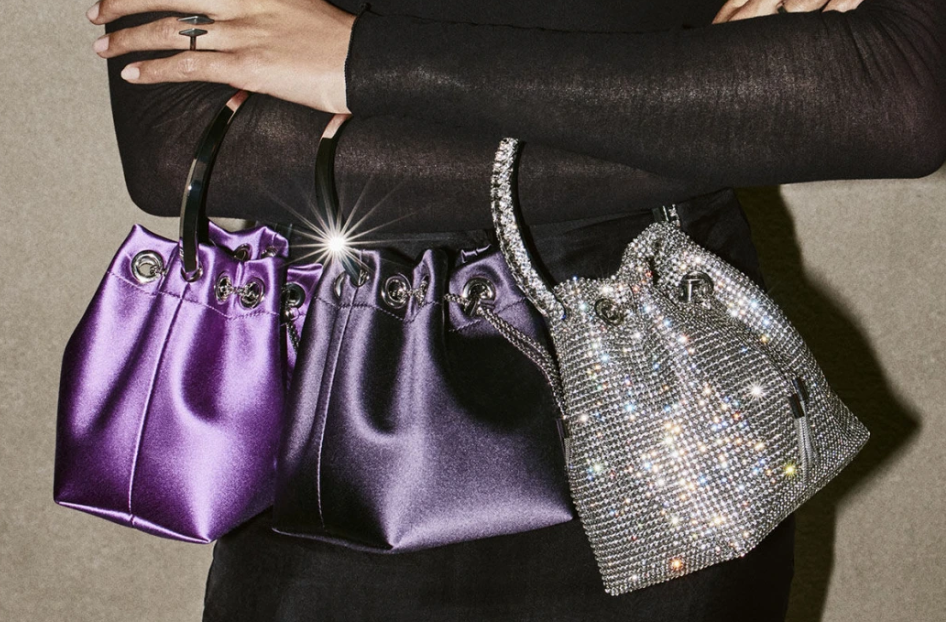
Italy leads the story — but it isn’t the whole story.
A small portion of Jimmy Choo products are made outside Europe. Asia handles some bag production. The brand hasn’t published exact percentages, but the split shows up clearly in its own supply chain disclosures: Italy first, Europe second, Asia third.
Here’s how production breaks down by region:
-
Italy — the main production hub, including the Pistoia facility and the Alberto Gozzi partnership
-
Europe — additional third-party contractors that support the Italian base
-
Asia — a smaller share of total output, run by independent manufacturers
This kind of multi-region setup is standard for luxury brands at this scale. No single country can handle full production volume for a brand that sells worldwide. What matters is where quality control sits — and for Jimmy Choo, that anchor stays rooted in Tuscany.
What “Other Countries” Means for Quality
Sourcing from Asia doesn’t mean a drop in standards. Jimmy Choo uses the same independent third-party audit system across every manufacturing region. That includes announced and unannounced inspections, worker interviews, and facility checks. The location changes. The oversight does not.
Jimmy Choo’s manufacturing model also runs on finished-bags purchasing. Each contractor sources its own raw materials. Jimmy Choo then buys the completed product. This setup puts the quality burden on the partner. So partner selection carries real weight — no matter where the factory sits.
The label may say Italy. The network behind it reaches further.
Conclusion
Now you know where Jimmy Choo bags are produced — and the story behind it is worth knowing. Most Jimmy Choo handbags come from skilled Italian artisans. They work in workshops near Florence and Tuscany. Leather tradition there runs generations deep.
That “Made in Italy” stamp isn’t marketing gloss. It reflects real labor, quality materials, and true expertise — stitched into every piece.
Buying new or shopping pre-owned? Just curious about what justifies the price tag? Either way, origin matters. It shapes the bag’s quality, its lifespan, and its resale value.
Your next step: Before your next purchase, check the interior stamp and authenticity card. Knowing where Jimmy Choo bags are produced gives you the confidence to buy smarter — and to appreciate what you’re holding even more.
A great bag isn’t just an accessory. It’s geography, craft, and legacy — all in one.