
A Manufacturing Perspective from a Leather Bag Factory
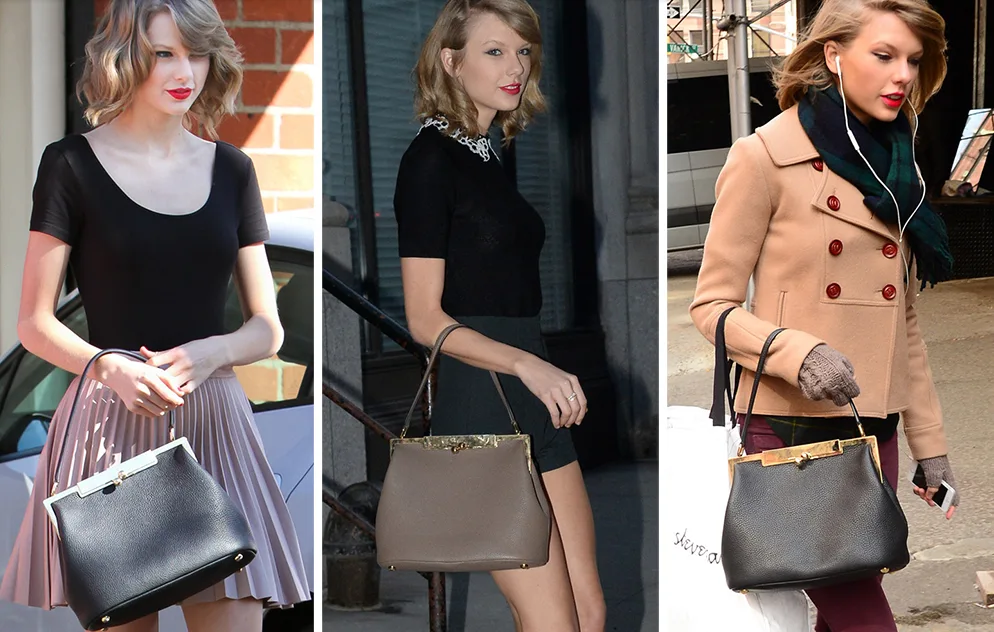
Few public figures use accessories as deliberately as Taylor Swift. While her music evolves with every era, one detail in her wardrobe remains remarkably consistent — structured leather handbags. Polished, defined, and architecturally sharp, these bags appear repeatedly in red carpet appearances, airport looks, and everyday street style.
This consistency raises an interesting question. Is it simply a personal style preference, or does structured design communicate something deeper — authority, precision, control?
A closer look at her handbag choices reveals a clear pattern. Structured silhouettes dominate, suggesting an intentional aesthetic rather than coincidence. And beyond celebrity fashion commentary, this preference highlights something worth examining from a design and manufacturing perspective.
From a structured leather bag manufacturer’s viewpoint, achieving that crisp silhouette requires far more than good design. It involves reinforced internal framing, precise panel cutting, and controlled stitching tension — all essential steps in custom leather handbag manufacturing. What looks effortless on the outside is often the result of highly engineered structure and experienced OEM leather bag production.
Understanding why structured leather handbags create such a strong visual and psychological impact also helps brands make smarter sourcing decisions. For any company looking for a reliable structured handbag OEM supplier, the difference lies in how well the factory manages reinforcement, edge finishing, and long-term shape retention.
Key Findings
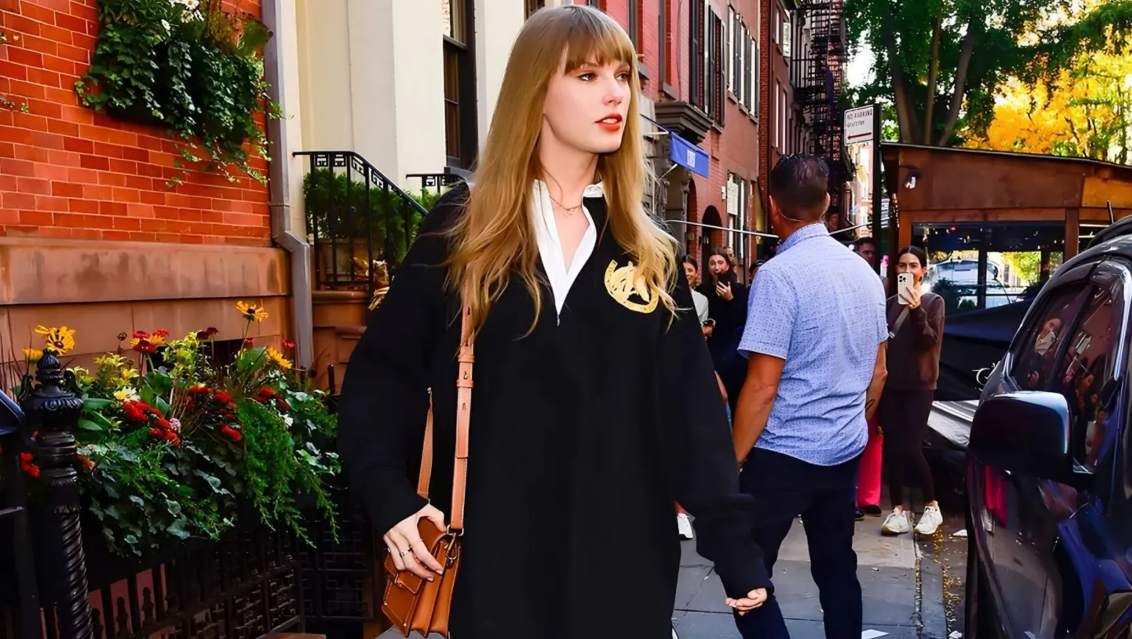
Taylor Swift’s bag choices follow a clear pattern. It’s consistent enough to call it a signature — and the details show exactly why structured leather keeps showing up.
Structured bags dominate her public appearances across every setting. Airport run in a trench coat or red carpet arrival — the silhouette stays the same. Firm sides, clean lines, a bag that holds its shape on its own. Soft, slouchy styles almost never appear in her rotation.
Here’s what her choices share in common:
- Material: Full-grain or smooth leather — never canvas, rarely fabric
- Shape: Box bags, top-handle styles, and structured totes with defined edges
- Scale: Proportional to her outfit, never oversized or visually cluttered
- Color palette: Neutral tones — black, tan, cream, and navy dominate
- Hardware: Understated gold or silver, never decorative or distracting
Brand loyalty plays a role, but it’s not the full story. She gravitates toward labels known for architectural design — houses where bags are engineered with purpose, not just stitched together. The construction matters as much as the name on the clasp.
Also worth noting is the consistency across eras. Her music shifts hard — country to pop to indie folk — but the bag aesthetic doesn’t shift with it. That kind of style stability points to personal conviction, not trend-chasing.
Structured leather photographs well, too. It holds shape and dimension under flash photography. It doesn’t collapse or wrinkle in candid shots. For someone captured on camera hundreds of times a week, that visual reliability is a real, practical advantage.
The pattern becomes clear: why Taylor Swift prefers structured leather handbags ultimately reflects control — not just over silhouette and image, but over how a bag maintains its form under constant use. From a structured leather bag manufacturing perspective, that level of consistency is only possible through reinforced construction, precision cutting, and disciplined production standards.
Observed Leather Bag Preferences
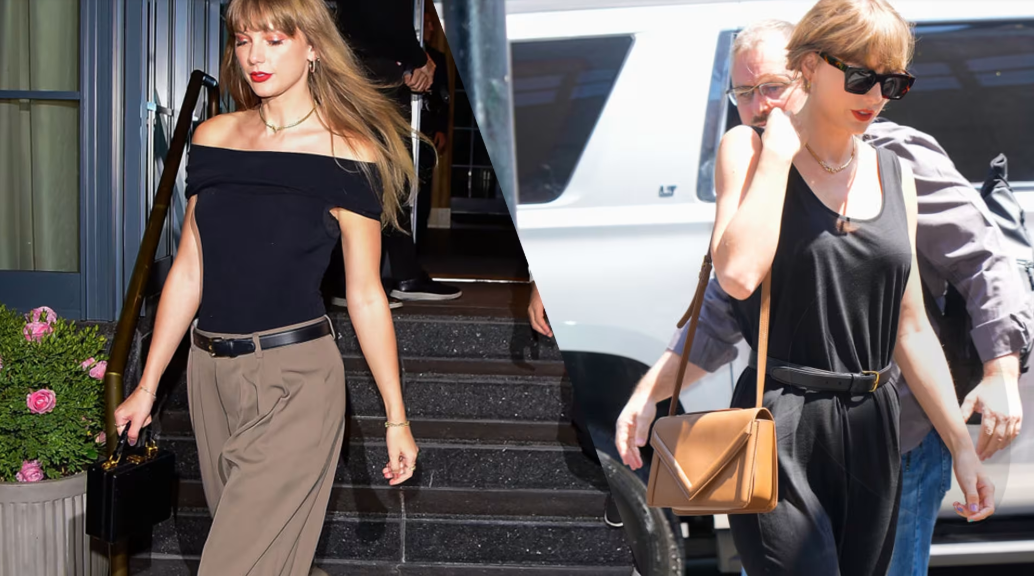
Top-handle bags are having a moment — and the numbers back it up. In 2025, top-handle styles recorded a 2% growth in market share. That’s part of a broader shift toward structured, purposeful silhouettes. Taylor Swift has been ahead of this curve for years.
Her bag choices read like a case study in deliberate accessorizing. The styles she gravitates toward — top-handle bags, boxy frame styles, rigid totes — are the same ones gaining ground across the wider handbag market. That alignment isn’t accidental. It reflects something real about why structured leather keeps resonating, both in culture and in sales.
What Her Bag Rotation Looks Like
Pull up any candid photo from the past five years. You’ll notice the same structural qualities showing up, no matter the occasion:
- Top-handle frames appear again and again — bags worn in the crook of the arm, not slung over a shoulder
- Box-shaped silhouettes with visible, load-bearing structure rather than soft, gathered leather
- Tote styles that hold their shape when empty, not just when packed — that’s what separates architectural design from basic utility
- Hardware that functions, not just decorates — clasps, hinges, and locks that serve the structure of the bag
Totes now command 41% of the handbag market, up from just 12% pre-pandemic. But Swift doesn’t reach for just any tote. The ones she carries have rigid bases, defined corners, and sides that don’t cave under their own weight. That puts them in a different product category — even if the name sounds the same.
The Preference Pattern Across Settings
What makes her choices worth analyzing is the cross-context consistency. Women aged 35 and older carry handbags outside of work settings more than 60% of the time — so bags face real, multi-environment demands. Swift’s selections hold up across all of them.
Red carpet. Airport terminal. Coffee run. The structural integrity of her bags doesn’t shift to match the setting. The leather stays smooth. The silhouette stays firm. The proportions stay deliberate.
That’s a real preference pattern, not a styling coincidence. The handbag market is projected to generate $10.34 per capita in revenue by 2029. The buyer who chooses structured leather and sticks with it — that’s the buyer luxury labels are designing for.
Structured Leather Examples
Taylor Swift’s bags aren’t just structured in looks — they’re engineered to be. That difference matters more than most people think. You can see it clearly in the specific pieces she keeps coming back to.
Several labels show up in her rotation again and again.
- Dolce & Gabbana’s Sarah and Agata bags — rigid frames, smooth leather surfaces, silhouettes that don’t soften under pressure
- The Mark Cross Scotty Satchel — a top-handle style with load-bearing construction and a boxy profile that looks the same empty as it does full
- Brandon Blackwood’s Kendrick bag — a more contemporary take on the same idea: hard sides, defined corners, leather with no give
- Tod’s structured designs — Italian craftsmanship and architectural precision that holds up across different settings
These bags don’t just look similar. They share the same manufacturing logic underneath.
Why These Leather Bags Hold Their Shape
Structured leather isn’t an accident. The rigidity that makes Swift’s bags photograph so well across hundreds of candid shots comes from a precise, multi-stage production process. Shortcuts show.
It starts with thickness control.
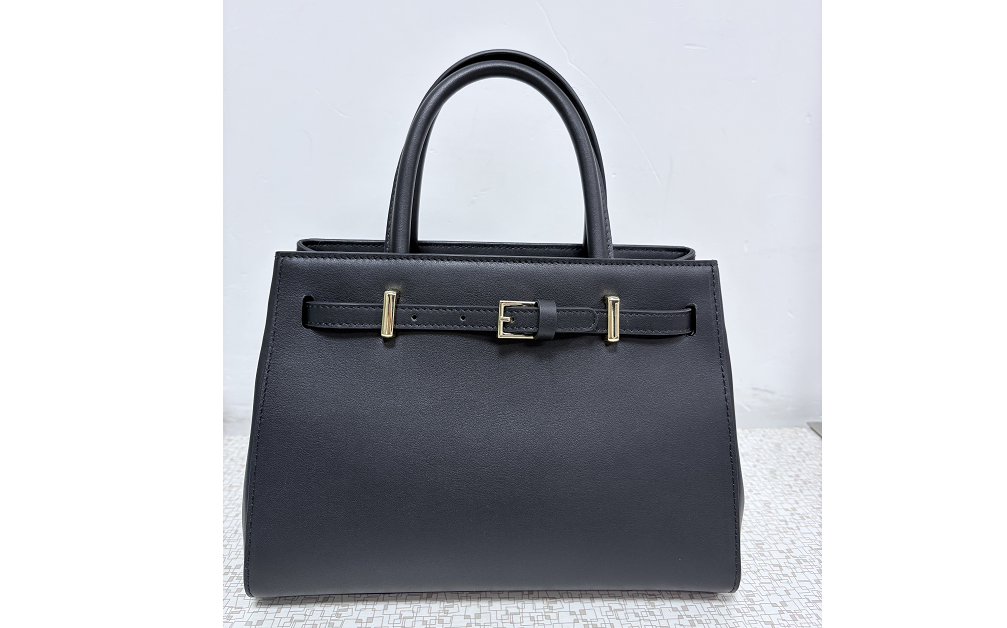
Hides get split into layers during production. The grain layer goes toward top-grain and full-grain finishes. The non-grain side gets shaved to an exact thickness. Most finished skins come in under 1mm before any extra processing. That base thinness is what allows precision shaping later on.
Next, fiber structure determines rigidity.
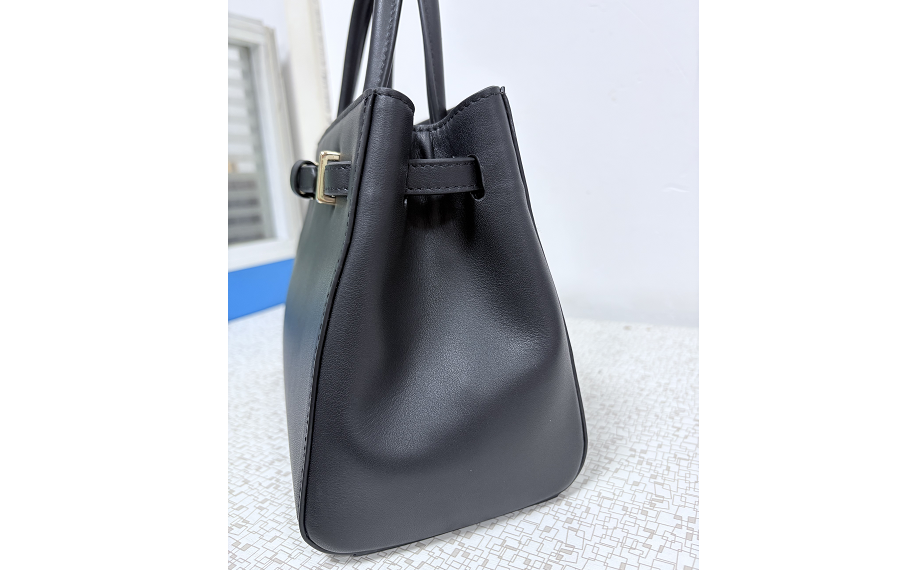
Toggling stretches hides on stainless steel frames for four to eight hours. This tightens the fiber and pore structure to build resistance. Setting out follows — it smooths the grain surface and pulls out moisture. Staking and dry drumming then adjust fiber separation to fine-tune the balance between flexibility and firmness. This is where the “structured” quality gets built in, not layered on top.
Density and fill adjustments come after that.
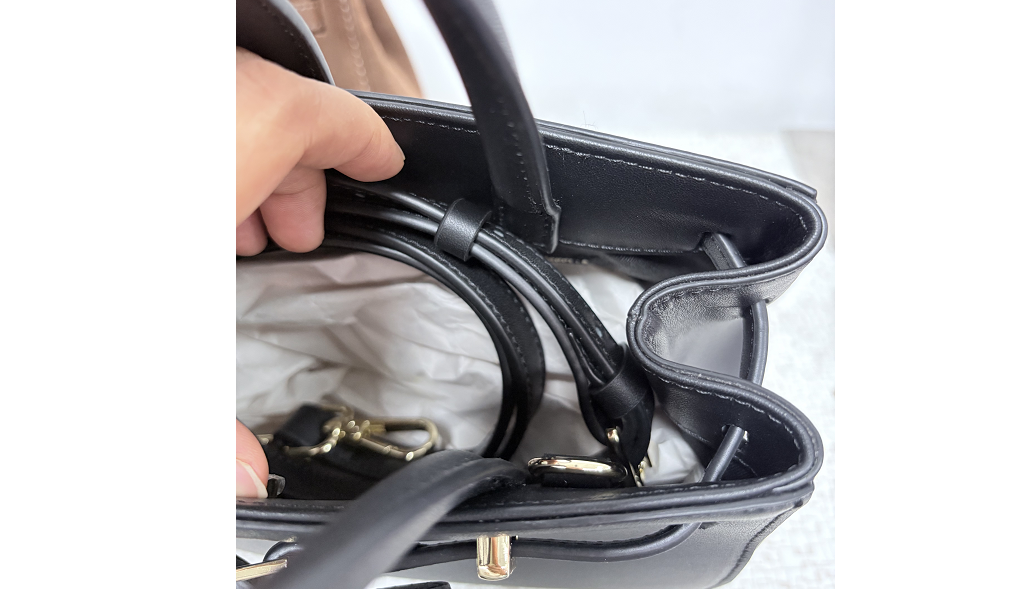
Retanning changes how dense and full the leather feels. Filling adds heavier compounds that harden the material further. Fatliquoring controls how much softness stays — oils and fats pushed between fibers set the final level of rigidity or suppleness. A bag maker choosing structured leather is picking a specific point on that spectrum, on purpose.
Drying benchmarks close the loop.
Samming removes 45 to 55 percent of remaining water. Final drying brings moisture content below 20 percent. That low moisture level is what gives finished structured leather its dimensional stability — the reason a bag can sit on a table without collapsing sideways.
The full sequence runs in strict order: preparatory stages, tanning, crusting and retanning, then finishing. No step can be reordered. Each phase builds on the last.
What This Means for the Bags She Carries
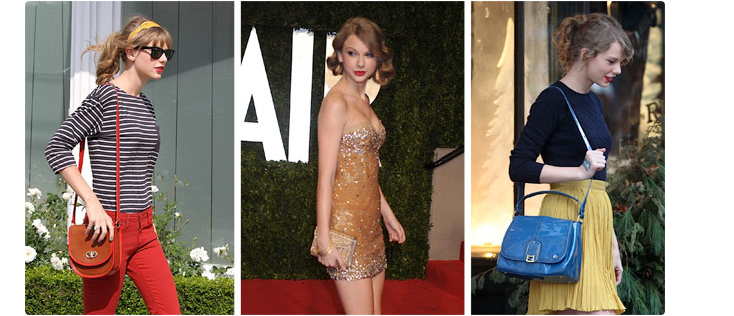
Swift reaches for a Mark Cross satchel or a Dolce & Gabbana frame bag. She’s reaching for the end result of that entire process. The clean silhouette, the smooth surface under camera flash, the corners that stay defined after hours of carrying — none of that is styling magic.
It’s manufacturing precision showing up as visual consistency.
That’s why Taylor Swift prefers structured leather handbags in these specific styles. The construction gives her exactly what a public-facing life demands — a bag that performs the same every time, with no adjustments needed.
Taylor Swift ‘s Leather Bag Style Insights
Style is a form of non-verbal communication. The bag you carry signals something — your priorities, your aesthetic, your relationship with permanence versus trend. For Taylor Swift, that signal has stayed stable across years of public life and bold creative reinvention.
That stability is itself a data point.
Style insights — the kind fashion analysts use to track preference patterns and predict market movement — are built on this: consistent choices repeated across different contexts. Swift’s structured leather preference isn’t a single data point. It’s a pattern strong enough to serve as a case study in personal brand coherence.
What Her Choices Actually Communicate
Fashion trends work as identity markers. A slouchy bucket bag reads differently than a rigid top-handle frame. One suggests ease, spontaneity, informality. The other communicates precision, intention, control. Swift chooses the second category — and that choice says something specific about how she presents herself visually.
Accessories sit at the edge of conscious styling decisions. That’s why they matter. Clothing gets managed for red carpet events. Bags carried through airports or on casual outings are closer to genuine personal preference. Swift’s structured leather choices show up in both settings. That makes the pattern more meaningful, not less.
Her aesthetic aligns with how luxury fashion brands build a competitive edge — through distinctive, consistent design choices that create identity over time. The brands she reaches for operate on the same logic. Dolce & Gabbana, Mark Cross, Tod’s — these aren’t brands that chase seasonal shape trends. They build a strong design identity and hold it.
The Risk of Style Drift — And Why She Avoids It
Fashion analysts track something called style drift: the slow erosion of a brand’s design identity through small, accumulated changes. Labels lose it by responding to too many short-term signals. The coherent aesthetic that made them recognizable fades.
Swift’s bag choices show no meaningful drift. The silhouette stays structured. The leather stays smooth. The proportions stay controlled. That kind of consistency doesn’t happen by accident. It reflects an active decision to hold a style position rather than follow each new trend cycle.
For a public figure photographed hundreds of times per week, visual inconsistency carries real cost. Style drift in celebrity accessorizing reads as indecision. Coherence reads as conviction.
Why This Preference Pattern Holds Up Across Eras
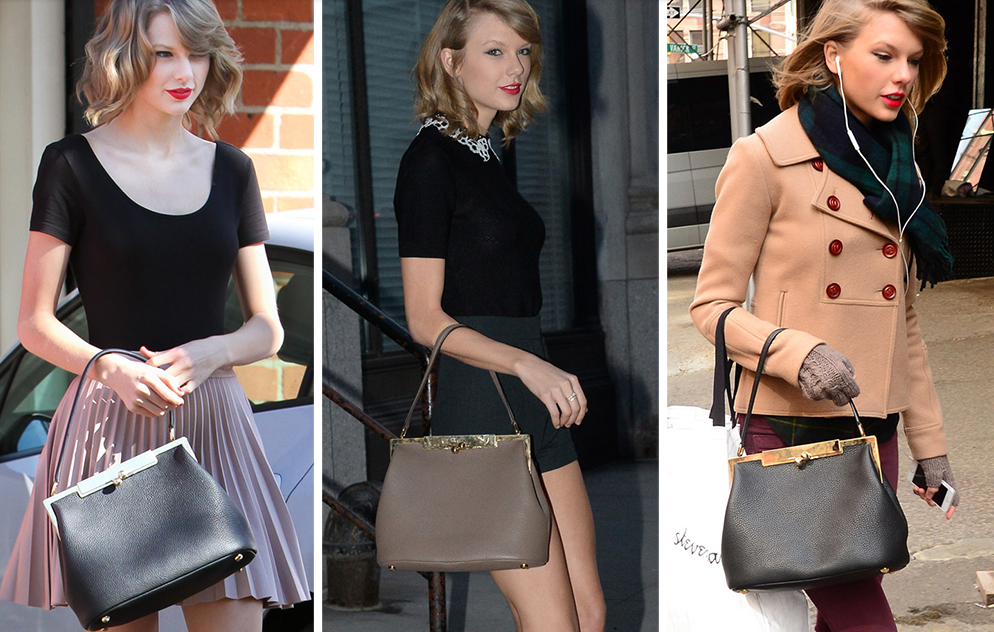
The fashion industry concentrates its rewards at the top — roughly 20% of brands generate the majority of industry profit. Analysts point out the key difference: consumer insight combined with identity clarity. Brands that know who they are, and carry that identity across product lines and seasons, outperform those that don’t.
Swift applies the same principle to herself. Her music explores new territory with every album cycle. Her visual identity — including why Taylor Swift prefers structured leather handbags — holds something stable underneath all that change.
The structured bag isn’t just a style choice. It’s a visual anchor that travels with her across every creative reinvention, every era, every setting. That’s not coincidence. That’s a deliberate aesthetic strategy — and the consistency of her choices is what makes it clear.
Structural Challenges in Leather Handbag Manufacturing
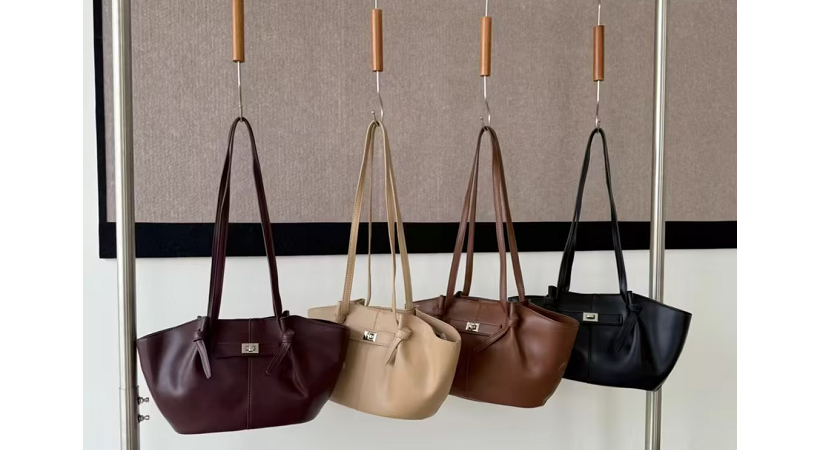
The structured leather handbag market doesn’t reward assumptions — especially in production. So why does Taylor Swift repeatedly choose structured leather handbags? The answer reveals more than personal style. It highlights what is often overlooked in how these bags are evaluated.
Most celebrity coverage focuses on visibility. She carried the bag. It sold out. That’s the headline. But from a sourcing perspective, the more important questions are rarely asked.
Three gaps stand out.
1. The Structural Integrity Gap
Many handbags appear structured at first glance. Fewer are built for long-term stability.
The difference lies in reinforcement materials, internal panel support, and load-bearing balance. In professional leather handbag construction engineering, silhouette control depends on internal architecture, not surface appearance.
True structure reveals itself over time — not at the point of sale.
2. The Design Consistency Gap
Celebrity fashion reporting treats each appearance as a trend moment. It rarely examines repetition.
Yet the consistent use of structured silhouettes suggests reliability and functional confidence. For brands investing in private label handbag development, long-term design discipline matters more than short-term trend spikes.
Consistency signals strategic product positioning.
3. The Durability Performance Gap
Market demand for structured top-handle and reinforced tote styles continues to grow. However, durability performance is seldom part of the conversation.
Shape retention, edge stability, and resistance to collapse are outcomes of disciplined bulk leather bag production standards — not styling alone.
Market longevity often reflects build quality more than fashion cycles.
Why These Gaps Matter
Understanding structure from a production standpoint changes decision-making.
For buyers, it reduces risk.
For brands, it clarifies what separates decorative design from functional reliability.
What looks like a style preference may ultimately reflect structural confidence — something that can only be delivered through experienced high-volume leather goods manufacturing.
Conclusion
You’re building a wardrobe with the same quiet authority that makes Taylor’s style stand out — year after year.
From a bag manufacturing perspective, this consistency isn’t accidental. In structured leather bag production, every panel, reinforcement, and stitch is designed to maintain shape and durability. Partnering with an experienced OEM leather handbag manufacturer ensures bags not only look structured but perform reliably over time.