
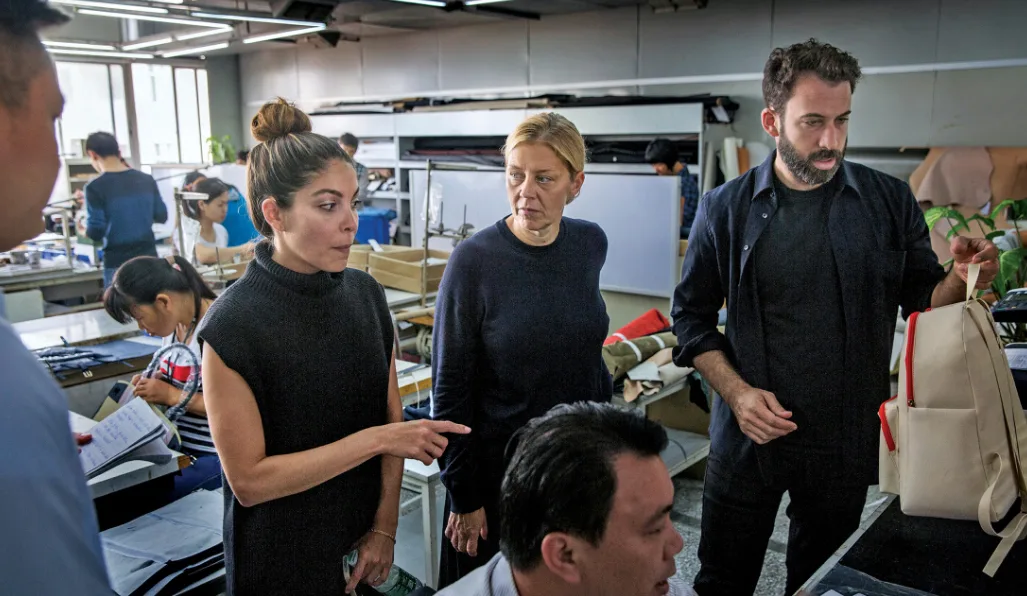
Every brand that claims “radical transparency” faces a simple test: show us the receipts. Everlane built its entire identity around ethical sourcing and factory accountability. But what does that look like when you trace an Everlane bag from raw material to retail shelf?
Dig into their global bag manufacturing network and the picture gets complicated fast. This investigation cuts through the brand narrative. It examines real factory audits, material certifications, labor conditions, and sustainability metrics. You get everything you need to decide whether Everlane’s manufacturing credentials are earned — or just well-managed PR.
Everlane Bags: Global Manufacturing Revealed
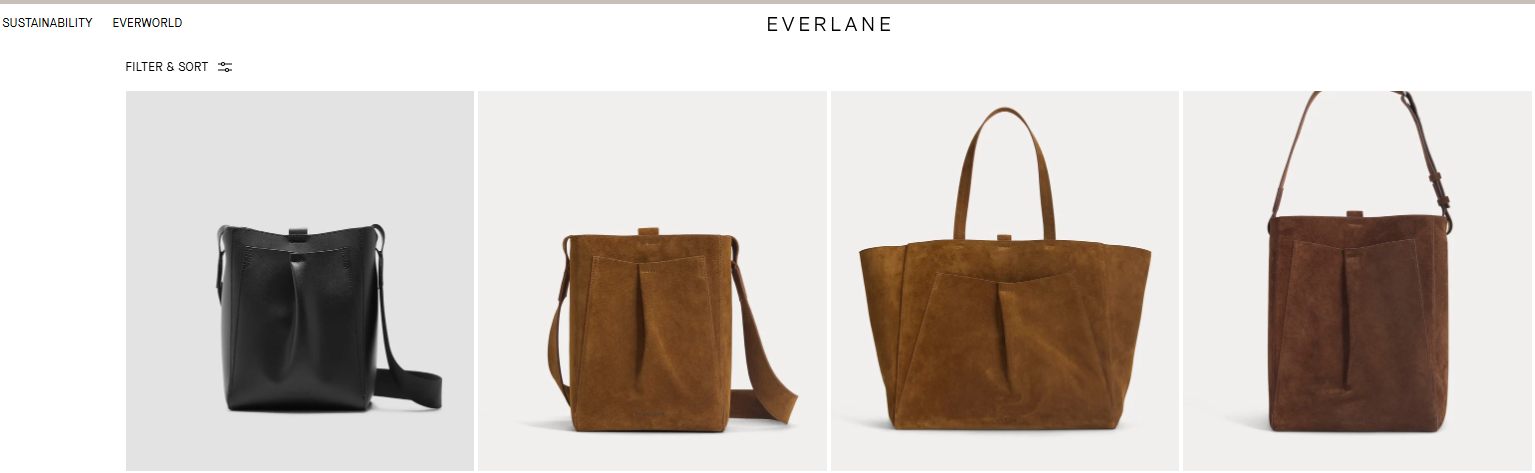
This article gives you a full, evidence-based look at how Everlane bags are made — not just what the brand claims.
Each section covers a specific part of the picture:
-
Manufacturing locations — Spain, Italy, Peru, and Asia, with details on specific factories
-
Italian production — the Prato facility, its 31-person team, and what “craftsmanship” means in practice
-
Materials and certifications — fiber breakdowns, recycled content percentages, and organic cotton progress
-
Sustainability metrics — emissions reductions, preferred materials growth, and supplier targets
-
Supply chain transparency — the Transparency Pledge, audit practices, and where gaps still exist
Where Are Everlane Bags Made? A Factory-by-Factory Breakdown
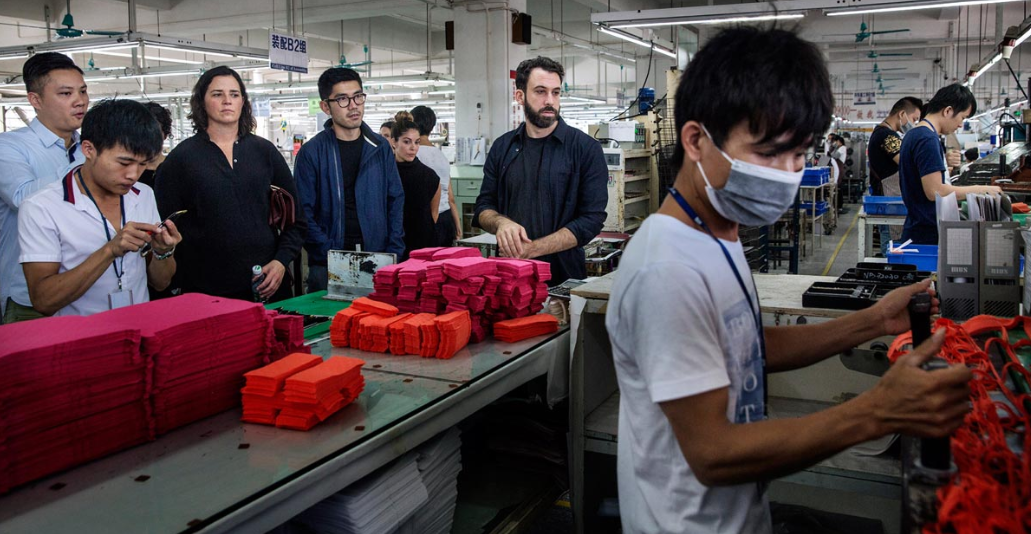
Everlane runs 33 bag factories across four continents. That’s a bigger, more spread-out network than most shoppers expect.
Bags don’t come from one single region. The style and material determine where each bag gets made. You might buy a bag assembled in southern China, one crafted in a Tuscan leather workshop, or another stitched in Spain. Each location has a specific job in the production chain.
China: The Volume Hub for Handbags
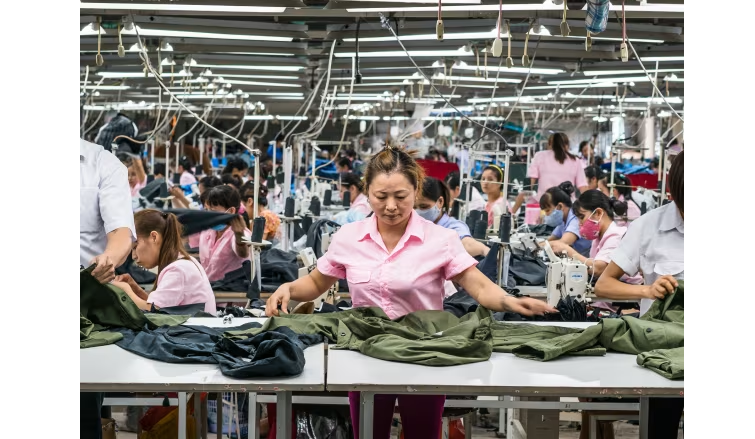
Two Chinese factories handle most of Everlane’s bag production.
Dongguan Eastrade Handbag is the main facility. Located in Dongguan City, it employs 1,100 workers. That size lets the factory keep output steady across many bag styles at once. Most of Everlane’s high-volume handbag lines come from here.
The second facility sits in the Shenzhen area. Everlane calls it the PK factory. It runs with about 300 workers — smaller, but with a sharper focus. This factory handles higher-end cut-and-sew construction. The work is more precise. Think structured shapes and tighter finishing standards.
Everlane runs six factories total in China. The bag factories sit at the more skill-intensive end of that group.
Italy: Where “Craftsmanship” Has a Specific Address
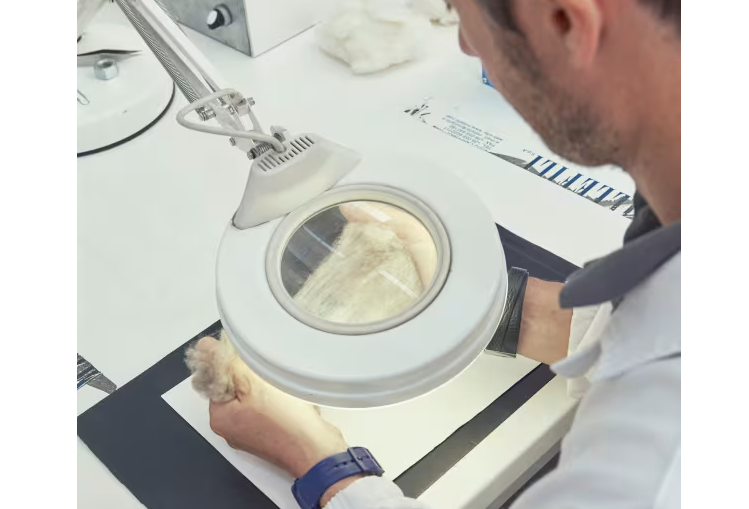
Italy covers about 12 of Everlane’s supplier relationships. These focus on accessories, leather goods, and footwear. For leather bags, the key location is Prato — a textile city in Tuscany with a long production history.
Here’s a detail Everlane doesn’t always highlight: many of Prato’s leather workshops are run by Chinese entrepreneurs who moved to Italy decades ago.
The Prato facility employs 31 people. That’s small by any measure. But small here means hands-on work, not automated production lines. So what does “Italian craftsmanship” give you? It gives you construction quality that comes from people working closely on each piece — not machines running at scale.
Spain: One Factory, Focused Output
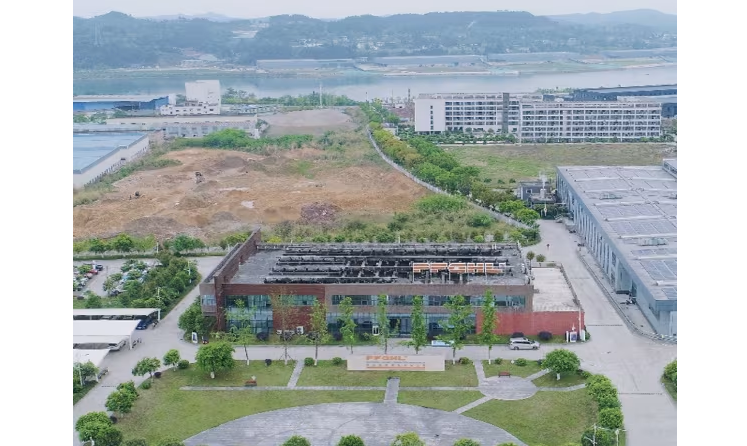
Everlane sources leather goods from one Spanish factory, operating under the name Pepe. Spain covers a smaller slice of the bag lineup. Still, the relationship shows Everlane’s preference for established regional specialists in leather work.
The Geographic Logic
|
Region |
Factory Focus |
Scale |
|---|---|---|
|
China (Dongguan) |
High-volume handbags |
1,100 employees |
|
China (Shenzhen area) |
Technical cut-and-sew |
~300 workers |
|
Italy (Prato) |
Leather bags, artisan production |
31 employees |
|
Spain |
Leather goods |
Single facility |
The split is clear and deliberate. Asia handles volume. Europe handles bag craft. Many luxury and mid-market brands use this same setup — Everlane is not the exception. But understanding it helps you see what you’re paying for at each price point in the bag lineup.
Inside the Production Process: How an Everlane Bag Gets Built
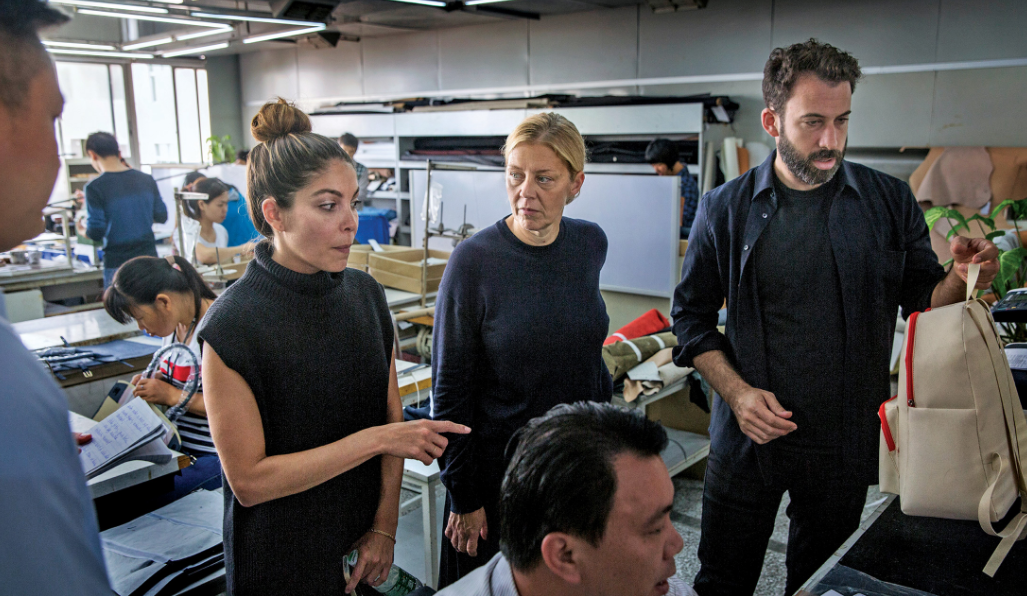
A roll of fabric enters a Dongguan bag factory and leaves weeks later as a finished bag. The steps in between tell you a lot about what Everlane’s manufacturing claims rest on.
Every bag factory follows the same core sequence:
-
Fabric inspection — Workers check incoming rolls for defects before anything gets cut.
-
Stacking and cutting — Fabric goes into flat stacks, then precision machinery cuts it into individual components.
-
Assembly — Cut pieces move to the sewing floor. Each worker handles one specific operation. One person attaches a handle. Another closes a seam. This division of labor keeps quality steady across large volumes.
-
Quality checks — Inspections run at every stage, not just at the end. Teams verify measurements, construction specs, and defect rates throughout the process.
-
Final review and packing — Each finished bag goes through a last inspection. Then it gets packed in 100% recycled paper cartons or FSC-certified bags. Everlane dropped virgin plastic packaging in 2019.
The direct factory model plays a big role here. Everlane cuts out middlemen and keeps closer oversight at each stage. Regular audits cover labor conditions, wages, and working hours — not just production quality.
The ReNew bag line takes material tracking even further. Both REPREVE® recycled polyester and ECONYL® recycled nylon carry GRS chain-of-custody certification. That means you can verify the recycled content claim at each production handoff — not only at the finished product stage.
Everlane’s Sustainability Scorecard: Real Impact vs. Brand Narrative
The numbers Everlane publishes look impressive — until you check what’s been verified.
The 2024 Impact Report shows a 52% absolute reduction in Scope 1–3 emissions from the 2019 baseline. Per-unit Scope 3 dropped 44%. Third-party verifier Trellis confirmed the per-unit figure. Those are real milestones.
But the full emissions picture carries a big asterisk. SBTi approved Everlane’s Scope 1 and 2 targets only. Scope 3 — the largest and most complex emissions category — still awaits SME validation. That category covers raw materials, manufacturing, and product use. Put simply, the hardest part stays unconfirmed.
The same gap shows up across other metrics:
-
Preferred materials: 90% of fabrics meet lower-impact standards. Cotton reached 95% organic, regenerative, or recycled. Solid progress — but 10% stays uncertified, mostly in the hardest inputs to replace.
-
Water recycling: 98% recycling in denim production is a real win. For bags? No matching data exists. The brand leans hard on denim results without saying what applies to other product lines.
-
Virgin plastic: Everlane’s marketing long implied a zero-virgin-plastic milestone back in 2019. The Impact Report targets zero by 2025. The 2019 claim has no verification — and leather bag and footwear production appear outside the scope of that target.
Outside scorecards show the same divided picture. Eco-Stylist rated Everlane 69/100 in 2025, up from 30/100 in 2022 — giving credit for strong carbon goals, water tracking, and waste measurement. Commons.earth reported 80% lower-impact materials but noted that SBTi-aligned targets are “not on track” due to recent growth pressure.
Supply chain visibility hits the same ceiling. 97% of Tier 1 suppliers have science-aligned targets in progress. 100% scored Green or Yellow on audits. Below Tier 1, the picture gets murky fast. No concrete traceability numbers exist for Tier 2 or Tier 3 suppliers. Emissions data for raw materials comes from industry averages, not direct measurement.
So here’s where Everlane bags manufacturing stands: real progress on materials and carbon intensity, clear gaps on scope, verification, and supply chain depth. The brand has moved since 2019. It hasn’t yet closed the gap between what it claims and what it can prove.
Which Everlane Bag Has the Most Ethical Manufacturing Profile?
Not all Everlane bags are equal on the ethics front. The manufacturing profile changes depending on which line you’re buying. The differences matter if sourcing and accountability factor into your decision.
Ranked by Ethical Manufacturing Profile
ReNew Transit Bag — Strongest Credentials
This is the cleanest option in the lineup. Materials trace back to recycled plastic bottles and fishing nets. The recycled content is GRS-verified. That means the chain of custody holds across every production handoff — not just at the finished product. Want to avoid virgin plastic? Start here.
Day Market Tote — Middle Ground
Italian leather. Handcrafted production. Tier 1 factory photos are published. The cost breakdown is rare in its transparency: £92.05 in materials, labor, and transport against a £167 retail price. That 2–3x markup sits far below the industry norm of 7–8x. The accountability story here beats most competitors. That said, the leather bag supply chain depth runs thin below Tier 1.
Leather Totes — Most Caution Warranted
LWG-audited leather sourcing checks out at the tannery level. Below that, Tier 4 raw material transparency does not exist. The Dongguan factory that handled bag production in the past received Everlane’s lowest audit score in 2015. That score covered wages, safety, and quality of life.
Before You Buy: A Quick Checklist
-
Confirm material type: Check the product page for ReNew or recycled percentage. No listing? Treat it as conventional.
-
Check factory disclosure: Everlane’s supplier page lists Tier 1 names and locations. Use it.
-
Cross-reference on your own: Good On You rates Everlane “Good.” That’s useful context, but it does not verify labor conditions directly.
-
Don’t assume “no harm” animal claims: At this scale, those claims are hard to verify. No third-party certification backs them up.
The ReNew line is the safest pick for buyers who want manufacturing credentials they can trace end to end.
Conclusion
Everlane’s supply chain is now an open book. One truth stands out: radical transparency only matters when the details back it up. The factories are real. The certifications matter. But the materials tell a messier story than the marketing lets on — and now you have the full picture.
Here’s what that means for your buying decision:
-
Everlane’s manufacturing is more traceable than most mid-range brands
-
Labor practices vary by factory and product line — sometimes a lot
-
Some bags carry genuine ethical weight; others coast on brand reputation alone
The Everlane bags global manufacturing story isn’t black and white. It’s a case study in shopping smarter, not just greener. Use the Buying Decision Guide above to match your values to the right product — not just the right price point.
The most sustainable bag is one you buy with your eyes open — knowing what you’re paying for, and why.