
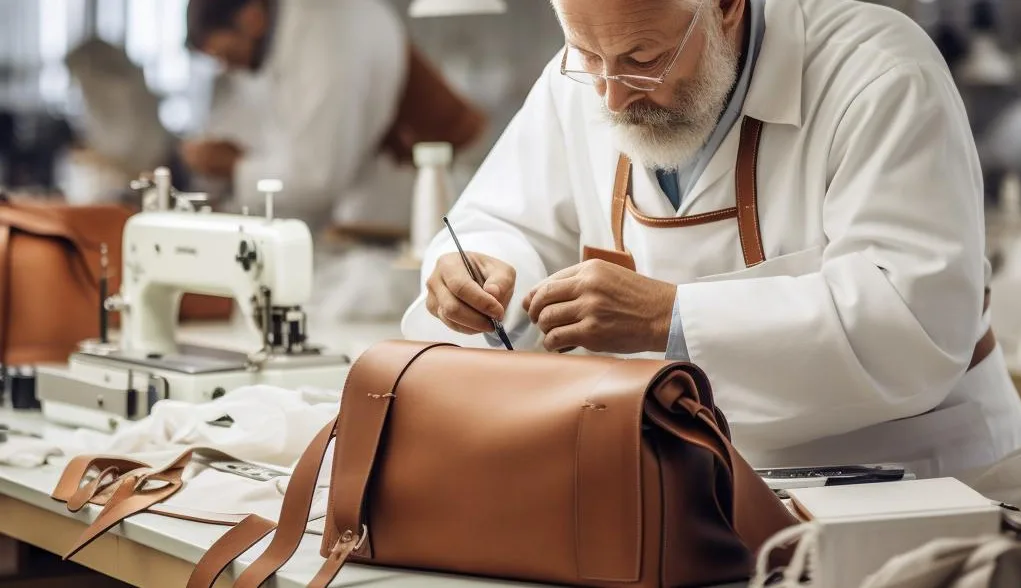
How much does a custom leather bag sample really cost? If you’re sourcing from a custom leather bag manufacturer, sample quotes can range from $200 to $1,000+ depending on materials, craftsmanship, and development complexity.
This blog breaks down the real custom leather bag sample price structure for B2B buyers. You’ll see what drives costs, what hidden fees to expect, and how to control your custom leather bag sampling budget before mass bag production.
How Much Does A Custom Leather Bag Sample Cost
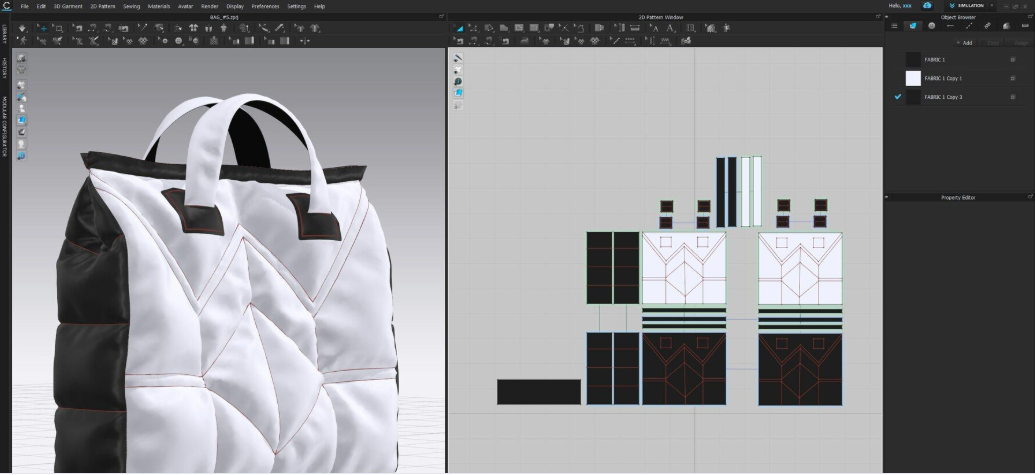
Sample pricing breaks into three tiers. Your leather bag production stage and location determine the cost. A basic prototype runs $500–$1,000 with standard manufacturers. These factories focus on function, not perfect finishes.
Premium locations price higher. NYC ateliers start at $7,000 minimum for one custom leather handbag sample. This covers design consulting and small pattern tweaks during development.
Here’s the cost breakdown for a standard sample handbag:
-
Materials: $35
-
Labor: $60
-
Total sample cost: $95
Your leather choice changes the final price. Quality leather costs $2.50 per square foot. A small pattern uses 0.875 square feet. That’s $2.19 in leather alone. Full tote bags need $50 worth of premium leather. Synthetic options cost $20.
Design fees add more to your budget. You’ll pay $500–$2,000 per collection. This depends on your designer’s skill and your bag’s structure. Custom hardware costs more. So do unique closures. Complex stitching patterns push you to the higher end.
Typical Price Range for Custom Leather Bag Samples
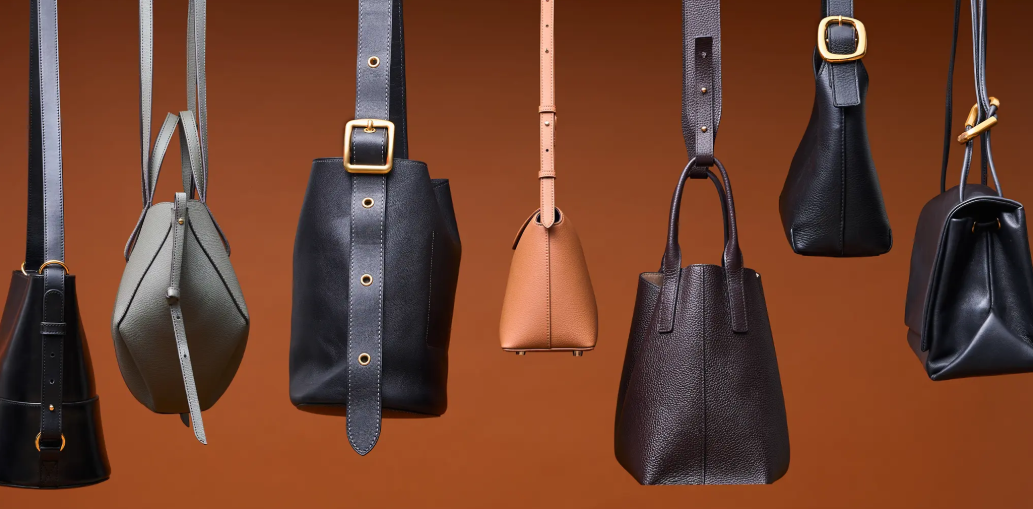
Design complexity sets your base manufacturing cost for custom leather bag samples. A simple tote starts at $25–$35 per unit. This covers basic build with minimal hardware and simple stitching.
Structured handbags with interior compartments jump to $40–$55 per unit. You pay for extra pattern pieces and reinforcement materials. Plus, these take longer to put together. These bags need proper shaping. They also need internal support systems.
Premium designer bag samples hit $60–$120 per unit. These prototypes need precision work. Think hand-stitched edges, custom-molded hardware, and multiple fittings during development.
Italian Leather Quality Tiers
Italian leather pricing follows strict grade rules. Full grain leather handbag samples cost $100–$140 at the factory level. This is the highest quality tier. Natural grain patterns stay intact.
Top grain leather drops to $80–$120 per sample. Manufacturers sand away surface flaws. This creates a uniform look but reduces some strength.
Genuine leather samples fall into the $40–$60 range. This grade uses lower hide layers bonded together. Brands on a budget choose this for lower price points.
Bonded leather sits at the bottom tier: $15–$30 per sample. It’s leather scraps mixed with polyurethane. Consider this for ultra-competitive markets.
Retail Market Context
Mid-range quality leather bags retail at $75–$250. Brands like Coach and Fossil operate here. Your sample costs need to support these final prices.
Premium handcrafted direct-to-consumer brands price $180–$350. These margins let you invest more in sample development. Direct import Italian options range $180–$300. This gives competitive positioning for quality-focused buyers.
Leather Material Costs Breakdown
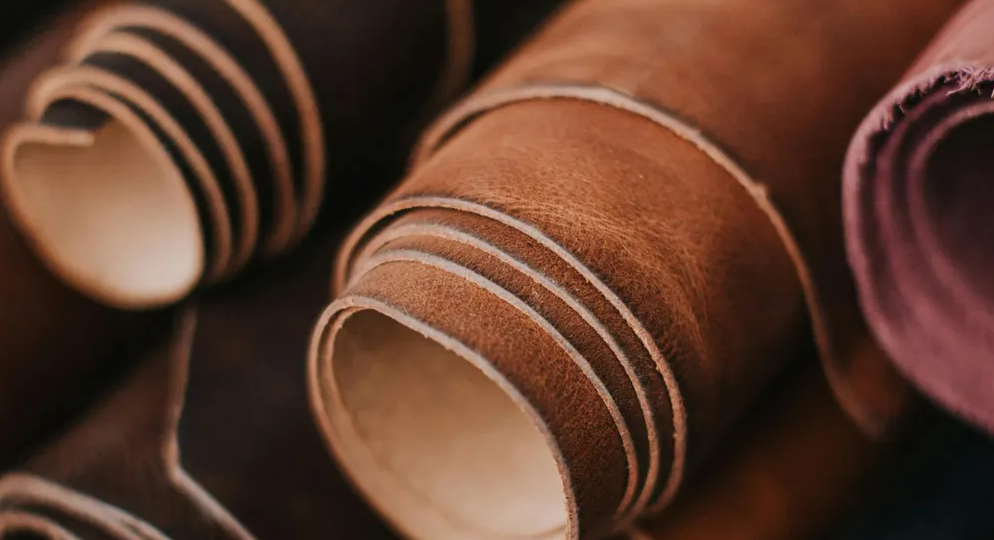
Raw leather pricing changes a lot by grade and origin. Know these differences. This helps you budget better for custom leather bag samples. You won’t overpay for prototypes.
Price Per Square Foot by Leather Type
Full-grain leather commands the highest price at $5–$12 per square foot retail. This top-tier material keeps the hide’s natural surface intact. You get maximum durability and authentic aging. Artisan tanneries produce limited quantities. That’s why bulk pricing doesn’t exist.
Top-grain leather offers a middle ground at $4–$10 retail or $2–$6 bulk. Manufacturers sand the surface to remove flaws. Your bag sample gets a uniform look. Expect 5–10 years of durability with proper care.
Genuine leather (lower hide layers) drops to $2–$5 retail and $1–$3 bulk. These inner layers get coated to improve appearance. But quality takes a hit. Your bag sample will show wear within 1–3 years under normal use.
Bonded leather sits at the bottom: $1–$4 retail and $0.50–$2 bulk. This material combines leather scraps with polyurethane. Durability lasts one year at most. Consider this for ultra-budget test samples alone.
Exotic leathers like crocodile or ostrich range $20–$100+ retail and $15–$80+ bulk. These materials add luxury to your brand. They need careful maintenance but deliver unique visual impact.
Regional Sourcing Impact on Material Costs
Geography affects your leather costs. Italian leather bag prices start at $6–$15+ per square foot. You pay a premium for famous tanning skills and consistent quality standards.
USA-sourced leather runs $3–$8 per square foot. Domestic options cut shipping times for your sample development cycle.
South American leather costs $2–$6 per square foot. Argentina and Brazil offer quality hides at good rates.
Asian leather provides the lowest entry point: $1–$5 per square foot. Chinese and Pakistani tanneries work with budget-conscious brands.
Material Requirements by Bag Style
A medium handbag sample needs 3–4 square feet of leather. Using mid-grade materials, expect $12–$32 total for the outer shell alone. Switch to all full-grain construction. You’re looking at $15–$48 just for exterior leather.
Wallet samples require 1 square foot: $3–$8 in material costs.
Belt samples consume 2–3 square feet: $6–$24 depending on your leather grade choice.
Smart Layering Strategies to Reduce Sample Costs
Mix leather grades with a plan. Use full-grain ($5–$12/sq ft) for visible exterior panels. Switch to top-grain or genuine leather ($2–$6/sq ft) for interior linings and hidden parts.
This hybrid approach cuts average material costs 30–50% compared to all full-grain construction. Your 3–4 square foot handbag drops from $15–$48 to about $12–$32. Exterior appearance stays the same.
Bonded leather for inner parts reduces costs 50–75% versus full-grade throughout. Use this for internal supports customers never see.
Synthetic Alternatives and Cost Comparison
PU, faux, and synthetic leathers cost $10 or less per square foot. These materials copy genuine leather’s look and feel at a fraction of the price.
Synthetics run 70–90% cheaper than premium genuine leather. A sample using synthetic materials instead of full-grain saves you 50–90% on raw material expenses. The trade-off: less natural texture, shorter lifespan, and lower perceived value.
Split leather (processed lower hide layers) also stays under $10 per square foot. This offers a middle path between full synthetics and top-grain pricing.
Quality full-grain bag samples require $50+ per square foot for superior materials. Top-grain balances quality and price at $20–$30 per square foot.
For eco-friendly or budget test samples, synthetics deliver acceptable quality. Production-ready samples headed for premium markets need genuine leather investment.
Bag Design Complexity Impact on Sample Pricing
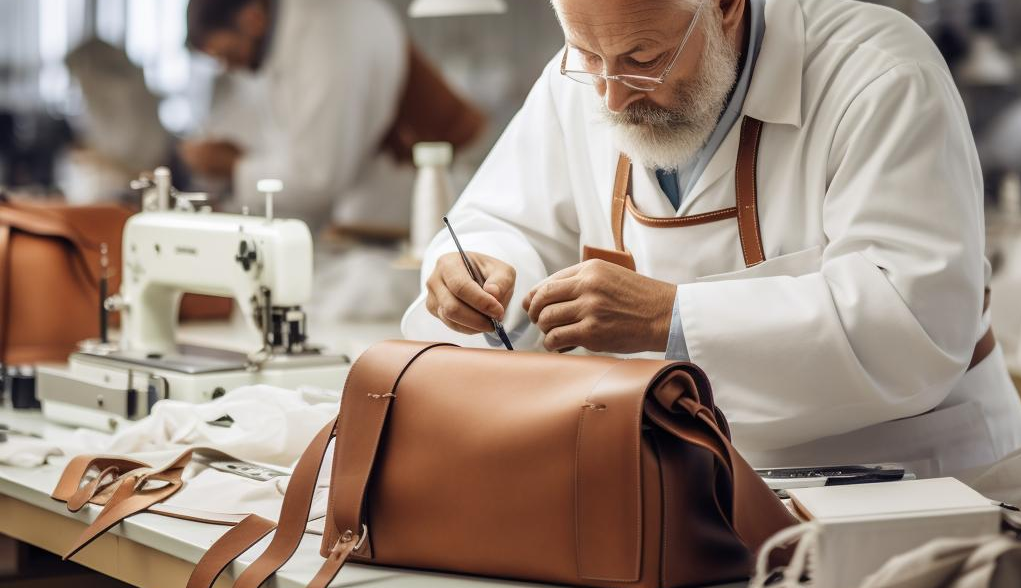
Complex designs raise your sample costs fast. Each feature you add—interior pockets, multi-panel build, custom hardware—bumps the base price 15-30%. A simple crossbody bag sample sits at $95. Add structured compartments and metal frame inserts? That price jumps to $130-145.
Tight tolerances drive the biggest cost gaps. Precise alignment needs 50% more production time per sample. Extra quality checks happen at each build stage. This labor push explains the price gap: structured briefcases run $60-120 versus $25-35 for basic totes.
Hidden Development Costs Behind Complex Prototypes
Pattern piece count sets your development hours. A basic bag uses 4-6 pattern pieces. Complex designs need 15-20+ pieces. More pieces mean:
-
Extra cutting time: Each pattern piece needs separate leather cutting and edge prep
-
Layered build sequences: Multiple interior sections need specific stitching order
-
Quality checks: Structured bags need fit checks between layers
These factors push sample development from 8-12 hours to 20-30+ hours for premium designs.
Custom hardware sourcing adds $50-200 per sample batch. Standard zippers and buckles come from existing supplier lists. Custom-molded closures, branded hardware, or unique locks require:
-
Supplier research and sampling (10-15 hours of sourcing time)
-
Minimum order quantities (100-500 units) even for samples
-
Tooling costs for custom molds ($200-800 one-time fee)
Functionality Layers and Cost Growth
Each functional element adds to your base cost. Interior systems—card slots, zippered sections, key clips—add $15-40 per feature to sample pricing. A wallet-style interior with 8 card slots costs $35-50 more than a simple open section.
Convertible designs (backpack-to-tote shifts) increase sample costs 40-60%. Dual-function parts need exact engineering. Manufacturers build and test multiple setup options before finishing the sample.
Smart design cuts sample costs 20-35% without losing appeal. Drop interior pocket counts from 6 to 3. Combine pattern pieces where you can. Use standard hardware instead of custom options for first prototypes. Test market response before adding complexity.
One-Time Development Fees
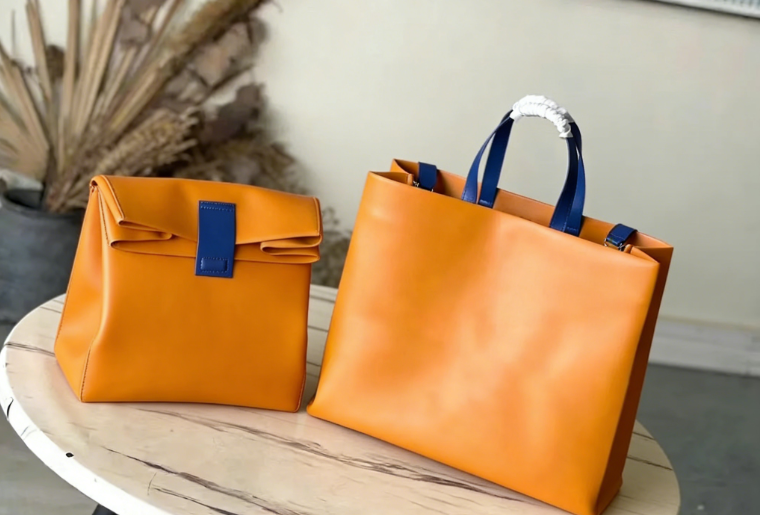
Manufacturers charge upfront fees separate from your per-sample costs. These one-time charges cover the tools and prep work needed before making the first bag.
Pattern making and grading fees run $200–$800 per bag design. This covers creating the master pattern in multiple sizes. Simple single-compartment bags cost less. Multi-pocket designs with curves push toward $800.
Cutting die creation adds $150–$600 based on your bag’s shape. Factories use these metal dies to cut leather pieces with precision. Straight-edge designs need basic dies ($150–$250). Curved panels or special shapes need custom tooling ($400–$600).
Design help and technical sketches cost $500–$2,000 per collection. This fee covers:
-
Turning your concept sketches into production-ready drawings
-
Material picks based on your target price
-
Build method planning for factory work flow
Some manufacturers drop these development fees if you commit to minimum orders. Typical minimums: 500–1,000 units for basic designs, 300–500 units for premium bags.
Hardware sourcing setup adds $100–$300 for custom closures or branded metal parts. Standard zippers and buckles don’t cost extra. Custom-engraved logos or unique clasps do.
Total upfront costs run $950–$3,700 before you see your first sample. You can lower these fees by keeping designs simple or using standard hardware during early samples.
How Bag Factories Price Their Samples
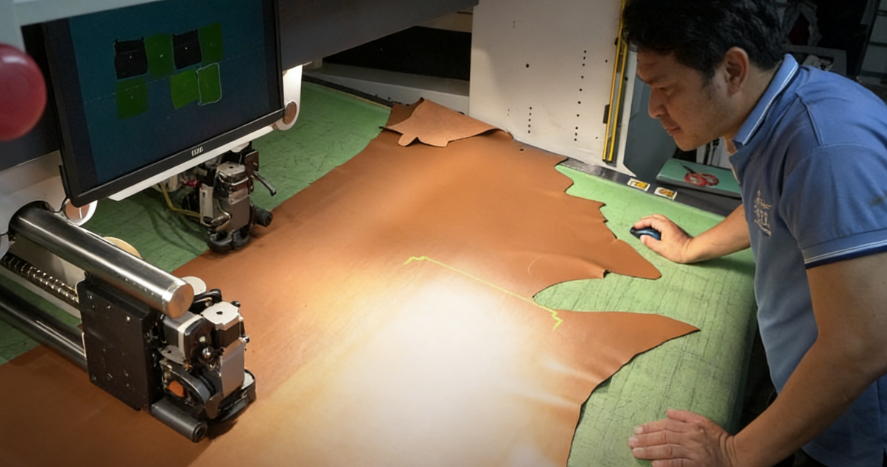
Factories use different pricing models for samples. These models affect how much you pay upfront. Know these pricing styles before you pick a bag factory. This helps match your budget and timeline.
Tiered Sample Pricing Systems
Most factories work with volume-commitment tiers. Commit to more units, pay less for samples. Here’s how it breaks down:
-
No production commitment: Full sample fee $150-300 per bag, non-refundable
-
500-unit minimum order: Sample fee $75-150, refunded after production starts
-
1,000+ unit commitment: Free samples, you pay shipping $25-50
Mid-size factories like this model. They cover sample costs through your production order. Pick based on whether you need market testing or have firm production plans.
Pay-Per-Revision Models
Some factories charge $50-100 per revision cycle after your first sample. The first prototype includes 1-2 minor tweaks. Need more changes? Each round costs extra. Pocket depth adjustments, hardware swaps, strap length tweaks—all trigger new fees.
This works best with final technical drawings ready. Complex designs need 3-5 revision cycles. Revision costs add up to $150-500 on top of base sample fees.
Refundable Deposit Structures
Premium factories use refundable deposit systems. You pay $200-400 upfront for sample work. Place your first order within 90-180 days? This fee comes off your total. Miss that deadline, and the factory keeps your deposit.
Factories use this to screen serious buyers. Buyers get their money back through production. Testing multiple factories? Budget 10-15% extra beyond quoted prices to cover lost deposits.
Hidden Costs in Sample Development
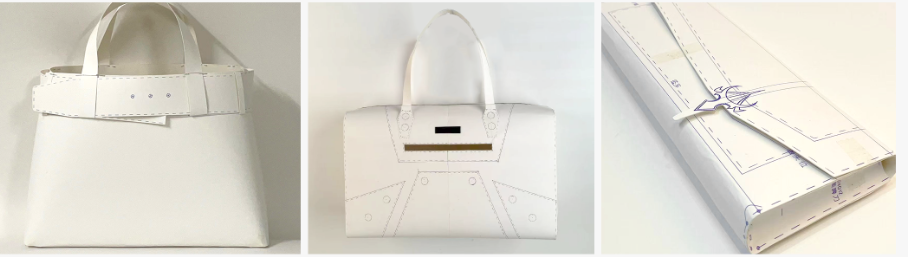
Sample invoices don’t show you the full financial picture. Manufacturers add expenses beyond the quoted price per bag. These extra costs catch buyers off-guard during approval.
Revision cycles eat up budgets fast. Each design change brings new costs: $50-150 per round for small tweaks like strap length or pocket placement. Big structural changes cost more—$200-400 per round for things like shifting compartment layouts or resizing the bag body. New designs typically need 3-5 revision cycles. You’re looking at $600-2,000 in modification fees before final approval.
Quality inspection services add extra expenses. Third-party checks cost $100-500 per hour for detailed sampling. Inspectors charge $600-800 per day. Remote factories mean higher fees because of travel and logistics. Small orders pay $600-900 flat rates for single inspections. Tight deadlines? Expect 20-30% urgency premiums on top.
Shipping and logistics for international samples run $25-150. Speed and customs drive the price. Express courier from Asian manufacturers to North America costs $75-150 with 5-7 day delivery. Standard shipping drops to $25-50 but takes 3-4 weeks.
Photography and documentation for approvals add $50-200 per sample. Professional product shots for your records or pre-launch marketing cost extra. Some factories include basic photos. Detailed 360-degree documentation? That requires separate fees.
These hidden costs push your actual sample investment 40-85% higher than base quotes. A $200 quoted sample ends up costing $280-370 after revisions, inspections, and shipping.
Sample Cost vs. Bulk Bag Production Price Gap
Bag Samples cost 3-8 times more per unit than bulk production. A $200 sample drops to $25-65 per bag once you hit production minimums. Fixed costs spread across more units. That’s why the gap exists.
Order size controls your per-unit expense. Research across 655 product categories shows this: unit costs drop as quantity rises. Double your order? You cut costs by a real percentage.
Here’s how the price drops with volume:
-
Sample stage (1-5 units): $150-300 per bag
-
Small batch (50-100 units): $80-120 per bag
-
Medium run (500 units): $35-60 per bag
-
Full production (1,000+ units): $25-40 per bag
Fixed setup costs create this gap. Pattern making, cutting die creation, and machine setup cost the same. You produce 1 bag or 1,000? Same price. Spread these $950-3,700 development fees across 500 units? Each bag takes just $1.90-7.40 in setup costs. Keep orders at 5 samples? You’re paying $190-740 per unit in setup alone.
Bulk material buying cuts costs 40-60%. Factories pay retail rates for sample amounts. Production orders get you wholesale leather pricing. Plus, you get hardware discounts. Your sample’s $35 material cost drops to $14-21 at volume.
Cost Optimization Strategies for Buyers
Smart buyers cut custom leather bag sample costs by 30-60% with good planning. How you prep before reaching out to leather bag manufacturers? That decides your final spend.
Bundle Sample Orders Across Multiple Designs
Order 3-5 samples at once. You’ll get volume discounts even for prototypes. Factories drop per-unit costs 15-25% on combined orders. A single bag sample at $200 becomes $150-170 each for three designs ordered together.
Ask for package pricing upfront. Say: “What’s your rate for three samples versus one?” Most bag manufacturers have tiered pricing. They just won’t tell you unless you ask. Small operations spending under $100K yearly? Bundle orders every three months to hit negotiation thresholds.
Negotiate Development Fee Waivers
Development charges of $950-3,700 vanish with firm production promises. Set clear minimums before sampling starts. Tell factories: “We’ll order 500 units within 90 days if samples meet standards.”
This works best after validating market demand. Skip it during early concept testing. Production isn’t guaranteed then. 250+ units gives you leverage with mid-size bag factories. Premium ateliers? They need 500-1,000 unit commitments before waiving fees.
Use Hybrid Material Strategies
Full-grain leather exteriors paired with top-grain linings cut material costs 30-50%. Your $48 all-premium sample drops to $28-32 with smart layering. Customers see the quality surface. Interior grades stay hidden.
Use this for non-visible parts: bag bottoms, interior support panels, hidden reinforcement strips. Bonded leather works great for internal structural pieces. Customers never touch those. You save 50-75% on hidden materials. The exterior appearance stays the same.
Standardize Hardware Across Sample Batches
Custom hardware adds $50-200 per sample. Tooling and minimum orders drive that cost. Test market response with standard components first. Switch to branded metal parts after design appeal is proven.
Stock zippers cost $2-5 versus $15-25 for custom YKK Excella. Basic magnetic clasps run $3-6. Logo-engraved versions? $60-100. Save premium hardware for production runs. Bulk pricing (40-60% discounts) makes financial sense there.
Establish Baseline Metrics for Sample Performance
Track defect rates, revision cycles, and timeline accuracy across manufacturers. Document each factory’s performance. Note material waste percentages. Record delivery delays. Count quality issues per sample batch.
This data shows which partners deliver 3-5% hard savings through efficiency. Manufacturers with consistent quality need fewer revision rounds. You save $150-500 per design in modification fees. Audit invoices against quoted prices. This enforces contract terms and captures immediate P&L impact.
Investing More in High-Quality Bsg Samples
Sample quality hits your profit through clear ROI numbers. Premium prototypes pay off once net profit crosses 150% of sample investment. A £200 high-quality bag sample works out right once benefits reach £300+ from orders or investor backing.
Exhibitions and crowdfunding need top-notch visuals. Trade show first impressions boost engagement by 49% for companies earning $1M-$10M. Premium samples with perfect finishing turn visitors into buyers. Plan $200-400 per display sample for these critical events.
Investor demos call for premium prototypes. Target 32-40% annual ROI. This return balances out the 50% startup failure risk. You get stronger funding this way. Mid-market pitches succeed best with samples at 3.0x multiples. Aim for 33% ROI at minimum.
Internal testing runs on basic samples. Material checks and structure tests need working prototypes. Showpieces don’t cut it here. Go for 5% first-pass yield gains with these budget tests ($95-150 per sample). This method hits 28.87% ROI (tech industry standard). You iterate faster too.
|
Stage |
Sample Investment |
ROI Target |
Multiple |
|---|---|---|---|
|
Functional validation |
$95-150 |
28-50% |
2.0x |
|
Material comparison |
$150-200 |
15-16% |
– |
|
Investor pitch |
$300-500 |
32-40% |
3.0x |
|
Exhibition/crowdfund |
$400-800 |
33%+ |
4.0x |
Cash-on-cash returns hit 130% for demo prototypes with smart debt backing. Small businesses pull 25-50% returns at 2-4x SDE multiples. High-quality samples lock in bigger production deals. Test groups show 11-49% value gains across $500K-$25M revenue ranges. Premium samples grab the top end of this spread.
Conclusion
Understanding how much a custom leather bag sample costs goes beyond just numbers. It’s about protecting your investment and keeping your production on track. Sample prices range from $150 to $800 based on complexity, materials, and what the manufacturer can do. But here’s the real question: Can you afford to skip this step?
A good sample saves you thousands in production errors. It cuts down revision rounds. Plus, it sets quality standards that protect your brand. Testing your first design as a startup? Expanding your product line as an established brand? Think of sample development as an investment, not an expense. This changes everything.
Ready to move forward? Request detailed quotes from 3-5 manufacturers. Specify your material preferences, hardware needs, and design details. Don’t just compare the custom leather bag sample cost. Look at turnaround times, revision policies, and how well they communicate. The manufacturer who gets your vision and breaks down pricing transparently? Worth the premium. You get what you negotiate for in custom manufacturing.