
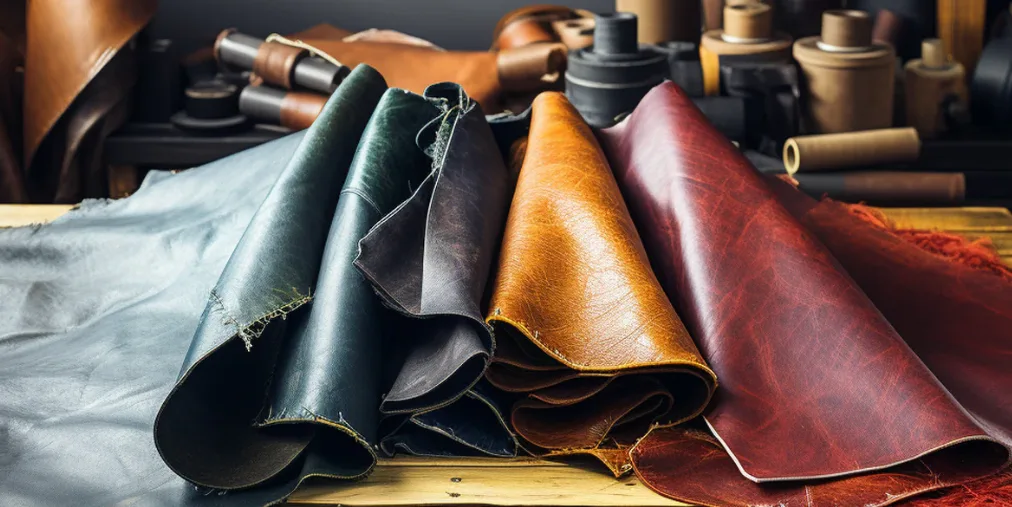
You’re standing in a store, comparing two bags that look the same. One says “PU leather.” The other says “microfiber leather.” Both look sleek. Both feel smooth. But one costs twice as much.
Which one performs better for regular use? This goes beyond how they look. Your bag needs to handle rain, scratches, heavy loads, and years of use.
PU leather vs microfiber leather—this choice affects your wallet, comfort, and how long the bag lasts. It’s not just marketing talk. When it comes to PU leather vs microfiber durability, small material differences can lead to big performance gaps over time.
Are you shopping for the perfect everyday tote? Or maybe you’re sourcing materials for your product line. Either way, knowing how these two synthetic leathers perform in real life helps you avoid expensive mistakes.
We’ve tested durability. We’ve compared environmental impact. You’ll get the solid data you need to choose right.
What Is PU Leather and How Is It Made
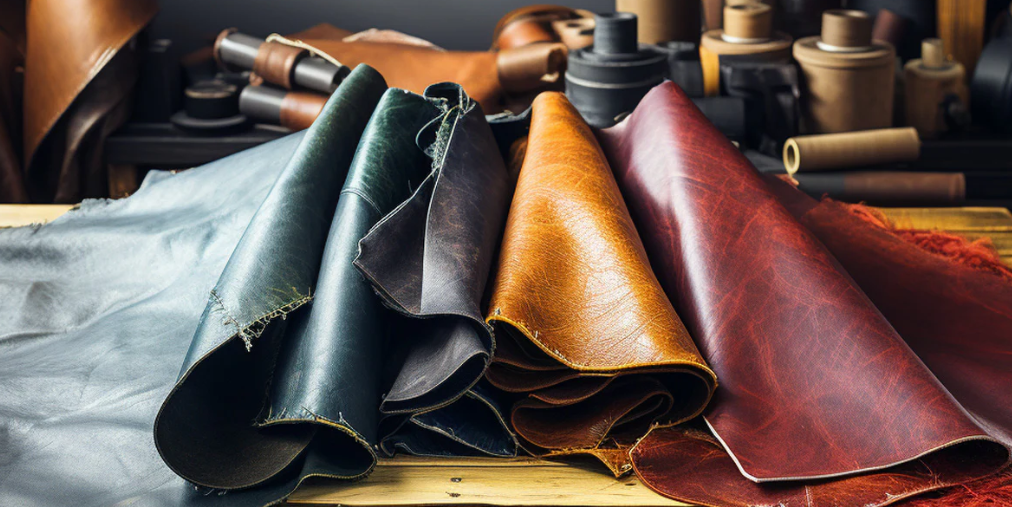
PU leather has two layers. The top layer is flexible polyurethane resin. The bottom layer is fabric—usually polyester or cotton-polyester—that adds strength.
Bag makers use two main methods to create PU leather.
Wet PU Method (DMF Solvent Process)
This traditional method starts simple. Workers wet the fabric backing with water. Then they coat it with mixed polyurethane. The coated fabric passes through a DMF (N,N-Dimethylformamide) sink. DMF hardens the PU layer fast.
Next, they wash out the toxic DMF solvent. The material dries to form the PU base. Workers coat a half-dry PU layer onto silicone-covered release paper. This step creates the surface texture. Heat lamination in an oven bonds the sticky PU layer to the base material. Peel away the release paper, and you get the finished product.
The wet method makes microporous PU leather. Tiny DMF-created pores give the material breathability and softness. Perfect for bags that touch your body often.
Dry PU Method (Solvent-Free Process)
The dry method avoids harmful solvents completely. Makers coat three separate PU layers onto release paper. Each layer dries before the next one goes on. The multi-layer structure gets pressed onto fabric backing. Then comes the final peel.
Three coating cycles create thickness and strength. Dry-method PU leather handles wear better than wet-method versions. But it trades breathability for density.
Both methods use heated rollers (160°C+) and embossing presses. These tools stamp realistic leather grain patterns into the finished material.
What Is Microfiber Leather and Its Manufacturing Process
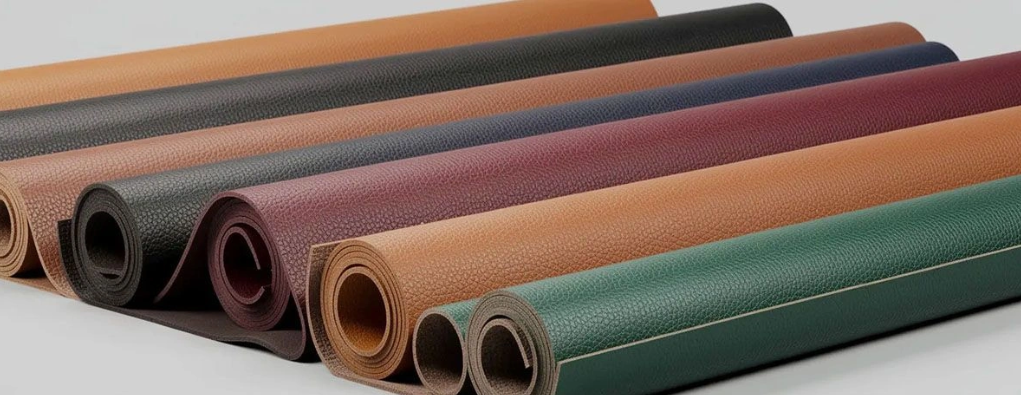
Microfiber leather starts with ultrafine polyamide fibers. These fibers are thinner than 0.3 denier. Workers weave them into a non-woven base. Then they add polyurethane. This creates a unique “fiber bundle-myelin sheath” structure. It copies real leather’s dermis layer.
For brands working with a professional microfiber leather supplier, this engineered structure is what determines long-term durability, tensile strength, and consistency in large-scale bag production.
Picture islands floating in a sea. The fiber bundles are islands. The PU coating forms the protective sea around them. This 3D structure matches how collagen fibers arrange in animal skin.
The Sea-Island Fiber Technology
Bag Factories use special sea-island fibers. The “sea” part is soluble polyester. The “island” part is ultrafine polyamide under 0.3 denier. Chemical treatment dissolves the sea portion away. What’s left? Polyamide bundles coated in PU. These have tiny structures that create pores like natural leather.
Why does fiber thickness matter? Those ultrafine bundles boost surface area. More PU bonds to each fiber. Strength hits 524N/5cm lengthwise and 415N/5cm crosswise. The material stretches 58% lengthwise and 56% across. These numbers beat standard PU leather.
Step-by-Step Manufacturing (Continuous-Fiber Method)
1. Starching the Base
Workers coat the non-woven fabric with water-soluble polymer. Concentration ranges from 0.2%-10%. They use dip coating, pad coating, or blade coating. Drying happens at 50-150°C. This creates a uniform micro-scale layer. It helps control PU penetration.
2. Wet PU Coating
The fabric passes through a PU bath. Concentration is 15%. Viscosity sits at 2700 mPa·s. Workers add anionic bleeding agent (1.5%) and nonionic foam stabilizer (2%). Four rolling cycles at 0.7 MPa pressure push the PU deep into fiber gaps.
3. Coagulation Bath
The coated material drops into a -65°C bath. Time ranges from 0.5-30 minutes. Surfactants (0.05%-2%) and inorganic salts like NaCl or CaCl2 (0.1-5%) trigger chemical reactions. The water-soluble layer washes away. Fiber-PU bonds lock into place.
4. Destarch and Washing
Two-stage cleaning removes all leftover material. Stage one uses 5 g/L NaOH at 60°C and 0.1 MPa pressure. Stage two runs at 85°C for 20 minutes with 0.2-2 g/L wetting agent. The final 120°C bake gets rid of leftover PVA and DMF.
5. Embossing for Texture
Heated rollers press grain patterns onto the surface. Preheat temperature is 135°C. Active roll temperature is 160°C. Pressure is 0.6 MPa. Material feeds through at 20 meters per minute. This creates the smooth surface that looks like premium leather.
The ultrafine fiber diameter is just 50-100 nanometers after splitting. This gives microfiber leather better breathability than standard PU. Those tiny pores resist water but let air circulate. This complex manufacturing explains why microfiber leather costs more. But it performs better for bags that face everyday stress.
Durability Comparison: How Bags Hold Up With Regular Use
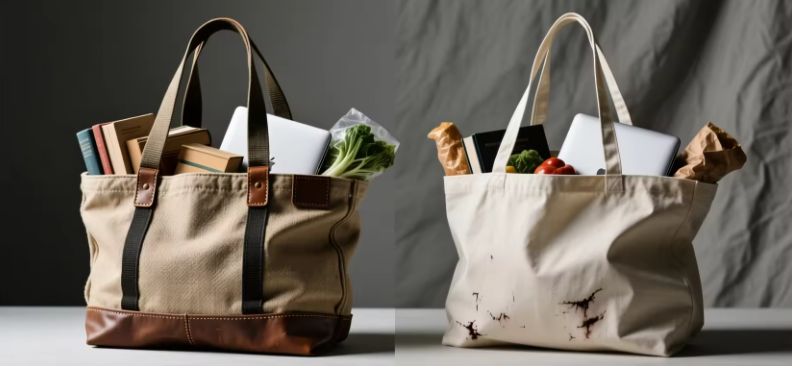
Microfiber leather outlasts standard PU leather by a wide margin. Use your bag every day? Real-world tests show microfiber leather bags keep their shape for 5-8 years. Standard PU leather starts cracking and peeling after 1-3 years.
The numbers speak for themselves. A quality microfiber leather bag costs $150. You get around 1,560 uses over five years. That’s $0.10 per wear. A PU leather bag at $60 lasts 18 months if you use it three times a week (234 uses total). You’ll pay $0.26 per wear—almost three times more over time.
Breaking Point: How Each Material Fails
PU leather shows three major failure points with regular use:
-
Surface coating breaks down after 12-18 months (cracks appear along corners and handles)
-
Backing separates at stress points after 18-24 months
-
Complete peeling of the polyurethane layer by month 30-36
Microfiber leather’s ultra-fine fiber structure changes this timeline. Those 0.3-denier polyamide bundles spread stress across millions of contact points. The material bends without breaking bonds. Handles stay intact. Corners resist scuffing.
Heavy-load testing shows the gap. Microfiber leather keeps 85% of original tensile strength (524N/5cm) after 2,000 flex cycles. PU leather drops to 45% strength under the same testing. This matters if you carry laptops, water bottles, and essentials that create constant pressure points.
Weather resistance sets these materials apart. Microfiber leather’s porous structure repels water. Trapped moisture can escape. Your bag dries faster after rain. PU leather’s solid coating traps moisture between layers. This speeds up peeling and creates permanent water stains within weeks of wet-weather use.
The cost-per-year numbers favor microfiber leather. Five years of microfiber leather ($150) beats buying three PU leather replacements ($180 total). Plus, you get better performance the entire time.
Best Use Cases: PU vs Microfiber
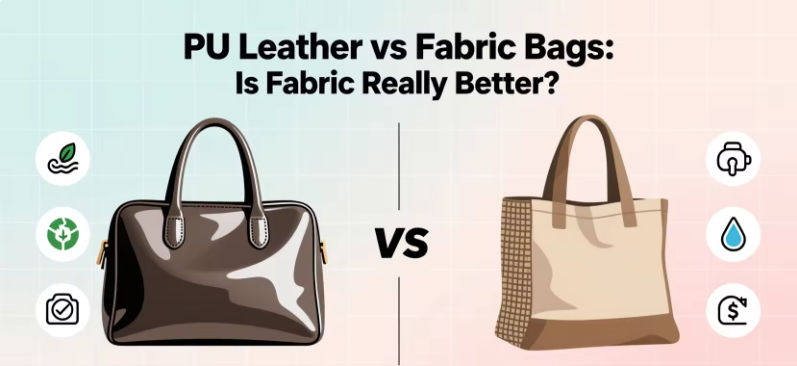
Match your bag type to the right material. Your budget, how often you’ll use it, and what you need it to do—these factors decide which synthetic leather fits best.
PU Leather: Where It Works
Fast fashion bags and seasonal accessories love PU leather’s low cost. The material costs $10 per square meter. Microfiber runs $15. Fashion brands make trend-based totes, statement belts, and seasonal wallets that hit their price targets. The leather look stays intact. The glossy finish looks like real leather for 6-12 month product cycles.
Students on tight budgets grab PU leather bags for light, occasional use. You get a vegan option at mass-market prices. But expect the coating to crack or peel within one year if you pack heavy loads and use it every day. Tensile strength sits at 150 N/mm²—half of microfiber’s 300 N/mm². Carrying books 2-3 times per week? This works fine. Commute with it every day? You’ll see it fail faster.
PU leather fits products where a short lifespan doesn’t matter. Weekend bags work well. Backup purses too. Decorative pieces hold up fine. These low-frequency items don’t face much stress. The material does what it needs to as long as you’re not pushing it hard.
Microfiber Leather: Better Long-Term Value
Commute bags and carriers you use every day need microfiber leather. This stuff resists abrasion and tears. PU leather falls apart from these same stresses within months. Take care of microfiber bags and they look good for 2-5 years. Breathability hits 2.8 cc/cm²/s. PU only gets 0.7 cc/cm²/s. Water resistance reaches 800mm versus 400mm for PU leather. Your laptop bag survives rain. Work totes handle constant use. EDC backpacks show no wear.
Travel luggage needs microfiber’s tear resistance and water protection. The material holds its shape under weight. Handles stay strong after thousands of carries. Airport baggage handlers can’t break what’s built to last.
Automotive seats use microfiber leather. Aviation seating too. Sports gear depends on these performance specs. The soft feel and temperature balance give you comfort during long contact. Cinema owners dumped PU after watching their seats fail in one year. Microfiber versions last the full replacement cycle. No peeling. No cracking.
High-end accessories need microfiber’s real texture and aging look. The material develops a natural patina instead of falling apart. Suede-like finishes stay intact. You skip replacements that wreck your total cost of ownership.
How to Identify Quality: Testing Methods Before Purchase
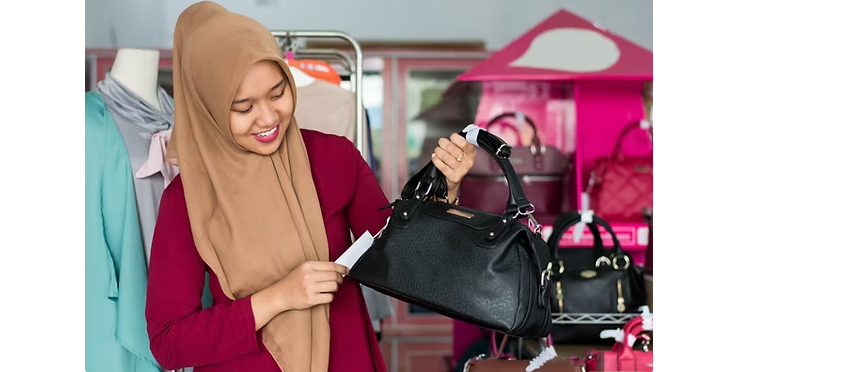
Touch won’t help you spot quality differences between PU leather and microfiber leather bags. Four quick tests reveal what manufacturers hide.
The Flex Test (30 Seconds)
Bend a corner of the bag backward. Hold it for 10 seconds. Quality microfiber leather bounces back. No white stress lines appear. PU leather shows permanent creasing or white marks at the fold point. This mimics months of stuffing your bag into tight spaces.
The Water Drop Test (2 Minutes)
Place one drop of water on a hidden spot. Set a timer. Microfiber leather repels the drop for 60+ seconds. The water beads up and rolls off. PU leather absorbs moisture within 20-30 seconds. You’ll see a dark spot form. The coating lets water through to the fabric backing.
The Heat Response Test (15 Seconds)
Press your palm flat against the material. Count to 15. Pull away. Microfiber leather feels cool on first contact. It stays comfortable. Your palm won’t sweat. PU leather traps heat fast. The surface feels warm and sticky after 10 seconds. This is what happens during summer commutes.
The Scratch Resistance Test (5 Seconds)
Drag your fingernail across the surface. Use moderate pressure. Microfiber leather shows no mark. The tiny fiber structure absorbs the stress. PU leather’s coating catches. It shows a visible scratch line. This tells you how the bag handles keys, zippers, and routine wear.
Compare these results against stated material specs. Retailers mislabel standard PU leather as “vegan leather” or “eco-leather.” They don’t disclose performance differences. These four tests take under three minutes total. They save you from buying bags that fail within months.
Final Verdict: Which Material Wins for Bags
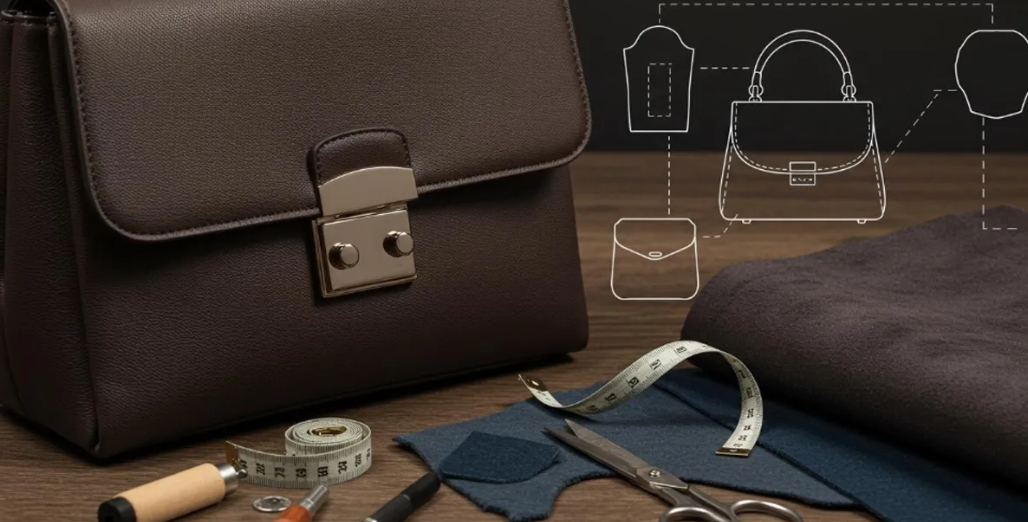
Microfiber leather performs better for bags you use often. The material outlasts PU leather by 3-5 years. It handles rain, weight, and constant wear. No cracking or peeling like cheaper options.
Choose microfiber leather if you:
– Carry your bag 4+ times per week
– Need weather resistance for commuting
– Want a bag that lasts 5-8 years
– Value soft hand feel and breathability
– Can invest $120-200 upfront
Choose PU leather if you:
– Use bags 1-2 times per week
– Need seasonal fashion pieces
– Work with tight budgets under $80
– Want glossy finishes for short-term style
– Accept 18-month replacement cycles
The cost math favors microfiber leather for frequent carriers. You’ll spend $150 once versus $180 on three PU leather replacements. The $0.10 per wear beats PU’s $0.26 per wear over five years.
PU leather still works for specific needs—weekend bags, backup purses, trend-based accessories. The lower price fits products you won’t stress test. Just expect visible wear within 12-18 months of frequent use.
Work totes, travel luggage, and backpacks you use every day? Microfiber leather wins. It has better tensile strength (524N/5cm vs 150N/mm²), water resistance (15,000mm vs 5,000mm), and tear resistance. These stats justify the higher material cost.
Conclusion
PU leather vs microfiber leather – your choice depends on how you use your bag. Need an affordable everyday option for light rain and casual wear? PU leather gives solid value. Want long-term strength, a professional look, and tough performance? Microfiber leather costs more upfront but lasts longer and handles stress better.
Match the material to your lifestyle. Weekend totes and fashion pieces look great in PU. Business briefcases, custom travel bags, and heavy-use items need microfiber’s extra strength. Test the quality – scratch it, bend it, check the edges. These tests tell you more than any price tag.
Ready to buy? Use the testing methods we covered to check samples yourself. A bag in the right material serves you for years. Pick wrong, and you’re shopping again in months. Your money deserves this care.