
What is driving the quiet shift in the fashion and manufacturing industries? How can recycled leather fiber change the way we produce and consume materials?
Do consumers really want sustainable options without sacrificing quality or style? This material steps out from behind traditional leather production to meet that need.
What exactly is recycled leather fiber? Is it just leather scraps glued together, or something more? It turns factory waste into something useful and green. You’ll find it in furniture, car interiors, fashion items, and leather bag manufacturing.
Are you a manufacturer looking for sustainable materials? A designer needing ethical choices? Or someone seeking greener alternatives to traditional leather? Either way, understanding how this fiber is made, how it performs, and its impact on the planet will help you choose wisely.
How does recycled leather fiber work in the real world? This guide breaks down the science behind it, its green benefits, and its practical uses. This material is changing what we can do with waste.
What is Recycled Leather Fiber
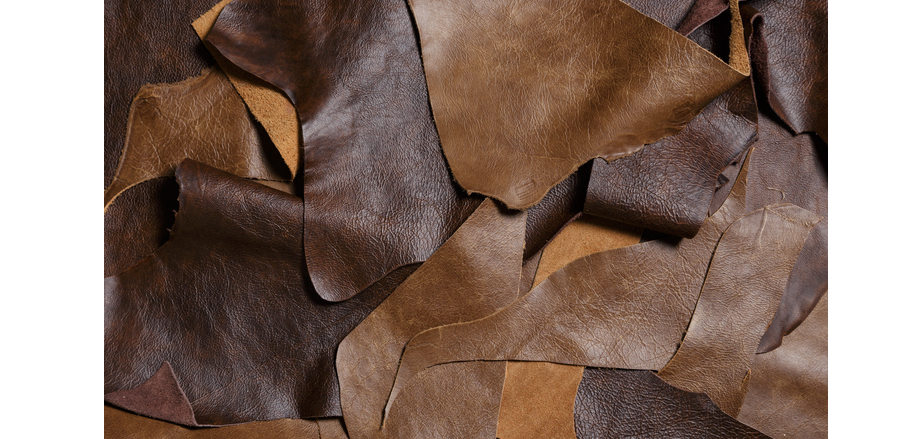
Recycled leather fiber comes from chrome-tanned leather scraps (CTLSs) found on tannery floors. The shaving process during leather making creates these small pieces. Manufacturers grind them into fibers. The fibers measure between 0.1 and 5 mm long. Particle sizes differ after grinding.
These fibers account for about 30% of all protein-based tannery waste. Tanneries process one ton of raw hide. This creates 100 to 120 kg of chrome-tanned scraps and trimmings. Other waste adds up too—raw hide trimmings (120-150 kg), fleshings (70-230 kg), and buffing dust (2-5 kg). Footwear and leather goods makers waste 10% to 39% of their leather. The average sits at 25%.
How Recycled Leather Fiber Gets Made
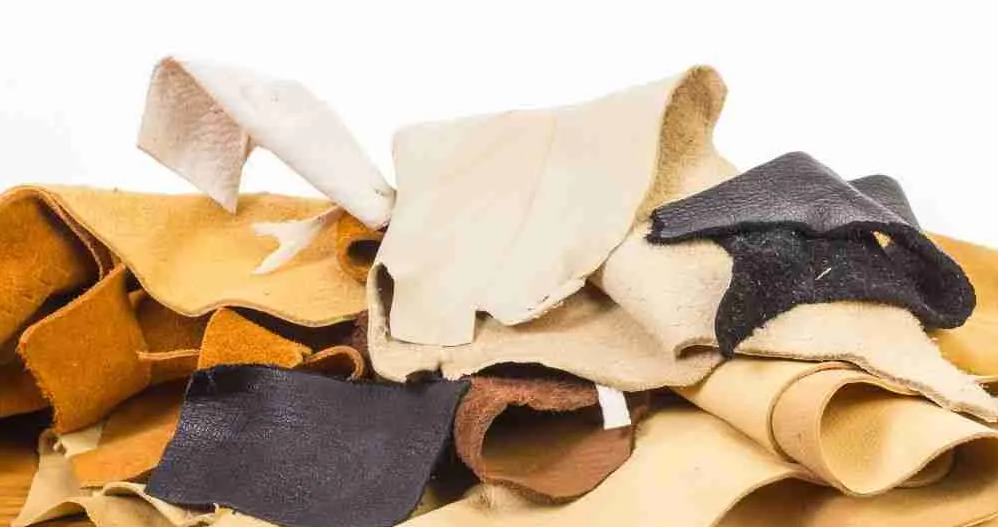
Makers bind these ground fibers together. This creates bonded leather materials. Production scraps turn into usable products. Three main methods work best:
- Compression molding: Leather fibers mix with binders, then press into boards
- Polymer filling: Fibers blend into polymers and form molded plaques
- Nonwoven integration: Fibers weave into synthetic nonwoven linings
Each end use needs different formulations. Biodegradable plastics like polyamides work with 5% to 15% leather fiber. Polyester resin mixes perform best at 30% fiber. This ratio gives you the best strength and stiffness. Better fiber spread and bonding make this happen. Rubber uses 10 to 20 phr (parts per hundred rubber) of 1 mm fibers. Tear resistance jumps by 15%.
Some makers create rebuilt composites. They mix leather fibers with cotton and polyester in natural rubber. These mixes match pure leather strength. Some even beat it.
How Recycled Leather Fiber is Made
Leather waste becomes usable fiber through a clear process. Each step turns scraps into materials that match or beat original leather quality, making it ideal for recycled leather fiber for leather bag manufacturing.
Collection and Sorting
Factories collect leather waste from many places. Manufacturing plants send industrial offcuts. Old furniture, car seats, worn clothes, and tossed shoes make up the post-consumer products. Workers sort these pieces by size, texture, and color. This keeps the final product quality steady.
Cleaning and Preparation
Raw leather waste holds dirt, oils, and other junk. Degreasing strips away these unwanted bits. Clean fibers bond better in later steps. This creates uniform quality across all batches.
Shredding and Refining
High-speed shredders chop leather pieces into small fibers or pulp. Refiners watch motor load and fiber quality during this work. The target? High-purity fibers with the same size. Mills spin at exact speeds to get the right texture.
Chromium Treatment (Advanced Methods)
Some methods deal with chromium content directly. The reProLeather method turns free chromium into salts or complexes you can dissolve. This cuts down toxic Cr(VI) formation. The final product comes out safer and cleaner.
Mixing with Binders
Ground fibers need glue to hold together. Natural picks include latex, sugar, and protein-based mixes. These break down naturally. Synthetic options give you polyurethane (PU) or PVC. Manufacturers mix fibers with their chosen binders. They blend until you get smooth pulp or a composite mix.
Pressing and Forming
The pulp spreads into flat sheets. Machines push with high pressure and heat. Built-in sensors control how thick the sheets get. Most measure 0.5mm to 2mm thick. Press settings change based on what the final product needs.
Surface Finishing
Treatment agents bring texture, color, and strength. Plant-based coatings suit eco-focused products. Synthetic coatings give different results. Finishing tricks can copy real leather grain patterns. This makes recycled fiber look just like traditional leather.
The reProLeather biotech method cuts this down to two main steps. First, it shreds used leather into pure fibers and pulls out chromium. Second, it mixes fibers with bio-based sugar or protein binders under gentle conditions. The collagen fibers link up into water-resistant, biodegradable sheets. No harsh chemicals needed.
Sustainability Advantages of Recycled Leather Fiber
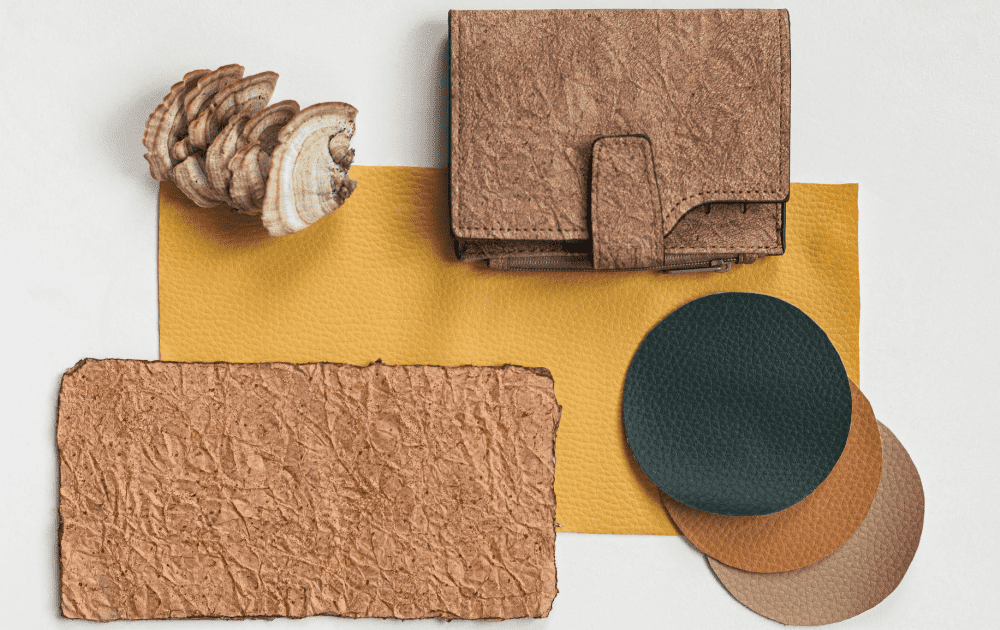
Leather production harms our planet in measurable ways. After years working with leather bag manufacturers, I’ve seen how traditional tanning generates massive waste. Nearly 600,000 tons of chromium scraps end up in landfills every year. Recycled leather fiber for leather bags helps reduce this damage by turning tannery waste into usable material instead of letting it pollute soil and water.
Upstream waste is often overlooked. One ton of raw hide produces only 100–120 kg of usable leather, leaving large volumes of chrome-tanned scraps. Without recycling, this waste sits for decades. By converting it into sheets for custom leather bag production, recycled leather fiber stops pollution at the source while improving material efficiency.
From a manufacturing view, the savings are clear. Recycled leather fiber uses about 70% less water and 60% less energy than virgin leather, cutting carbon emissions by nearly half. For brands sourcing from OEM leather bag suppliers, this supports ESG goals while lowering long-term sourcing risks.
Water impact is another key factor. Traditional tanning uses 15,000–25,000 liters per hide. Recycled leather fiber skips most water-intensive steps because the material is already processed, making it ideal for eco-friendly leather bag manufacturing.
It also reduces pressure on livestock farming, which drives major deforestation. Using recycled material lowers demand for new hides, supporting more responsible leather goods manufacturing.
In my experience, the biggest advantage is practicality. Recycled leather fiber is already scalable, cost-efficient, and compatible with existing leather bag OEM/ODM production. Brands don’t need new systems to adopt it—it’s a sustainable solution that works right now.
Conclusion
In my experience working with leather bag manufacturers like Sunteam, adopting recycled leather fiber isn’t just a trend—it’s a smart business move. This material combines sustainability with practicality, giving brands an eco-friendly option that remains durable and stylish. For companies looking to launch custom leather bag production or expand OEM leather bag lines, recycled leather fiber provides real value: less waste, lower carbon emissions, and a material your customers can trust.
From my perspective, the brands that embrace this shift today will lead the market tomorrow. Sunteam has been helping clients test and integrate recycled leather fiber into their production, proving it works in real-world manufacturing. If you’re a designer, manufacturer, or brand looking to make an impact, exploring suppliers, requesting samples, and seeing how this fiber performs firsthand is the best way to start. Sustainability isn’t just good ethics—it’s good business.