
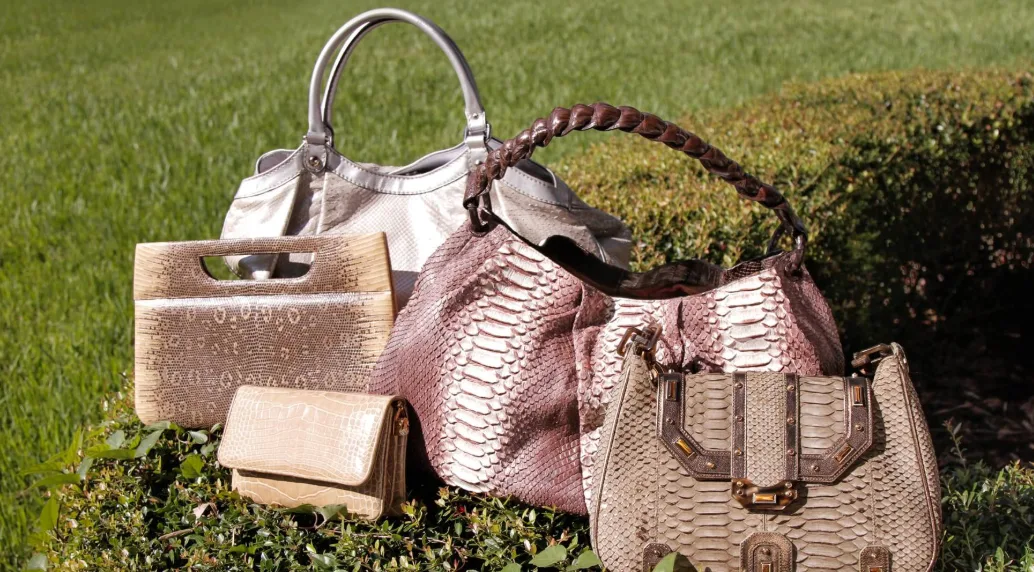
Crocodile scales have a texture you can’t miss. Ostrich leather shows those unique quill bumps. Lizard skin displays delicate patterns. These exotic leathers turn ordinary bags into pieces that show off craftsmanship and exclusivity.
Choosing between these three materials goes beyond looks. Each leather type has different structural properties. They vary in durability. The way they’re made affects how your bag performs and how long it lasts.
Are you a designer looking for materials? Maybe you’re buying a luxury piece. Or you just love the artistry behind a high-end leather goods supplier. Either way, you need to know how these three leathers differ. This knowledge changes how you judge quality and value.
Tanning varies in complexity. Structural strength differs, too. We’ll break down what makes each exotic leather work best for certain bag designs. Plus, you’ll see why these differences matter—whether you’re creating bags or collecting them.
Got Questions About Exotic Leather Bags? We’ve Got Answers
Q1: Crocodile, ostrich, or lizard—which to pick?
A: Crocodile = durable, bold scales, structured bags. Ostrich = soft, flexible, quill bumps, everyday handbags and totes. Lizard = thin but strong, perfect for wallets, clutches, and accents.
Q2: Can crocodile leather be used for tote bags?
A: Yes! Its dense fibers support larger shapes while staying elegant. Handle carefully—avoid scratches and water.
Q3: How to care for exotic leather?
A: Use a soft brush and tested exotic leather conditioner for crocodile and ostrich. Keep lizard leather dry and clean only with products for exotic leather hides.
Q4: Do scales affect bag construction?
A: Yes. Crocodile scales need careful orientation; ostrich quills need surface tapping; lizard scales require precise lining and folding.
Q5: How to find the right supplier?
A: Choose certified suppliers with tracking docs and samples. Test how the leather works with your methods. A custom exotic leather handbag manufacturer ensures quality and guidance.
Q6: How does Sunteam help?
A: We share weekly updates on bag trends and materials, keeping you ahead in design and production.
Let’s start exploring the detailed knowledge of these exotic leathers.
What Is Crocodile Leather for Custom Bags
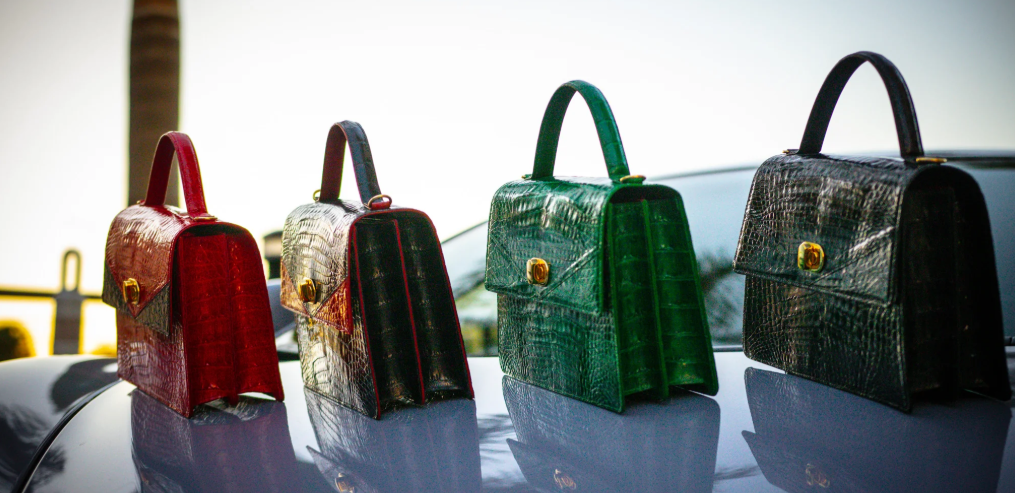
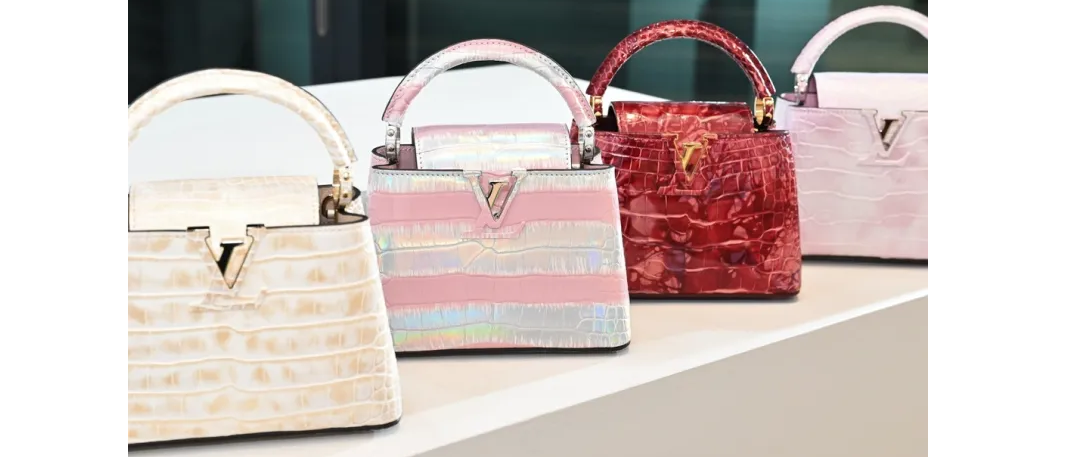
Crocodile leather costs more because its scale structure gives you both visual punch and real strength. The industry produces 750,000 hides annually worldwide. This makes it one of the most exclusive materials in luxury bag making.
Understanding Crocodile Leather Grading Systems
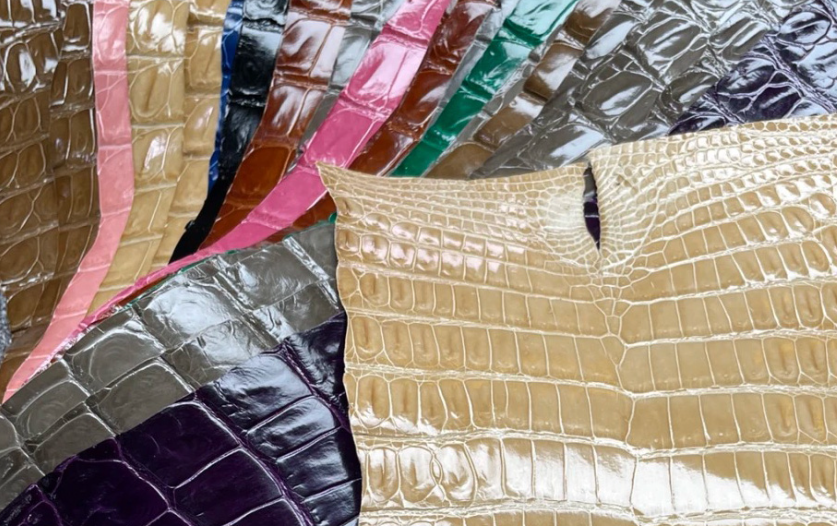
The grading system for crocodile leather sets both pricing and performance in bag applications. Grade I (Prime) features uniform scale patterns with flawless surfaces. This grade gives you soft texture and rich color depth with minimal defects. Luxury handbag makers use this grade for their flagship collections.
Grade II (Classic) shows minor flaws while keeping high overall quality. The scales stay even and well-defined. This grade works well for fine goods where small natural changes won’t hurt the bag’s visual appeal.
Grade III (Utility) shows irregular scale formations and visible flaws. The leather feels stiffer compared to higher grades. Makers use this grade for lower-priced accessories. Structural strength matters more than perfect looks here.
Grade IV (Craft) has noticeable blemishes and uneven scale distribution. This grade suits small items like cardholders or accent panels. These pieces show portions of the hide in the finished product.
Species Variations and Their Scale Characteristics
Different crocodile species produce different scale patterns and durability profiles. Siamese crocodile leather shows smaller, finer scales arranged in uniform patterns. The texture feels soft and supple. Colors lean toward lighter shades. These traits make Siamese crocodile ideal for smaller clutches and evening bags where refined elegance matters most.
Nile crocodile produces large, well-defined belly scales. A finished hide from an 11.5-16 foot animal measures 28-35cm wide. The side scales show smooth surfaces. The overall hide thickness creates better durability compared to other species. This strength supports larger structured bags that need to maintain shape under weight.
Hide Sizing and Application Planning
Crocodile hide dimensions follow specific growth patterns. These patterns determine bag design options. Farm-raised crocodiles at 1.0 years produce hides measuring 20-24cm at the second bone. By 2.0 years, this width reaches 30-34cm—enough for small bags. Three-year-old animals yield 40-44cm hides suitable for larger bags. The largest bags require 40-50cm hides from mature specimens.
Durability Performance and Maintenance Requirements
The dense fiber structure of crocodile leather makes it strong yet elegant, ideal for exotic leather handbags. I once tried using crocodile leather to make a tote bag—the scales sat on thicker layers while the top stayed thin, giving the bag natural durability.
Crocodile leather resists wear better than standard bovine leather but is prone to scratches and water damage. For long-lasting exotic leather handbags, use a soft brush for cleaning and a tested exotic leather conditioner. With proper care, the leather develops a beautiful patina over time.
Working with a custom exotic leather handbags manufacturer ensures the material is handled carefully and crafted into premium designs.
Working with Scale Patterns in Bag Construction
The three-dimensional nature of crocodile scales creates both opportunities and challenges. The scales provide built-in protection and striking looks. But scale ridges create uneven heights that complicate the sewing process. Pattern cutters must plan scale orientation with care to maximize visual flow across the bag’s surface.
Crocodile leather works well for Crocodile leather shoes and Crocodile leather bags. Larger goods need support layers behind the crocodile to prevent sagging. The flexibility allows draping effects in soft bag designs while keeping enough body for structured pieces.
What Is Ostrich Leather Used for in Custom Bags
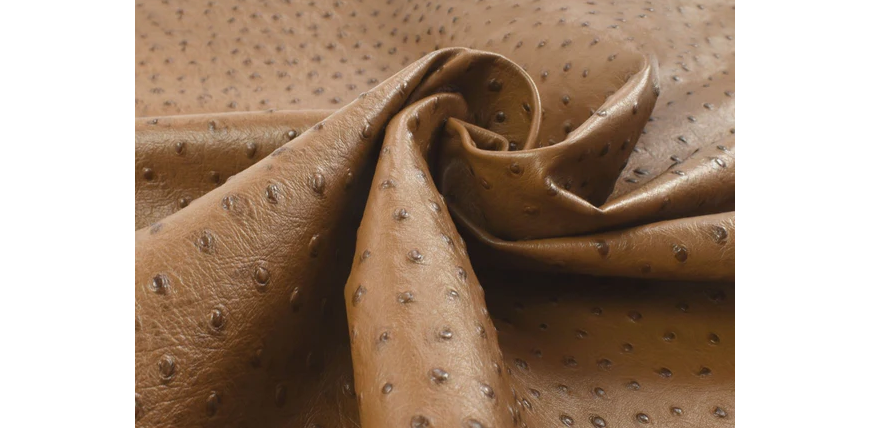
Raised quill bumps across ostrich leather come from empty feather holes. These bumps create a texture you won’t find in any other exotic leather. The bumps vary in density, size, and placement across the hide. Smooth leather fills the spaces between each bump.
The Crown Section: Premium Value and Coverage
The crown sits where the bird’s neck meets its body—across the back and rump area. This section has the most pronounced quill bumps. It sells for $200–$600 per hide based on quality. About one-third of the total skin shows full quills with the highest bump density. The rest has partial quills or smooth surfaces without bumps.
Plan your material needs carefully. You need more than just the visible quill area. For every 100 square feet of full-quill leather you need, order 150 square feet total material (multiply by 1.5). This accounts for the limited crown coverage on each hide.
The central crown zone has the densest quill pattern. Move outward from this center. The bumps get sparser and smaller. Four things affect mound height: genetics, bird age, retannage chemistry, and liming time during processing. High-profile or full-pip surfaces allow for two-tone color effects. This adds visual depth.
Hide Dimensions and Thickness Categories
Ostrich farms process birds at 10 months of age. Average hide size measures 145 dm² (15.61 square feet). Two standard thickness options exist for bag making.
Garment weight ostrich runs 11 square feet per hide at 0.6-0.8mm thickness. This thinner grade costs 20-30% more than standard weight. It needs careful processing and fits premium uses.
Standard weight delivers 17 square feet per hide at 0.8-1.0mm thickness. This grade works for most handbag construction. It balances cost and strength.
Grading sizes follow specific measurements in square decimeters: A+ grade offers ≥156 dm²; A grade provides 130-155 dm²; B grade covers 120-129 dm²; C grade spans 100-119 dm²; D grade measures 80-99 dm².
Structural Strength Despite Fine Fiber Construction

Ostrich leather surprises many when used for bags and wallets. Even though it feels so soft, it hits a tear strength of 55–75 N/mm, similar to bovine leather used in car interiors. In our factory, we often handle ostrich leather bags, ostrich leather wallets, and handbags ostrich leather for daily orders, and that fine fiber structure really holds up during cutting, stitching, and shaping.
When making ostrich leather purses or ostrich leather totes, the dense collagen bundles running through the full thickness give each piece steady strength and long-lasting performance. The leather bends easily without losing shape, which makes assembly and finishing smoother. Craftspeople love it because even delicate designs maintain durability, and the natural quill patterns add a signature look that customers love.
Working Challenges: Flexibility and Surface Management
Ostrich leather stretches naturally. This creates specific cutting and sewing challenges. The material bunches up fast. Getting straight seam lines takes practice. You need to adjust your technique. Thread tension needs careful control. This applies whether you hand-stitch or use machines.
Experienced leather workers tap the quill bumps during construction. This tapping packs down and evens the surface texture. It doesn’t flatten the bumps. The goal is consistency, not removal of the bumps.
What Is Lizard Leather Used for in Custom Bags
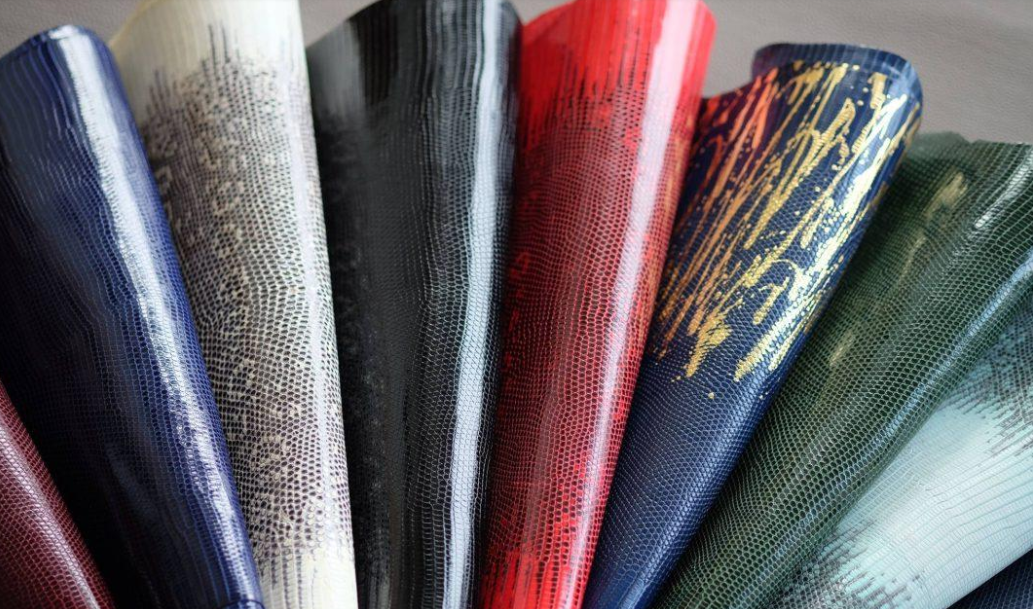
Lizard scales measure just 2-5mm wide—far smaller than crocodile or ostrich patterns. This tiny scale structure creates refined visual effects. It works well for detailed leather goods. The leather itself runs 0.6-1.2mm thick and weighs less than one pound per square foot. This thin profile surprises people with its durability. You can use it for long-term applications.
Species Selection and Scale Characteristics
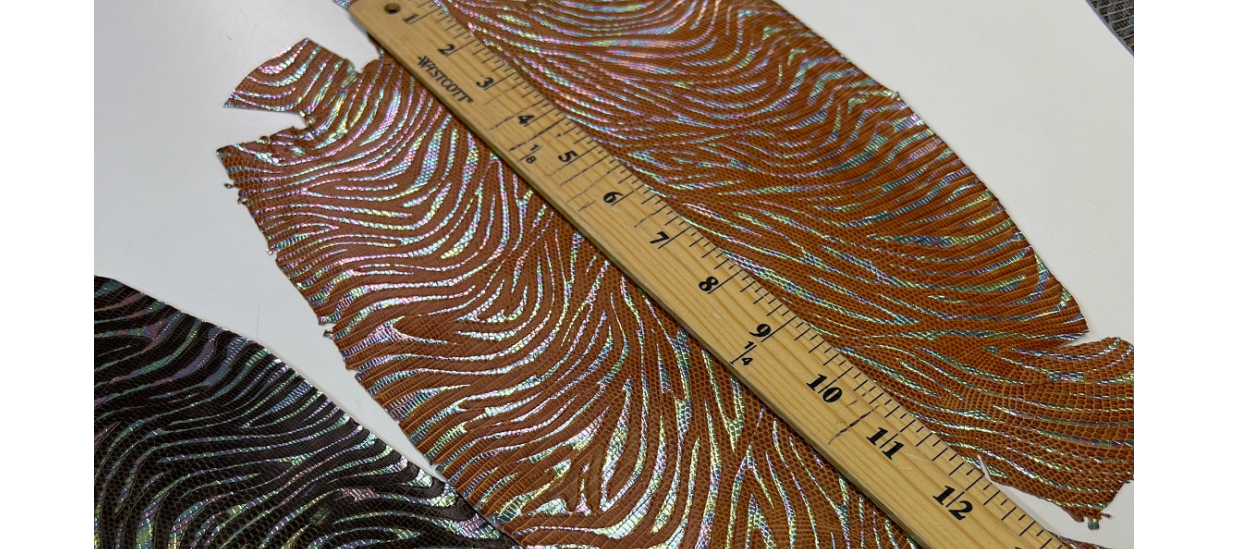
Three lizard species lead the luxury leather market. Monitor lizard shows large, rectangular scales. These scales arrange in clear geometric patterns. Makers use monitor leather for high-end wallets, phone cases, handbags, and dress shoes. The scale definition adds visual impact.
Teju lizard displays uniform, small-scale patterns across the hide. This consistency makes teju ideal for wallets, earphone cases, and watch straps. You get predictable material that cuts well. No pattern-matching headaches.
Iguana produces large, round scales that stand out from other lizard types. Premium fashion accessories feature iguana leather. Designers choose it for bold scale presence in compact items.
Lizard Leather in Custom Bag Production: Care and Crafting Tips

In our factory, lizard leather is a favorite for small, detailed items like wallets, clutches, and delicate handbags. Even though it’s thinner than crocodile or other reptile leathers, it bends easily around curves and edges, which makes stitching and folding much simpler during production. Tight corners or folded elements in orders work perfectly with this material.
The scales give the leather excellent natural waterproofing. Even with its thin profile, it protects against spills and stains better than many expect, which is a huge plus when producing everyday-use exotic leather handbags. The semi-glossy, smooth surface holds up well in handling, and the scales resist scratches and wear during assembly.
For maintenance, we always advise keeping lizard leather dry between production steps and cleaning it only with products designed for exotic leather hides. Regular leather cleaners can damage the scales or strip the protective oils, so using the right exotic leather conditioner ensures each piece stays premium for years.
Bag Manufacturing: Matching Leather to Design

We tracked 4,800 leather bags made between January 2024 and April 2025. 717 units came out defective—a 14.94% defect rate. The numbers show where exotic leather matching fails in real production. Dirty leather, scratched surfaces, and uneven stitching cause 80% of all problems. These defects start with poor leather-to-design matching before cutting begins.
Key Quality Elements in Leather Selection
Every bag has five defect points: leather condition, stitching quality, zipper installation, lining size, and finishing touches. Each exotic leather type reacts in its own way at these production stages.
Crocodile leather needs non-peeling surfaces and even color across large panels. The rigid scale structure shows every scratch. Ostrich leather needs clean quill sections without stains. Follicle damage shows up clearly under finishing treatments. Lizard leather runs thin (0.6-1.2mm). It needs precise lining size matching. Small linings create pulling. Large ones bunch at seams.
Process control charts flag problems. Production data shows this happened twice—March and August 2024. Defect rates jumped beyond acceptable ranges. Both months traced back to leather inspection failures. Material didn’t match design specs before entering the cutting room.
Durability and Care: Long-Term Performance Comparison

For custom exotic leather bags, crocodile is the ultimate choice for durability, ostrich balances everyday use with elegance, and lizard offers refined style with minimal maintenance—basically, crocodile is the bodybuilder, ostrich is the yoga instructor, and lizard is the sleek ninja of leather.
Conclusion
Picking between crocodile, ostrich, and lizard leather goes beyond looks. You need to match the material to what your bag will do and how you want it to look. Crocodile gives you top-tier strength with those famous scale patterns. Perfect for bold, structured bags. Ostrich brings natural flex and those unique quill bumps that add striking texture to softer bag shapes. Lizard shines in fine details. It adds refined touches to small accessories and accent pieces.
Know how to process and care for these exotic leather types for bags. This helps you pick the right materials while balancing cost, design needs, and how long they’ll last. Design materials for your next line? Or maybe you check supplier skills for manufacturing. Each leather type gives you different benefits.
Ready to start? Find certified exotic leather bag suppliers. They should give you tracking docs and material samples. Test how each leather works with your building methods. The right material turns a good bag into something special. At Sunteam, we update you every week with the latest news and trends in the bag industry, helping you stay ahead in design and materials.