
France excels at fashion and cuisine. But the country’s leather work has created some of the world’s most desired travel bags.
French brands started with trunk makers in Napoleon’s time. Now they make modern lightweight bags. For over two hundred years, these brands have shaped how travelers carry their items.
You might want a quality piece that grows in value. Or you need a practical bag for your next trip. These 7 notable branded travel bag companies in France show the best in design, strength, and timeless style.
Each brand has its own approach. Goyard offers quiet luxury. Longchamp brings high-end style to more people. Travelers get real French quality at different price levels.
Find which French travel bag maker fits your style, budget, and travel dreams.
Comparative Positioning
| Company | Market Rank | Primary Segment | Key Channels |
|---|---|---|---|
| Samsonite | #1 Popularity | Durable Innovation | E-commerce/Retail |
| Delsey | Top French Choice | Specialist Range | Multi-channel |
| LVMH/Louis Vuitton | Luxury Leader | Premium Exclusive | High-end Boutiques |
| Longchamp | Fashion Focus | Lifestyle Travel | Department Stores |
Rimowa GmbH pushes innovation in the premium hard luggage maker. The brand is expanding into Paris, Lyon, and Marseille. It competes head-to-head in France’s crowded marketplace of 200+ brands.
Kipling and Eastpak serve mass-market needs. Both belong to VF Corporation. Kipling makes fun adventure bags. Eastpak focuses on backpacks and duffels. Urban travelers are their main target—58% take short breaks. Both brands grow online sales while keeping physical stores open.
Market Dynamics
Per capita revenue hits $97.73 in 2025. Travel bags are growing at 2.08% CAGR through 2033. Paris generates over 40% of demand. E-commerce takes over 50% of total sales. Platforms like Veepee and Showroomprivé compete with brick-and-mortar retailers. Vinted grabs the second-hand market segment.
Sixty-five percent of French consumers vacation in France. This creates steady demand for practical travel solutions. All seven brands benefit from this pattern across their product lines.
Maison Goyard – The Historic Trunk Master Since 1853
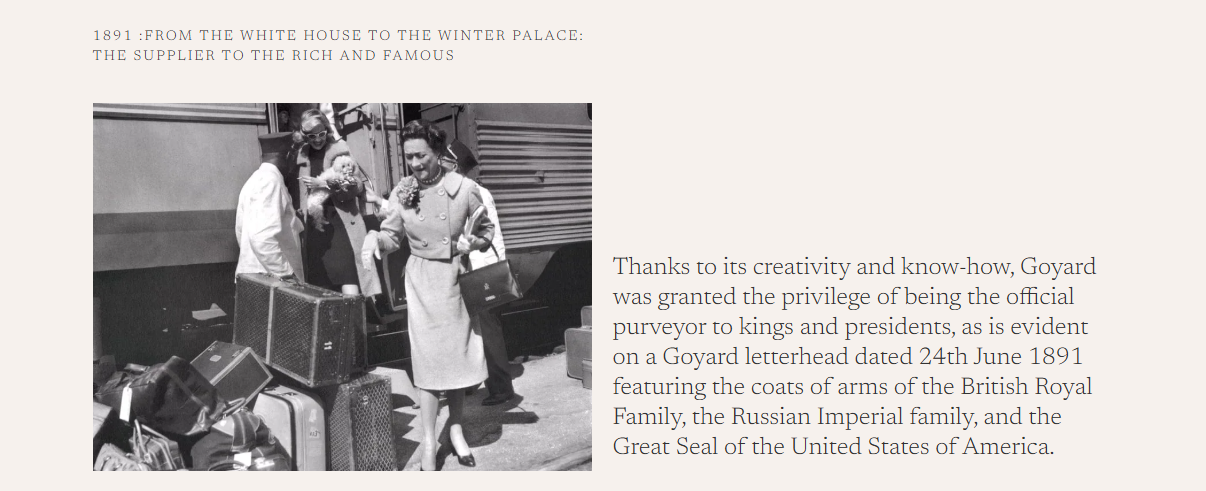
Goyard’s story starts in 1792. Pierre-François Martin opened Maison Martin as a box-making and trunk-packing workshop in Paris. The business got royal recognition. Marie-Caroline of Bourbon-Two Sicilies, Duchess of Berry, named it her official supplier. François Goyard bought this shop in 1853. He renamed it Maison Goyard. This makes the Goyard bag the oldest trunk maker still running since its official start.
The Goyard line came from Clamecy, Burgundy. The men worked as Compagnons de Rivière—log drivers who moved firewood down rivers to Paris. Their name comes from “goujard” or “goyard,” a sickle tool used to cut thorns. This background shaped their signature design.
The Revolutionary Goyardine Canvas
Edmond Goyard created the iconic Goyardine canvas before 1900. He put the name in white against brown colors on the material. The Paris address shows up twice in matching spots. The dot pattern honors his log driver ancestors.
The canvas uses three natural fibers. Hemp blocks water. Linen controls temperature. Cotton adds softness. This mix creates a strong yet light material that defined luxury travel.
Hand-Crafted Excellence in Paris
Each Goyard piece is hand-made in Paris workshops. The Rue Saint-Honoré storefront connects to modern ateliers behind it. About 20 trunk makers focus on custom hard-sided luggage and made-to-order trunks.
Every trunk gets a serial number. The maker’s initials appear on its tag. Jean-Michel Signoles bought the company in 1998. Since then, each piece gets logged in the making register. This record helps with proper repairs and proves authenticity.
Sir Arthur Conan Doyle ordered a “Writer’s trunk.” It had a filing cabinet, bookcase, typewriter, and foldable desk. You could see it at the 1925 International Exposition. Monogrammed trunks carry owner initials and stripes. This tradition comes from the log-driving days. Back then, they marked wooden trunks and horse carriages this way.
Five generations of Goyards ran the house. François started in 1853 and it went through Isabelle until 1998. Edmond won the Grand Prize Diplôme at the Gand exhibition. The brand recorded its history in an art book. They made 233 numbered copies on Arches watermarked vellum with lead letterpress. National libraries in Paris and Berlin keep these volumes.
Delsey Paris – Post-War Innovation Leader
World War II ended. Tourism exploded across Europe. Two French manufacturers saw the opportunity and merged in 1946. Delahaye made leather camera cases. Seynhaeve produced protective cases for typewriters and record players. Together they became DELSEY Paris—a brand that would pioneer the modern luggage industry.
The post-1946 tourism boom needed new travel solutions. DELSEY created beauty cases, briefcases, and special luggage for cars, trains, and flights. Travelers wanted more freedom and ease of use. DELSEY delivered both through constant innovation.
Revolutionary Firsts That Changed Travel
In 1970, DELSEY became the first brand to launch ultra-resistant rigid shell luggage supplier. Hard-sided cases gave better protection than traditional soft bags. Your belongings stayed safe through rough handling and harsh conditions.
The real breakthrough came in 1972. DELSEY invented the first luggage on wheels with a telescoping handle and retractable wheels. This single innovation changed how millions of people travel. No more carrying heavy bags through airports. You could roll your luggage with minimal effort.
The 1980s and 1990s brought ultra-light, shock-resistant designs with better handling. Each new product got lighter, stronger, and easier to use.
Patented Security and Sustainability
DELSEY developed the SECURITECH® zip system—a patented double zip design that’s 3x more resistant to break-ins than standard zippers. Your valuables get maximum protection against theft.
Environmental innovation arrived in recent years. New injection technology reduced plastic use in rigid suitcases by 50% for ultra-light models. Performance meets sustainability in every design.
Over 75 years, DELSEY earned more than 70 patents and awards for their innovations. In 2015, they unveiled the Pluggage smart suitcase prototype. This connected luggage had a built-in scale, GPS locator, speaker, remote lock, and phone charger—all controlled through an app.
By 2010, DELSEY reached #2 position in the global luggage market behind Samsonite. The company generated €130 million in turnover with 400 staff members. French design thinking plus practical innovation created a global leader—one wheeled suitcase at a time.
Lipault – Lightweight Parisian Chic Specialist
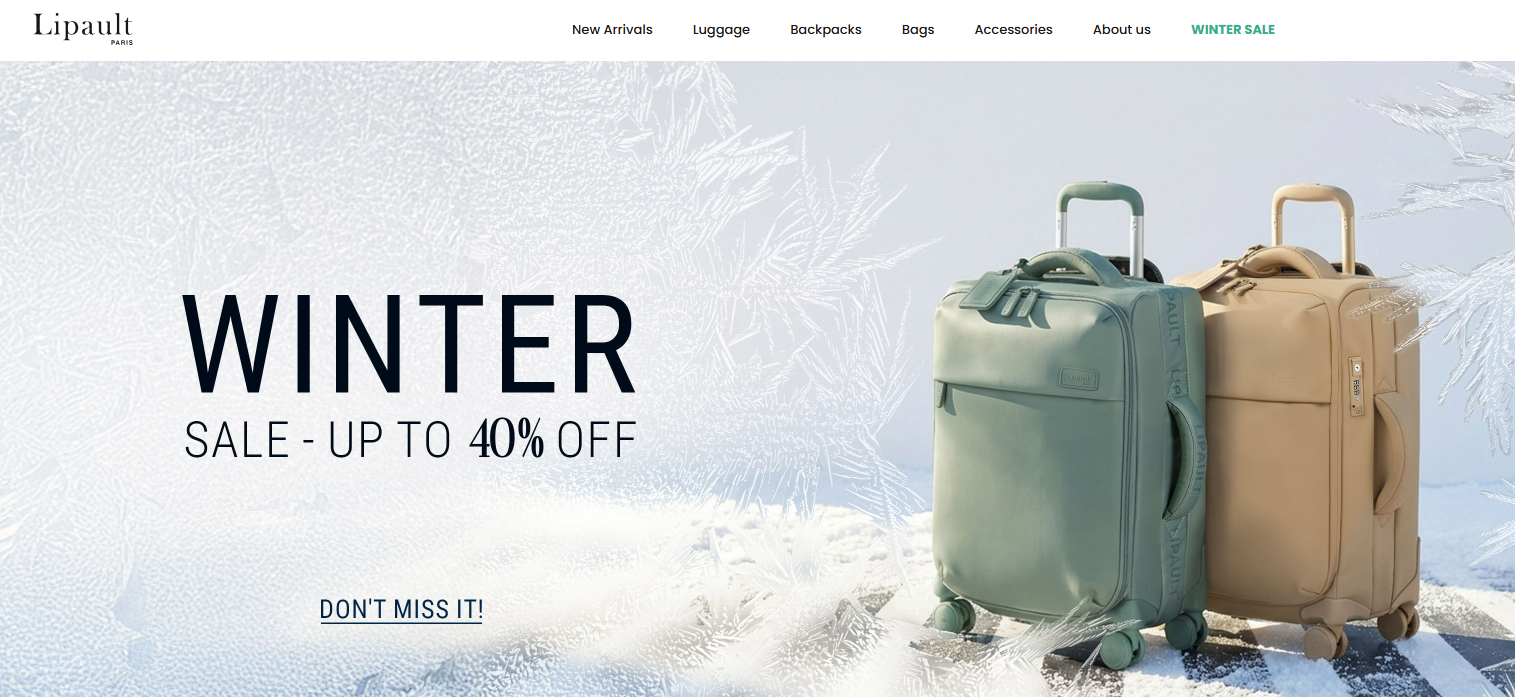
Parisian brand Lipault proves that travel bags don’t need to weigh you down. They turn everyday materials into ultra-light bags that look stylish in any city.
Ultra-Light Design
Lipault’s Plume large suitcase weighs just 2.9kg yet holds 93L of capacity. That’s lighter than most cabin bags. But you get full-sized storage. The foldable travel bag stretches to 132L at 3.2kg—perfect for long trips without checked baggage fees.
Their cabin-sized options go even lighter. The Plume Cabin Size Spinner hits 4.83 lbs (2.19kg) with dimensions of 21.75″ x 13.75″ x 8.25″. The Foldable Plume Mini Cabin drops to 4 lbs (1.81kg). It fits airline restrictions at 17.7″ x 12.6″ x 7.9″. Even their backpacks stay under 2.2 lbs (1kg).
Two material systems make this happen. Plume uses lightweight nylon for flex and strength. Lost In Berlin features polyurethane/polyester with a matte finish. This resists shocks and water. Both lines include 4 silent wheels that roll in all directions. You also get telescopic handles and padded side grips.
Urban Colors and Modern Design
Lipault aims at city travelers with vibrant choices. The Lost In Berlin 24H Bag 2.0 comes in 9 colors including Rose Quartz at $160. The Crossbody offers 7 colors at $70. The Cabin Spinner has 6 options—Black, Sandstone, Rose Quartz, Green Argile—priced $185-265.
Collections like City Plume 72H Bag ($175, 2 colors) and Lost In Berlin Big Crossbody ($90) focus on bold style over quiet looks. Matte finishes pair with easy-fold systems. This creates a modern Parisian look.
Complete Product Range for Every Trip
Cabin sizes fit airline rules (22″x14″x9″) for short trips. Medium suitcases work for 1-week trips. Large options handle long travel.
Beyond suitcases, Lipault makes special carriers: Garment Bag ($135), Carry-Away ($115), Carryall 2.0 ($130). Foldable duffles with wheels give you multi-pocket storage.
Users rate the Plume Cabin 5/5. They call it “perfect size, very light, well made” with “durable, easy transport.” Lipault brings French design to travelers who watch every ounce.
Moreau Paris – Napoleonic Heritage Craftsmanship
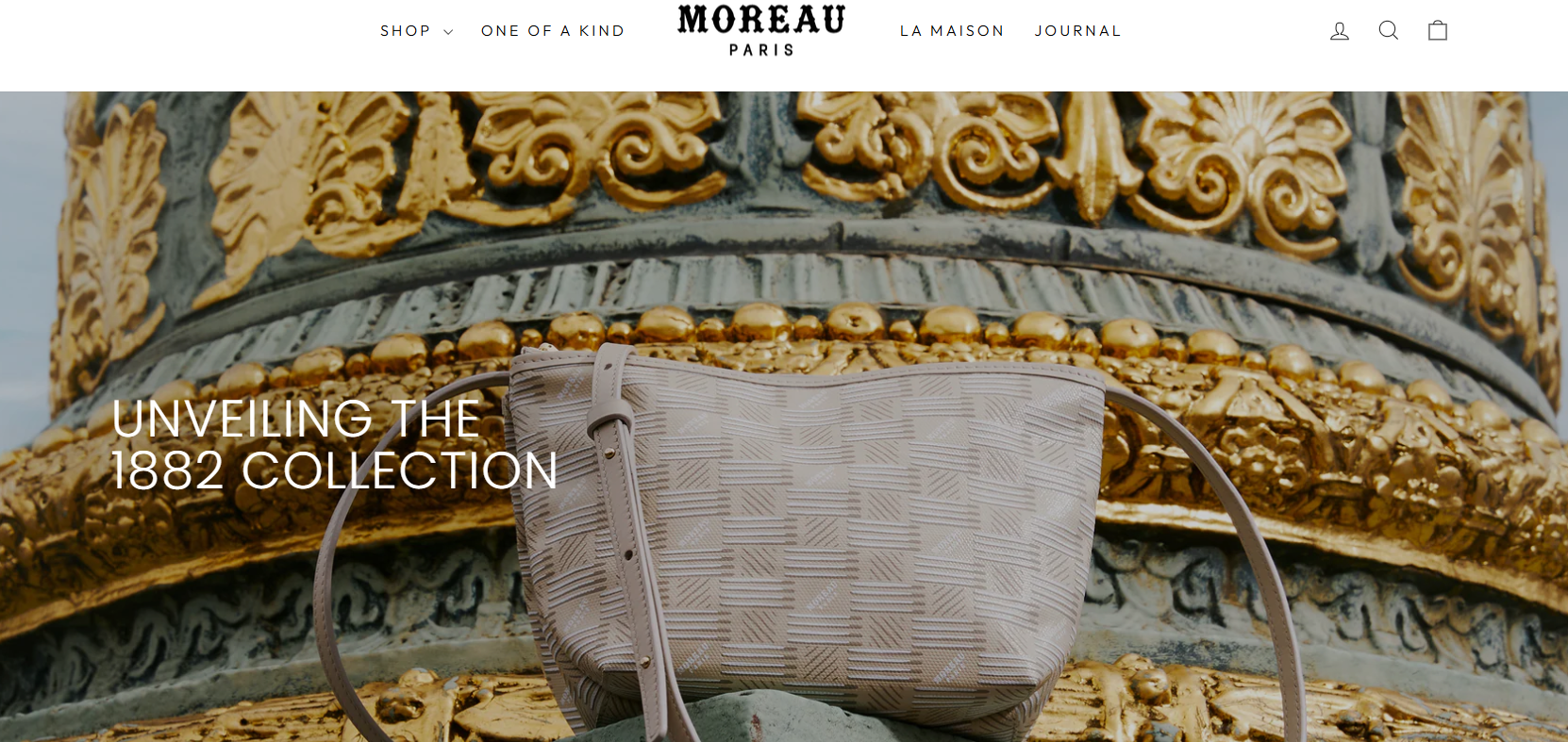
Louis Moreau Sr. earned his master cabinetmaker title in 1764. He opened his first workshop on Rue de l’Echelle-Saint-Honoré in Paris. This began a dynasty that served emperors and changed French trunk-making.
From Napoleon’s Cabinet Maker to Trunk Specialist
Moreau partnered with metalworker Martin-Guillaume Biennais in the late 1700s. Moreau handled woodwork. Biennais crafted metal fixtures. They created furniture pieces that caught Napoleon’s eye. Their 1799 chest still sits in Moreau’s collection today.
The partnership earned royal commissions. In 1805, Napoleon ordered a custom trunk for Chancellor Cambacérès. This recognition put Moreau among France’s top craftsmen. Railway and steamboat travel grew across Europe. The family shifted from cabinetmaking to trunk production.
Three generations ran the business after Louis Moreau Sr. died in 1802. His son, wife, and grandson adapted traditional woodworking skills. They met new travel demands.
The Signature Basketry Pattern Since 1882
Moreau opened its first retail store in 1878 at 24 rue Boissy d’Anglas. Four years later, we moved to 283 rue du Faubourg Saint-Honoré, which remains our current Paris flagship location, reinforcing Moreau’s status as a luxury leather bag brand in Paris.
The 1882 store launch brought Moreau’s famous basketry-inspired leather pattern. This wicker braid design became our signature monogram. Hand-stitched details and hand-painted finishes make each piece unique. Moreau ranks as one of just four historical monogram brands in Paris.
Traditional Hot-Stamping Customization
We use traditional hot-stamping to personalize each piece, a handcrafted leather personalization technique that allows you to add initials, symbols, or dates directly into the leather. This process connects you to the same craftsmanship once experienced by Napoleon’s court.
The brand grew from trunks to fashion accessories and small leather goods. Crossbody bags and travel items carry the same trunk-making heritage. You’ll find Moreau at our Paris flagship and a Houston location at 4444 Westheimer Rd, Suite F110.
Longchamp – Foldable Le Pliage Icon
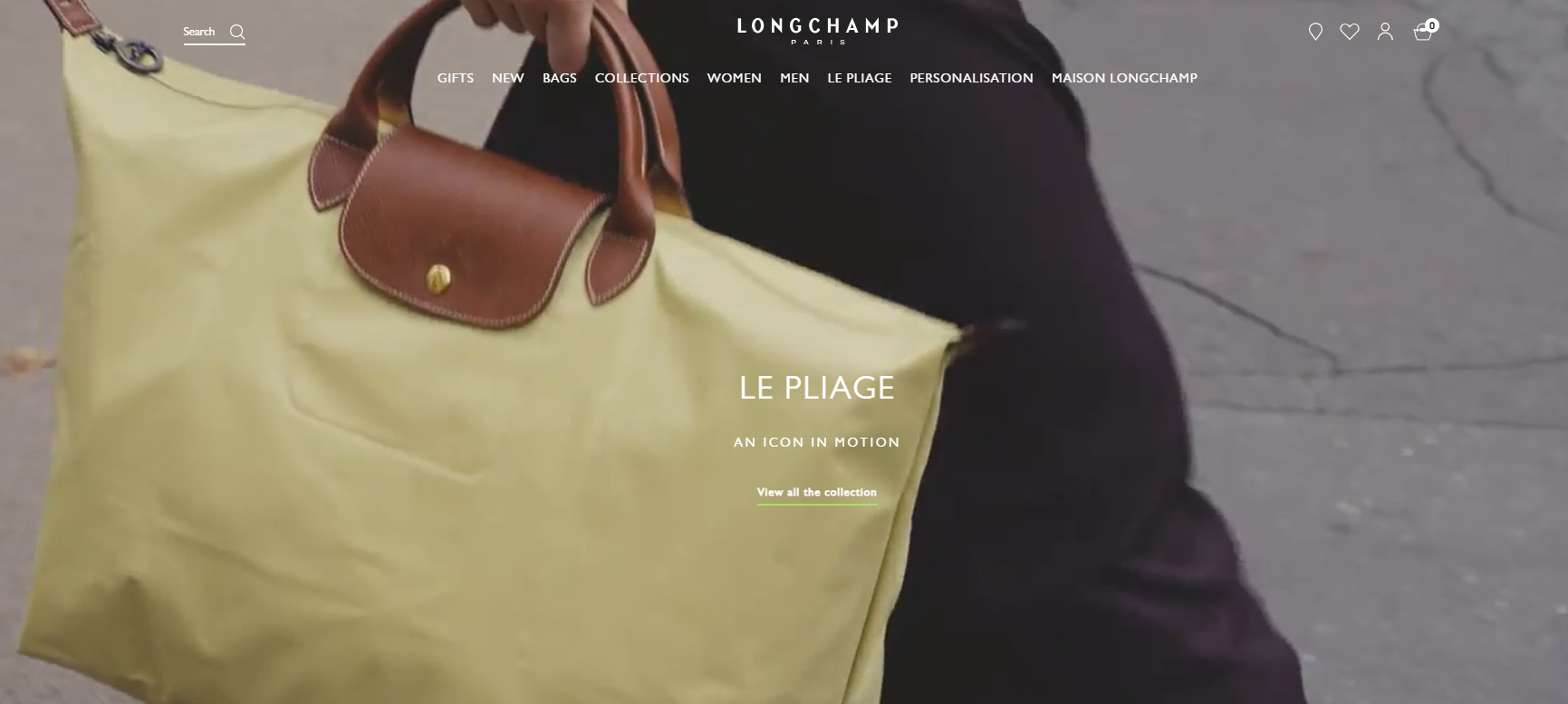
A single bag design launched in 1993 changed French fashion and travel. The Le Pliage gets its name from the French word for “folding.” This origami-style foldable design collapses into a compact square. It fits anywhere. Lay it flat. Fold the left and right sides over the center. Fold the bottom up under the handles. Close the leather flap with the snap. Your full-sized bag now measures just 18.5×24×7 cm.
Five Sizes for Every Travel Need
| Size | Key Dimensions | Primary Use Case |
|---|---|---|
| Extra Small | Compact cross-body | Light carry, easy use |
| Small | Larger than XS | Light packers, basics |
| Medium | 30cm W × 28cm H × 20cm D | Most versatile; work, errands, day trips, light travel |
| Large | Fits 15-inch laptop | Gym bag, overnight travel, heavy carriers |
| Extra Large | Huge capacity | Bulk travel, families with multiple items |
The medium size dominates sales for good reason. It holds your wallet, phone, water bottle, planner, makeup pouch, charger, and a small laptop or tablet. The strap adjusts from 22-50 cm and detaches. Handle height sits at 10 cm for hand carrying. One interior zipped pocket keeps essentials secure. A snap-button flap and zip closure protect your items.
Materials Built for Durability
Longchamp makes Le Pliage from recycled polyamide canvas paired with 100% cowhide leather handles and flap. The Russian leather components resist wear for years. Every piece gets made in Tunisia under French quality standards.
Prices range from $140-$300 based on size and style. French design becomes accessible to more travelers at this price point.
Beyond the Classic Tote
The Le Pliage system grew beyond handbags. You’ll find custom travel bags, backpacks, shopping bags, and compact handbags. Travel versions have expanding designs that give you extra room.
Comfort varies by size. Extra small and small options feel lightweight all day. Medium bags stay light even when full thanks to long shoulder straps. Large sizes get heavy when packed—the slim, unpadded straps dig in during long carries. Extra large straps stretch long enough to wear over thick jackets or sweaters. Fold it flat for traveling light.
Users pick different sizes based on their trips, reflecting the versatility of luxury travel tote bag sizes. Mini works for travel essentials and camera storage. Small handles light basics. Medium serves work, errands, and light travel—some parents even use it as a diaper bag. Large fits office commutes and client meetings with computers and books. Extra large supports family travel, carrying bulk items for multiple people.
Moynat – Luxury Trunk Revivalist
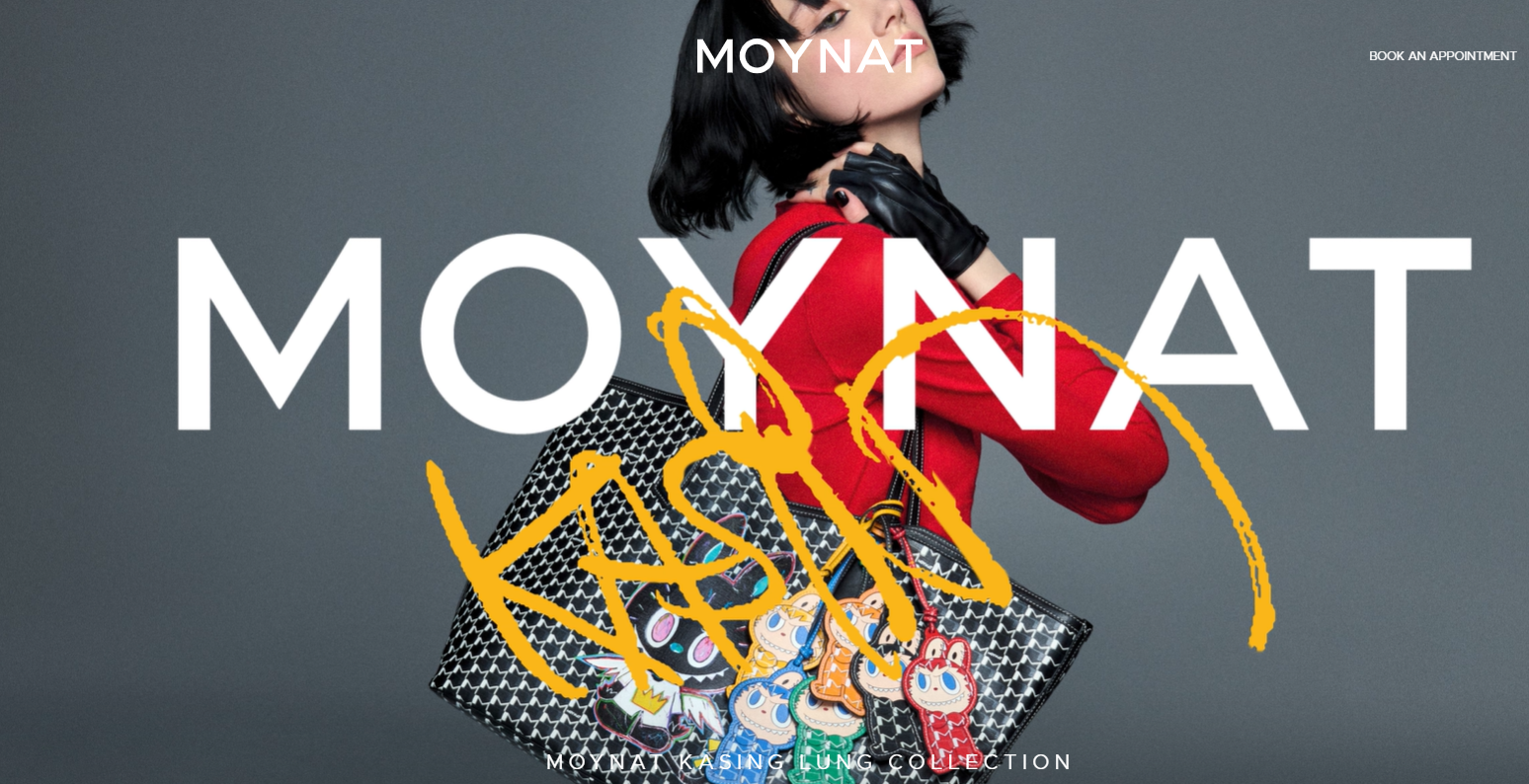
Moynat stands next to Louis Vuitton and Goyard as one of three top French luxury luggage makers from the mid-19th century. The brand changed trunk design with three famous models that shaped how we travel today.
Three Trunks That Defined an Era
The English Trunk (1873) used wicker structure foundations, reducing weight while maintaining strength. This ensured belongings stayed protected during rough train journeys and long ocean voyages.
In 1902, Moynat introduced the Limousine Trunk with curved shapes, designed to better utilize space inside early automobiles. The Wheel Trunk (1906) followed, featuring smart curves that fit car boots perfectly, establishing Moynat as the first luggage maker to design specifically for car travel.
The early 1900s marked a practical shift. Moynat transitioned from rounded tops to flat lids, allowing trunks to stack more efficiently on trains and ships. This evolution reflects Moynat’s enduring heritage luxury luggage craftsmanship, enabling travelers to carry more while traveling smarter.
Materials and Craftsmanship
Standard 100cm steamer trunks measure 47–56cm high, 100cm wide, and 54–55cm deep, reflecting classic proportions rooted in luxury steamer trunk craftsmanship. Each piece features a poplar barrel structure wrapped in canvas, with checkerboard, beige vellum, or orange patterns paired with chocolate or toffee leather trim.
The hardware is crafted from solid brass and copper, including stamped locks, reinforced corners, and sturdy handles. Modern models feature goatskin interiors, while each clasp draws inspiration from historic trunk designs. Spaced studs and dyed leather cuff edges highlight meticulous attention to detail.
Hand-painted initials identify the original owner, and interior Moynat labels record precise production dates. Original pieces from the 1907–1910s can still be found in today’s vintage market.
Antique and Modern Pricing
Vintage Moynat trunks cost €2,980 to $11,110 based on age and condition. A 1908 rounded-top model runs €3,600. Steamer trunks from the 1910s-1920s go for $10,525-$11,110 on sites like 1stDibs.
Canvas condition, patina quality, and original brass hardware set the value. Many have relined interiors. Wear should match the trunk’s age. Paris dealers in Saint-Ouen handle authentication and restoration.
Modern Moynat trunks work as high-end investments. Custom monograms and painted designs let you make them your own. Today’s travelers get the same expert craft that Napoleon’s court knew—just updated for modern trips.
Lancel – Accessible French Elegance
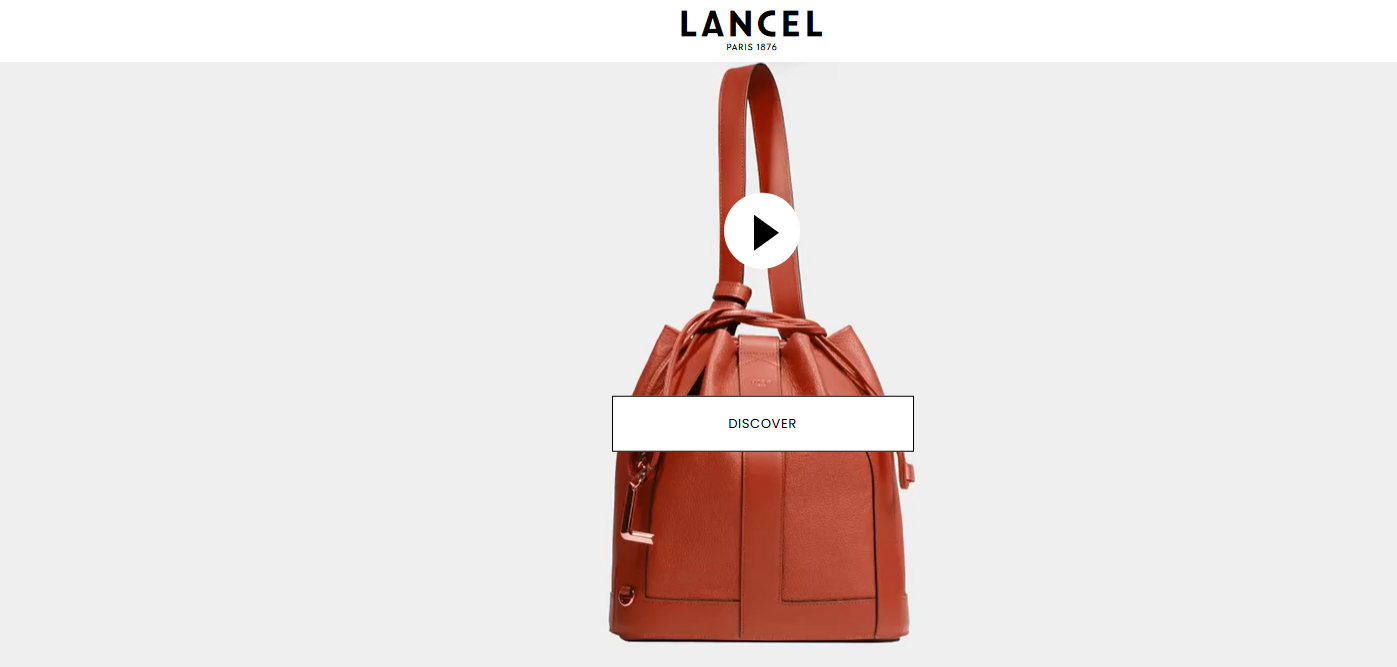
French luxury doesn’t need a six-figure budget. Lancel proves that as an accessible French luxury leather brand. This Parisian leather goods house started in 1876 and just reached €68.8 million in revenue for its 2024–2025 fiscal year, marking 6.5% year-on-year growth. Even better, the brand returned to profitability for the first time under its current owner, Italy’s Piquadro Group.
From Small Workshop to 80-Store Network
Lancel began as a small pipe-making workshop. Now it’s a leather goods specialist with 80+ boutiques under its own management. Over 60 stores operate in France alone. The flagship at 8 Place de l’Opera has served Parisians since 1929. The Champs-Élysées location opened in 1981.
The brand changed owners several times. The Zorbibe brothers bought it in 1976. Richemont paid €270 million in 1997. Piquadro Group took over in 2018. They turned things around fast. The company hit 12.8% like-for-like growth and 8.7% direct sales growth in the latest fiscal year.
Iconic Bags That Shaped the Brand
The Elsa de Lancel bucket bag launched in 1987 and sold 6 million units within 10 years, becoming one of the most iconic French leather bag designs that put Lancel firmly on the map. Today’s bestseller is the Ninon bag (2018), refreshed each year with new seasonal colors. Other popular lines include the Premier Flirt (relaunched in 2018), Adjani, Daligramme, and L’Amante.
Lancel also invented the Sac à Malice in 1900, one of the earliest bags to feature hidden compartments. This practical innovation became a brand signature. For travelers, the house created the Kangaroo suitcase (1920s–1950s), the Trotteur bag, and the Aviona trunk, reinforcing its long-standing connection to functional luxury travel.
Balancing Heritage with Modern Appeal
Valeria Vigorelli came from Chloé to join as Creative Director in late 2023. She’s updating classic French style for younger buyers. The Charlie collection (2014) appeals to this group with sleek, modern lines. The Iconic collection (2016) shows geometric Art Deco designs. The Angèle line (2011) honors founder Angèle Lancel.
Lancel gives you French luxury at prices you can reach. It fills the gap between everyday brands and ultra-premium houses like Hermès or Goyard.
Conclusion
France’s travel bag history goes beyond luggage. It’s 170 years of craft, new ideas, and classic style. Goyard’s hand-painted canvases traveled with royalty. Delsey’s polycarbonate shells protect modern travelers. These 7 notable branded travel bag companies in France each meet different travel needs. They all keep that French look we recognize.
You might like Moynat’s custom trunk art. Or Lipault’s light city designs. Maybe Longchamp’s Le Pliage that goes from weekend trip to everyday bag. Your pick shows how you travel and what matters to you. The old houses sell pieces you can pass down. New brands give you luxury you can afford. Both keep French design at their core.
Ready to find your French travel match? Think about your style first. Are you a heritage collector? A practical minimalist? A fashion explorer? Then check out these brands’ collections. Your next trip needs the elegance, strength, and polish that authentic French travel bag companies bring.
Bon voyage with bags built to last generations.