
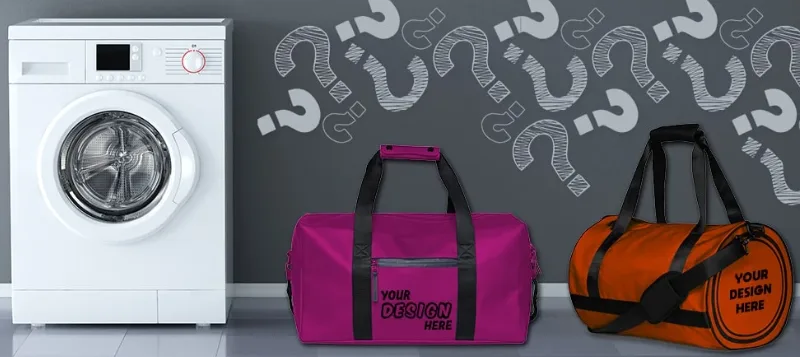
Regular care adds 3-5 years to your tailor-made duffel’s life. Zippers, fabrics, and straps stay in working order. Dirt weakens fabric fibers. Grime clogs zippers. Moisture creates mold that eats away at materials from inside.
Cleaning Frequency Based on Custom Duffel’s Usage
Clean monthly if you travel often or hit the gym regularly. Sweat, dirt, and moisture build up fast with frequent use. Deep clean once a year for bags you use now and then. After each use, vacuum out debris and spray fabric freshener inside. This stops mold from growing in damp pockets or seams.
Hand Washing Fabric and Custom Canvas Duffels
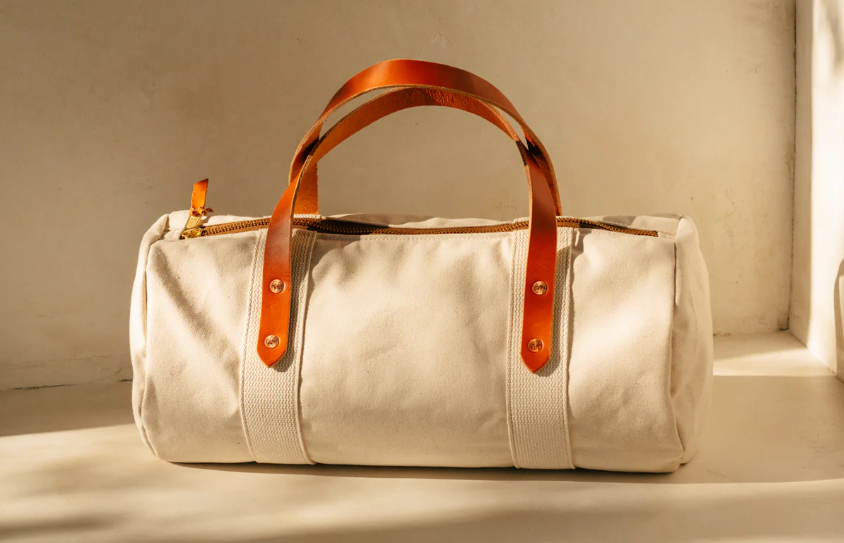
Machine washing ruins wheels, straps, and protective coatings. Hand washing keeps these parts safe and gets dirt out.
Vacuum all compartments first or use a lint roller for loose debris. Wipe inside and outside with antibacterial wipes or a damp towel with mild soap. This clears surface grime fast.
Fill a tub or large sink with cool water. Add 0.5 tablespoon of mild detergent—no more. Put your custom leather duffel in the water. Move the water around by hand for 5-10 minutes. Push the soapy water through the fabric. Pay attention to dirty spots.
Rinse under running water until soap is gone. No residue should stay behind. Leftover soap attracts dirt on your next trip.
Air dry the bag open for 1-2 hours. Hang it or prop it open. Don’t fold it wet. This traps moisture inside and causes dry rot. After the outside dries, vacuum the inside again to get any loose debris.
Treat tough stains with special removers. HEX Stain Remover works well—spray 2-3 times on the stain. Scrub with a soft brush. Wait 5 minutes. Wipe clean with a damp cloth.
Leather Duffel Care Protocol
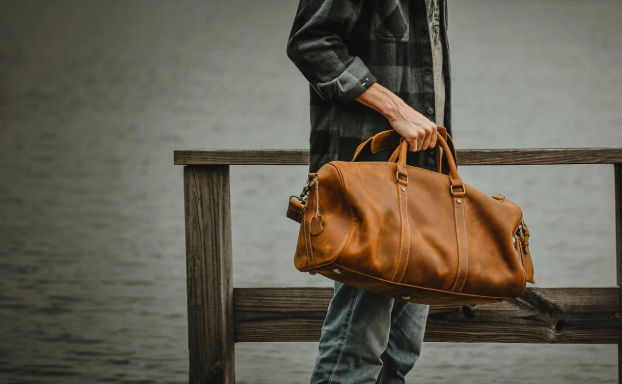
Leather needs different care than synthetic fabrics. Water harms leather if it sits too long. Conditioner stops cracking and keeps the material soft.
Brush or wipe off surface dirt with a dry cloth. For stuck-on grime, use mild detergent mixed with water. Rub in small circles. Wipe the spot right away with a clean damp cloth. Never soak leather or leave it wet.
Put leather conditioner or polish on your bag that matches its color. Buff with a soft cloth or brush until it shines. This seals the leather and blocks moisture.
Caught in rain? Wipe extra water off right away. Air dry the bag away from direct heat. Heat cracks leather fast. After it dries, put conditioner on to restore moisture.
Use saddle soap for deep cleaning around loops, drawstrings, and seams where dirt collects. Put it on with a damp sponge. Wipe clean. Let it dry all the way.
Machine Washing Select Synthetics
Some synthetic duffels can go in the machine. Check your bag’s care label first. Most wheeled duffels and structured bags need hand washing.
Pre-treat stains with HEX Stain Remover. Spray on marks. Scrub with a brush. Add HEX Laundry Detergent to your machine. Use warm or hot water based on the fabric care label. Run a delicate cycle.
Air dry after washing. Machine drying shrinks fabrics and warps protective coatings. Don’t skip this step.
Proper Drying Prevents Material Damage
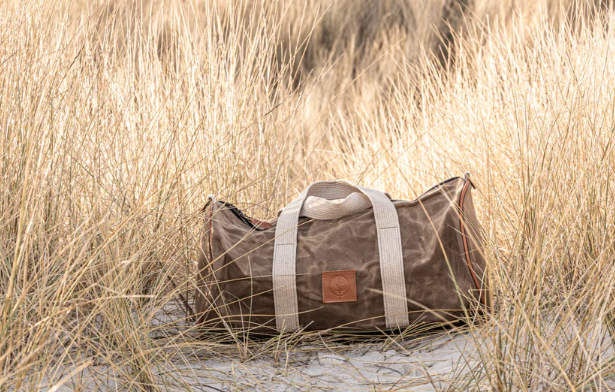
Air drying stops dry rot and mold growth. Hang your duffel or prop it open. Don’t fold it on the floor while wet. Moisture stuck in creases ruins fabric.
Leather duffels need 2-4 hours of indirect sunlight after wiping. Direct sun fades color and dries leather too fast. This causes cracks.
Full drying takes longer than you think. Touch all inside surfaces. Feel inside pockets. Any dampness means it needs more time.
Storage That Maintains Shape
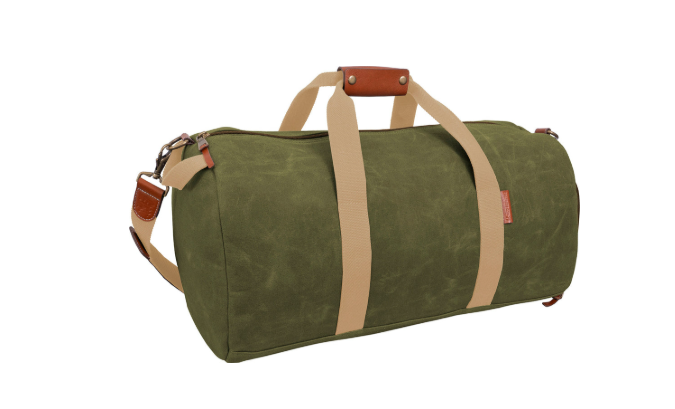
Store duffels in cool, dry places. Don’t fold or squeeze them during storage. Creases form in fabrics that won’t go away. These weak spots can tear later.
Stuff your duffel with paper or cloth to keep its shape. This stops the sides from caving in. The fabric stays smooth without stress lines.
Check stored bags every three months. Look at stitching on handles, corners, and zipper ends. Spot loose threads or small tears. Fix these right away before they get worse. Re-wax canvas duffels from time to time. This brings back water resistance.
Wheels and Hardware Maintenance
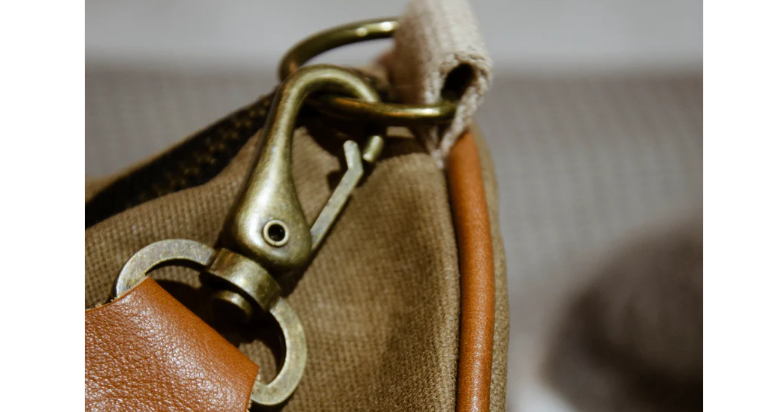
Hand-scrub wheels with a soapy sponge after trips on dirty surfaces. Airport floors and city streets cover wheels with grime. This grime gets into wheel bearings. Dry wheels right after cleaning.
Lubricate wheel axles with silicone spray or light machine oil. This stops rust and keeps wheels rolling. Rusty wheels lock up. You’ll carry instead of rolling your bag.
Don’t drag duffels by straps or handles if wheels aren’t made for it. This wears down the bottom fabric. Worn fabric tears into holes.
Preventing Odors and Stains
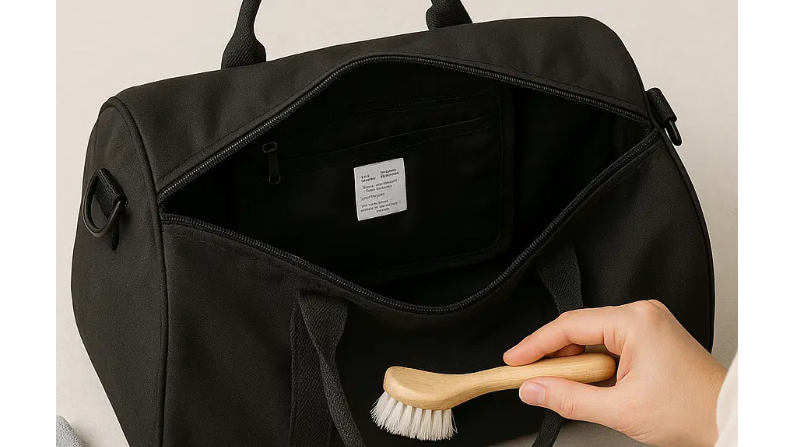
Spray odor eliminator inside your duffel between washes. Fabric softener sheets work too. Put one in each section. These soak up smells from gym clothes, wet gear, or dirty shoes.
Use separate pockets for toiletries. Even travel-size bottles leak. Keep them away from clothing. This stops soap or shampoo stains that set into fabrics.
Actions That Damage Duffels
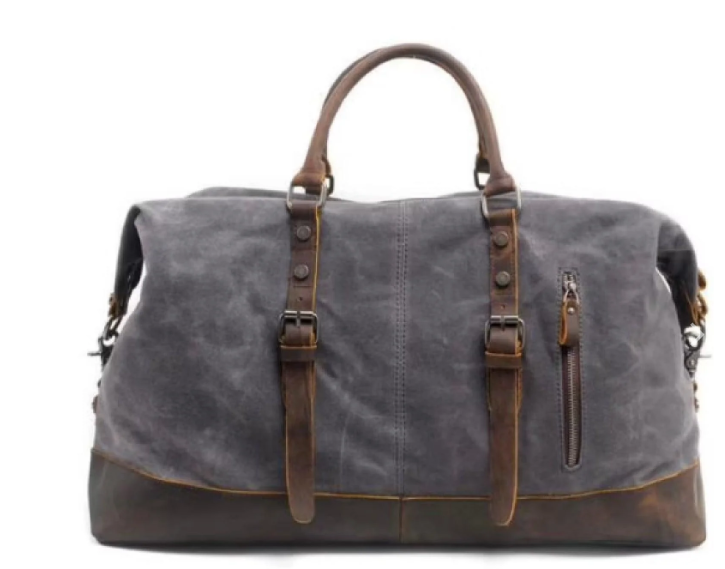
Never use harsh chemicals or bleach on any custom duffel material. These eat away at protective coatings and weaken fibers. Skip machine washing and drying for leather or structured canvas bags. The rough movement and heat ruin material for good.
Don’t put duffels in water for long periods unless they’re rated waterproof. Most water-resistant bags handle rain and splashes. Full dunking soaks through seams and ruins inside parts.