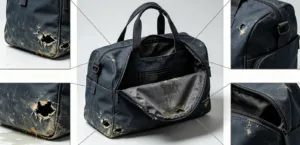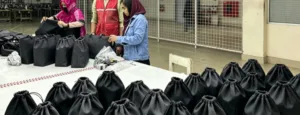
You approve a bulk order of 5,000 custom tote bags for your business. The delivery arrives. The color is wrong. The handles are weak. Your logo looks terrible compared to what you expected.
This nightmare wastes thousands of dollars. It delays your entire marketing campaign. But proper sampling prevents this mess.
The sampling stage in custom tote bag orders acts as your financial safety net and quality control checkpoint. Startups launching branded merchandise need it. Established retailers expanding product lines need it too. Understanding sampling makes the difference between success and expensive disaster.
Sampling detects defects early. It verifies your design matches expectations. It helps manage what customers expect and tests market fit. We’ll show you concrete ways sampling protects your investment. It streamlines production. Your custom tote bags deliver the impact you’re paying for.
What Is the Sampling Stage in Custom Tote Bag Manufacturing
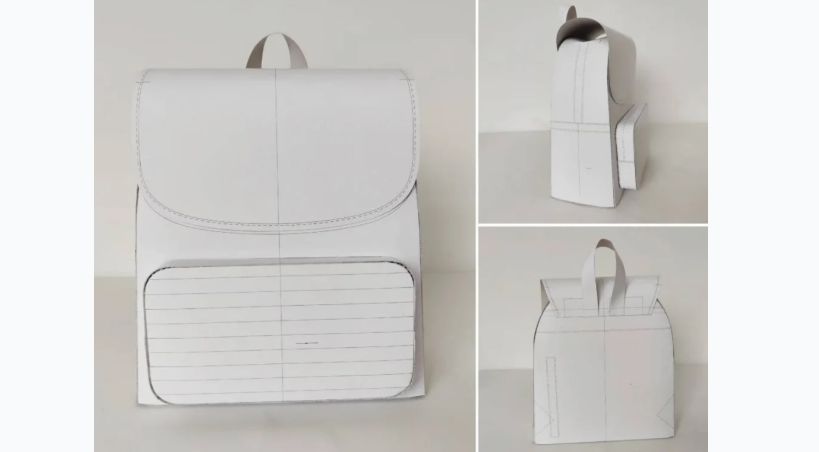
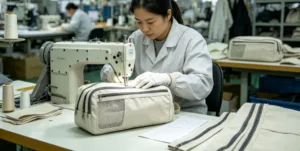
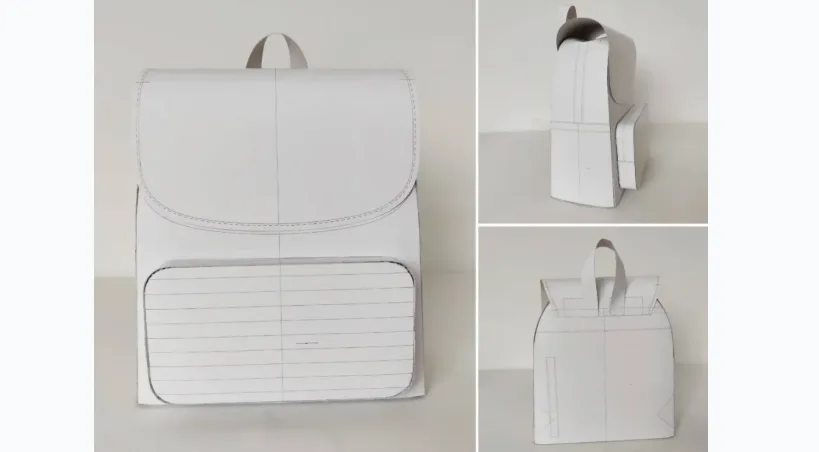
The factory turns your design files into a real prototype. You can touch it, test it, and see how it works. This sample shows how zippers work, how fabric feels, and whether stitching can handle pressure.
Materials get picked carefully. Cotton, canvas, nylon, leather, or polyester—each fabric changes the bag’s look, weight, and how long it lasts. Straps and metal clasps get put together. The prototype shows your brand while doing what it needs to do.
The Two-Phase Timeline
Phase 1: Initial Creation (14 days)
Your drawings or 3D designs go to production. The bag factory makes the first sample.
Phase 2: Review and Refinement (21 days)
You check print quality close up. You test how deep pockets are. You see if the handles sit straight. Send feedback to manufacturers. They change how they build it, switch materials, or fix how it looks.
This process stops problems before they start. Seams stay strong. Prints stay sharp. The bag survives regular use without breaking—all tested before mass production begins.
Catch Defects Before They Cost You Thousands
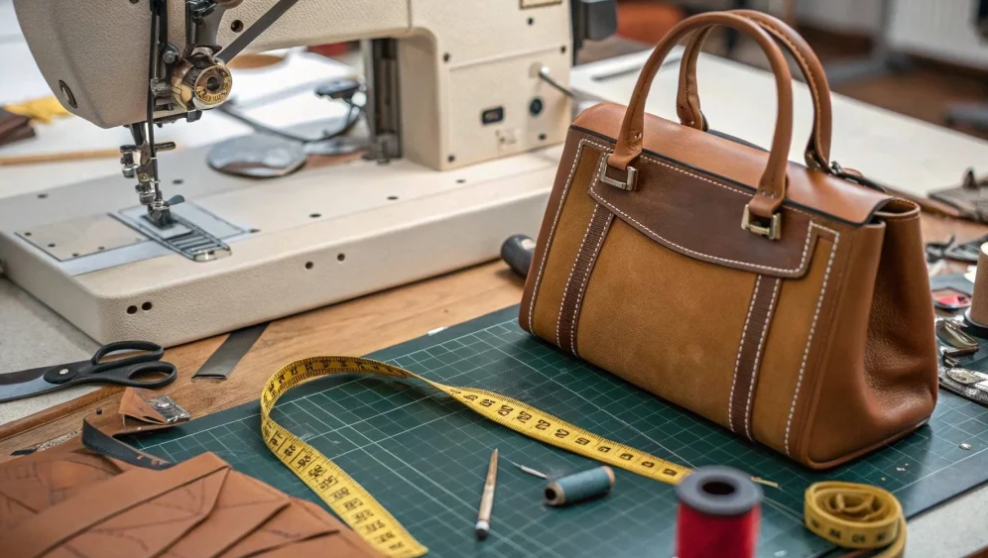
A single defect caught in a custom bag sample costs around $100 to fix. Miss it, and that flaw can escalate to $10,000 once production starts. Sampling acts as your financial firewall.
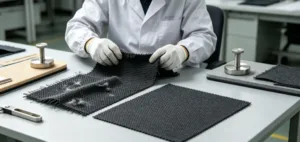
Test print adhesion, stitching, and handle strength on prototypes. Weak strap attachments or zipper issues caught early prevent entire batches from failing quality checks. Fabric color fastness testing stops thousands of bags from bleeding dye.
Modern data shows:
- Rigorous sample testing improves defect detection by 80%+
- Rework loops drop, increasing production throughput by 25%
Invest $500–1,500 in comprehensive sampling to avoid $15,000–50,000 in bulk production fixes, rejected batches, and emergency reorders.
Confirming Design Feasibility and Visual Appeal
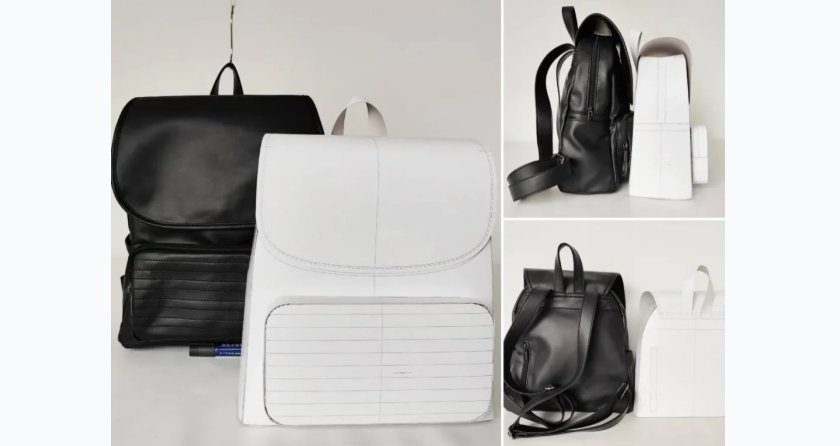
Your design looks perfect on screen. But can your leather bag manufacturer produce it? Sampling answers this before you commit production budgets.
Testing reveals hard limits. Your factory runs 30,000 units per month. You need 50,000 bags in four weeks. The math doesn’t work. Sampling exposes this mismatch before it’s too late. You identify what tech you need—special printing gear, specific stitching machines, heat-press tools. Then you check if your manufacturer has these or can get them in time.
The TELOS framework helps structure your check: Technical capacity exists. Economic costs fit your budgets. Legal compliance is verified. Operational processes function well. Scheduling meets deadlines. Each part must pass before bulk orders start.
Visual Translation from Screen to Product
Digital mockups lie. Colors shift between your screen and real fabric. Pantone 485 red on your monitor turns orange-tinted on cotton. Logo details crisp at 300 DPI blur on textured canvas.
Samples give you visual proof. You hold the real color. You see how metallic foils catch light on nylon versus canvas. You check if gradient prints stay smooth or show banding. Small design elements that looked sharp on screen might need to be bigger for visibility on real bags.
Test your team’s skills during sampling too. Can workers handle complex embroidery patterns each time? Does your supplier’s heat transfer gear manage detailed multi-color logos? Samples expose skill gaps before they mess up production schedules. This check protects visual appeal and production success. What customers receive will match what you planned.
Customer Approval Process Stops Expectation Gaps

Managing client expectations is the biggest pain point for 23% of agencies. Custom tote bag orders make this worse. Your client pictures one thing. The factory delivers another. The approval process stops this disconnect before production begins.
Customer approval is your quality checkpoint. It creates official consent that the sample meets agreed requirements. This isn’t just a formality. It’s your legal safeguard and payment trigger in one step.
The process has four key steps. First, you present the physical sample to your client. Second, they review it against agreed criteria. Handle strength. Print clarity. Fabric weight. Color accuracy. Third, feedback flows both ways. Adjustments happen now, not after 5,000 units ship. Fourth, you document formal written approval.
Why Written Documentation Protects Both Sides
Verbal approvals mean nothing during disputes. Written approval creates legal protection. It confirms the client saw the actual product quality. It verifies colors matched their brand standards. It proves handle placement met their specs.
This documentation triggers key business actions. Payment releases. Production phases get the green light. Changes emerge later? You reference the approved sample. The signed approval shows what the client accepted before bulk manufacturing.
Smart manufacturers add review timeframes to contracts. Clients get 3-5 business days for sample inspection. Projects pause if clients miss deadlines. This stops endless revision cycles. Those cycles destroy profit margins. They delay delivery schedules too.
The approval stage turns vague expectations into confirmed specs. Your client holds the sample. They test the zipper. They check logo placement. They approve fabric texture. No surprises show up with the bulk order. They already touched, tested, and signed off on what they’re getting.
Cost-Benefit Analysis: Sampling vs. No Sampling
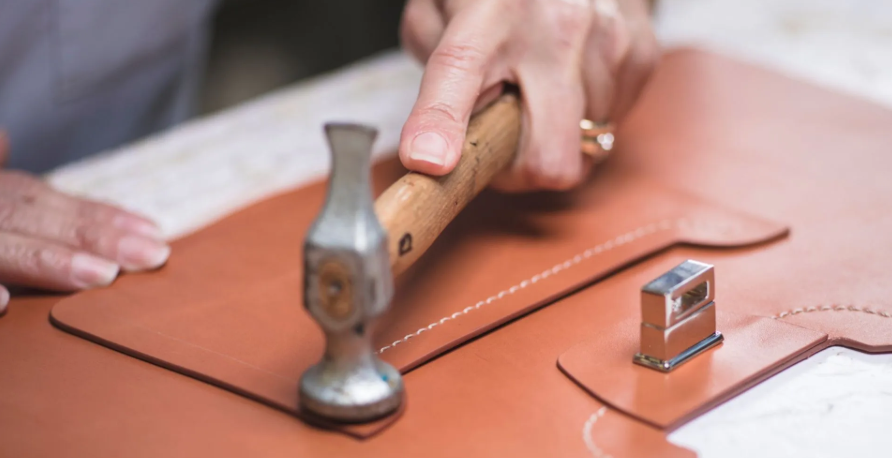
Sampling costs money upfront. But it saves you multiple times that amount during production. The math comes from real manufacturing data and quality control studies.
Stratified sampling for custom tote bag orders gives you clear returns. Testing fabric grades, handle setups, and print methods costs $800-2,500 based on how complex your order is. Skip sampling? You’re betting $15,000-50,000 on bulk production using only digital mockups and what suppliers tell you.
Real efficiency data shows the impact. One study tracked 4,750 sample units across different testing methods. Full stratification sampling hit a 74.2% validation rate. That means three out of four sample insights predicted what happened in bulk orders. Cost per validated data point fell to 11.2 units. Non-sampling methods needed 15.8 units.
The Precision vs. Cost Trade-Off
No-sampling cuts prototype costs to zero. You get exact specs on paper. You skip sample review cycles. But you lose the safety net that catches costly mistakes.
The break-even math is simple: Testing 30-50 custom tote bag prototypes costs $1,200-2,250. Catch one major defect—weak strap stitching, poor print adhesion, wrong sizing—and you prevent $8,000-12,000 in rejected bulk orders. Your return on sampling hits 350-500% from one prevented failure.
Sampling cuts total project costs through smart allocation. Spread samples across fabric types, printing methods, and handle options. This finds the best cost-performance mix before you scale production. One supplier tested three canvas weights (8oz, 10oz, 12oz) through sampling. The 10oz option gave 85% of the durability at 60% of the material cost. That saved $4,200 on a 5,000-unit order.
Precision loss from sampling stays small. Design effect increases from weight variation stay under 9% for good sample protocols. This small statistical trade-off prevents 100% loss from making defective bulk orders without testing.
Time matters too. Sampling adds 14-21 days to your production timeline. No sampling cuts this phase out. But rushed orders without validation face 15-25% higher rework rates. Those correction cycles eat up 30-45 days—double what sampling takes. The speed gain from skipping samples vanishes once defects force emergency fixes.
Conclusion
The sampling stage protects you from expensive mistakes and quality problems that hurt your brand. Spend time and money upfront to check materials, confirm your design, and test how the bags work in real life. This protects your budget and your reputation.
Here’s the key point: a $50-$200 sample investment can save you thousands in wasted bulk bag production costs. You might order 500 bags or 50,000. Either way, sampling lets you catch defects before mass production starts. You see exactly how your design looks in physical form. Plus, you can confirm the final product connects with your target audience.
Don’t gamble with your custom tote bag order. Find manufacturers who take sampling seriously. Tell them exactly what you need. Never approve production until you hold the physical sample in your hands. Your future customers will appreciate the quality. Your bottom line will too.
Ready to start your custom tote bag project the right way? Request detailed samples before committing to bulk production.