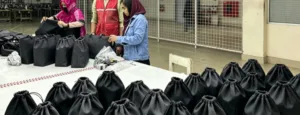
Launching a custom tote bag order should be exciting. But for many businesses, it turns into a frustrating waiting game.
Production delays derail product launches. They miss critical event deadlines. Your bags haven’t even reached the warehouse yet, and customer trust starts to fade.
The good news? Most delays aren’t caused by bad luck. They come from planning gaps you can prevent. Communication breaks down. Brands and manufacturers don’t align their expectations.
You might be ordering 500 bags for a corporate event. Or maybe 50,000 units for retail. Either way, know where pressure builds in the production timeline. This knowledge keeps you on schedule.
This guide covers ten key checkpoints. Lock down designs at the start. Build supplier accountability with payment milestones. These are tactics experienced buyers use. They keep custom tote bag production moving from concept to delivery without hiccups.
Define Requirements Before Tote Bag Ordering

Before confirming your custom tote bag order, clear specifications are essential to avoid delays and extra costs. You should define who will use the bags, then state measurable requirements such as size, fabric thickness, weight capacity, logo resolution, and Pantone colors. Clarify usage conditions, set quality standards for defects, stitching, color tolerance, and delivery time, and finally separate must-have features from optional ones.
Clear requirements upfront save time, reduce revisions, and protect your budget.
Build a Pre-Order Validation Checklist
Before signing any purchase order, walk through this qualification gate:
- Map every stakeholder. Your marketing team wants brand impact. Procurement needs cost control. Event coordinators have drop-dead delivery dates. List them all. Gather input from each.
- Verify specs through multiple channels. Don’t depend on one email thread. Interview your warehouse manager about box quantities. Shadow your retail team to see how they unpack and display totes. Review contracts from past bag orders to catch forgotten details.
- Quantify performance needs. Bags support a product launch? Calculate required inventory (units per store × store count + 15% safety stock). Conference giveaways? Model attendee pickup rates (80–85% claim bags at registration).
- Test understanding with your manufacturer. Send them three sample requirements. Example: “Handles shall support 15 lbs load through 1,000 lift cycles with <1% failure rate.” Ask your supplier to restate specs in their own words. Misalignment surfaces fast.
- Document acceptance criteria per requirement. “Eco-friendly materials” means “fabric contains ≥80% post-consumer recycled content, certified by GRS audit report provided before production.” Print quality? “Submit pre-production sample showing logo clarity. Client approves within 48 hours or production pauses.”
Clear beats fast. Spend three days to sharpen requirements. This prevents three-week delays fixing mistakes mid-production.
Choose the Right Tote Bag Factory Partner

A suitable bag manufacturer isn’t defined by vague claims of “reliability,” but by real, verifiable data. A good leather bag manufacturer has stable quality, with key processes well-controlled, low defect rates, and ISO 9001 certification. They are financially healthy, with sufficient working capital, stable revenue, and ongoing investment in equipment upgrades. Their production capacity matches your growth, able to handle current and future orders, with proven scaling examples. They are logistically reliable, with high on-time delivery rates and efficient inventory management. Only a bag manufacturer that performs well in quality, finances, capacity, and delivery can be a trusted long-term partner.
Simplify and Lock Down Tote Bag Design First
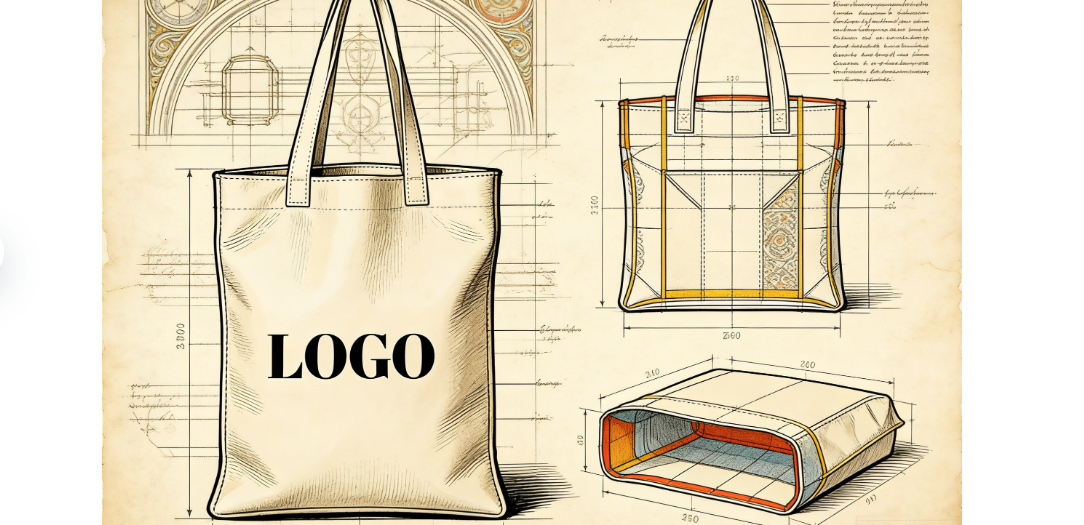
Change a bag design after production starts? Your costs multiply fast. Engineering data shows a modification during design costs your baseline budget. Wait until development phase, and that same tweak jumps to 10× the original cost. Approve changes after manufacturing begins? You’re looking at 100× or more of what it would have cost upfront.
Custom tote bag production follows this curve without mercy. Swap out handle webbing mid-run, and you’ll pay for machine setup, scrapped materials, and operator retraining. Adjust pocket placement after cutting 5,000 panels? Your factory restarts layout templates. They recut fabric. Your delivery date gets pushed back two weeks.
Lock your design decisions before the purchase order goes live. Then resist every urge to tinker.
Manage Sampling and Tote Bag Quality Control Upfront
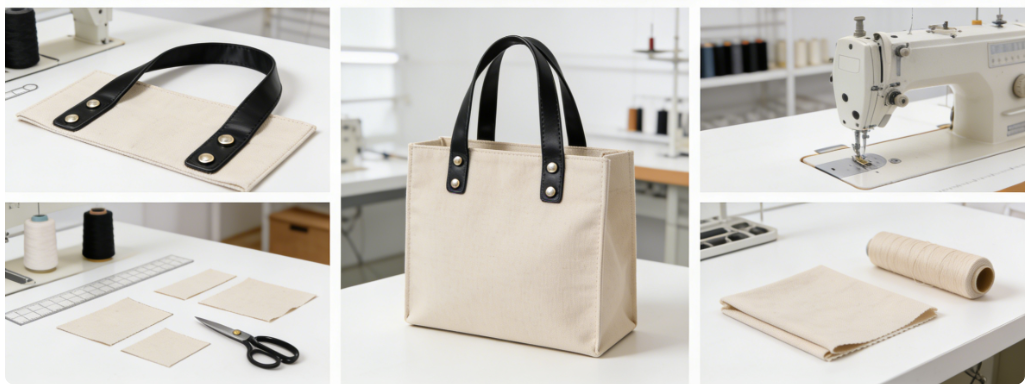
One batch of bad tote bags can wipe out your entire order value. Plus, you lose customer trust. The fix? Don’t catch problems after production. Build your sampling and quality control framework before the first unit rolls off the line.
Your custom tote bag production needs clear quality gates from day one. Instructions like “check quality” mean nothing. You can’t enforce vague rules. Quantify what “acceptable” means. Set clear triggers for stopping production.
Plan Materials and Avoid Tote Bag Supply Shortages
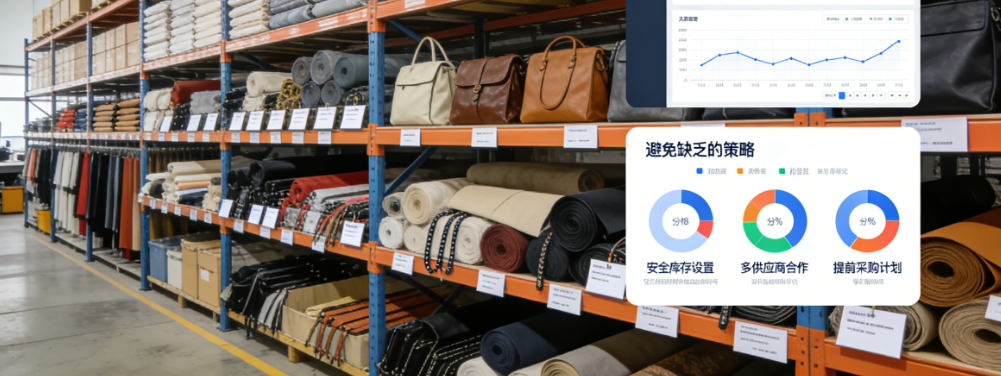
Raw material shortages hit harder than most businesses expect. Supply chain disruptions drain $1.5 million per day across industries. Manufacturing bleeds $610,000 daily when materials don’t arrive. Operating expenses climb 3–5%. Sales drop about 7%. One missing fabric shipment delays your custom tote bag production. It also erases profit margins across your entire order book.
Lead times stretched 25% longer since the pandemic. Raw materials that arrived in 65 days now take 81 days on average (as of October 2024). Your material planning must account for this. Build safety stock around 80+ day lead times. Don’t rely on pre-2020 numbers gathering dust in your ERP system.
Align Production Capacity and Schedule

Production lines work best with the right capacity for your demand. Your leather bag factory can only deliver what your machines allow. Schedule too much? You get bottlenecks, missed deadlines, and wasted resources. Custom tote bag manufacturer requires tight alignment. Match your machines, labor hours, and order volumes.
Close Capacity Gaps Before Production Starts
Overloaded periods? Act fast. Add overtime shifts. Move work to backup machines. Talk to customers about delivery dates. Got underused periods? Pull forward future orders. Schedule preventive maintenance. Cut overtime costs.
Lock your Master Production Schedule with clear start dates, quantities, and resource assignments per SKU. Use finite capacity scheduling. It respects machine limits. It cuts changeover waste. Sequence orders by due date priority. Group similar bag styles together. This cuts setup time.
Use Contracts and Payment Milestones

Contract mismanagement drains 9.2% of annual revenue on average across industries. Poor payment structures create delays in custom tote bag production. Your manufacturer waits for cash to buy fabric. You wait for bags. Everyone loses time and trust.
Structure payment releases around clear milestones, not random calendar dates. Link each payment to specific tasks your factory must complete. This protects both parties. Production keeps moving.
Build Your Milestone Payment Schedule
Break total payment into four phases tied to completion events:
10–20% upfront on contract signing. This funds initial material buying and production setup. Your factory orders fabric, reserves press time, and assigns operators to your job.
20–30% on prototype approval. Release this payment after you inspect and approve pre-production samples. Check print quality, stitching strength, and material specs. Make sure they match your requirements before bulk production starts.
30–40% at major production completion. Trigger this payment after your factory finishes cutting, printing, and assembling the full order. Get inspection sign-off confirming units meet your quality standards before releasing funds.
10–20% on final delivery and acceptance. Hold this portion until bags arrive at your warehouse. Complete final quality audits. Verify quantities match the purchase order. Then release the balance.
Keep Communication and Monitoring Active

Production needs watching. Custom tote bag production moves through each phase smoothly with regular monitoring. Set your review schedule before the first fabric roll arrives.
Set Your Monitoring Schedule
Check production each day during critical phases. Problems get caught in hours, not weeks. Review cutting floor output as your factory processes 5,000 yards of canvas. Track printing runs to ensure logo placement stays accurate. Check packaging operations for multiple distribution centers with different label needs.
Conclusion
Custom leather tote bag production delays don’t just happen. They come from gaps you can prevent—in planning, communication, and oversight. Define your requirements upfront. Partner with vetted factories. Lock down designs before production starts. These steps eliminate the most common friction points.
Add proactive material planning to the mix. Use milestone-based contracts. Keep communication disciplined throughout production. You’ve now built a system that protects your timelines.
A rushed scramble versus a smooth delivery? The difference lies in what you control before production begins. Don’t wait for problems to appear. Anticipate them. First order or scaling an existing line—these strategies form the foundation of reliable custom tote bag production. They’re not optional.
Ready to move forward? Audit your current process against this checklist. Find your weakest link. Supplier vetting? Design approval? Logistics planning? Strengthen it now. Your next order’s success depends on the groundwork you lay today.