
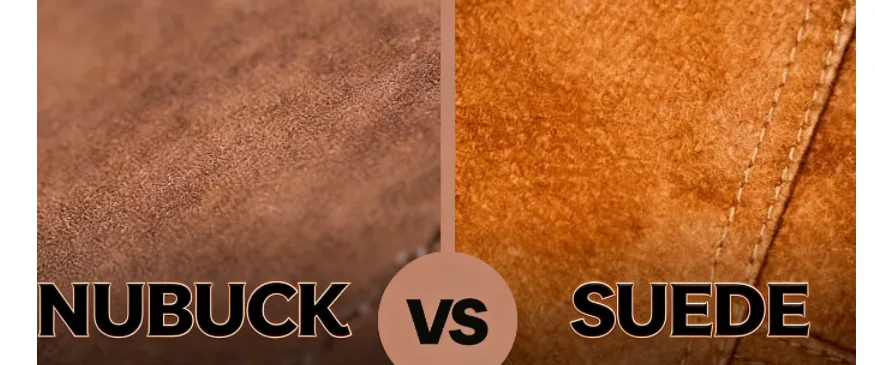
You’re standing in a boutique, torn between two gorgeous bags—one in rich nubuck, the other in velvety suede. Both feel luxurious, but which one holds up to your lifestyle?
Maybe you’ve confused these two materials before. Or you’ve wondered if nubuck vs suede makes a real difference for bags. You’re not alone. They look similar at first glance. But the differences between them affect durability, maintenance, and performance through rain, spills, and everyday use.
Are you investing in a designer leather handbag? Hunting for the perfect weekend tote? Or just curious about leather quality? Understanding these materials saves you from buyer’s remorse. Plus, it helps you choose a bag that matches your style and practical needs.
Let’s cut through the confusion. We’ll discover which leather works better for your next custom bag purchase.
What is Nubuck Leather? Definition and Key Characteristics
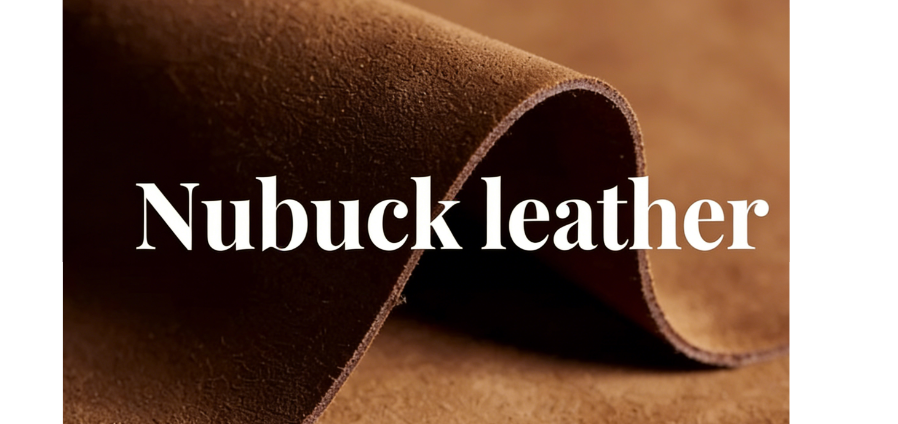
Nubuck leather starts as premium top-grain or full-grain leather. This is the outer layer of cowhide, calfskin, or sheepskin. After tanning, craftsmen sand or buff the grain surface with fine abrasives. This buffing raises a soft nap of short protein fibers. You get that signature velvety texture you feel on a custom nubuck bag.
The texture sets nubuck apart. The buffed surface creates a soft, matte finish, unlike smooth leather. But here’s what many people miss: nubuck keeps the natural grain markings from the hide. Those subtle pores and scars stay visible beneath the velvety nap. Each piece has unique character.
Physical Strength and Performance
The numbers tell an important story about durability:
- Tensile strength: 15-25 MPa—stronger than suede but a bit below unsanded full-grain leather
- Water absorption: Up to 30% of its weight when untreated
- Fiber structure: Fine, tight nap with breathability from natural pores
Nubuck is firmer and more resistant to wear than suede. The grain-side origin creates shorter, denser fibers. These fibers hold up better with regular use.
What Makes Nubuck Distinctive?
- Touch response: The surface darkens as you rub it, then restores with reverse brushing
- Aging pattern: Gets a refined, darkened texture over time—no glossy shine like smooth leather
- Breathability: Natural pore structure lets air flow through
- Color options: Takes dyes well for rich, matte finishes
The trade-off? That beautiful velvety surface stains easier than protected smooth leathers. The exposed nap soaks up liquids and oils fast without proper treatment.
What is Suede Leather? Definition and Key Traits
Suede comes from the underside of animal hides—the flesh side that faces inward. Nubuck uses the tough outer grain layer. Suede starts from the softer interior. Tanners split the hide into layers. Then they sand and buff the flesh side. This lifts short fibers into a fuzzy, velvety nap. The result? A thinner, lighter material with that plush texture you know right away.
The splitting process makes key differences. Suede uses the inner layer. It lacks the dense grain structure of nubuck. You won’t see natural pore marks or hide patterns on suede’s surface. You get a smooth, creamy texture across the entire piece.
Texture and Feel That Define Suede
The touch makes suede easy to spot:
- Surface character: Fine, fuzzy nap with matte finish—no shine or gloss
- Touch response: Creates a “writing effect” when brushed—directional marks appear and fade
- Hand feel: Plush and warm against skin
- Visual appearance: Soft, uniform color without grain variations
Suede feels softer and more flexible than nubuck. The looser fiber structure bends and drapes with ease. This flexibility works great for bags with flowing shapes or gathered details.
How Animal Source Affects Suede Quality
Not all suede performs the same. The animal hide sets the texture, durability, and lifespan:
| Animal Type | Fiber Texture | Durability Level | Best Uses |
|---|---|---|---|
| Cowhide | Coarser, rougher nap | Moderate—textured surface | Everyday bags, general products |
| Calf/Goat | Fine, tight fibers | High tensile strength | Structured handbags, shoes, jackets |
| Sheep/Lamb | Softest, finest nap | Lower—soft but delicate | Light clutches, accessories |
| Pig | Variable texture | Lowest tensile resistance | Budget items |
Calf and goat suede give you the best mix of softness and strength for bags. They resist wear better than lambskin. Plus, they keep that signature plush feel.
Performance Traits
Suede’s physical properties bring both perks and limits:
- Breathability: Great air circulation through open-pored structure—helps control moisture
- Weight: Thinner and lighter than full-grain leather or nubuck
- Color range: High dye absorption creates rich, vibrant color options
- Structural strength: Less tough than grain-side leathers—more prone to scuffs and punctures
The thinner profile means suede bags need proper construction and lining support. Skip the reinforcement? Suede stretches and loses shape faster than nubuck options.
Nubuck vs Suede
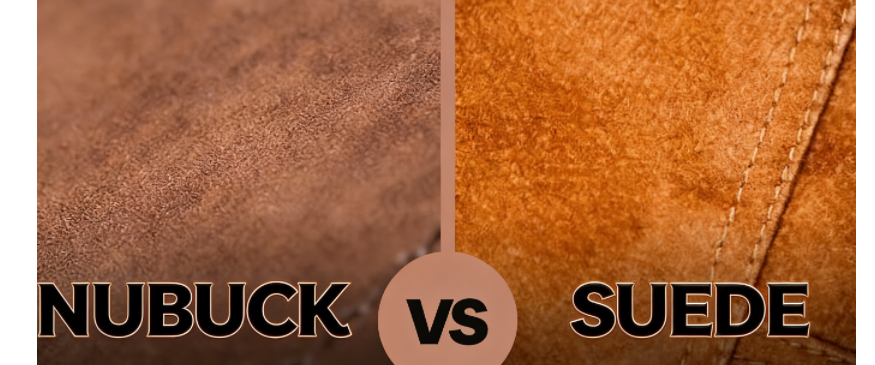
Nubuck and suede differ in real ways. These differences affect how your bag holds up over time. Here’s what matters most for picking between them.
Durability: Which Leather Lasts Longer?
Nubuck wins here. It comes from the outer grain side. This creates stronger fibers that resist stretching and sagging. Your nubuck bag keeps its shape through months of constant use. Those dense fibers handle scratches better than suede’s softer makeup.
Suede marks fast. The inner split layer doesn’t have the same toughness as grain leather. Corners and handles wear down quicker on custom suede bags. Scuffs stick around as permanent marks instead of fading away.
The verdict? Pick nubuck for bags you’ll use often. Save suede for special pieces that won’t get beat up.
Water and Stain Resistance: The Real Challenge
Neither material likes water. Nubuck handles it better though.
Nubuck’s tight grain structure gives moderate resistance to water. Apply protective spray, and it recovers from light rain. Colors bounce back after it dries.
Suede soaks up liquids like a sponge. That porous flesh side pulls water in fast. You get permanent spots and stains that won’t brush out. Coffee spills, rain, and hand oils all leave marks you can see.
Maintenance reality: Suede needs regular brushing and spray treatments. Nubuck needs protection too, just not as often.
Weight and Structure for Bag Construction
Nubuck feels thicker and heavier. This weight creates great structure for handbags. Your bag keeps its shape. No collapsing or slouching.
Suede weighs less but supports less too. The thin profile fits soft clutches or simple designs. Structured bags need extra support. Without good lining and framework, suede bags sag and lose their shape.
Price Comparison: Investment Versus Budget
Nubuck bags cost 20-50% more than similar suede options. This higher price reflects the grain layer quality and tougher processing. Nubuck fits the luxury category.
Suede costs less to get into. You get that soft, velvety look without paying as much.
| Feature | Nubuck | Suede |
|---|---|---|
| Hide Layer | Grain (outer) | Flesh/split (inner) |
| Texture | Fine, tight nap—firmer | Fuzzy, uniform—softer |
| Durability | Higher—resists wear | Lower—marks fast |
| Water Resistance | Moderate (better recovery) | Low (soaks water) |
| Weight/Thickness | Thicker, heavier | Thinner, lighter |
| Price Range | Premium (higher cost) | More affordable |
| Aging Pattern | Develops refined patina | Shows permanent stains/scuffs |
| Maintenance Needs | Occasional brush/spray | Frequent care required |
Bottom line for bags: Nubuck mixes luxury feel with real strength. Perfect for regular carriers like structured handbags or weekend totes. Suede fits special occasion pieces where you control conditions and don’t mind extra upkeep.
Best Bag Types for Nubuck Leather
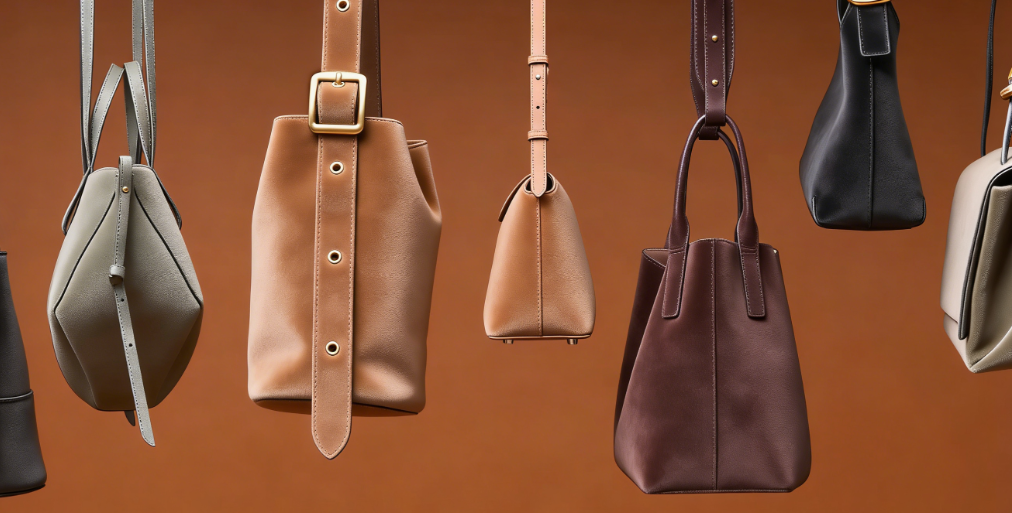
Nubuck works best in structured handbags with rigid frames. The velvety texture looks great on bags that hold their shape. Think boxy satchels, trapeze bags, and classic top-handle designs. The frame carries the weight. Nubuck provides that premium look.
Structured Bags: The Ideal Match
Why structured designs work:
– Rigid construction stops sagging that causes extra rubbing
– Even weight spread across the base prevents warping
– Internal support takes stress off delicate surface fibers
– Frame protection cuts down ground contact and bottom scuffing
These bags hold their shape despite nubuck’s soft nature. Heavy loads won’t collapse the structure or flatten the nap texture. Condition every 3-6 months. Structured nubuck bags handle frequent use well.
Bag Type Performance Reality
Different bag styles face different challenges with nubuck:
| Bag Type | Suitability Level | Key Challenge | Required Care |
|---|---|---|---|
| Structured handbags | Excellent | Water spots from rain | Nubuck brush after each use |
| Crossbody bags | Moderate | Friction wear at contact points | Waterproof spray before wearing |
| Tote bags | Limited | Open top exposes interior to dust/liquids | Dry cloth wipe after use |
| Backpacks | Poor | Heavy loads flatten nap fast | Avoid overloading; brush each week |
Tote bag reality check: The open design makes nubuck totes high-maintenance. Dust settles inside all the time. Liquids splash in during rain. You’ll need to wipe the interior with a soft cloth after every use. That means cleaning after each commute.
Crossbody compact advantage: Smaller size means less surface area touching your body or surroundings. The reduced contact cuts friction damage by about 40% versus larger bags. Use waterproof spray before each wear to protect against unexpected weather.
Backpack warning: Skip nubuck for heavy-duty backpacks. Laptop weight plus books creates constant pressure. This flattens the raised nap within weeks. PurseForum users report nubuck backpacks show visible marks and dirt faster than any other bag type. The delicate surface can’t handle that stress.
Maintenance Protocol for All Nubuck Bags
Follow this routine for any bag style:
- After each use: Dust with soft cloth or nubuck brush (2-3 minutes)
- Each week: Waterproof spray application—hold 6-8 inches away, use light even coat
- Every 3 months: Deep treatment with heavy use (15-20 minutes absorption time, then buff dry)
- Storage rule: Keep in breathable dust bag, never plastic—trapped moisture damages fibers
Product testing safety: Test cleaners and sprays on a hidden area first. The inner pocket seam or bottom corner works well. Wait 24 hours to check for color changes before treating the entire bag.
Real user feedback: Hammitt nubuck purse owners stress proper storage. Dust bag storage keeps that fresh appearance longer. PurseForum members note nubuck shows dirt fast on the raised nap. It’s “not too delicate” but needs consistent maintenance.
Bottom line on bag selection: Choose structured nubuck bags for professional and formal use. The rigid frame support matches nubuck’s luxury look while protecting its vulnerable surface. Avoid backpacks and heavily-used totes unless you’re prepared for intensive care routines.
Best Bag Types for Suede Leather
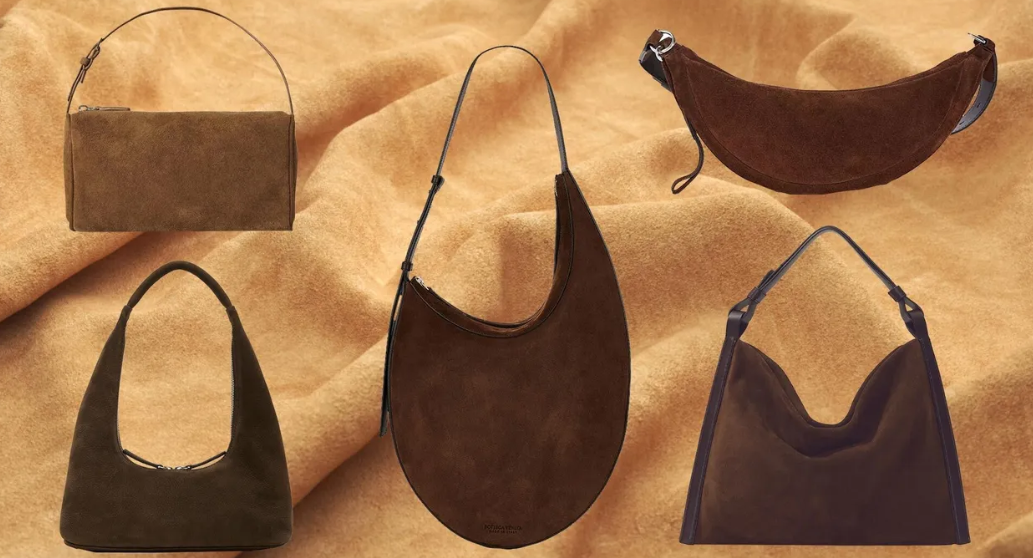
Suede feels soft and light. This makes it great for bags that need to bend and move. The material drapes well. It creates that relaxed, slouchy look you see in 2025 trends.
Slouchy Totes and Hobo Bags: Suede’s Sweet Spot
Totes with flexible bases let suede shine:
- Evity Alexa Leather Suede Tote ($160.30): Oversized rounded shape carries essentials, tech, and books with ease
- JW Pei Hana Medium Faux Suede Tote ($175): Sturdy flat bottom in Dark Olive—supports weight without rigid frame
- & Other Stories Large Suede Tote (€149): Generous size with natural slouch
- M.N.G Garland G Bag ($219.95): Quilted flexible base handles your stuff
Hobo and shoulder bags work even better. The curved shape matches how suede bends:
- Vestirsi Sienna Brown Suede Hobo ($349): Super-soft Italian suede in generous size for comfortable all-day carry
- Saint Laurent Le 5 à 7 Supple Large ($4,490): Tan suede with gold hardware—bestseller since 2021 for good reason
- Osoi Boat Wide Mini ($590): Compact East-West fit tucks under arm with minimal contact
Evening Clutches and Crossbody Options
Clutches need zero structure. Suede’s soft drape creates elegant folds:
- Flattered Clay Suede Clutch: Clean design for fashion occasions
- ASOS Suede Belted Crossover Clutch in Brown: Affordable statement piece
- Elleme Trousse Large Suede Cognac: Versatile with optional crossbody strap
Crossbody and bucket styles fit seasonal trends. They also protect suede from heavy contact:
- All Saints Half Moon Suede Crossbody (€209): Curved silhouette limits ground contact
- JW Anderson Tan Corner Suede Bucket Tote (€750): Trendy shape with practical use
The Lightweight Advantage
Mini and small bags cut contact points by 60% versus large totes. Less rubbing means longer life for delicate suede:
- Small compact designs hold essentials without stress on fibers
- Under-arm carry positions reduce friction against clothing
- Demellier Small Vancouver Mocha Suede: Under €600 for largest size with natural slouch
What to skip: Heavy backpacks, overstuffed totes, and rigid structured bags. Suede can’t handle constant pressure or tight packing. The soft fibers flatten fast under laptop weight or commute loads. Pick slouchy, minimal-contact designs. They let suede’s natural beauty show. Don’t force it into shapes it can’t hold.
Final Recommendation for B2B Buyers: Nubuck vs Suede
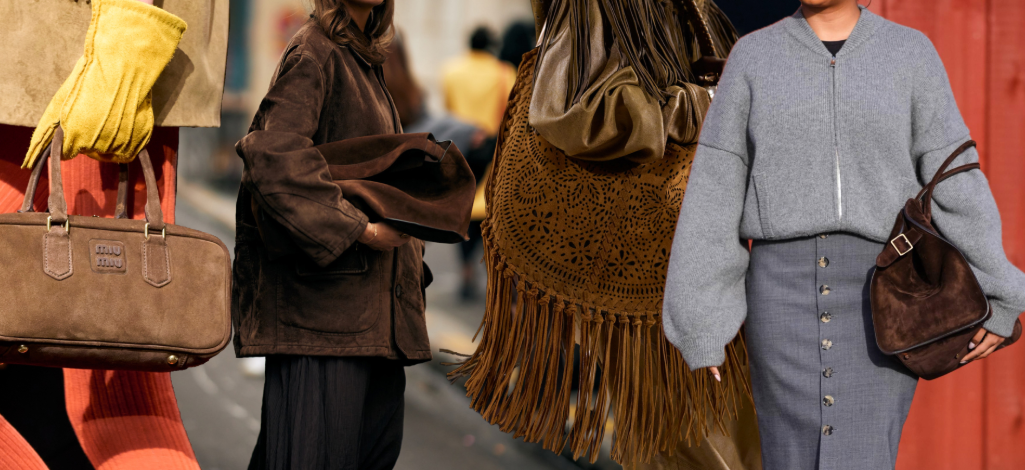
Your clients’ usage drives material choice. Choose based on durability, maintenance, and cost—not just aesthetics.
Nubuck for Everyday & Heavy Use
- High-durability bags for daily wear, travel, or business use
- Handles frequent handling, moisture, and abrasion
- Lower maintenance costs and better long-term resale value
Suede for Fashion-Forward & Occasional Use
- Statement bags, clutches, and seasonal collections
- Soft, lightweight, and trendy
- Suitable for limited wear; lower upfront cost
B2B Checkpoints:
- Expected usage frequency: >3x/week → Nubuck
- Environment: rain/humidity → Nubuck
- Cost analysis: production + maintenance + resale
Bottom line: Nubuck maximizes client satisfaction and durability. Suede works for fashion-focused, low-volume collections.
Conclusion
Choosing between nubuck and suede is not about which material is better, but which one fits your bag’s real usage and brand positioning. Nubuck delivers durability and practicality, while suede brings softness and fashion appeal. The right choice creates better products, fewer returns, and higher customer satisfaction.
At Sunteam, we help you select the most suitable materials for your bag brand. From nubuck to suede and beyond, any material can be customized to match your design vision, market positioning, and performance needs. Let the material work for your brand—not against it.