
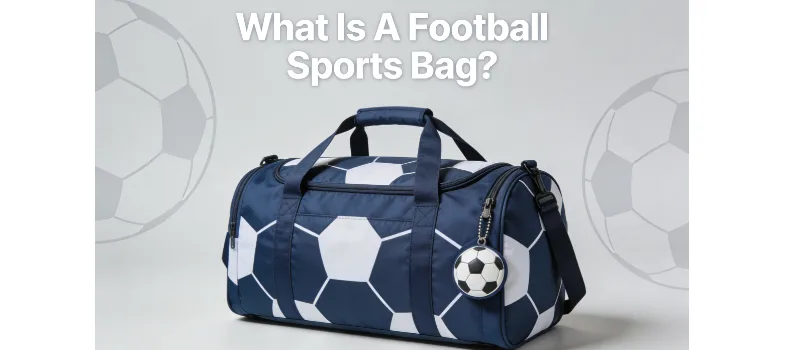
Are you tired of carrying your football gear in a regular bag that just doesn’t fit everything? The best football sports bag is more than just a bag—it’s designed to keep your boots, jerseys, and accessories organized, protected, and ready for action. In this guide, we’ll break down everything you need to know about football sports bags and why every player or sports enthusiast should have one.
What Is A Football Sports Bag?
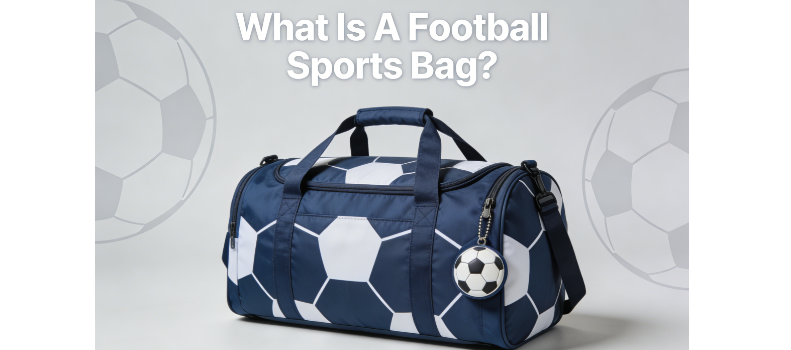
A football sports bag carries complete American or association football gear in one durable unit. Standard gym bags can’t handle this. Football bags use heavy-duty 600-denier polyester or reinforced fabric. This construction handles bulky protective equipment, cleats, helmets, and balls. You get protection, ventilation, and organized storage. Purpose-built compartments prevent damage and stop moisture buildup.
Two distinct categories serve different needs:
-
Player Equipment Bags carry personal gear. Standard sizes run 26–28 inches length × 15 inches width × 15 inches height (about 66–71 cm × 38 cm × 38 cm). The Champro Varsity football bag shows typical specs: 26–28 inches (L) × 15 inches (W) × 15 inches (H). Empty, it weighs 3.45 pounds (1.56 kg). Strong materials, but you can still carry it. Custom duffle formats expand to 28 inches (L) × 24 inches (W) × 13 inches (H). This fits bulky pad stacks. Plus, they fit in lockers and on buses.
-
Ball Transport Bags focus on capacity, not pads. Coach ball bags measure 36 inches (L) × 24 inches (W) × 16 inches (H). They weigh about 3.5 pounds. These hold 12 official-size footballs. Internal dividers separate dry and wet balls. Tournament versions hold 18–20 balls in “one size” setups. Mesh or venting areas reduce moisture during storage.
Critical load specifications:
Full-size equipment bags hold complete player kits. One helmet, shoulder pads (including “300 lb size” lineman gear), hip/thigh/knee pads, jersey, pants, and accessories. Ball bags get rated by ball count. Heavy-duty zippers and reinforced seams handle 10–15+ kg of repeated ball loads.
Construction standards include:
-
Reinforced bottoms with double-stitched or bar-tacked seams. These handle concrete and turf drops.
-
Rugged nylon zippers that resist high-tension closing over bulky contents.
-
Padded, removable shoulder straps plus reinforced handles. Multiple carry modes.
-
Water-resistant 600D polyester that protects gear from weather.
The large primary compartment holds full shoulder pad sets, helmets (often with included drawstring helmet bags), and stacked pad setups. These features separate football bags from general athletic duffels.
Main Types of Football Sports Bags
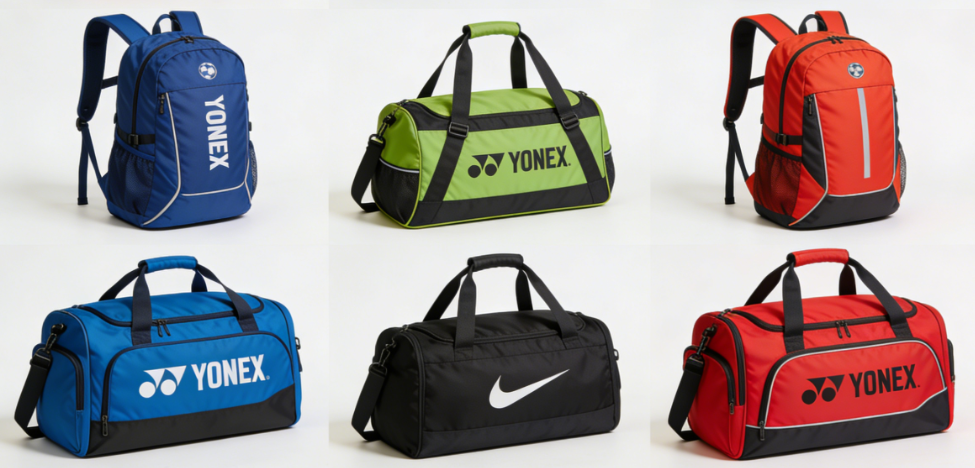
Four bag styles control the football sports bag market. Each solves different carrying and storage problems. Sales data from 2023–2024 shows backpacks take 40–45% of all sports bag sales. Duffles grab 35–40%. Wheeled bags get 10–15%. Specialty designs (sling bags, mesh ball carriers, drawstring sacks) make up the last 5–10%. Pick based on three things: how heavy your gear is, how far you travel, and whether you’re carrying for one player or a whole team.
a. Backpack-Style Football Bags: Hands-Free Mobility

Backpacks give you freedom to keep both hands free. Youth training models stand 45–50 cm tall with 20–30 L capacity. That fits one pair of cleats, a full uniform set, and toiletries. Adult versions grow to 50–55 cm and 30–40 L. You can pack 2–3 pairs of cleats, 1–2 training kits, towels, and shin guards. Extended tactical backpacks reach 40–50 L. They add external ball holders or front mesh pockets for one size-5 football.
Football-specific features make these different from school backpacks:
-
Ventilated cleat compartments: Bottom or side sections hold EU 45–47 cleats with 1–2 metal or mesh vents. This stops odor buildup. Most hold one pair. Premium models fit two.
-
Wet/dry separation bags: Internal 3–5 L waterproof pouches (PU or TPU lining) keep sweaty jerseys away from dry clothes and electronics.
-
Ball-securing systems: Front zippered nets store one ball. They collapse flat after you remove the ball. Some designs use elastic cords or compression straps. These lock a size-5 ball to the outside.
-
Ergonomic load distribution: Shoulder straps run 6–8 cm wide with 6–10 mm backpack foam padding. Back panels have 2–3 segments of breathable foam plus mesh. High-end versions add chest clips and hip belts for long walks or bike rides.
Who uses backpack football bags?
Middle school, high school, and college players buy these the most. On campuses, over 50% of student athletes pick backpacks. They hold school books, training gear, and commute items in one bag. Adults who bike, ride public transit, or walk over 500 meters to fields want hands-free carry. Total load stays under 8–10 kg? Backpacks beat duffles for comfort and ease of movement. Non-goalkeeper players carry one ball, one uniform, and one pair of cleats. They find 30–40 L backpacks just the right size.
b. Duffle/Holdall Bags: Maximum Capacity and Quick Access
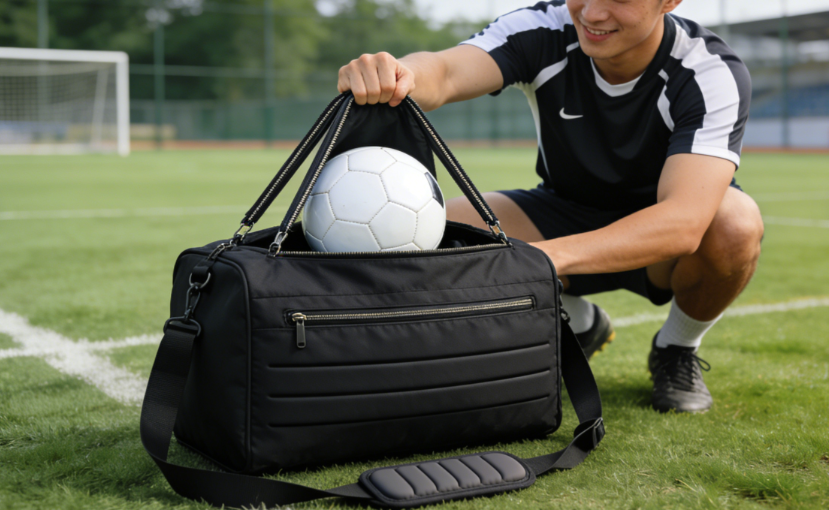
Hand-carry duffles with removable shoulder straps hold 35–50 L for personal training and weekend games. These measure 50–60 cm long. They fit 1–2 uniform sets, 1–2 pairs of cleats, and toiletries. Frequent away games or multi-day tournaments? You need bigger versions: 60–75 cm length and 50–65 L capacity. Team equipment holdalls go even bigger—80–120 L. They carry gear for multiple players or bulky coaching supplies.
Construction priorities in football duffles:
-
Wide U-shaped or D-shaped openings: Full-length zippers expose the entire main section. You grab helmets, shoulder pads, or stacked uniforms. No need to unpack everything.
-
Reinforced backpack grab handles and backpack padded shoulder straps: Handles use double-stitched webbing rated for 15+ kg loads. Removable shoulder straps let you switch between hand-carry and single-shoulder modes on the go.
-
Multiple exterior pockets: Side mesh pockets hold water bottles. Front zippered sections keep wallets, phones, and keys away from dirty gear.
Duffles work best for these situations:
-
You drive straight to the field or walk short distances (under 300 meters). Hand-carry works fine. No shoulder strain.
-
You need quick access to specific items during warm-ups or halftime. Top-loading duffles beat backpacks for speed.
-
You’re a goalkeeper or lineman carrying oversized pads, extra gloves, or backup helmets. Duffle interiors don’t have rigid compartments that limit backpack space.
c. Wheeled Football Bags: Heavy-Duty Team Transport
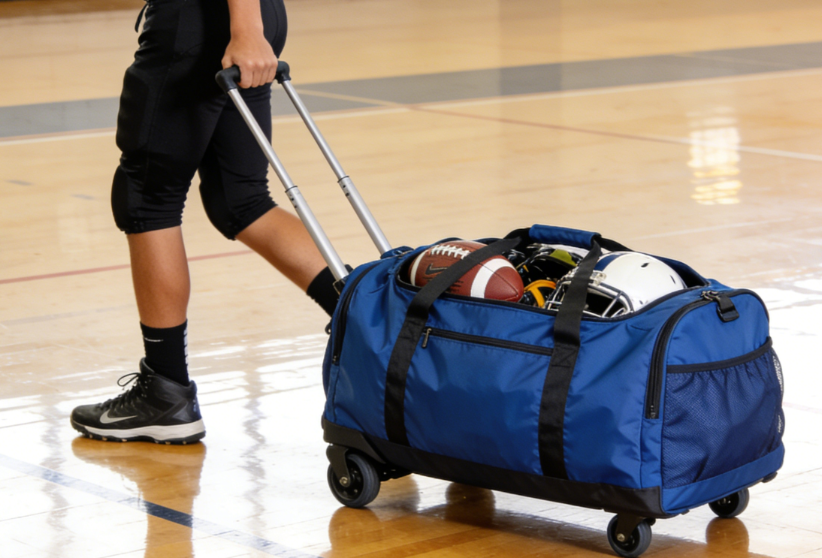
Wheeled duffles and rolling suitcase styles solve one issue: moving 10+ kg of gear without hurting your shoulders or back. Team versions measure 70–90 cm long with 100–150 L capacity. These hold complete pad sets for multiple players, 12–20 footballs, coaching boards, and hydration supplies. Inline skate-style wheels (two or four per bag) roll well over concrete, turf, and gravel parking lots.
Key structural elements:
-
Telescoping handles: Retractable handles extend 80–100 cm for easy rolling posture. Aluminum or reinforced plastic frames stop wobbling under heavy loads.
-
Hybrid carry systems: Wheeled bags still have padded shoulder straps and grab handles. Stairs or narrow locker room aisles? You lift and carry for short distances.
-
Reinforced base panels: Hard plastic or rubberized bottom plates protect contents during rough handling. Bar-tacked stress points keep wheel mounts from tearing loose.
Wheeled bags take 10–15% of market share. They meet specific needs. Equipment managers, traveling teams, and players with chronic back issues rely on wheels. Your gear tops 12 kg or you haul supplies for five or more players? Wheeled formats cut physical strain by 60–70% versus shoulder-carry options.
d. Specialty Formats: Ball Bags, Slings, and Mesh Carriers
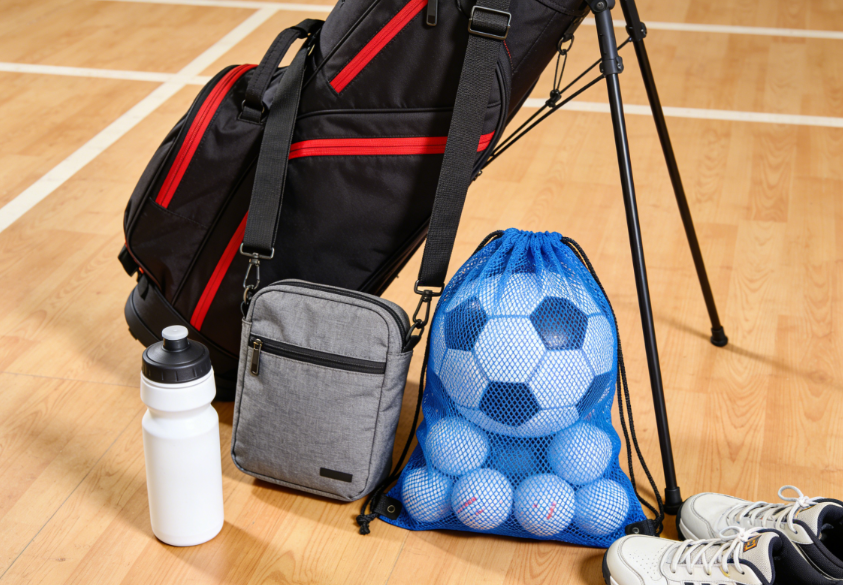
Drawstring mesh bags for ball transport hold 8–15 footballs in one light sack. Coaches use these during practice drills. Total capacity stays under 25–30 L for balls alone. Sling bags (single diagonal strap) offer 15–20 L space for minimal gear—one pair of cleats, a jersey, and small personal items. Tote-style bags with short handles work for quick gym visits or post-match showers. These formats fill 5–10% of sales. They serve players who need ultra-portable options or extra storage beyond their main bag.
How durable and practical are soccer bags?
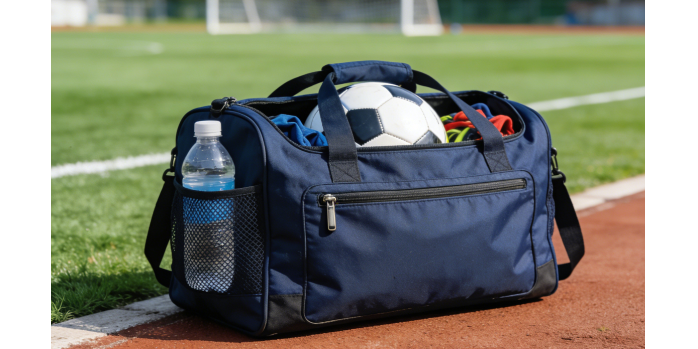
Football sports bags rely on four key elements: strong fabric, reinforced stress points, quality hardware, and smart compartments. These features protect your gear and make pre-game and post-game routines easier.
Fabric Strength and Water Resistance: The Foundation
The material decides how long your bag lasts. Entry-level football bags use 600D polyester with basic PU coating. Mid-range options step up to 900D polyester or 1680D ballistic nylon. The “D” means denier. Higher numbers mean thicker, stronger fibers. A 900D bag survives 2–3 seasons of regular use. Premium 1680D versions last 4–6+ years under the same conditions.
Different coatings offer different water protection:
-
PU (polyurethane) coatings at 1500–3000 mm water column ratings handle light rain and sweat. Most player bags use this.
-
TPU (thermoplastic polyurethane) laminates reach 3000–5000 mm ratings. They block heavy rain during outdoor storage or wet field conditions.
-
PVC-backed fabrics give maximum waterproofing but add weight. Coach ball bags that sit on wet turf for hours use these.
Thread density at seams matters. Quality bags have 8–12 stitches per inch at stress zones. Double-stitched seams with bar-tack reinforcement at handle points prevent tearing. This matters most with 10+ kg of soaked gear.
Ventilated Cleat Compartments: Odor Control Through Airflow
Bottom or side shoe sections need 80–120 cm² of ventilation per compartment. This airflow drops humidity 30–40% within 30–60 minutes after storing wet cleats. Polyester or nylon mesh panels with 120–220 g/m² weight balance strength and breathability.
Mesh durability benchmarks:
-
Tensile strength targets: ≥600–800 N/5cm lengthwise, ≥400–600 N/5cm crosswise. This stops cleat spike punctures during rough handling.
-
Abrasion tests: Quality mesh survives ≥10,000 Martindale cycles without tearing. Premium versions exceed 20,000 cycles.
Some bags add antimicrobial linings with silver ions or treated polyester. Good treatments show ≥90% bacterial inhibition in lab tests. What does this mean for you? Less odor after 10–15 uses without washing the bag interior.
Wet/Dry Separation: Protecting Valuables from Moisture
One sweaty match creates jerseys and socks holding 150–200% of their dry weight in moisture. Store that next to your phone or wallet? Water damage becomes a real risk.
Wet compartment construction standards:
-
Independent waterproof liners: TPU or PVC-coated polyester, 0.15–0.3 mm thick, with 3–5 L capacity. Fits one full uniform set plus towel.
-
U-shaped or L-shaped side pockets: Zipper openings ≥25–35 cm long for one-handed access during quick gear changes.
-
Static water pressure ratings: 1500–3000 mm H₂O blocks sweat and light rain. 3000–5000 mm handles extended wetness.
-
Sealed seams: Taped or welded seam construction stops leaks. Un-taped stitching fails after 30+ minutes of continuous water contact.
Play 1–2 times per week? Dry/wet separation becomes essential protection for electronics and documents you carry with your football gear. This isn’t just a nice feature anymore.
Multi-Zone Organization: Speed and Protection
Compartment-specific design cuts search time and protects gear:
-
Guard pockets (1–2 L volume): Dedicated sections for shin guards, knee pads, and small protective items. Hard plastic won’t scratch phones or sunglasses.
-
Semi-rigid padding (2–6 mm EVA or EPE foam): Interior panels protect against cleat spikes and hard equipment edges during transport.
-
External quick-access pockets: Front zippered sections (0.5–1 L) keep keys, IDs, and energy gels separate from dirty gear. Grab these without opening the main compartment.
Good internal dividers cut post-practice pack-up time by 40–50%. You know where each item goes. No digging through mixed piles of clean and dirty clothing.
Football Bag’s Popular Brands

Nike, Adidas, and Puma lead global football bag sales. They offer specialized product lines that balance capacity, durability, and sport-specific features. Each brand targets different player segments. They use distinct design ideas and price points.
Nike Football Bag Collections: Training-Focused Design
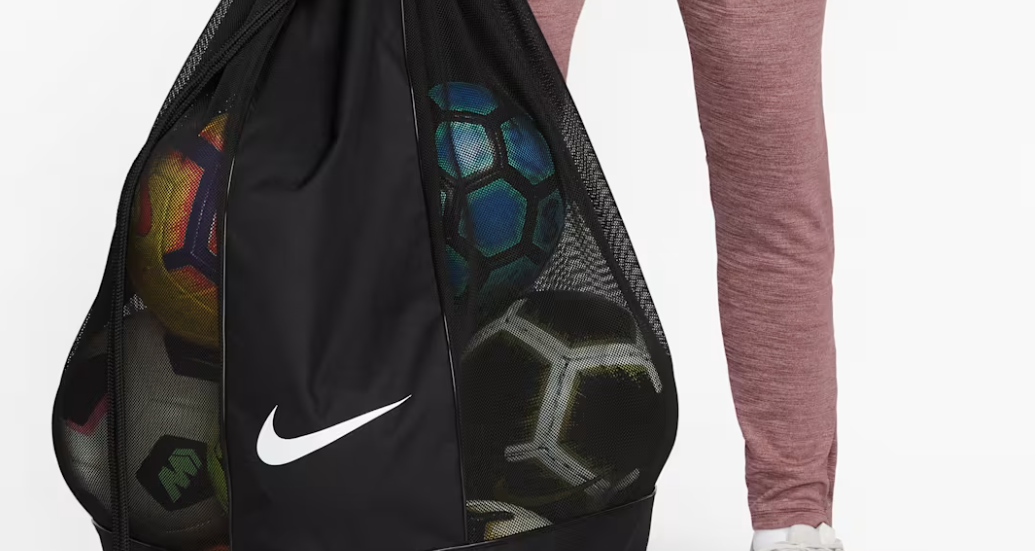
Nike Academy Team series offers dual-purpose backpacks and ball bags with 25–30 L capacity. The main compartment fits one size-5 football plus training essentials. Independent shoe sections hold EU size 42–43 cleats with ventilation ports. Nike Brasilia series expands the range with 24 L, 30 L, and 40 L options. The 40 L version carries one match ball, complete uniform sets, shin guards, and towels in a single load.
Nike focuses on wet/dry separation. Bottom or side compartments keep muddy cleats away from clean clothing. Ventilation openings reduce moisture buildup after matches. Most models use 600D–900D polyester with water-repellent coatings. These handle light rain and sweat exposure.
Adidas Football Bags: Team Equipment Focus
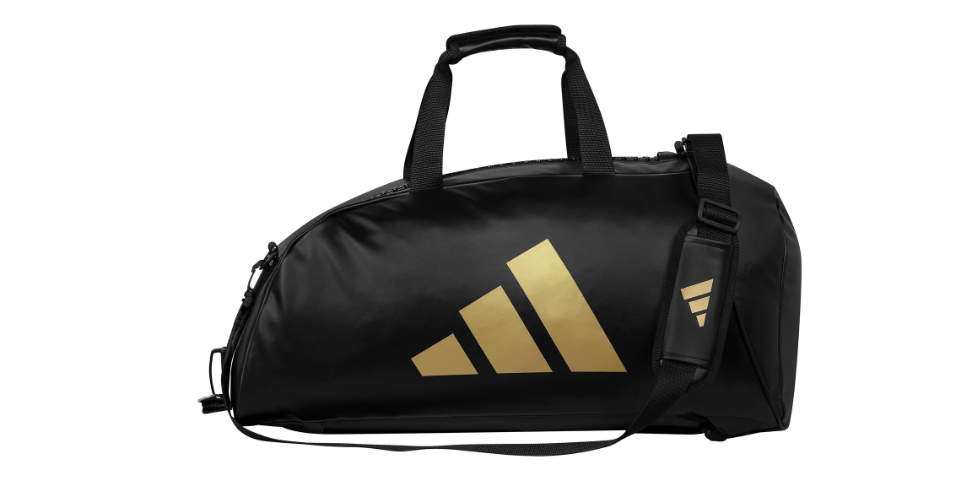
Adidas Tiro series serves team training needs with 25–40 L capacity options. Backpack versions hold 28 L. Duffle and travel formats reach 40–50 L for multi-player gear transport. The Tiro line uses bottom-zipper shoe compartments plus top-loading main sections. Side mesh pockets secure water bottles or small balls during commutes.
Adidas Predator and X specialty shoe bags offer 10–15 L compact storage for cleats and small accessories. These appeal to players who carry footwear apart from full training kits. Signature models use team-branded colors that match Adidas cleat collections.
Puma Football Bags: Lightweight Portability

Puma Teamgoal and Teammfinal collections deliver 25–35 L training backpacks with independent shoe storage. These target youth and amateur teams seeking affordable group purchases. Puma IndividualRISE series focuses on compression and lightweight build in 20–30 L formats. Players who bike or walk long distances choose these for less shoulder strain.
Puma ball bags feature wide U-shaped zippers with bottom shoe compartments. This layout speeds up team equipment access during warm-ups. Coaches managing 10–15 players find the quick-access design cuts setup time by 30–40%.
Specialist Brands: Mizuno, Umbro, and Erreà
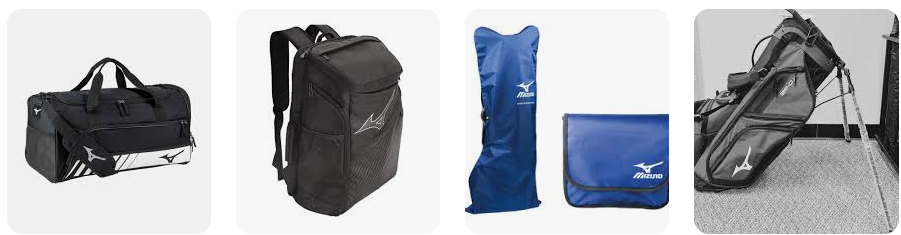
Professional football equipment brands use three-zone structures: main compartment for balls and uniforms, dedicated shoe section, and waterproof wet-gear pocket. Mizuno and Umbro add specific features for competitive players. These include shin guard pockets, tablet sleeves for tactical analysis, and ID/phone protective compartments.
Team customization options include removable name tags and number panels. Club managers order bulk quantities with silk-screened or heat-transferred logos. Materials upgrade to 1000D nylon or ballistic polyester with TPU reinforcement. Reinforced bottoms with rubber pads handle 10–15 kg loads across concrete and turf surfaces. Premium YKK zippers withstand frequent opening in dusty field conditions.
Reflective strips or logos increase visibility during evening training commutes. This is a standard safety feature in European and Japanese markets.
Value Brands: Decathlon and Direct-to-Consumer Options
Budget football bags from Decathlon and Chinese e-commerce brands occupy the ¥79–199 RMB price range ($11–28 USD). Best-sellers cluster at ¥99–149. Sales reach thousands to tens of thousands of units each month on Tmall, JD.com, and Pinduoduo platforms. These use 420D–600D polyester with basic PU water resistance. Construction quality supports 1–2 seasons of regular use. Premium brands last 3–5+ years. Players on tight budgets or parents buying for growing youth athletes drive this segment’s 15–20% market share.
Conclusion
A custom football sports bag may look simple, but the right one makes every training session or match day easier, cleaner, and more organized. With the right compartments, durable materials, and smart features, it becomes an essential part of every player’s routine.
If you’re planning your next bag collection or need a reliable manufacturer for sports bags, Sunteam can help you manufacture high-quality designs with custom materials and functions. Feel free to reach out anytime.