PU leather has become one of the most widely used materials in the bag industry, appearing in handbags, wallets, accessories, backpacks, and even travel bags. Its versatility, color range, and affordability make it a popular choice for brands, but the quality of PU leather can vary significantly.
Choosing high-quality PU leather is essential for ensuring durability, maintaining the bag’s appearance over time, and supporting the overall brand image. For designers, buyers, and sourcing managers, understanding how to evaluate PU leather can directly impact customer satisfaction and long-term product performance.
This guide provides practical tips to help brands make smarter material decisions when working with their suppliers. As a professional PU leather bag manufacturer serving global clients, Sunteam understands the importance of selecting the right PU material to achieve the perfect balance of aesthetics, durability, and cost.
What Is PU Leather?
History of PU
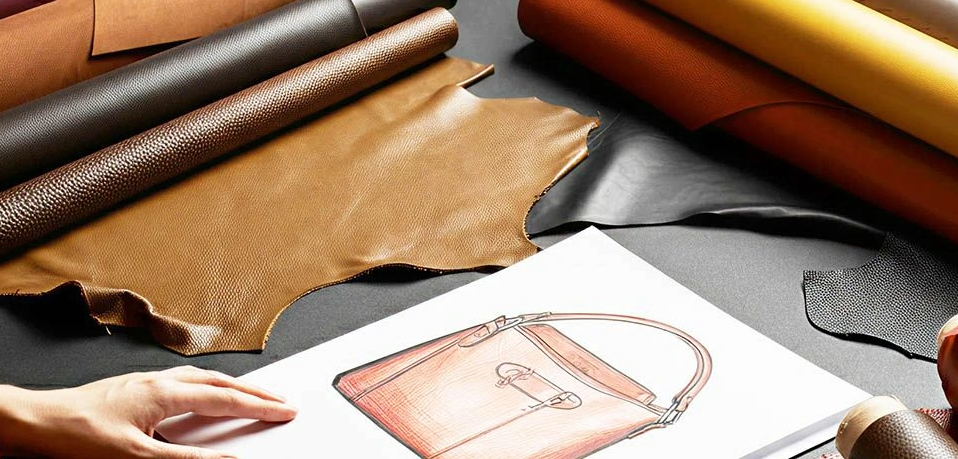
PU (Polyurethane) leather began gaining popularity in the mid-20th century as an alternative to genuine leather. As chemical and coating technologies advanced, PU rapidly improved in softness, durability, and environmental performance. Today, it has become one of the most widely used materials in the global bag industry and is favored by brands for its consistency and versatility.
Structure & Composition of PU Leather
Structure
PU leather typically consists of three layers:
-
Top PU coating – determines the texture, gloss, water resistance, and overall appearance.
-
Foam layer – provides softness, elasticity, and comfort during use.
-
Fabric backing (knitted or woven) – enhances stability, tensile strength, and durability.
This layered structure allows PU to be highly adaptable in manufacturing. It can be made soft, semi-soft, or firm, making it suitable for various bag categories.
Composition
The main component of PU leather is polyurethane, combined with solvents, color pigments, plasticizers, and other additives.
With technological advancements, more eco-friendly PU types—such as water-based PU and solvent-free PU—have become available. These materials reduce VOC emissions while maintaining excellent hand feel and durability, helping brands meet modern environmental standards such as REACH, RoHS, and CA65.
Common Applications
Due to its stability and wide design possibilities, PU leather is commonly used in:
-
Wallets and cardholders
-
Backpacks and business bags
-
Luggage and travel bags
-
Small accessories such as cosmetic pouches, key holders, and passport holders
Its wide range of textures and colors makes it ideal for seasonal collections and trend-driven product lines.
PU vs. Genuine Leather
|
Feature |
PU Leather |
Genuine Leather |
|---|---|---|
|
Appearance |
Wide range of colors and textures |
Natural, inconsistent grain |
|
Thickness uniformity |
High |
Variable |
|
Weight |
Lighter |
Heavier |
|
Durability |
Medium to high |
Very high |
|
Cost |
Lower |
Higher |
|
Eco-friendliness |
Water-based PU options available |
Depends on tanning process |
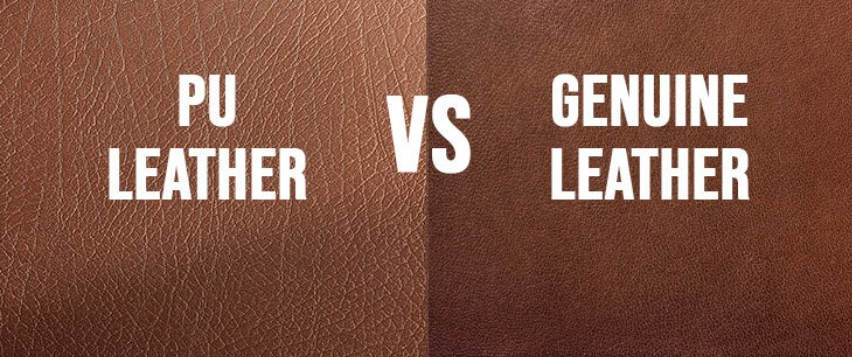
For brands seeking a balance between cost, appearance, and consistency, high-quality PU leather is an excellent choice.
Advantages of PU Leather
-
Lightweight – ideal for everyday bags and travel bags.
-
Cost-effective – supports large-scale production and seasonal product updates.
-
Rich color and texture options – from matte and glossy to pebble, saffiano, and wax finishes.
-
Excellent production consistency – low color variation and stable performance across batches.
High-quality PU leather offers an outstanding combination of aesthetics, durability, and manufacturing efficiency, making it a preferred material for modern bag collections.
Why Choosing High-Quality PU Matters for Bag Production

Selecting high-quality PU leather is one of the most critical decisions in bag manufacturing. The material directly influences the product’s appearance, durability, and customer experience—factors that ultimately shape a brand’s reputation in the market.
1. Superior Hand Feel, Gloss, and Overall Aesthetics
High-quality PU leather offers a smoother surface, refined grain, and consistent gloss. These visual and tactile qualities define the first impression of your product. Whether a brand aims for a soft, matte finish or a structured, polished look, premium PU provides better control and predictability, ensuring the final bag matches the intended design.
2. Better Flexibility and Fold Resistance
Durability is a key concern for every bag. Good PU leather can withstand repeated bending and folding without cracking or showing “white crease” marks. This is especially important for products such as wallets, backpacks, and daily-use handbags that undergo constant movement. High-grade PU ensures long-term performance and reduces customer complaints.
3. Strong Impact on Brand Image
Consumers often judge a brand by the quality of its materials. PU that peels, cracks, or fades can quickly damage brand perception, even if the design is appealing. On the other hand, using high-quality PU sends a clear message of reliability and craftsmanship, enhancing customer trust and increasing repeat purchases.
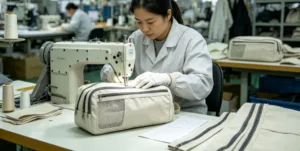
4. Improved Performance During Production
Material quality doesn’t only affect the final product—it also impacts the manufacturing process.
High-quality PU offers:
-
Smoother cutting
-
Cleaner, more precise stitching
-
Stronger seam performance
-
Better edge finishing and folding
When the material behaves consistently in production, factories can maintain stable efficiency and reduce wastage, helping brands keep costs under control.
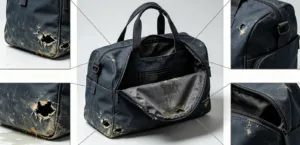
5. Avoiding the Risks of Low-Quality PU
Low-grade PU may seem cost-effective at first, but it carries significant risks:
-
Cracking after a few months of use
-
Peeling or flaking, especially in humid climates
-
Strong chemical odors, affecting customer experience
-
Color fading or uneven surface, which can harm product appeal
-
Higher defect rates and returns
For brands producing on a seasonal or long-term scale, these issues can lead to significant losses—in both money and reputation.
Tip 1: Check Surface Smoothness & Grain Consistency
-
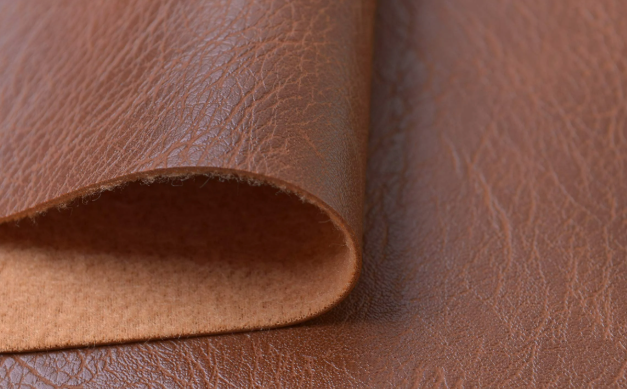
Inspect the PU surface for uniformity, ensuring there are no uneven textures, pinholes, or scratches.
-
Confirm that the texture matches your brand’s desired look, whether smooth, matte, or embossed.
-
Consistent surface quality is crucial for luxury-feeling products and ensures better dyeing and finishing results.
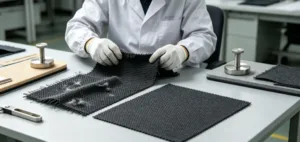
Tip 2: Test Flexibility and Fold Resistance

-
Bend or fold the PU leather 20–50 times to observe if white creases or cracks appear.
-
High-quality PU should maintain its structure and softness without surface damage.
-
This test helps determine suitability for different products: soft PU for handbags and structured PU for wallets or luggage.
Tip 3: Check Thickness & Backing Material

-
Standard PU thickness ranges from 0.7 mm to 1.2 mm, though thicker options exist for heavy-duty bags.
-
Examine the backing material: knitted fabric offers stretch and flexibility, while woven fabric provides more stability and strength.
-
Choose backing based on product type: sturdy woven backing for backpacks and travel bags, and flexible knitted backing for fashion handbags.
Tip 4: Evaluate Color Fastness
-
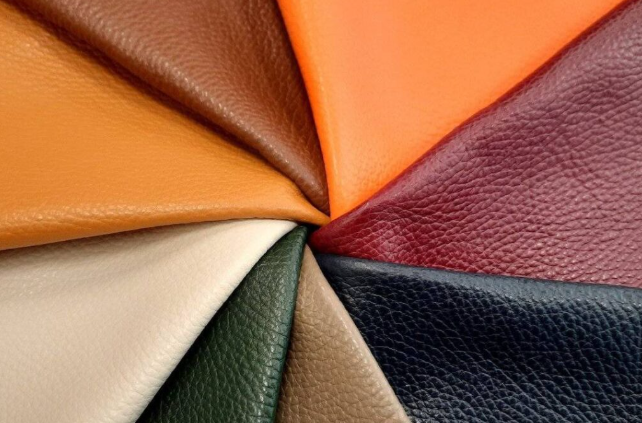
Conduct friction (rub) and sunlight exposure tests to ensure color does not fade or transfer.
-
Deep or vibrant colors are more prone to bleeding, so high-quality PU should retain color over time.
-
Color consistency is vital for batch-to-batch bag production, especially for seasonal collections.
Tip 5: Smell Test – Low Odor Means Higher Quality

-
Premium PU leather has minimal chemical odor, enhancing the unboxing experience for end customers.
-
Low-odor PU is also more environmentally friendly and helps meet international standards such as REACH, RoHS, and CA65.
-
A strong chemical smell often indicates poor-quality PU, which may degrade faster and harm brand perception.
Tip 6: Check the Coating Quality
-
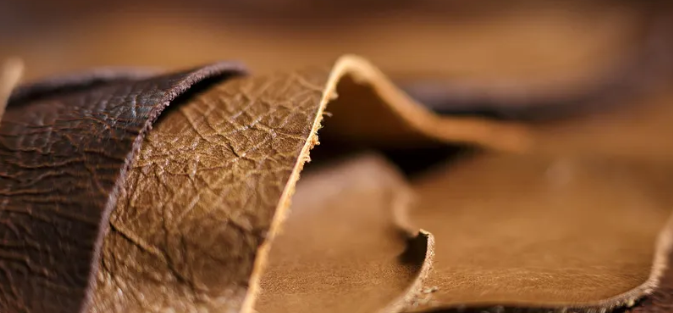
Inspect the top PU coating for evenness and smooth gloss.
-
A consistent coating improves scratch and wear resistance, extending the product’s lifespan.
-
Uneven coatings can cause color inconsistencies, poor folding performance, and lower durability.
Tip 7: Work With Experienced PU Leather Manufacturers
-
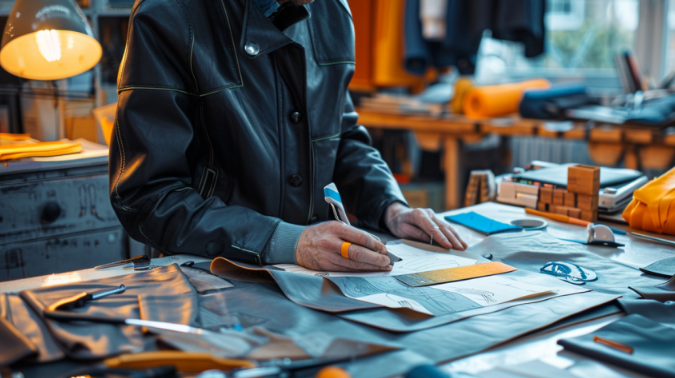
A reliable manufacturer ensures a stable supply, consistent quality, and lower defect rates.
-
Long-term collaboration helps maintain batch-to-batch consistency, especially for large-scale production.
-
Sunteam works with certified PU suppliers and conducts strict quality checks to ensure stable performance across production runs, helping brands produce durable, visually appealing, and high-quality PU leather bags.
Which PU Grades Are Best for Different Bag Types?

Choosing the right PU leather grade can make a significant difference in both the look and durability of your bags. Different products have unique requirements, so understanding the ideal thickness, texture, and coating is key for successful bag production.
-
Fashion Handbags – Soft-touch, matte PU with a thickness of 0.9–1.1 mm is ideal. It provides a luxurious feel, flexibility, and smooth surface for embossed or printed designs, making the bag visually appealing while remaining comfortable to carry.
-
Backpacks – For backpacks, thicker PU leather (1.2 mm or more) is recommended. It offers higher durability and resistance to wear and tear, ensuring the bag can handle heavier loads and daily use without deforming or cracking.
-
Wallets & Small Leather Goods – Firm PU leather with good structure is preferred. This grade helps maintain the shape of the wallet or cardholder while providing a premium feel. It also supports precise stitching and clean edges, essential for small items where detail matters.
-
Travel Bags – Scratch-resistant PU is best for travel bags. These bags undergo frequent handling and exposure to rough surfaces, so a durable coating that resists abrasions and maintains color consistency ensures a longer lifespan and better customer satisfaction.
By selecting the appropriate PU grade for each bag type, brands can achieve the perfect balance of appearance, durability, and functionality, while minimizing production issues and returns.
Conclusion
Choosing high-quality PU leather is essential for the success of any bag collection. It not only affects the product’s appearance, durability, and customer experience but also reflects the overall brand image. By following the seven tips outlined in this guide—evaluating surface quality, flexibility, thickness, color fastness, odor, coating, and working with experienced manufacturers—brands and sourcing managers can make more informed decisions and reduce production risks.
Selecting the right material is more than a production choice; it is a strategic step that defines the identity and reputation of your brand. If you need support choosing PU for your next bag collection, Sunteam is here to help with material sourcing and sample development. Our experienced team ensures that your products meet both aesthetic and functional standards while maintaining consistency across large production runs.
FAQ
Q1: How long does high-quality PU leather last?
High-quality PU leather can last several years with proper care. Premium PU resists cracking, peeling, and fading better than lower-quality alternatives.
Q2: Is PU leather suitable for luxury bags?
Yes, modern PU leather, especially high-grade options with soft-touch finishes and structured backing, can create premium-feeling luxury bags while being more cost-effective and lightweight than genuine leather.
Q3: What’s the difference between vegan leather and PU leather?
PU leather is a type of synthetic leather made from polyurethane, while vegan leather is a broader category that may include PU, PVC, or plant-based materials. High-quality PU is often preferred for its durability and consistent appearance.
Q4: What PU thickness is best for handbags or wallets?
Handbags typically use 0.9–1.1 mm PU for flexibility and aesthetic appeal, while wallets and small leather goods require firmer PU for structure and precise stitching.
Q5: Does PU leather crack easily?
Low-quality PU can crack over time, especially under frequent bending or exposure to sunlight. Choosing high-quality PU with proper coating and backing significantly reduces this risk.