
Your first sample arrives three weeks late, the stitching wanders, and the “genuine leather” feels like plastic. For a new brand, that kind of start can drain a launch budget before a single bag is sold. Choosing a reliable leather bag manufacturer for private label comes down to knowing what to check before you commit. This guide covers the steps to source with confidence, from defining your product specs to vetting a factory, and explains how the right OEM partner protects your quality, timelines, and margins. It also answers common questions along the way, so you can move from idea to market with fewer costly surprises.
Steps to Choose a Reliable Leather Bag Manufacturer | Complete Sourcing Guide
Follow these ten steps in order, and most sourcing risks show up before you pay a deposit.
Step 1: Lock your requirements and prepare a tech pack
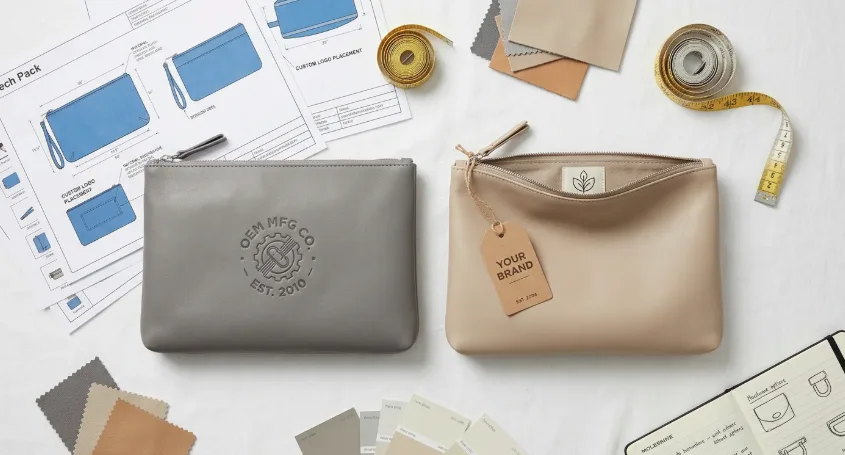
Draft a one-page leather bag tech pack before contacting any factory. Paired with a BOM sheet, this gives custom leather bag OEM suppliers the exact details they need for a precise quote. Here is what to include:
- Product Identity: Define the core style first—is it a tote, crossbody, backpack, or clutch? Include your target launch date and season. This sets the project’s scope.
- Commercial Targets & Capacity: Establish your target retail price (e.g., US$149) and sales channel. Outline capacity needs, like whether the bag must hold a 13-inch laptop or daily essentials.
- Dimensions & Tolerances: Specify height × width × depth, handle drop, and strap length. A practical starting tolerance is ±0.5 cm for major dimensions to prevent sizing disputes.
- Leather Selection: Don’t just say “leather.” Specify the type (cowhide, calfskin), grade (full-grain, top-grain), tannage, and thickness (e.g., 1.4–1.6 mm).
- Finish & Internal Structure: Detail the surface finish (pebbled, smooth, saffiano) and color (Pantone). For the inside, specify the lining material, foam, and reinforcements so the bag holds its shape.
- Hardware & Zippers: Outline the metal type, plating color, and whether components are custom or stock. For zippers, note the brand, size (#3 or #5), and puller design. These details drive perceived value.
- Stitching & Branding: Define thread size, stitches per inch, and branding methods (embossed, foil, metal logo) along with precise positioning.
- Packaging & Quality Standards: List your packaging needs (dust bags, barcodes, polybags) and acceptable defect limits for things like surface scratches or seam strength.
Step 2: Define your production model and location
Before reaching out to suppliers, you must define your manufacturing strategy. Buyers often confuse private label, ODM, and OEM services, so choose the path that best fits your business goals. Regardless of the model you select, your materials will ultimately dictate the bag’s retail value. Taking cues from top brands that source high-quality leather can help you set the right material standards upfront.
Once you know your model, decide where to produce. Leather handbag sourcing varies significantly by country based on unit cost, lead time, and craftsmanship:
- China: complete supply chain, flexible MOQ, fast sampling, strong at complex custom work.
- Bangladesh: low labor cost, suited to large-volume basic private label bags.
- Italy: premium handmade bags, with high prices and high MOQ.
- US: ultra-small batches at high cost, for limited designer collections.
Step 3: Screen and shortlist manufacturers
Filter by hard criteria first. A reliable leather bag factory should provide similar past work —ask for real production records instead of catalog photos. Look for clear processes , such as in-house production lines or full disclosure of outsourced steps, and ensure they have export compliance documents like BSCI, SEDEX, LWG, and REACH test reports. Additionally, their transparent numbers regarding MOQ, sampling cost, lead time, and unit pricing breakdowns must be clear upfront. Send an identical RFQ to every supplier and score 3–5 qualified candidates before paying for any sample development.
Still unsure how to spec your leather? Contact our sourcing team at Sunteam for a free consultation.
Step 4: Verify leather, materials and certifications
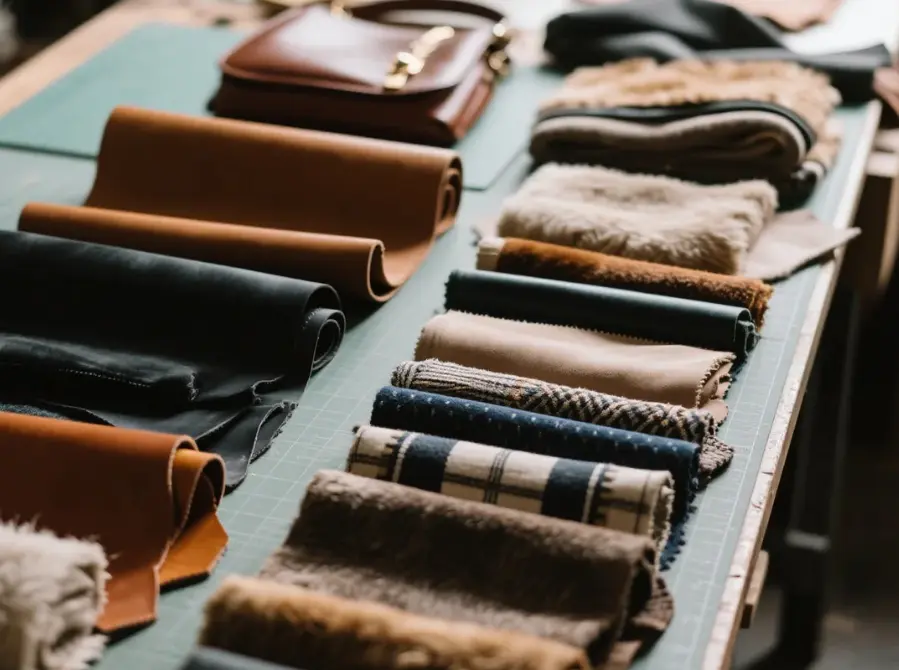
Quality control starts with raw materials. Know how to distinguish full-grain, top-grain, split, and bonded leather, and push past vague “genuine leather” labels. Understanding the characteristics of different leather types helps ensure quality. Ask for batch traceability including tannery information, and request lab reports for color fastness, abrasion, and chemical limits. You should also carefully check the hardware, zipper, and lining quality, and finally, lock signed material swatches for mass production.
Step 5: Develop samples and confirm the golden sample
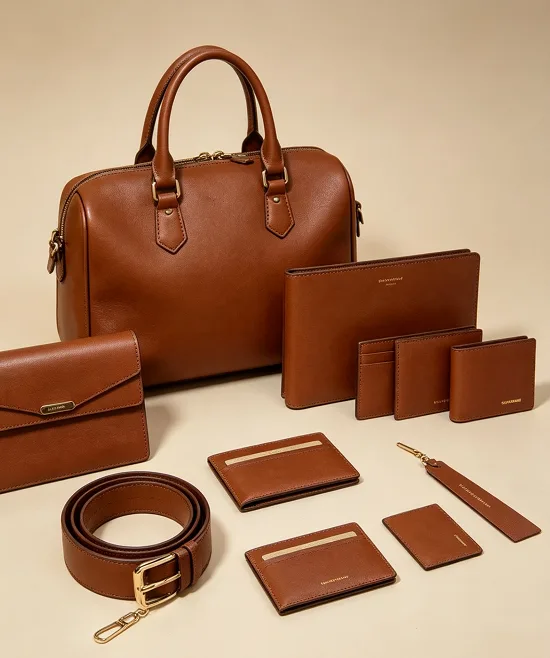
Leather bag sample development anchors any OEM project. The standard flow runs proto sample → revision → PPS/golden sample .
Ensure the golden sample uses the exact bulk materials and final workmanship before both parties sign and seal it. Take the time to test every detail—dimensions, stitching, edge paint, zippers, hardware, logos, load capacity, and even the odor. Just remember, once it is approved, any late tweaks to the design or materials must be re-confirmed in writing.
Step 6: Clarify MOQ, lead time and landed cost
Custom leather bag MOQ (minimum order quantity) changes based on leather selection, custom colors and specialized hardware. Sourcing stock leather and off-the-shelf hardware helps keep factory minimums manageable.
Cost = leather + hardware + labor + sampling + packaging + inspection + freight + duty
Compare landed cost rather than the ex-factory quote alone. For planning, sampling takes 7–15 days. Bulk production takes 30–60 days after golden sample approval.
Step 7: Run a factory audit and QC system check
A solid leather bag OEM factory runs an active QC setup across the line: IQC → PQC → FQC → OQC .
They should adopt a clear AQL standard, such as Critical 0, Major 1.0, and Minor 2.5, and be willing to arrange third-party inspection (SGS, QIMA, or BV) both during production and before shipment. Furthermore, a reliable partner will let you audit their production capacity, raw material quarantine, defect records, and corrective action files.
Step 8: Sign a solid contract
Protect your private label business with an enforceable contract. Include these core clauses:
- Golden sample, tolerances and defect definitions.
- Payment terms. Avoid 100% prepayment; a 30% deposit with the balance due after inspection protects your capital.
- IP and NDA terms covering design, mold and pattern ownership, with no unauthorized subcontracting.
- Delivery schedule, late-delivery compensation and warranty terms.
Step 9: Watch for common red flags
Walk away or dig deeper when you spot these warning signs. Be highly cautious of an unusually cheap quote with no material cost breakdown, a refusal to seal a golden sample, or production runs that drift far from the prototype. Additionally, treat demands for 100% prepayment (or transfers to personal bank accounts) as a major red flag, along with fabricated certificates, reliance on stock photography, or a refusal to do a live video factory walkthrough. Finally, undisclosed subcontracting and missing material batch records are clear indicators that you should not proceed.
Step 10: Place a pilot order and scale up
Start with a small trial order to test quality, lead times and factory communication. Scale order volume only after your pilot batch clears inspection, arrives on schedule, and maintains a low return rate.
Why It Matters to Pick a Qualified OEM Partner
Your factory shapes how your product performs long before a customer ever sees your logo. Buyers often run into three main traps: quality drift, missed lead times, and poor communication. A reliable manufacturer spots and fixes these risks before cutting the leather. They keep materials consistent, maintain strict QC standards across every batch, and offer flexible MOQs so you can test new designs without locking up all your capital. Setting clear expectations upfront with detailed design sheets prevents most of these headaches.
How Sunteam Approaches OEM and ODM Partnerships
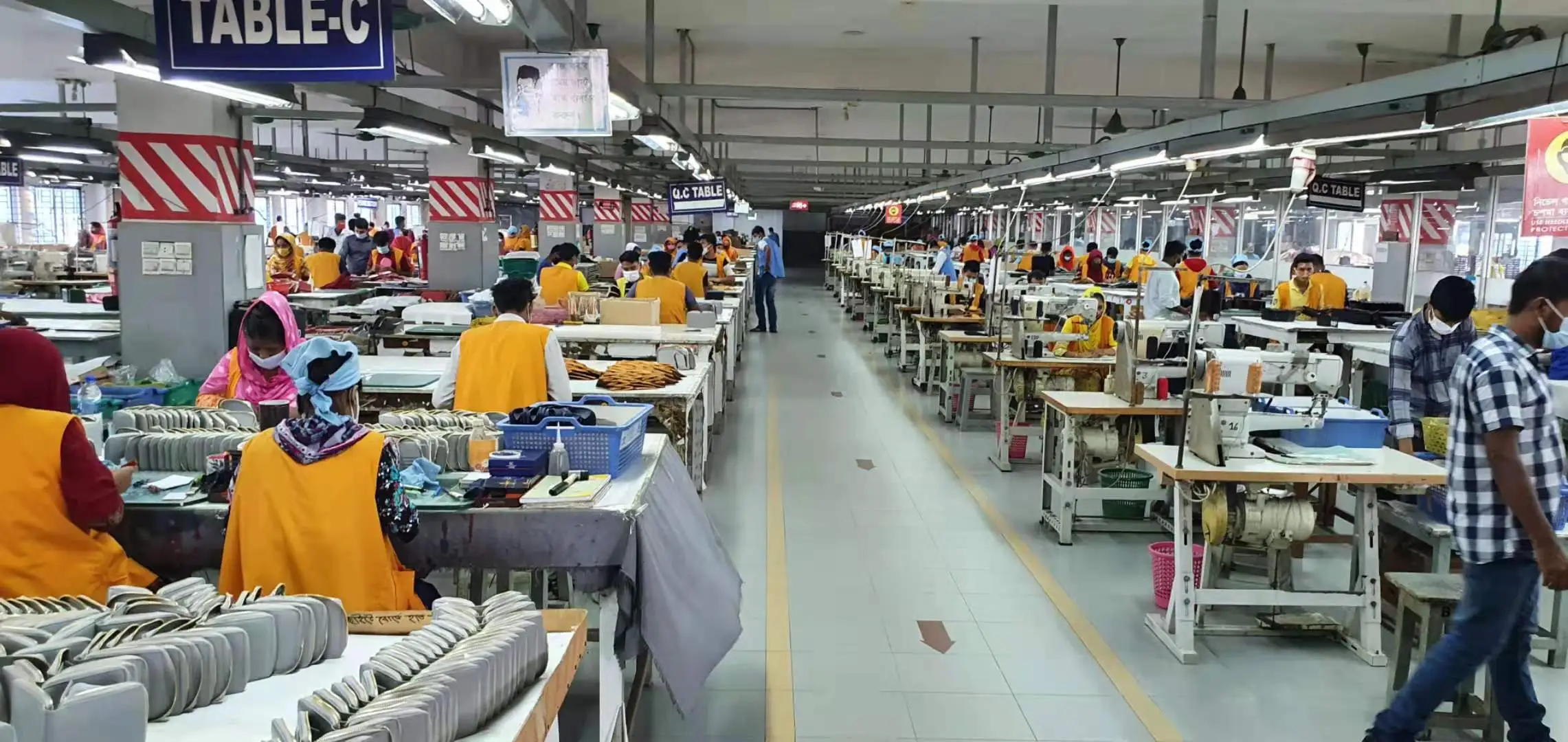
Sunteam works as a leather bag OEM and ODM partner for emerging and established labels. We provide:
- Multi-location production. With manufacturing facilities across China, Myanmar, Bangladesh, Italy, and Japan, we assign production based on your target costs and delivery schedule.
- Recognized certifications. Our facilities maintain BSCI, SEDEX, and ISO compliance.
- Full-stage quality control. Our inspection process covers IQC, PQC, FQC, and OQC, checking everything from raw materials to final packaging.
- Flexible support. We provide flexible order quantities, design development, and custom manufacturing for OEM and ODM leather bag projects.
Working with an experienced partner reduces production surprises, keeps quality uniform, and speeds up your path from design file to market. Use these checkpoints to evaluate your options, and look for a factory that openly answers detailed technical questions from day one.
FAQs About Sourcing Private Label Leather Bags
Most sourcing questions come down to three points: order size, sampling speed, and who makes your product. These answers cover each one.
What is the normal MOQ for custom leather bags?
Most factories set their MOQ at 300–500 pcs per style and color . Some will accept a 100–200 pcs trial order if you use stock materials.
Custom colors and custom hardware push that minimum up, while stock materials keep it lower. If you are a startup testing a new design, ask your factory which stock materials qualify for a smaller run before you finalize your spec.
How do I tell a real factory from a trading company?
A trading company is not always a bad choice. The trouble starts when one poses as a factory, leaving you with less control over pricing, quality, and delivery dates. Check these four details:
Live video tour. Ask for a real-time walkthrough of the cutting, sewing, and QC areas. Recorded video and stock photos prove nothing.
Registered company information. Check that the business license includes manufacturing. Make sure the company name matches the one on your quotation and contract.
Payment account consistency. The bank account name must match the registered company name. Be wary of requests to pay a personal account or a different entity.
Production records. Ask for proof of past orders in a similar style. Look for material batch records, inspection reports, and workshop photos tied to those runs.
If a supplier dodges any of these requests, treat it as a red flag. A legitimate, capable factory will answer them without hesitation and provide the proof you need.
Ready to compare suppliers?
Use these answers to filter suppliers when you send out your RFQ. Honestly, having your tech pack, target quantities, and launch date prepared in advance is the easiest way to get faster, more accurate quotes from any factory you contact.
Key Takeaways for Leather Bag OEM Sourcing
Your private label brand is only as strong as the factory behind it. Finding the right leather bag manufacturer protects your margins, your reputation, and your launch date.
Keep these three rules in mind:
- Nail down your specs first. Define your dimensions, materials, and hardware before you reach out for a quote.
- Always verify and test. Check a supplier’s compliance credentials and test their golden sample before making any bulk commitments.
- Get it all in writing. Settle the exact MOQ, unit pricing, tolerances, and payment terms in your contract so you don’t face sudden surprises later.
Sticking to this framework turns a guessing game into a repeatable process. It cuts down on wasted costs, prevents quality drift, and keeps your delivery on track, whether you choose OEM or ODM manufacturing.
For your immediate next step, try shortlisting 3 to 5 factories. Run them through the steps above, request samples, and compare them side by side. Taking that extra time to vet your partners upfront protects your brand’s future.
Your Next Step
Gather your tech pack, target quantity, and launch date. Reach out to the Sunteam sourcing team today, and we will look over your details. We’ll get back to you with clear MOQ options, a realistic sampling timeline, and a transparent quote.