
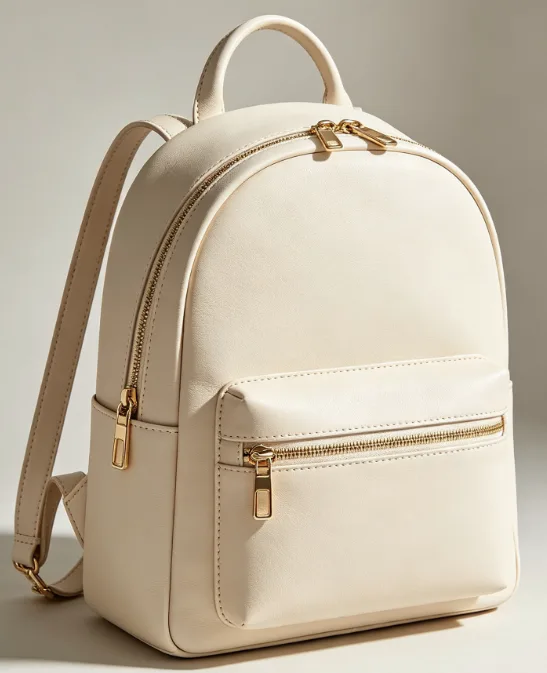
What Makes a Custom Handbag Manufacturer “Export-Ready”?
Not every handbag factory can ship to Europe or North America. The gap between a domestic supplier and a true export-ready manufacturer is bigger than most buyers think.
Export-ready means a factory handles the full journey. That includes compliant materials, correct documentation, reliable logistics, and no customs surprises. Here’s what that looks like in practice.
Certifications EU/US buyers require:
– ISO 9001 — quality management baseline; expected for factories with 3+ years of export history
– BSCI or Sedex/SMETA — social compliance audits; UK/EU retailers require these
– REACH compliance — blocks restricted chemicals (AZO dyes, chromium VI, lead) in leather goods entering the EU
– LWG + OEKO-TEX — now standard for leather handbag factories targeting premium buyers
Operational benchmarks to check:
– Minimum 3–5 years of verified export experience
– 5+ production lines, an English-speaking team, and structured QC — covering stitch counts, pull tests, hardware function, and carton drop tests
– Prototype lead time: 15–25 days; bulk production: 55–65 days
Documentation a real exporter prepares without being asked:
– Commercial invoice
– Packing list
– Certificate of origin
– Correct HS codes (4202.2x for handbags)
– Pre-shipment inspection coordination with SGS or Intertek
Factories that meet this standard cut your risk of container holds, customs rejections, and retailer chargebacks — before a single bag leaves the floor.
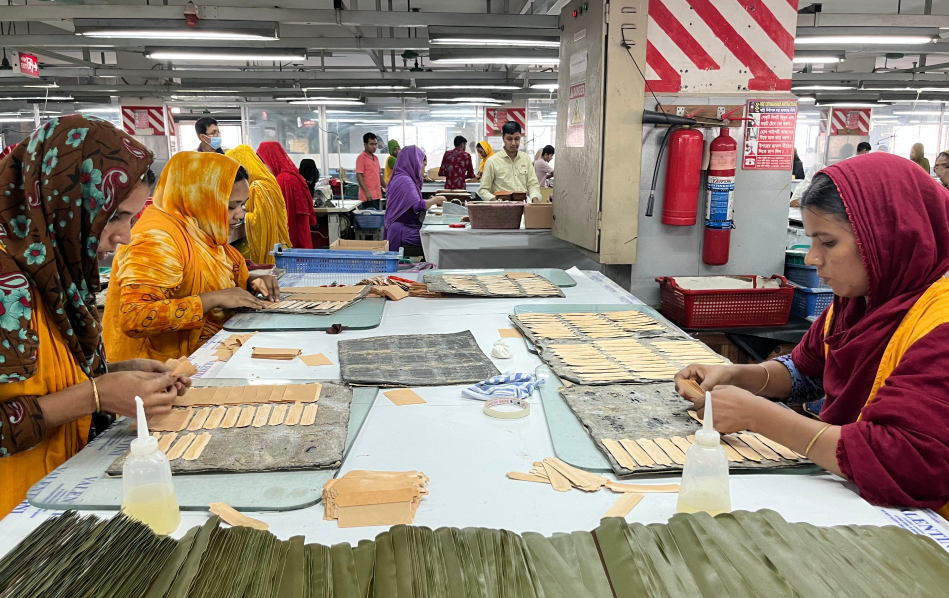
1. BagManufacturer.net (Guangzhou, China) — Best for Private Label Startups with Flexible MOQ
BagManufacturer.net has been doing OEM handbag manufacturing in Guangzhou’s leather hub for 20+ years. Founded in 2003, this factory works with private label brands across North America, Europe, and Australia. You’ll find a solid range here — genuine leather, canvas, and nylon, covering handbags, totes, wallets, backpacks, and more.
What sets it apart is the MOQ structure:
-
Genuine leather bags: 100 pcs/style — that’s 50–100× lower than major Vietnamese factories like Senda (5,000–10,000 pcs)
-
Canvas/nylon bags: 300–500 pcs/style
-
Private label micro-runs: 5 pcs/color, from ~$410 total — great for testing the market before going bulk
The average FOB runs $15–25/pc. So a 100-piece leather handbag first order lands at $1,500–2,500 total. That’s a workable number for Shopify startups, DTC brands, or KOL product launches that need samples before scaling up.
Both OEM and ODM paths are available. Bring your own designs, or pick from existing styles and adjust hardware, lining, color, and branding to fit your needs. Logo options cover metal embossing, screen printing, inner labels, and hangtags.
Best fit: Early-stage private label brands starting with 1–3 styles at 100–200 pcs per style to test the market first.
2. Luisway (Shanghai, China) — Best for Fashion-Forward Brands Needing In-House Design
Luisway stands apart from most Chinese bag factories for one clear reason: it employs in-house designers and trend experts — not just pattern technicians.
They’ve been in OEM/ODM bag manufacturing for 15+ years. Luisway produces handbags, backpacks, cosmetic bags, and wallets in PU, genuine leather, and fabric. Production covers everything from design concept to bulk output and packing.
Where Luisway earns its edge:
-
In-house designers turn your moodboards into spec-ready tech packs. This cuts development cycles from 12–16 weeks down to 8–10 weeks
-
Seasonal ODM lookbooks give brands with small design teams ready-to-adapt styles each drop
-
Prototype turnaround: 7–15 days for standard PU bags. Bulk lead time runs 45–60 days FOB Shanghai
MOQ benchmarks:
– PU/fabric handbags: 300–500 pcs/style
– Genuine leather: 100–200 pcs/style
– Ex-factory pricing for quality PU bags starts at US$12–25/pc. This fits accessible to light-luxury retail positioning ($80–$250 retail)
Shanghai’s location is a solid operational advantage. Being close to Zhejiang and Jiangsu material hubs cuts sourcing lead times by 20–30% compared to inland factories. Plus, Shanghai Port’s direct mainline sailings shave 1–2 days off ocean freight to the EU and US.
Best fit: Fashion-forward brands — accessible or light-luxury labels especially — that want a factory to co-develop seasonal collections. Not just one that executes a finished tech pack.
3. SLBAG (Guangzhou, China) — Best for Mid-Scale Wholesalers Ordering 500+ Units
SLBAG focuses on one product category: women’s handbags, wallets, and clutches. No backpacks, no luggage — just the exact SKUs mid-scale wholesalers and emerging DTC brands need to build a focused collection.
MOQ starts at 500 units per style. At that volume, FOB pricing for PU mid-range handbags runs $5.50–$8.50/pc. Scale to 1,000–3,000 units and the price drops another 3–8%. Wallets and clutches come in lower — $2.50–$4.50/pc at the 500-unit tier.
Customization at this order size is practical and affordable:
– Metal logo plates: $80–$150 tooling, then $0.08–$0.20/pc — the cost spreads well across 500+ units
– Debossed or foil-stamped logos: tooling from $30–$60, under $0.05/pc at volume
– Hardware color options: light gold, antique gold, rose gold, gunmetal — all come with anti-oxidation plating and basic salt spray testing
SLBAG runs a structured sampling process to keep quality consistent. They produce samples in 7–15 days using production-matched materials. A PP sample locks in the leather batch, hardware tone, edge paint color, and stitch density (3–4mm pitch) before bulk production starts. The final AQL inspection runs at 2.5 level — that means 5–10% of finished units get checked before shipment.
Best fit: Mid-scale wholesalers placing 500–2,000 units per style across multiple colorways, and DTC brands targeting $49–$129 retail with a factory cost of $6–$12/pc.
4. Komely Enterprises Ltd (China) — Best for Leather-Focused Brands Valuing Factory Longevity
Thirty-plus years of handbag production from one Dongguan base. That’s factory longevity you can’t fake.
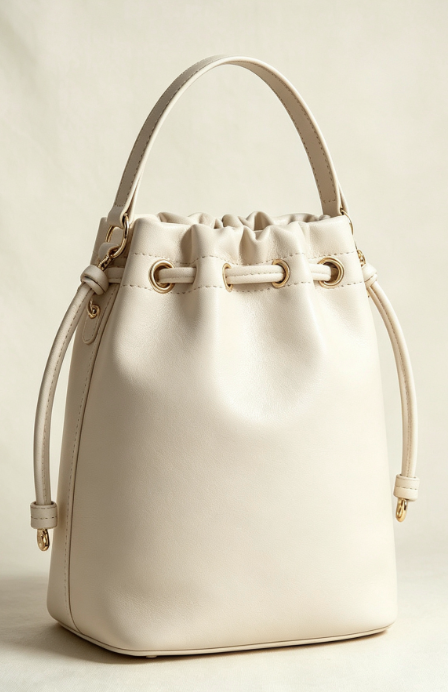
Komely (also branded as Comely Handbag) sits in Humen, Dongguan. They’ve run OEM/ODM leather bag and wallet production since the early 1980s. US customs records show their export activity going back to 2008, with confirmed shipments to New York-based buyers. That’s a decade-plus paper trail — a sign of stable, ongoing client relationships, not one-off deals.
Why this matters for leather-focused brands:
-
Dongguan factories with long track records hold 10–15-year supplier relationships with Guangdong and Zhejiang tanneries. You get consistent color-fastness (≥ Grade 4–5 dry/wet rub) and batch defect rates below 3%
-
Full-grain cowhide (1.4–2.0 mm) and veg-tanned leather options push retail price premiums of 30–50% in heritage and slow-fashion segments
-
Multi-generation technician teams keep stitch length at 3–4 mm top-stitch and hold seam burst defects below 1% per lot
Best fit: Mid-to-upper-mid leather brands building carry-over seasonal models. Consistent materials across production runs protect your gross margin — and Komely delivers that run after run.
5. Italian Shoe Factory (Italy) — Best for Luxury Brands Requiring “Made in Italy” Label
“Made in Italy” isn’t just a label — it’s a pricing lever. Brands that stamp it on leather goods can command 2–4× the retail price of comparable China-made products. That gap is real, measurable, and worth building a sourcing strategy around.
The numbers back it up: 23 of the world’s top 75 luxury brands are Italian — 30.7% of the global luxury elite. The Riviera del Brenta region alone holds 88 shoe factories, 209 accessory suppliers, and 31 design houses — all within 100 square miles. That cluster produces ~20 million pairs per year. 90% of those pairs ship to Germany, France, and the US.
What this means for your pricing:
– Entry leather styles: €300–€400 (light luxury positioning)
– Core collection: €450–€700 (established luxury sub-line)
– Limited handcrafted runs: €700–€1,200+
Move equivalent SKUs from China or Portugal to Italian production. You can support retail price increases of 50–150%. That makes it a solid move for capsule upgrades or premium line launches.
MOQ and brand size fit:
– Standard MOQ: 60–120 pairs/style/color
– Boutique capsule brands: some factories accept 30–50 pairs (expect a 10–25% small-order surcharge)
– DTC brands at US$1–5M annual revenue sit in the sweet spot for adding an Italian-made tier
Factory cost runs 2–3× Chinese production — US$65–120/pc vs. US$28–45/pc for comparable full-grain leather. Even so, landed cost as a percentage of retail stays manageable at 25–35%. The “Made in Italy” label pushes your price ceiling higher. So the margin math still works.
Best fit: Light-luxury DTC brands and independent designers targeting €300+ retail. You need the “Made in Italy” credential to anchor premium positioning — not just better materials.
6. Bellini (Florence, Italy) — Best for Small Boutiques Wanting Italian Craftsmanship at Low MOQ
Florence’s leather workshops have supplied independent boutiques for generations. Bellini keeps that tradition within reach, offering one of the lowest MOQs in Italian production: 10 pcs per style per color.
That number matters more than it sounds. A small boutique testing 4 new styles across 2 colorways needs just 80 units total. Your purchase budget sits at €7,200–€9,600 at typical Italian wholesale pricing (€90–€120/pc). You’re testing 8 SKUs with under €10k in inventory exposure.
The break-even math is straightforward:
– Sell just 3 pieces per color → fixed launch costs (photography, display, marketing) are covered
– The remaining 7 pieces are pure margin upside
– Worst-case unsold risk: 10 pcs instead of 50–100 under standard Italian MOQs — 80% less exposure
Annual carrying cost savings add up too. Holding 80 test units versus 400 units (at 50 pcs/color × 8 SKUs) cuts stock value by ~80%. A typical European city boutique saves €8,000–€12,000/year in storage, insurance, and handling.
Craftsmanship benchmarks Bellini delivers:
– 5–7 stitches/cm on visible seams (vs. 3–4 stitches/cm in mass-market production)
– 3–5 layer edge painting, sanded between coats, controlled at 0.4–0.8 mm thickness
– Nickel-free solid brass or zamak hardware, plated to survive 5,000+ abrasion cycles
Two ordering tracks keep flexibility high:
– Ready-to-ship styles — no formal MOQ, replenishable in 5–10 pc batches, ships in 3–10 days
– Made-to-order customs — 10 pcs/color minimum, 4–8 week lead time for logo debossing, custom linings, or new colorways
Best fit: Independent boutiques and emerging Italian-label brands testing new styles each season, with total leather-goods inventory budgets under €15k per drop.
7. Florence Leather Market (Italy) — Best for Wholesalers Sourcing Authentic Italian Leather Goods
Florence Leather Market runs a dedicated wholesale portal at FlorenceLeatherMarket.com. It’s a direct sourcing channel into Tuscany’s leather goods market, built for international distributors, retail buyers, and e-commerce resellers.
What wholesale buyers get here:
– Full category coverage: women’s and men’s bags, wallets, crossbody bags, backpacks, and travel bags — all produced in Tuscany
– Standard wholesale MOQ: 20–50 pcs/style; blended orders run 100–300 pcs/order
– Pricing: mid-range genuine leather handbags at €35–€80/pc; small leather goods at €12–€25/pc
– Volume discount of 5–10% kicks in at €5,000–€10,000 order value
– In-stock styles ship in 3–7 days; new production runs finish in 2–4 weeks
You can add custom branding — logo debossing, hardware swaps, and lining changes are all on the table. Need full ODM? Submit your specs and the workshop handles sampling from start to finish. Prototypes cost €100–€300/style, with custom MOQ set at 80–150 pcs/style.
The leather comes from Santa Croce sull’Arno, Tuscany’s historic veg-tan district. Tanning cycles take 30–60 days. All hides meet REACH compliance, so EU and US customs clearance goes smoothly. Each factory provides full export documentation: CO, commercial invoice, packing list, and HS Code 4202 classification.
Best fit: Wholesale distributors and multi-brand buyers restocking 100–300 units per order. A solid pick for those who need fast turnaround on authentic Tuscan leather goods, backed by clean, complete export paperwork.
8. Senda Vietnam (Nam Dinh, Vietnam) — Best for Large Retailers Needing High-Volume Low-Cost Production
8.2 million units per year. That’s Senda Vietnam’s total output cap — 7 million fabric bags plus 1.2 million backpacks per year. They run this with 1,500 workers split across Vietnam and China.
This factory is not built for small-batch orders. It runs at retail scale: 5 dedicated production lines, Walmart/SEDEX/BSCI audit clearance, and a full product range — backpacks, duffels, cooler bags, totes, cosmetic bags, and garment bags.
Why large retailers shortlist Senda:
– Compliance-ready: Senda has passed Walmart, SEDEX, and BSCI inspections. That’s a hard requirement for most major retail chains, and this factory already clears it.
– Volume MOQ fit: The multi-line setup handles 5,000–10,000 pcs/style programs. You get consistent output for high-repeat replenishment orders.
– Labor cost advantage: Nam Dinh has a workforce of over 1 million people, with a 76% participation rate. Per-unit labor costs stay competitive against Chinese factories — even at the same order sizes.
Best fit: Large retailers and wholesale buyers placing 10,000+ units per style on core replenishment SKUs. Social compliance documentation and production line throughput are the priority here — not low MOQ flexibility.
9. Ecobags (Vietnam) — Best for Eco-Conscious Brands in Europe, USA, Japan, Korea
Sustainability certifications are no longer optional. EU, US, Japanese, and Korean buyers treat them as standard procurement requirements. No GOTS, OEKO-TEX Standard 100, or GRS? Most major brand tenders will exclude you.
Ecobags holds all three. That certification stack covers 70–80% of mainstream brand programs across these four markets. Think organic cotton totes for EU lifestyle chains, RPET shopping bags for US DTC brands, and verified recycled-content programs for Japanese and Korean department stores.
MOQ runs 100–500 pcs per SKU. Modular sewing cells handle 10–30 SKUs in parallel each month. A typical small-batch launch — 5–10 SKUs × 100–300 pcs each — fits within their monthly capacity. Sampling takes 7–14 days. Bulk production runs 25–35 days.
Two Vietnam facilities split the workload by material type:
– Northern facility — handles GOTS-certified organic canvas and cotton, close to northern ports
– Ho Chi Minh City facility — processes GRS-certified RPET and synthetic materials, with direct FBA prep for Amazon EU/US/Japan
Best fit: Eco-conscious private label brands in Europe, USA, Japan, or Korea. Ideal for brands running frequent small-batch drops across multiple certified material categories.
10. Banox / BagMaker India / Bags India — Best for Cost-Conscious Brands Targeting Mid-Range Markets
India’s leather industry hit US$2.03 billion in handbag exports in 2022. That number is on track to reach US$3.60 billion by 2030. The growth comes from one core advantage: domestic cow and goat hide sourcing keeps raw material costs 10–20% lower than in countries that import hides.
Three suppliers stand out in this space:
-
Banox — OEM/ODM leather and PU handbags for private labels. FOB pricing sits at US$12–20/pc for genuine leather and US$5–10/pc for PU. These prices support retail tags of US$39–89 in EU/US mid-market. MOQ starts at 300–500 pcs/color.
-
BagMaker India — embellished women’s clutches and evening bags built for fashion-forward e-commerce labels. FOB starts at US$4–8/pc for PU clutches. You get 2–4 week sampling and MOQ from 500–1,000 pcs/style.
-
Bags India — promotional totes, jute bags, and corporate gifting. Cotton totes FOB at US$0.70–1.20. Non-woven PP bags go as low as US$0.25–0.50. Lead time: 30–45 days from artwork approval.
Best fit: Cost-focused mid-range brands that need leather or PU handbags at FOB prices. You save 20–40% on labor compared to coastal China factories. Plus, you still get full private-label OEM support.
Italy vs China vs Vietnam vs India: Side-by-Side Manufacturer Comparison for Export Buyers
Four countries. Very different cost structures, lead times, and quality ceilings. Here’s how they compare on the factors that drive sourcing decisions.
|
Factor |
Italy |
China |
Vietnam |
India |
|---|---|---|---|---|
|
Factory labor cost |
~$15–25/hr |
~$5–8/hr |
~$2.5–4/hr |
~$2–4/hr |
|
Relative FOB cost |
3–6× baseline |
1.0× baseline |
~1.15× China |
~0.9–1.0× China |
|
Typical MOQ |
30–200 pcs |
500–1,000+ pcs |
300–1,000 pcs |
50–500 pcs |
|
Production lead time |
4–10 weeks |
20–45 days |
30–60 days |
30–60 days |
|
Ocean transit to US West Coast |
10–15 days (East Coast) |
14–18 days |
18–22 days |
22–28 days |
|
Quality ceiling |
Luxury/ultra-premium |
Full range, low→high |
Mid-range |
Mid + strong handcraft |
|
Key certifications |
ISO, OEKO-TEX, SA8000 |
ISO, BSCI, SEDEX, REACH |
ISO, BSCI, WRAP, OEKO-TEX |
GOTS, Fairtrade, ISO, BSCI |
Match Your Buyer Profile to the Right Origin
Startup brands with tight cash and small test orders: India is your strongest first move. MOQ starts at 50–500 pcs. English communication is easy, and handcraft differentiation gives you a real story to tell. China works for accessories and packaging at sub-1,000 units — less so for full bags.
Mid-scale wholesalers running stable repeat programs: a China + Vietnam split is the proven approach. China anchors your core volume at the lowest landed cost. Vietnam takes the orders you want protected from US Section 301 tariffs — that’s 25%+ on most China-origin goods.
Large retail chains moving 10,000+ units per style: split the work across all three. China handles complex structure and high volume. Vietnam takes apparel and soft goods where labor cost matters. India covers home textiles, jute, and embellished categories in bulk.
Luxury and light-luxury DTC brands: Italy is the production anchor for hero SKUs. The “Made in Italy” label supports 2–4× retail price premiums over comparable China-made product. The margin math still works, even at 2–3× higher factory cost.
Hidden Risks Worth Flagging
-
Italy: August shutdowns and artisan workshop capacity limits push lead times to 8–12 weeks. Cost structures are rigid. Material price spikes pass straight to you with little buffer.
-
China: Price spread between factories quoting the same spec can hit 10–30%. That gap signals quality cuts, not efficiency gains. Run strong factory audits — there’s no skipping this step.
-
Vietnam: Production efficiency still lags China by 15+ days on equivalent styles. MOQ floors make it a poor fit for test orders under 300 units.
-
India: Infrastructure varies a lot between regions. Lead time reliability depends on which city your factory sits in — choose carefully.
How to Verify a Custom Handbag Manufacturer’s Export Capability: Buyer Checklist
A factory that looks great on paper can still fail your first shipment. Run through this four-step check before placing any order.
Step 1 — Licenses & certifications first. Ask for business registration, tax ID, factory address, and timestamped workshop photos. Make sure ISO, REACH, or market-specific certificates cover handbag categories by name — not just a broad “leather goods” label.
Step 2 — Capacity evidence. Get the line count, shift structure, and monthly output range in actual numbers. No numbers? That’s a red flag.
Step 3 — Sample quality test. Check these five areas on every sample:
– Stitch uniformity
– Hardware rebound after repeated use
– Material consistency across panels
– Edge paint finish quality
– Logo placement tolerance
Pull on the handles and straps yourself. A hands-on stress test catches problems lab reports miss.
Step 4 — Contract and IP protection. Before bulk production starts, lock down:
– NDA coverage for designs, patterns, and pricing
– Buyer-owned design rights
– Style exclusivity clauses
– Written change-confirmation protocols
Skipping any of these puts your designs at risk.
Recommended factory scoring weights:
– Quality control system: 30%
– Capacity match: 25%
– Material supply chain stability: 20%
– Communication efficiency: 15%
– Craft/innovation capability: 10%
FAQ: Custom Handbag Manufacturing for Export
Buyers ask the same questions before every first order. Here are the answers that move decisions forward.
What’s a realistic MOQ for custom handbags?
It depends on material and factory size. PU/synthetic bags start at 100–300 pcs per style/color. Genuine leather can go as low as 50 pcs/style at flexible factories. Drop below 50 units and two things happen: unit price goes up 10–30%, plus you may face tooling fees of US$50–150/style. Those fees are often refundable once you hit bulk thresholds.
How does Italy’s factory cost compare to China and Vietnam?
Use China coastal factories as your baseline. Vietnam comes in 0–10% lower on equivalent leather styles. The gap widens on simpler structures at higher volumes. Italy sits at 1.5–3× China pricing. A bag priced at US$40 FOB China can run US$70–100 from an Italian workshop. Small runs with handcrafted finishing push that number even higher.
Can Vietnamese factories handle genuine leather?
Yes — but know the limits. Vietnam’s leather supply chain is thinner than Guangdong or Fujian. For complex leather work — hand-painted edges, custom hardware, intricate stitching — look for factories with documented European brand OEM experience. That’s the clearest signal they can execute at the level you need. Also plan for MOQ requirements of 300–500 pcs/style to make the project viable for both sides.
How long does a first order take?
For China-made leather or PU bags shipping to the US or EU, the full timeline from inquiry to cargo-ready runs 55–80 days:
-
Inquiry + confirmation: 3–7 days
-
Sampling: 7–21 days (simple PU) or longer with custom hardware
-
Bulk production: 20–45 days depending on quantity
-
Shipment prep and documentation: 5–10 days
Build in buffer for 1–2 sample revision rounds. Each round adds 5–10 days.