
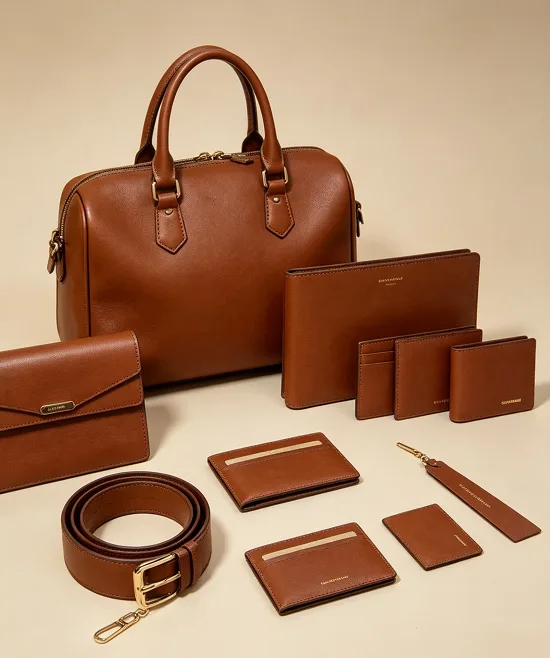
Top 12 Custom Handbag Factories In China: OEM & ODM Options For Brands
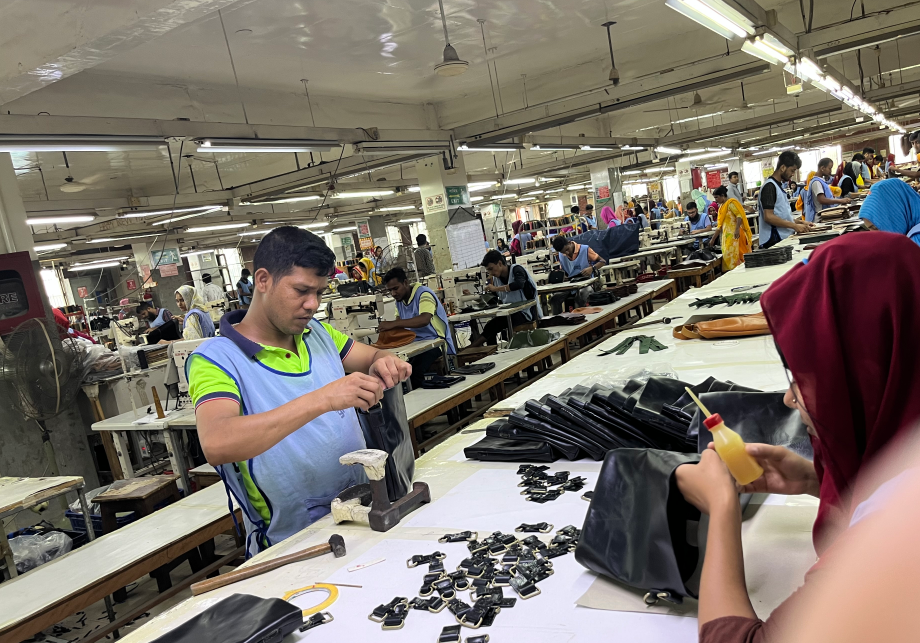
Here are 12 factories reviewed across the metrics that matter most: location, product focus, MOQ, price range, OEM/ODM capabilities, and who each one fits best.
|
Factory |
Location |
Best For |
|---|---|---|
|
Sitoy Group |
Dongguan |
Enterprise-scale luxury OEM |
|
Superl Group |
Dongguan |
EU/Japan mid-high leather |
|
Milo Leather |
China |
Low-MOQ custom development |
|
The Well Leatherware |
HK + Mainland |
Long-term stable partnerships |
|
Hongya Leather |
China |
Broad fashion accessory lines |
|
Guangzhou Xianglu |
Guangzhou |
Flexible MOQ, PU + leather mix |
|
Jiuyue Leather |
China |
Niche/luxury handcrafted bags |
|
Baorun Leather |
China |
Mid-size OEM balance |
|
Guangzhou Senrong |
Guangzhou |
Western-market compliance |
|
Guangzhou Gionar |
Guangzhou |
Full genuine leather lines |
|
Hetebag |
China |
Multi-category modern OEM/ODM |
|
B.S. Bag Factory |
Guangzhou |
One-stop design-to-shipment |
What Makes a Reliable Custom Handbag Factory in China? (Buyer Criteria)
Not every factory that claims “OEM/ODM accepted” can handle your specific product. Six core criteria separate reliable partners from risky ones.
1. Product Fit
Look for a factory that already specializes in your bag category — totes, crossbody, structured leather, etc. A factory that “can do anything” rarely does any one thing well.
2. MOQ Clarity
Most China handbag factories quote 300–1,000 pcs/style. That number shifts based on material, hardware complexity, and customization level. Confirm MOQ per style — not just per order.
3. Sample Process
Ask for sample lead time, sample cost, and revision policy upfront. Never approve bulk production without a signed golden sample that locks all specs.
4. Production Capacity
Check the factory’s output per month. Also confirm whether they can handle repeat orders or seasonal volume spikes — not just your first run.
5. QC System
Ask for documented inspection flows. These should cover incoming materials, in-process checks, and final goods. Set defect tolerance using AQL standards with separate thresholds for critical, major, and minor defects.
6. Compliance & Certifications
Key signals: ISO9001, BSCI, SEDEX. Selling into EU or US markets? Also check for REACH and CPSIA awareness.
Quick screening rule: Prioritize factories that already make your exact bag type, accept your target MOQ, offer a paid sample with golden sample sign-off, and can produce audit records on request.
OEM vs. ODM: Which Model Fits Your Brand?
|
Model |
Best For |
Factory Role |
|---|---|---|
|
OEM |
Brands with finished tech packs |
Manufactures to your exact design |
|
ODM |
Startups needing faster launch |
Provides existing designs, adapts branding |
Guangzhou vs. Dongguan: Where to Source
Both cities lead China’s handbag manufacturing output. Each one serves different buyer needs.
-
Guangzhou — dense supplier ecosystem, fast sample development, trend-driven styles, strong for ODM exploration
-
Dongguan — deeper manufacturing base, stable bulk execution, flexible MOQ on leather and PU lines
1. Sitoy Group — Large-Scale OEM/ODM for Luxury & Established Brands
Prada took a 19.6% stake in Sitoy at IPO. That one fact tells you everything about where this factory sits in the global supply chain.
Sitoy started in 1968 and trades on the Hong Kong Stock Exchange (1023.HK). It runs two top-tier facilities in Dongguan, plus plants in Yingde and Indonesia. Output hits 1,000,000+ units per month across 120+ assembly lines. Coach has sourced from them for over 13 years. Michael Kors, Tumi, Tory Burch, and Armani are all on the client list too.
What sets them apart:
– ISO 9001 certified since 2001
– Full REACH/CPSIA compliance readiness
– Listed on a public exchange — so the governance structure clears even the strictest brand audits
Realistic MOQ: Don’t count on flexibility at 200 units. Sitoy’s model is built for 5,000–50,000 pcs/style on established seasonal orders. New clients start at 1,000–3,000 pcs/style at minimum.
Best fit: Scaled brands moving tens of thousands of units per year. You’re selling into North America or Western Europe. Compliance requirements are strict and non-negotiable.
Not ideal for: Early-stage startups that need small trial runs or fast style changes at low quantities. The cost structure and standardized production process aren’t set up for that kind of flexibility.
2. Superl Group — Premium OEM/ODM with European & Japanese Market Experience
Supplying European department stores and Japanese select shops from the same production line is hard to pull off. Superl Group does it, batch after batch.
Based in Dongguan, Superl built its name around mid-to-high-end export markets. These are buyers who will reject a full shipment over a ΔE color gap visible to the naked eye. That’s the standard Superl works to.
What makes them stand out for EU and Japan buyers:
-
REACH-ready materials sourcing — chromium (VI), azo dyes, and cadmium stay at or below EU regulatory thresholds. For branded clients, Superl tightens those internal limits a further 20–50% beyond what the law requires
-
AQL standards that match market expectations — EU mid-high buyers require AQL 1.0–1.5 on major defects. Japanese clients push defect rates below 0.5–1.0% per batch, with visible appearance defects held to ≤0.3%. Superl targets both
-
Full spec documentation discipline — Japanese buyers want every dimension, material code, and process note locked in writing, confirmed by both sides, before bulk starts. Superl’s QC system runs on that process
Materials and hardware:
Top-grain cowhide at 1.4–2.0 mm is the core leather range. Hardware plating hits ≥0.2–0.3 µm, backed by 24–72 hour salt spray testing. YKK zippers come as standard — a clear signal for Japanese retail buyers who know what that means.
Development timeline: New styles take 18–24 weeks from concept brief to export-ready bulk. That covers proto sampling, SMS confirmation, PP trial run, and final QC. No steps get skipped.
MOQ: 200–500 pcs/style/color for private label orders. Complex structured styles work better at 300+ pcs — that’s where unit cost starts to make sense.
Best fit: Mid-to-high-end fashion labels selling into European multi-brand stores (€150–600 retail) or Japanese department stores and select shops (¥20,000–¥80,000 retail). This works well for brands running 5–20 styles per season across 2–4 colorways.
Not ideal for: Buyers who need 4-week turnarounds or sub-100 unit sample orders. The documentation and compliance process that EU and Japanese clients expect adds time. For the right buyer, that’s a strength, not a problem.
3. Milo Leather — High-End Custom Leather Goods with Strong Development Support
Milo Leather is built for brand owners — not end consumers. Every service focuses on helping you launch or grow a leather goods line. That covers custom product development, private label manufacturing, and everything in between.
What makes Milo a strong fit for smaller brands:
-
Low MOQ with scalable production — stated clearly on their site. Start small, then scale when you’re ready. No pressure to commit to 500-unit minimums before you’ve tested a style.
-
Full OEM & ODM support — bring your own design files (logo JPGs, sketches), or work with their team to build structure and specs from the ground up.
-
12-hour sales response — a set, committed turnaround on inquiries. Most factories never put a number on it.
-
Fast production on simple styles — their site lists “within days” for straightforward custom leather goods. That matters a lot with a tight launch window.
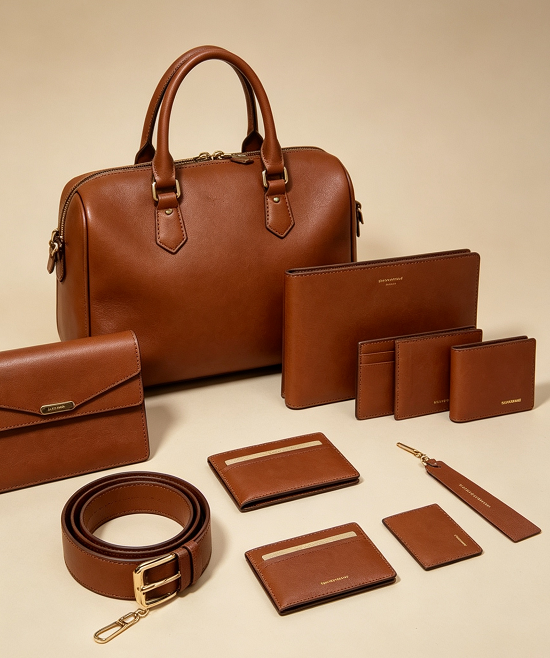
Product range: Leather handbags, wallets, belts, card holders, and bookmarks. That’s enough variety to build a full accessories line under one roof.
Development process (from inquiry to bulk):
-
Submit design files + logo
-
Receive quote + logo placement mockup (within 1–2 business days)
-
Confirm sample order → sampling begins
-
Approve golden sample → bulk production + QC
-
Packaging and shipment
Best fit: New brands that need development support alongside production. Independent designers running low-volume, high-customization styles. Corporate gifting projects that need multi-category leather sets with deep logo customization.
Not ideal for: Buyers who need ISO or BSCI audit documentation for retail compliance. Milo focuses on development flexibility. Large-scale certification infrastructure is not their core strength.
4. Hetebag — OEM & ODM Factory Focused on International Fashion Brands
Hetebag has been running export-focused bag production since 2011. That’s over a decade of fine-tuning their process to meet international fashion brand needs.
The factory’s ODM catalog is the standout feature. They keep 1,000+ active women’s bag styles on file. So you can skip the full development cycle. Pick a style, adjust the color, add your logo — and you’re looking at 7–15 days to sample. A full OEM handbags build takes 45–60 days. That’s a huge difference. For e-commerce sellers running weekly drops or chasing TikTok trends, that speed matters.
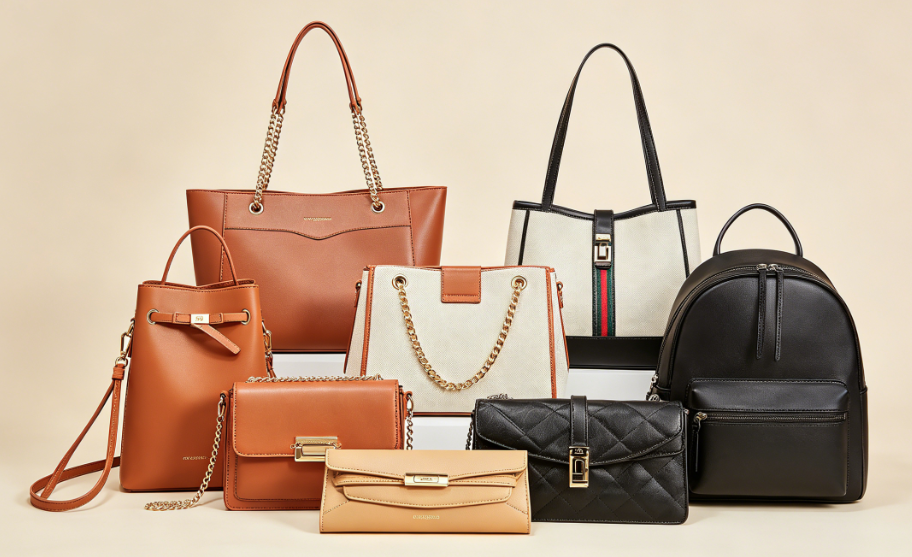
Product coverage spans the full women’s fashion bag range:
– Totes, shoulder bags, crossbody bags, chain bags, satchels, mini bags, clutches, and fashion backpacks
– Materials cover PU/synthetic leather (the bulk of production), canvas, polyester, nylon, and genuine cowhide for premium lines
– Hardware is nickel-free and lead-free by default — EU compliance is built in from the start
MOQ and pricing keep things accessible for smaller brands:
|
Category |
MOQ |
Est. FOB Price |
|---|---|---|
|
ODM style (existing) |
100–300 pcs/color |
US$3–8/pc (PU fashion bags) |
|
OEM new design |
300–500 pcs/style |
US$15–40/pc (genuine leather) |
Best fit: Cross-border e-commerce sellers testing new SKUs at low risk. DTC brands under the US$50 retail price point. Dropshipping businesses making their first move into private label.
Not ideal for: Brands that need BSCI or ISO audit documentation for major retail compliance programs. Hetebag’s strength is speed and catalog depth. Enterprise-level certification infrastructure is not their focus.
5. B.S. Bag Factory — End-to-End OEM/ODM from Design to Delivery
Guangzhou calls itself the capital of leather goods in China. B.S. Bag Factory earns that title. It’s a specialist leather handbag manufacturer built around one clear promise: take a brand from a rough sketch to a shipment-ready pallet, with no third-party handoffs at any stage.
The full production chain stays in-house: design development, pattern making, material sourcing, bulk production, quality inspection, packaging, and international shipping. FOB and CIF terms are both available. Sea, air, or courier — your call based on timeline and budget.
Who this factory is built for:
B.S. Bag Factory focuses on small and mid-size brands, independent designers, and e-commerce sellers. Starting with nothing but a concept and a logo file? They’ll work with you from that point — covering structural design, pattern optimization, and material matching before a single unit gets cut.
MOQ, Sampling, and Lead Times
Low MOQ is a real priority here, not just a marketing claim. Here are benchmarks based on comparable Guangzhou leather OEM factories:
|
Product Type |
Typical MOQ |
Sample Cost |
Sample Lead Time |
|---|---|---|---|
|
PU handbags |
100–300 pcs/color |
~US$50/style |
7–15 days |
|
Genuine leather bags |
80–200 pcs/color |
US$80–120/style |
10–20 days |
|
Trial run (new brand) |
50–100 pcs/color |
Negotiable |
7–15 days |
Bulk production runs 30–45 days after golden sample sign-off. Repeat orders that use existing materials and hardware turn around in 20–30 days.
Customization Depth
This is where B.S. Bag Factory stands apart from catalog-heavy ODM operations. The customization range covers a lot of ground:
-
Materials: Full genuine leather (cowhide, lambskin), vegan leather, PU, canvas, nylon — plus mixed-material constructions. Eco-certified materials are also available for brands that build sustainability into their positioning.
-
Color matching: PANTONE or brand-supplied swatches. The minimum dye run is 50–100 meters of leather per color — standard across the Guangzhou market.
-
Hardware: Custom zipper pulls, turn-locks, D-rings, strap buckles, and rivets in gunmetal, gold, silver, or rose gold plating.
-
Logo execution: Hot stamping, deboss/emboss (requires a copper or steel die), metal logo plates, silk screen print, UV print. Die tooling costs US$80–200 per mold based on size and complexity — reusable across all future orders.
Payment Terms
Standard structure: 30% deposit on confirmed PI, 70% balance before shipment or against a copy of the bill of lading. Smaller trial orders can sometimes get a 50/50 split. Long-term partners may arrange deferred balance payment after shipping.
Real-World Fit: Two Scenarios
Scenario A — European boutique brand, first season launch:
3–5 leather styles, 2–3 colorways each, 50–100 units per color. Total run: 300–800 pieces. Development takes 1–2 months, production runs 45 days, with CIF delivery to a European port.
Scenario B — Cross-border e-commerce seller testing a new SKU:
One PU tote or crossbody, two colors, 50–150 units per color. Strong sales in the first weeks push rolling replenishment orders of 200–500 units. B.S. Bag Factory holds material stock and handles minor structural updates — strap reinforcement, zipper swap — between runs.
Best fit: Emerging brands that need a real development partner, not just a production slot. The low MOQ threshold and full-service model give first-time OEM buyers a practical entry point — no need to commit to 500-unit minimums right away.
Not ideal for: Brands that need BSCI, ISO, or SEDEX audit documentation for major retail compliance programs. Third-party audit certification is a hard requirement for some retail partners — confirm this capability with the factory before sampling.
6. Honeyoung Bag — High-Volume Wholesale Supplier with 20+ Years Export History
5 million units per year. That’s the scale Honeyoung Bag runs at — 2 production bases, 10 production lines, and 300+ staff keeping things moving.
Most factories on this list lean toward leather. Honeyoung goes wide instead. You get backpacks, travel bags, cooler bags, cosmetic bags, children’s bags, and promotional accessories — all from one supplier. That’s a real advantage if you’re sourcing multiple SKUs and want to cut down on vendor management.
MOQ: 500 units. Fair for a factory pushing this kind of output.
Export reach: 100+ countries. They’ve been handling international shipping for 20+ years, so the logistics side is well-tested.
Order process: Free sample → contract → production → inspection → shipping → feedback. Clean, repeatable steps — built for steady bulk restocking.
Best fit:
– Wholesalers who need large-volume restocking on a regular schedule
– E-commerce sellers running multi-category bag catalogs
– Promotional product buyers who need custom branding across different product types in one order
One caveat: BSCI or ISO certification hasn’t been confirmed. Before you place a bulk order, ask the factory for current audit documentation. Get it in writing.
7. Guangzhou Xianglu Leather — Cost-Effective PU & Synthetic Handbag Specialist
Guangzhou Xianglu Leather started in 2000. Over two decades, they’ve built one strength: fashion bags priced for fast-moving markets.
The factory numbers tell a clear story. Three production lines. 100+ workers. A 7,000 m² facility. Annual output approaches 1,000,000 units. That’s enough capacity to run multiple OEM orders at once — your styles won’t get buried in the queue.
Where the cost advantage comes from:
Swapping full-grain leather for quality PU cuts material cost by 50–70% per unit. On a finished bag, that brings total production cost down by 35–55% — covering material, labor, and waste together. The FOB prices reflect this gap:
|
Material |
Est. FOB Price |
Target Retail Range |
|---|---|---|
|
Genuine leather |
US$18–35/pc |
USD 80–200 |
|
Mid-grade PU |
US$6–15/pc |
USD 40–80 |
|
Promotional PU |
US$2.5–4.5/pc (10,000+) |
USD 15–29 |
MOQ structure for PU and synthetic styles:
-
Existing silhouette + stock PU: 300–500 pcs/style/color
-
New structure + custom color or texture: 500–1,000 pcs/style/color
-
Bulk promotional projects: pricing breaks start at 10,000+ units
Customization depth on PU lines:
Surface finish choices include embossed grain (pebble, lychee), mirror, matte, pearlescent, and oil-wax effects. Quality PU at this spec survives 50,000–100,000 flex cycles without cracking. That meets the industry standard for mid-market fashion bags. Color consistency across batches targets ΔE ≤ 1.0. That’s tight enough to hold color continuity across multiple seasons.
Xianglu keeps 41–50 R&D staff on hand. They can take a reference image and deliver a physical sample in 7–15 days. Bulk production starts within 30–45 days after golden sample sign-off.
Best fit: Fast-fashion brands, e-commerce sellers, and corporate gifting buyers targeting the USD 25–80 retail range. The PU-plus-leather setup gives growing brands a low-cost entry point. You can launch with PU styles first, then shift to genuine leather as your order volumes grow.
Not ideal for: Brands that need BSCI or ISO audit documentation for retail compliance programs. Also not a match for buyers sourcing luxury leather goods above the USD 200 retail price point.
8. Guangzhou Senrong Handbag Manufacturing — Mid-Range Private Label for EU & US Markets
Senrong has been running out of Baiyun District, Guangzhou since 2002. That’s over two decades of custom bag production in one of China’s busiest sewn-goods manufacturing zones.
Their range covers cosmetic bags, backpacks, canvas bags, nylon bags, polyester bags, cooler bags, and cotton bags. That variety is useful for mid-range brands building multi-SKU private label lines. You won’t need to split orders across several suppliers.
What to check before shortlisting:
-
EU compliance: Ask for SVHC test reports covering leather/PU, azo dyes, phthalates, and heavy metals. Don’t accept a general statement. Get reports tied to the exact materials you’re ordering.
-
US compliance: Confirm lead and phthalate testing on bags and trims. Check results against CPSC requirements.
-
MOQ and logo customization: Get clear per-style MOQ figures. Also confirm which branding methods they support — embossing, zipper pull, woven label, or heat transfer.
-
QC controls: Ask which AQL standard they follow. Find out how often inline inspections run. Check whether golden sample retention is part of their standard process.
Best fit: Mid-range private label brands selling into EU or US retail. You’ll need a broad category mix and should plan to run your own compliance checks before placing a bulk order.
Not ideal for: Buyers who need pre-confirmed BSCI or ISO audit documentation upfront. Confirm certifications and compliance scope with the factory before you commit.
9. Guangzhou Gionar Leather Products — Genuine Leather OEM for Premium Private Label Collections
Gionar has been running leather OEM and ODM production out of Baiyun, Guangzhou since 2006. Their catalog covers handbags, backpacks, briefcases, wallets, and belts. That range lets you build a full multi-category private label line from one supplier.
The factory focuses on genuine leather and custom logo / private label work. That’s what sets it apart from generic trading companies that just add “OEM accepted” as a side note.
What to confirm before committing:
-
Leather grade: Ask about full-grain, top-grain, and corrected-grain options. Get clarity on hide origin too. Check whether imported or Italian tannery skins are available.
-
Tanning process: Chrome, vegetable, or a combo — plus colorfastness and hand-feel specs
-
Private label depth: Custom lining, zipper brand, hardware finish, logo embossing dies, dust bags, and retail gift boxes
-
Compliance: REACH, Prop 65, nickel-free hardware — required for US or EU sales
MOQ, pricing by leather grade, sample lead times, and certification documents are not published. Get all of these confirmed in writing before you start sampling.
Best fit: Brands building premium private label collections that need a genuine leather OEM partner with multi-category range and deep custom branding options.
Not ideal for: Buyers who need pre-verified compliance documents or clear MOQ numbers upfront. Plan on a direct qualification call first.
10. Hongya Leather Group — Mixed Portfolio for Unisex & Accessories-Focused Brands
Hongya Leather Group runs four factories as one operation. Founded in Dongguan in 2013, the group produces fashion handbags, small leather goods, men’s bags, and accessories — all under a single account and one production system.
That structure is a real advantage for building a coordinated collection. Think about it: a women’s tote, a matching wallet, a key case, and a canvas travel bag — same leather grade, same hardware finish, same stitching density — all from one supplier instead of three or four. Fewer RFQs, fewer QC visits, and consolidated shipments. That alone can cut supplier management workload by 30–50%.
Certifications: ISO 9001, BSCI, and Disney authorization. The Disney credential stands out. It shows audited experience with multi-SKU licensed collections. Quality and consistency had to hold across every item in the line — not just the main bag. That’s harder than it sounds.
MOQ benchmarks:
– Genuine leather handbags: 150–300 pcs/style/color
– PU/canvas bags and accessories: 300–500 pcs/style/color
Brands producing 2,000–10,000 pcs per season across handbags and SLG fit well within one or two production lines. No strain, no overflow.
Best fit: Mid-size lifestyle or unisex brands that need a full capsule — handbags, wallets, tech pouches, travel accessories — all developed and produced in one run. Also a strong pick for EU and North American brands that need BSCI documentation.
Before committing: Request line sheets across all four categories. Pull two to three existing collections and check that hardware finish, leather grade, and stitching stay consistent across SKU types — not just within the bag range. That’s where suppliers often slip up.
11. Jiuyue Leather — Handcrafted Premium Leather Goods for Designer & Niche Brands
Eighteen years of premium leather bag production. All of it focused on handmade, small-batch, genuine leather women’s bags. That’s Jiuyue Leather’s lane, and they stay in it.
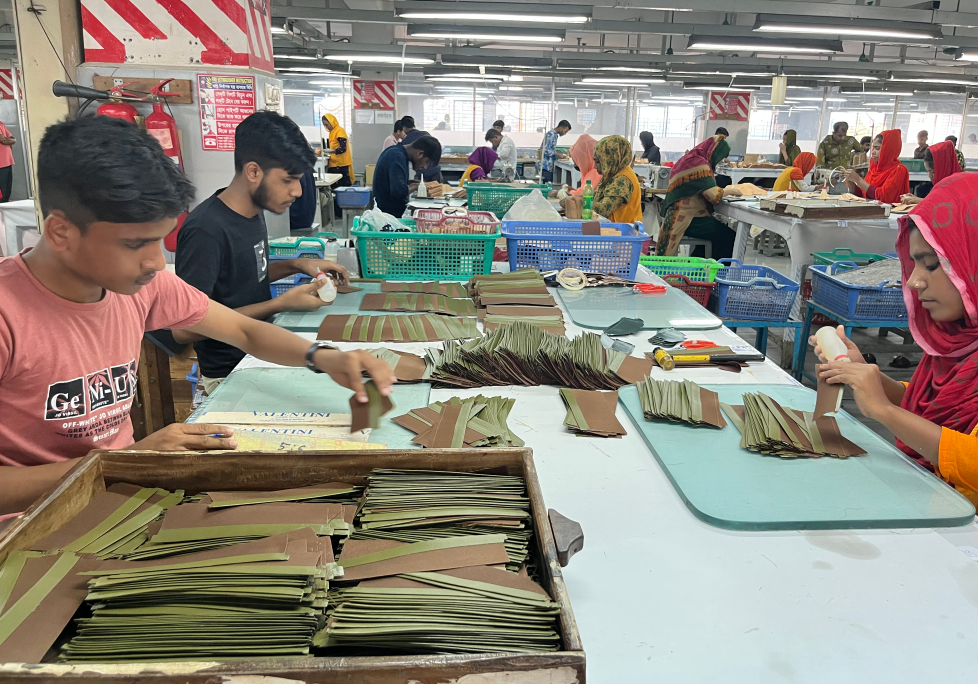
Jiuyue sits in Baiyun District, Guangzhou. It runs more like a specialist workshop than a volume factory. They support both OEM and ODM. The focus is on craft quality and design collaboration — not speed.
What makes Jiuyue worth considering for designer brands:
-
Very low MOQ: 20–50 pcs/style/color is the standard working range. Pilot runs of 10 pcs are available at a higher price point. This is useful for testing a new structure before committing to a full capsule launch.
-
Handcraft finishing standards: Hand-stitching at stress points — handles and gussets — at 6–8 stitches/cm. Edge painting runs 3–4 coats with sanding at 600–800 grit between each coat. That matches the finishing standard you’d find at higher-end European OEM workshops.
-
Custom development depth: You get logo embossing, custom dimensions, leather selection across multiple grades, and hardware finishes matched to your brand palette. Bring a tech pack or a sketch. Their team turns it into a physical prototype.
Pricing structure for small-batch genuine leather:
|
Batch Size |
Est. Ex-Factory Price |
|---|---|
|
20–50 pcs/style |
US$35–80/pc |
|
10–20 pcs (art collab / special technique) |
US$80–150/pc |
At a standard 3–5× retail markup, a US$80 ex-factory piece lands at US$240–400 retail. That’s solid pricing for independent designer drops and limited editions.
Realistic capacity: A handcraft team of 10–20 artisans turns out 1,000–3,000 structured bags per month. That scale fits capsule launches and pre-order drops well. It’s not built for 10,000-unit fast fashion restocks.
Best fit: Independent designers, emerging luxury labels, and niche e-commerce brands. Specifically those who need premium genuine leather construction at an accessible wholesale cost. Craft standards are on par with Italian or Spanish artisan workshops — at 30–50% lower cost.
Not ideal for: High-volume orders with short lead times. Need 5,000+ units in under 30 days? Jiuyue’s workshop model isn’t set up for that pace.
12. HerminFashion — Vegan & PU Leather Handbag OEM for Sustainable-Focused Brands
Vegan PU leather isn’t a side offering at HerminFashion — it’s their core competency. This China-based OEM manufacturer builds collections around non-animal materials. That makes it a solid fit for DTC brands that lead with cruelty-free positioning.
Material range goes beyond basic PU:
– PU leather — synthetic, cruelty-free, suitable for mid-price vegan collections
– Cork — renewable, lightweight, water-resistant
– Pineapple fiber (Piñatex-type) — plant-based, made from agricultural waste
– Recycled fabrics — GRS-grade recycled polyester available for linings
These options give sustainable brands real flexibility across price points. Use PU for core SKUs. Save cork or pineapple fiber for hero pieces targeting Scandinavian or German eco-fashion markets.
OEM workflow is brand-first by design. HerminFashion puts it plainly: “We serve original brand designs only.” Their four-step process runs from design brief → prototype → QC refinement → bulk production. No generic catalog styles get pushed on you.
Benchmarks for PU handbag OEM:
|
Metric |
Range |
|---|---|
|
MOQ |
100–300 pcs/color |
|
Sample lead time |
7–15 days |
|
Bulk production |
30–45 days after sample approval |
|
Est. FOB price |
US$6–15/pc (mid-grade PU) |
Before placing a bulk order, run these due-diligence steps:
– Request material data sheets for every vegan material used
– Ask whether PU coatings are chrome-free and low-VOC
– Confirm OEKO-TEX or GRS certificates from their material mills — not just a verbal claim
– Run third-party lab tests for azo dyes, phthalates, and heavy metals against EU REACH or US CPSIA standards
Best fit: Mid-price vegan handbag brands targeting US or EU markets at the US$60–200 retail range. This works well for DTC labels that need unique OEM designs — not restyled stock bags — with a cruelty-free material story built in from day one.
Not ideal for: Brands that need pre-verified BSCI or ISO factory audits upfront. Confirm certification scope before you start sampling.
OEM vs ODM: Which Model Fits Your Brand Stage?
Two factories can produce the same bag. The difference is who owns the design. That single decision shapes your timeline, upfront cost, and risk exposure.
OEM (Original Equipment Manufacturing): You supply the tech pack. The factory builds to your exact specs. You get full creative control. Plan for 3–6 months from brief to bulk shipment. Add tooling or multi-round sampling, and that timeline stretches further.
ODM (Original Design Manufacturing): You pick from the factory’s existing catalog, add your logo and packaging, and you’re done. Sample confirmation takes 1–2 weeks. Bulk ships in 15–45 days. Total time-to-market: 1–3 months.
The right model depends on where your brand stands right now:
|
Brand Stage |
Annual Revenue |
Recommended Model |
|---|---|---|
|
Validation |
Under $50K |
100% ODM |
|
Growth |
$50K–$200K |
Top SKUs via OEM + remaining via ODM |
|
Mature |
$200K+ |
Core line OEM, new/test styles ODM |
Starting out? ODM keeps MOQs at 100–300 pcs/style. Development cost upfront is close to zero. Go the OEM route at this stage, and you’re absorbing $10K–$50K in tooling and sampling — before a single unit sells.
Scaling up? Move your 2–3 proven bestsellers to OEM. At enough volume, OEM handbag unit costs run 10–30% lower than equivalent ODM pricing. Plus, you own the design IP outright.
The practical move: run ODM every season to test new styles in batches of 100–300 pcs. Track conversion, reorder rate, and return rate for 90 days. Any style that lands in your top 20% for three straight months is a strong candidate for OEM development.
How to Evaluate & Vet a Chinese Handbag Factory Before Ordering
Picking the wrong factory costs more than money — it costs months. Here’s a practical framework to qualify any Chinese handbag supplier before you commit to bulk production.
Verify It’s a Real Factory, Not a Trading Company
Ask for a business license scan, floor photos, production line video, and facility size. A real mid-size handbag factory employs 80–300 workers. It covers 2,000–8,000 m² and puts out 10,000–50,000 units/month. Numbers far outside this range? Ask a follow-up question.
Check Certifications — Then Verify Them
ISO 9001 is the baseline. Brands selling into EU or US markets should also look for BSCI or SMETA. Don’t just accept a certificate scan. Go to the issuing body’s official website and cross-check the certificate number directly.
Audit Options: Third-Party vs. In-Person
Third-party auditors — SGS, Bureau Veritas, Intertek — charge USD 500–900/day. They deliver standardized reports with photos. Use them first to filter out weak suppliers. Save in-person visits for your top one or two finalists.
Evaluate Samples Against These Four Criteria
-
Stitch density: 3–4 stitches/cm at stress points (handles, base seams). Below 2.5/cm signals poor durability.
-
Hardware strength: Pull handles and hardware connections by hand at ~15–20 kgf. Run zippers 20–30 times. Any slippage or skipping is a red flag.
-
Odor test: Seal the sample for 24 hours. A sharp chemical or solvent smell points to low-grade adhesives or non-compliant materials.
-
Color consistency: Under D65 lighting, ΔE ≤ 1.0–1.5 across all components. Ask for lab dip confirmation records.
Lock In the Right Documents Before Bulk
Three documents protect your order:
-
NDA — covers design files, patterns, and logo. Keep it valid for at least 3–5 years.
-
Sample Approval Sheet — locks dimensions (±2–3 mm), weight (±5–10%), materials, and hardware specs. Both sides sign this before production starts.
-
Quality claim clause — set an acceptable defect rate (≤2% is standard). Spell out the remedy clearly: rework, replacement, or partial refund. Include third-party pre-shipment inspection at AQL 2.5. Make sure claims stay valid within 30–60 days of delivery.
Quick Comparison: Which Factory Matches Your Brand Needs?
Each brand stage calls for a different factory. Use this table as a quick reference.
|
Factory |
Best For |
MOQ |
Material Focus |
Certifications |
|---|---|---|---|---|
|
Sitoy Group |
Enterprise-scale luxury OEM |
1,000–3,000 pcs |
Genuine leather |
ISO 9001, REACH |
|
Superl Group |
EU/Japan mid-high export |
200–500 pcs |
Top-grain leather |
REACH-ready |
|
Milo Leather |
Startups, custom development |
Low MOQ |
Leather + accessories |
— |
|
Hetebag |
E-commerce, fast SKU testing |
100–300 pcs |
PU + genuine leather |
Nickel/lead-free |
|
B.S. Bag Factory |
First-time OEM buyers |
50–200 pcs |
PU + genuine leather |
— |
|
Honeyoung Bag |
Wholesale, multi-category |
500 pcs |
Mixed |
— |
|
Guangzhou Xianglu |
Fast fashion, corporate gifting |
300–500 pcs |
PU/synthetic |
— |
|
Guangzhou Senrong |
Private label, EU/US mid-range |
Contact factory |
Canvas/nylon/PU |
Contact factory |
|
Guangzhou Gionar |
Premium private label |
Contact factory |
Genuine leather |
— |
|
Hongya Leather |
Unisex + accessories collections |
150–300 pcs |
Leather + PU |
ISO 9001, BSCI |
|
Jiuyue Leather |
Designer, niche, small-batch |
20–50 pcs |
Genuine leather |
— |
|
HerminFashion |
Vegan/sustainable DTC brands |
100–300 pcs |
PU + vegan materials |
GRS available |
Not sure which one fits your brand? Match your revenue stage to a factory tier:
– Startup (under $50K revenue): Jiuyue, Milo, B.S. Bag Factory — low MOQ, plus hands-on development support
– Growing brand ($50K–$200K): Hetebag, Xianglu, Hongya — you get speed, flexibility, and BSCI options
– Scaled brand ($200K+): Sitoy, Superl — strong compliance infrastructure and high-volume production capacity
FAQ: Custom Handbag Sourcing from China
These questions come up in almost every sourcing conversation. Here are direct answers.
What’s the typical MOQ for custom handbags in China?
It depends on the model and material:
– ODM (existing factory styles): 100–300 pcs/color
– OEM with PU or standard leather: 300–500 pcs/style
– Full OEM with complex hardware and genuine leather: 1,000–3,000 pcs/style
Want to push the MOQ lower? Bundle styles that share the same material and color. A tote (150 pcs) + shoulder bag (150 pcs) + pouch (200 pcs) = 500 pcs total. That’s enough for most factories to run a material lot with no pushback.
How long does the whole process take?
Here’s a realistic breakdown for a first ODM order at 500 pcs via sea freight:
– Sampling + one revision round: ~3 weeks
– Bulk production: ~4 weeks
– Sea shipping + customs + local delivery: ~3 weeks
– Total: 10 weeks (2.5 months)
Full OEM handbag with 2–3 sample rounds stretches to 13–18 weeks. Build that into your launch calendar.
How do I protect my design when working with a Chinese factory?
Three practical steps:
1. Sign an NDA covering design files, specs, and pricing before sharing anything
2. Add an exclusive production clause. This stops the factory from producing your design for other clients
3. Register your logo and design as a trademark or design patent in China before sampling starts. You get legal standing if a copycat issue comes up
What should a first-time buyer confirm before placing a bulk order?
Five things that prevent the most common problems:
– MOQ and test order terms — negotiate a 100–300 pc trial run with a clear scale-up plan
– Full written specs — list dimensions, material codes, hardware finish, color ratios, and target FOB price range. Get every detail down in writing
– Golden sample sign-off — never approve bulk without a signed reference sample. It locks all specs and removes guesswork
– Pre-shipment inspection — use AQL 2.5 with an independent inspector such as SGS, Bureau Veritas, or Intertek
– Payment and contract terms — standard is 30% deposit, 70% before shipment. Get an NDA and quality claim clause in writing before anything starts