
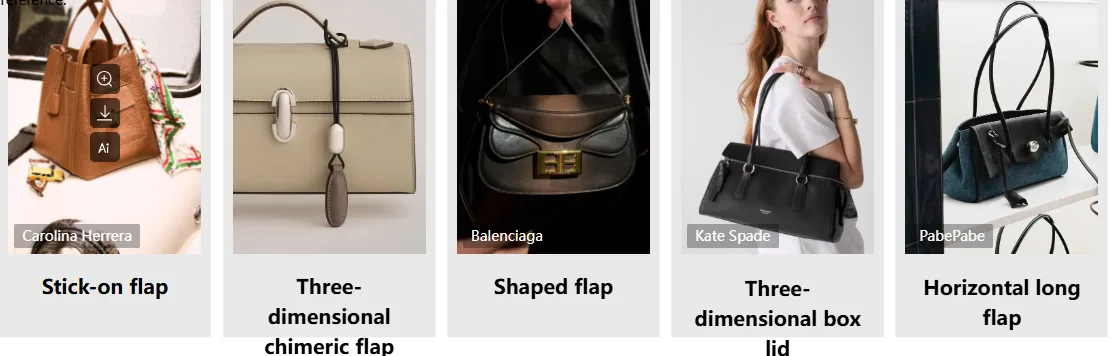
In today’s evolving fashion market, Women’s Work Bags are no longer defined by basic functionality alone. They are rapidly transforming into value-driven products shaped by craftsmanship, material innovation, and design differentiation. According to data from Google Trends and Pinterest Trends, search demand for “work bags” remains consistently strong, reflecting stable, scenario-based purchasing needs. At the same time, interest in “bag craftsmanship” has surged, signaling a clear shift toward premiumization and quality-focused consumption.

From a consumer perspective, the demand for Women’s Work Bags is increasingly concentrated among younger audiences. Women aged 18–34 dominate search traffic, with Gen Z favoring trend-driven and expressive designs, while young professionals prioritize functionality, durability, and refined aesthetics. This dual demand structure is reshaping how brands and manufacturers approach product development—balancing fashion appeal with practical performance.

For B2B buyers, wholesalers, and private label brands, this presents a clear opportunity: upgrading traditional work bags through advanced bag construction, flap design innovation, and high-quality materials. In particular, flap structures are evolving from simple closures into key design elements that enhance both usability and perceived value, making them a critical focus in OEM & ODM Women’s Work Bags development.
5 Flap Craftsmanship Trends for Premium Design
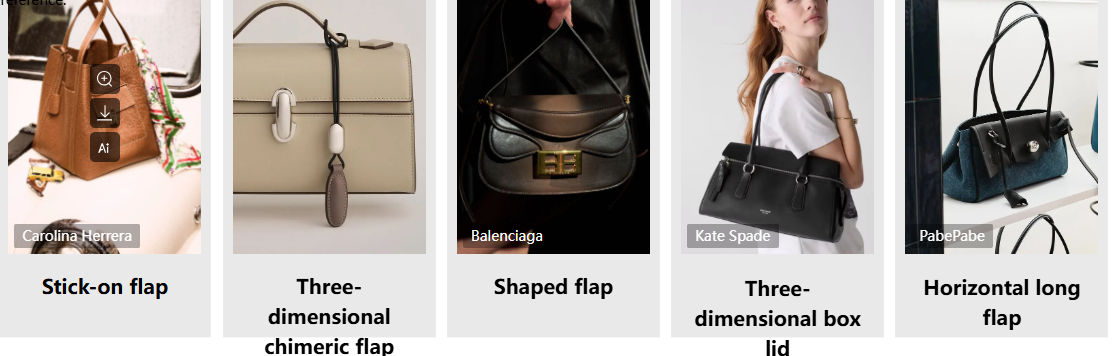
As the boundary between commuting and casual lifestyles continues to blur, the global fashion narrative is shifting from “minimalism revival” to “texture-driven reconstruction.” Within this evolution, Women’s Work Bags are no longer defined by simplicity alone, but by how structure, craftsmanship, and material expression elevate everyday functionality into premium design.
This report focuses on five key flap craftsmanship techniques—patch-style construction, three-dimensional embedded flaps, irregular cutting structures, horizontal elongated flaps, and structured box flaps—to decode the latest design language seen in high-end Women’s Work Bags. Drawing inspiration from leading luxury brands, these techniques represent a new balance between practical usability and refined aesthetics, offering clear direction for product development.
From spatial layering and dimensional opening systems to sharp yet elegant cutting lines, and from signature hardware details to functional design integration, flap construction is evolving into a core value driver. It is no longer just a closure, but a defining visual and structural element that enhances both usability and perceived quality.
In an era where consumers increasingly favor “less but better” and timeless over excessive design, these five craftsmanship directions provide forward-looking yet commercially viable solutions for brands, wholesalers, and manufacturers. For B2B buyers, especially those developing OEM & ODM Women’s Work Bags, leveraging flap innovation is becoming a key strategy to achieve product differentiation, higher margins, and long-term market relevance.
1. Attached Flip Cover
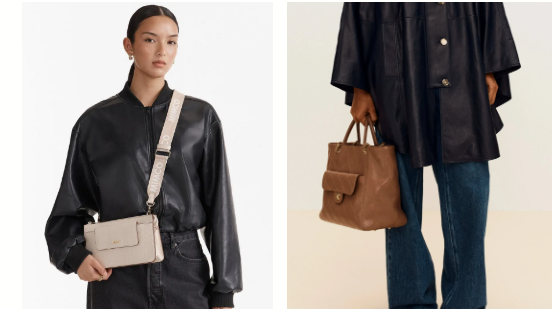
The core of the patch-style flap design lies in adding a small, independently constructed flap to the exterior of the bag body, combining both decorative and functional value. This mini flap is attached externally—either as an overlay or an add-on element—without disrupting the overall silhouette of the main bag. As a result, it serves as a distinct visual highlight separate from the primary structure.
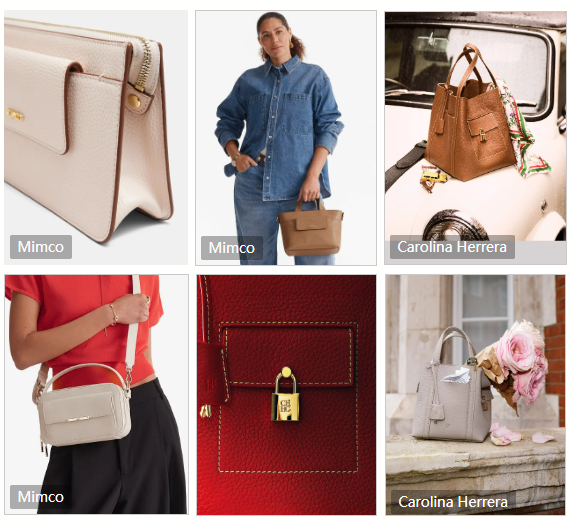
Patch-Style Flap — Design Case
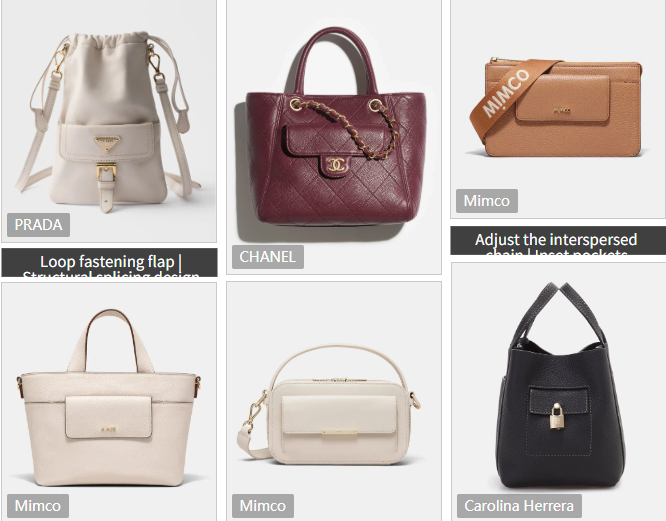
Without altering the core structure of the main bag, an independently attached mini flap enhances storage convenience while serving as a key detail for strengthening brand identity. This design approach effectively meets the needs of different age groups across multiple usage scenarios, making it an important innovation direction for modern commuting and casual bags. It also offers strong potential for custom women’s bags, enabling brands to create distinctive, market-ready designs through functional and visual differentiation.
2. Three-Dimensional Embedded Flap
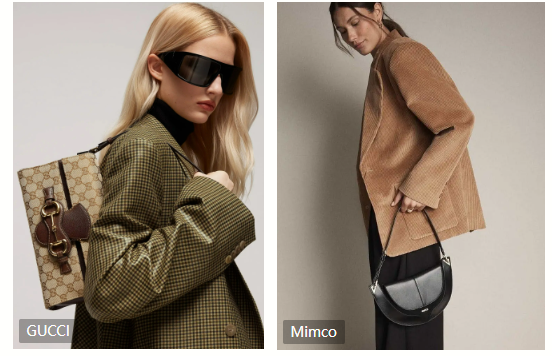
This series focuses on the concept of the three-dimensional embedded flap, where the core lies in creating a precisely interlocked structure between the flap and the bag body. Through three key techniques—spatial layering, flat insert closures, and contour-aligned lines—the flap integrates seamlessly with the main structure while maintaining a strong sense of craftsmanship and functionality.
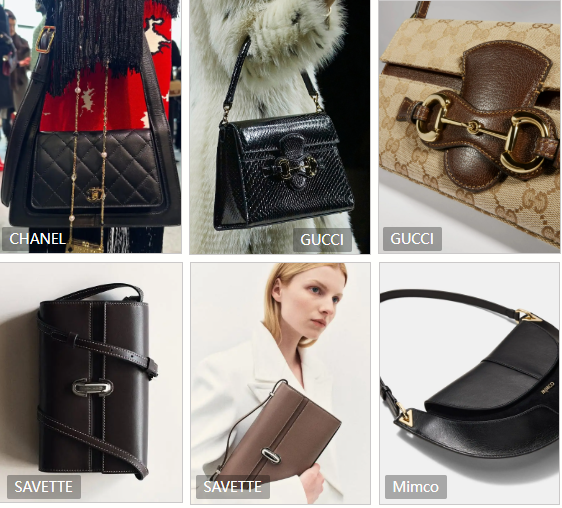
This construction not only enhances usability but also serves as a refined expression of premium design language, making it a signature detail for brands. It reflects the growing trend of lightweight luxury in modern commuting and casual bags, especially in the development of custom women’s bags, where structural innovation plays a crucial role in product differentiation.
Three-Dimensional Embedded Flap — Design Case
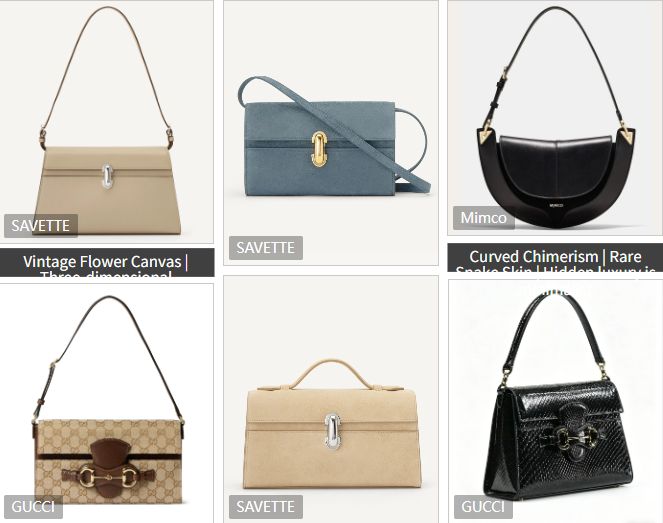
The three-dimensional embedded flap showcases diverse innovative applications across various bag types, materials, and brands, representing a key trend toward modular construction, brand signature expression, and material diversification.
By creating an interlocking, nested structure between the flap and the bag body, this design delivers a more architectural and structured appearance, enhancing both form and stability. The result is a clean, refined silhouette that reinforces a minimalist commuting aesthetic, making it highly relevant in the development of custom women’s bags where structure, identity, and premium perception are essential.
3. Irregular Flap
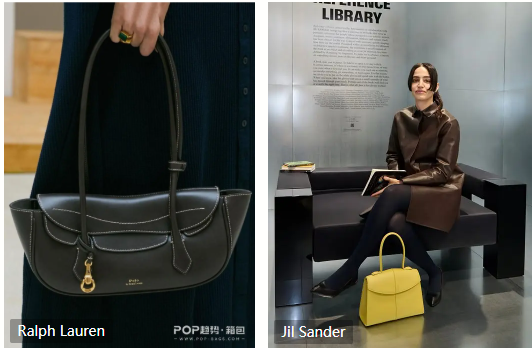
The core of the irregular flap lies in the use of asymmetrical curves, exposed stitching details, and contrasting-color flap designs. These techniques break away from the monotony of traditional rectangular flaps, introducing subtle yet dynamic design elements within a minimalist framework.
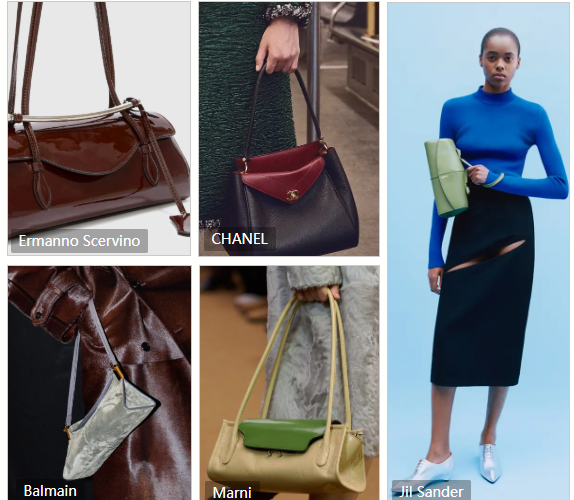
This approach brings a more expressive visual language to conventional flap constructions, balancing practical functionality for commuting scenarios with refined aesthetic appeal. At the same time, it serves as a key detail for brands to communicate identity and attract younger consumers, making it an important design direction in custom women’s bags development.
Irregular Flap — Design Case
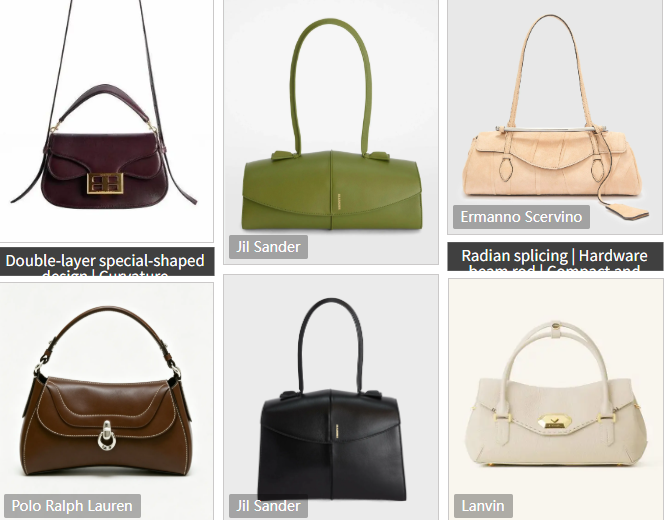
This design adopts geometric segmentation and three-dimensional splicing techniques to create a sharp, architectural silhouette. It also explores layered curved or wave-like constructions, such as double-layer saddle-shaped flaps and wave-edge flaps. For example, designs inspired by Balenciaga’s saddle-style double flap and Polo Ralph Lauren’s wave-edge flap use layered curves to enhance fluidity and movement.
By introducing controlled irregularity and rhythmic layering, the design adds a sense of dynamism while maintaining structural clarity. It conveys a vintage-inspired elegance with a relaxed attitude, making it a distinctive direction in modern flap design for custom women’s leather bags, where expressive form and wearable sophistication are equally valued.
4. Structured Box Flap
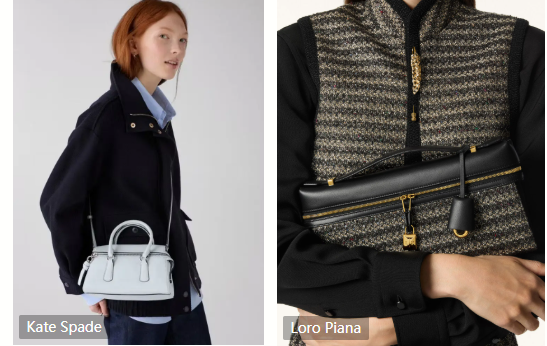
Through three key techniques—three-dimensional zipper opening construction, material patchwork, and extended zipper detailing—the traditional flap is upgraded into a more structured, box-like form. This design breaks the monotony of soft, unstructured silhouettes and transforms the bag into a more architectural and dimensional shape.
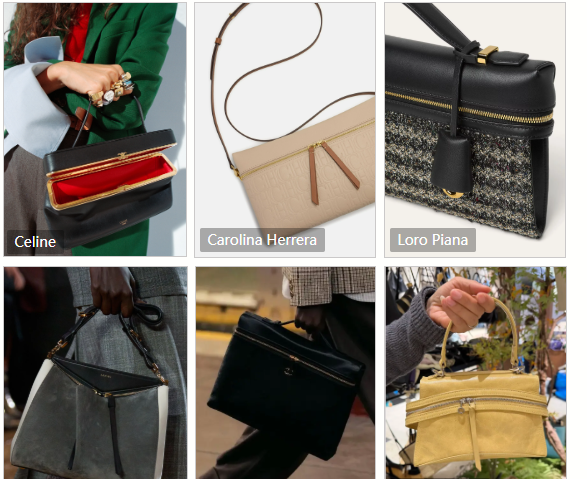
By combining boxy geometry with material contrast, the overall design gains enhanced visual rigidity and refined detailing, delivering a stronger sense of modern craftsmanship and premium aesthetics. This structure is widely applied in the development of custom women’s bags, offering brands a clear direction for creating more distinctive and high-value product designs.
Structured Box Flap — Design Case
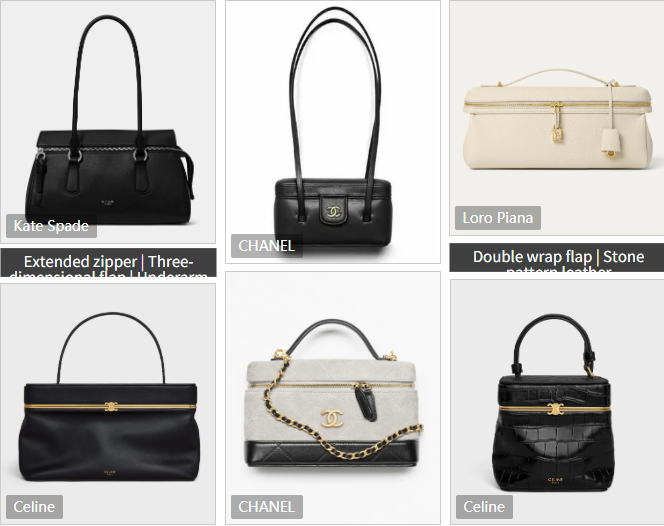
The core of the structured box flap lies in combining a box-like structure, zipper opening system, and refined decorative details, upgrading the traditional flap into a more sophisticated, box-shaped three-dimensional form. This design not only meets the storage and carrying needs across different scenarios, but also serves as a key detail for brands to express premium craftsmanship and distinctive design language.
It is widely applied in the development of custom women’s bags, helping brands enhance product value, improve structural functionality, and achieve a more elevated and modern aesthetic positioning.
5. Horizontal Elongated Flap
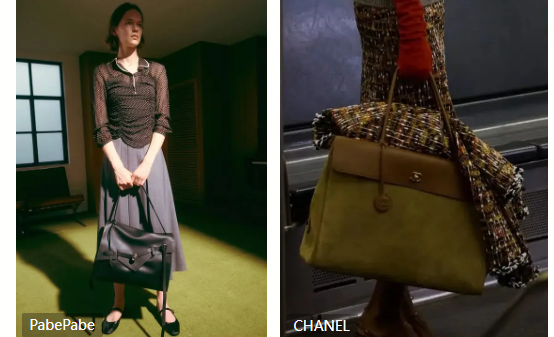
The horizontal elongated flap represents a balanced innovation combining horizontal proportion aesthetics, material contrast, and a relaxed design expression. Through partial fitting and an extended horizontal silhouette, it introduces an elegant and elongated visual language without compromising the original texture and structure of the bag body.
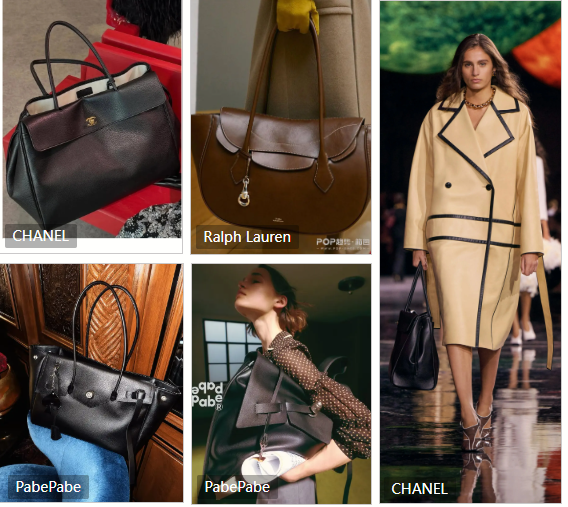
This design infuses traditional flap construction with a more fluid and open horizontal character, effectively conveying a sense of vintage elegance and premium craftsmanship. It serves as a key technical and aesthetic detail in modern bag development, especially in custom women’s bags, where refined proportion control and elevated material expression are essential for brand differentiation.
Horizontal, Elongated Flip-Top — Design Case Study
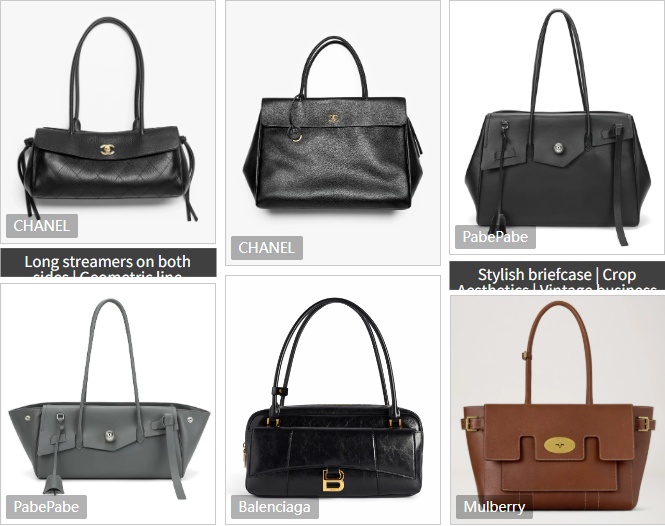
The flap is designed as a horizontal elongated piece that sits flush against the surface of a baguette-style bag. Combined with partial cut-out details and strap fastening structures, it enhances the clean silhouette through strong horizontal lines, delivering a dual aesthetic of vintage business elegance and minimalist relaxed style.
This design also conveys a refined tone that balances understated practicality with a premium, high-end texture, making it a distinctive approach in modern custom women’s bags development.
Summary
The 27/28 Fall/Winter bag craftsmanship trends will evolve around three core directions: structural lightweight design, symbolic expression, and long-term scenarized usage.
In terms of visual expression, the combination of brand-signature details and material texture contrasts transforms basic craftsmanship into a powerful visual language that communicates style identity and brand positioning.