You’ve finished your custom leather bag design. The sketches are approved. Production starts. Then 500 units arrive with broken zippers, odd-looking straps, and leather that matches nothing you wanted.
Pre-production bag samples stop this nightmare. They protect you from expensive mistakes. A single prototype shows design problems before you spend thousands on bulk orders. It confirms your quality standards. Every detail gets checked from concept to final product.
Launching a new handbag line? Sourcing corporate gifts? Pre-production samples make the difference between smooth production and disaster.
Here are five key reasons to never skip this step. Samples save you time, money, and your reputation.
Let the Design “Try First” Before Making the Real Bag
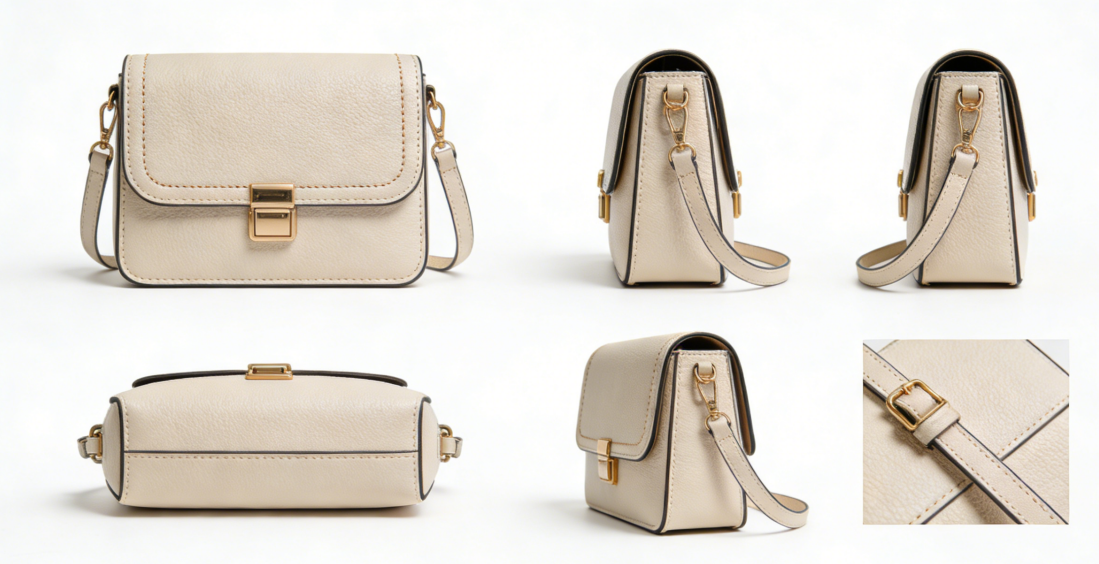
A pre-production sample is like a “test version” of your bag.
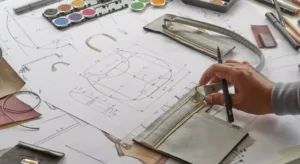
Drawings show the idea. But only a real sample shows what the bag will truly look and feel like when the leather bag is manufactured in the factory.
With this sample, you can check simple things:
- Will the shoulder strap break
- Is the zipper easy to pull
- Are the handles strong enough
This step is not about checking workers. It is about checking if the design itself works when the leather bag is manufactured using real materials and real methods.
Metaphor
It’s like building blocks. A picture may look nice, but only when you build it can you see if it stands strong or falls down.
Testing Requirements Based on Risk Levels
Different bag parts need different confidence levels:
High-risk components require 95% confidence with 99% reliability. Load-bearing elements like shoulder straps or bottom reinforcements fall here. These parts fail? The entire bag becomes unusable.
Moderate-risk features need 95% confidence with 97% reliability. Hardware attachments, zipper pulls, or magnetic closures fit here. These fail? You get inconvenience but not total product loss.
Low-risk elements work with 95% confidence and 90% reliability. Decorative stitching, interior pockets, or brand labels fall into this category.
The baseline standard requires 59 samples with zero defects allowed to achieve 95% confidence and reliability. Most custom leather bag projects use smarter approaches though.
Worst-Case and Stress Testing Methods
Testing 1-5 units at worst-case design conditions gives 95% confidence that at least one sample exceeds your target limits. This assumes a 50/50 probability of meeting specs.
For leather bags, worst-case testing means:
- Maximum weight load in all compartments at once
- Extreme temperature exposure (hot car interiors, freezing conditions)
- Repeated opening/closing cycles at maximum speed
- Prolonged UV exposure for color fastness
Stress testing offers a strong alternative. Stress conditions cause 10 times more failures than normal usage? Just 5 samples under stress can replace 59 samples under normal conditions. Example: Typical use causes 5% zipper failures. Stress testing that produces 50% failures validates the same design confidence with far fewer samples.
Critical Sampling Strategy Considerations
Your samples must represent the entire design space. Testing perfect-condition prototypes creates a dangerous blind spot. Production varies across the full specification range. Your samples cover a narrow portion? Real-world production may fall outside acceptable performance ranges.
Choose representative sampling across:
- Different leather hide sections (neck, belly, back)
- Color batch variations
- Hardware supplier lots
- Assembly team shifts
This full approach catches problems that single-sample testing misses. One perfect prototype means nothing if production varies a lot.
Check Your Bag Sample for Fit, Function, and Structure
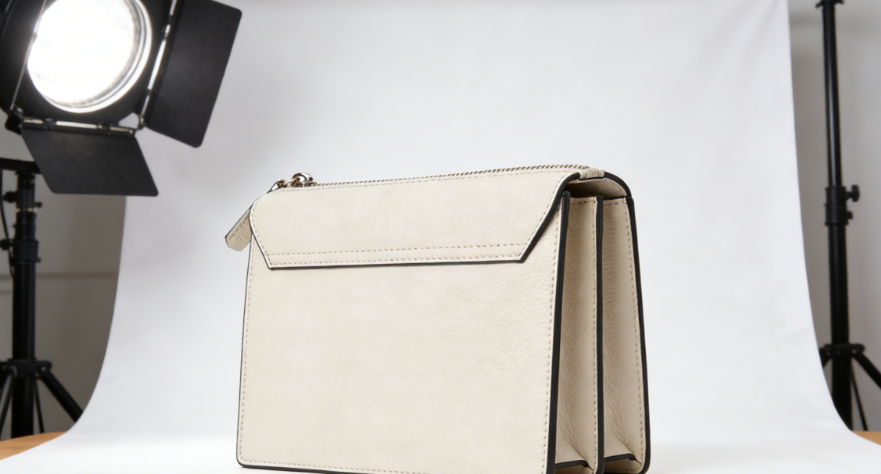
Making a physical sample of your custom leather bag helps you see if it really works in everyday use. This step tests performance, not just how the bag looks.
How to Measure Your Bag Sample
Before making hundreds of bags, check your sample carefully:
- Size and Shape – Measure the overall bag dimensions to match the design.
- Squareness – Compare diagonal corners (top right to bottom left vs. top left to bottom right). Big differences mean construction problems that could affect all bags in the batch.
- Alignment – Look at key points like bottom corners, top edges, and hardware spots. Parts should line up perfectly.
- Gaps and Depths – Use a small gauge to check overlaps and gaps. Standard tolerance is within 1.6 mm, both vertically and horizontally.
- Hardware Placement – Make sure zippers, buckles, and other metal parts are in the right spot.
Record all measurements in both metric and U.S. customary units.
These checks help you catch errors early. You won’t discover structural problems only after production, saving time and custom bag cost.
Ensure Quality Control and Craftsmanship Standards
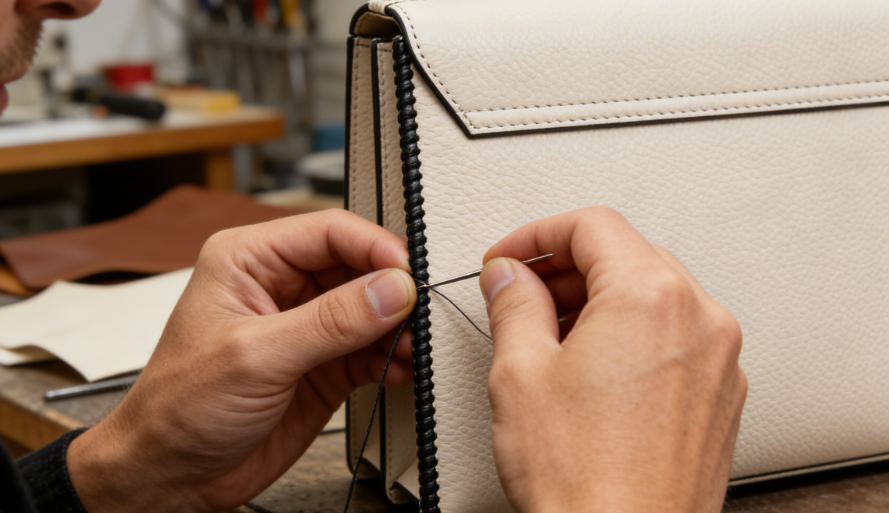
Pre-production samples set your baseline for acceptable craftsmanship. Making a custom leather bag without documented quality benchmarks creates chaos. Every factory sees “premium quality” in their own way. Your sample becomes the physical contract between you and your leather bag manufacturer.
Implementing Statistical Process Control Through Samples
Statistical Process Control (SPC) spots production variations before they become defects. Sample testing reveals natural process variation. These are the random fluctuations built into leatherworking.
Monitor these critical quality metrics from your samples:
- First-pass yield rates: Target >95% for production efficiency
- Defect rates per opportunity: Six Sigma standard of 3.4 DPMO (defects per million opportunities)
- Stitching consistency: Thread tension variations, stitch-per-inch counts
- Color matching accuracy: Spectrophotometer readings across hide sections
Real-time checks during sample bag production catch problems right away. Measure key points every 10 units during initial prototype runs. Deviations beyond tolerance trigger corrective action on the spot.
Use Your Bag Sample as the “Golden Standard” for Bulk Orders
Once your pre-production bag sample is approved, it becomes the “model bag” for all future production.
Take photos from every side.
Write down what materials are used.
Record where the leather comes from, which hardware batch is used, and what thread weight is chosen.
Also note how each part is assembled, step by step.
This kind of record helps custom bag manufacturers and buyers stay on the same page. If there is a problem later, you can compare finished bags with the approved leather bag sample. No guessing. No arguing. Only clear proof.
Focusing on quality the first time saves money.
Fixing defective bags costs much more than preventing mistakes early in bulk bag production.
When samples are well tested:
- Material waste is lower
- Labor cost is reduced
- Delivery time stays on schedule
It’s like baking cookies. If you keep one perfect cookie as a sample, every new cookie can follow it. If something looks wrong, you just compare it to the “model cookie.”
Get Client Feedback and Make Improvements

Pre-production samples give you the perfect chance to gather client input before bulk manufacturing. Physical prototypes close communication gaps that digital mockups can’t. Clients touch the leather. They test the zippers. They spot issues you never saw coming.
Customer satisfaction scores hit your bottom line hard. Buyers who rate their experience 10/10 spend 140% more than average customers. They stay loyal six times longer. Yet just 8% of customers rate their experiences as excellent. Meanwhile, 80% of businesses think they deliver top service. This gap kills profits.
Pre-production samples close this gap. They create feedback loops you can measure.
Measure Client Feedback During Sample Reviews
Track client responses using Customer Satisfaction (CSAT) metrics. Calculate CSAT as: (Positive responses / Total responses) × 100.
Industry benchmarks show:
– Below 50%: Poor performance needs quick redesign
– 70-90%: Good to excellent range (same as 3.5-4.5 out of 5 stars)
– Above 90%: Great client alignment
First Contact Resolution (FCR) matters just as much during sample rounds. FCR = (Issues resolved in first revision / Total issues identified) × 100. High FCR rates cut revision cycles. They speed up time to market.
Real results speak for themselves. CRM-linked feedback systems improve Net Promoter Scores three times faster than manual tracking. AI-powered tools resolve design concerns 30% faster. They boost satisfaction by 21%.
Put Iteration Processes to Work
When reviewing feedback, don’t rely on numbers alone. In custom bag manufacturing, many buyers won’t complain about a leather bag sample—they simply won’t reorder.
Post-sample surveys help OEM bag suppliers catch concerns early, improve bulk bag production results, and protect long-term B2B partnerships.
Break down feedback by client groups for better fixes:
– Boutique retailers want different features than corporate gift buyers
– Direct consumers care about looks while B2B clients want durability
– Different regions need specific tweaks
Watch engagement data throughout the sample review process. Delayed responses or less interaction means trouble brewing. Step in before clients pull away for good. Smart customer success programs deliver 91% ROI over three years. They stop expensive production mistakes through quick, organized feedback.
Cut Costs and Risks in Bulk Bag Production

Pre-production samples act as your financial shield. They protect you from costly manufacturing mistakes. Each dollar you spend on prototype validation saves $10-15 in bulk production fixes, rework, and wasted materials. Samples shift from optional expenses to profit protection tools.
Lock In Current Capacity and Pricing
Manufacturing capacity use jumped to 82.4% in 2025. That’s up 3.2% from 79.2% just months earlier. Factories fill up fast as demand rises. Pre-production samples secure your production slot before capacity tightens.
Price pressures keep climbing. Raw material costs increased 4.4% overall in 2026. Some periods hit 5.4%. Materials and services rose 4.2%. Labor and benefits added 3.2%. These aren’t one-time jumps. They compound year over year.
Approved samples lock in three cost protections:
- Material pricing agreements based on validated specs prevent mid-production price changes
- Production scheduling priority reserves leather bag factory capacity at current rates before demand drives prices higher
- Supplier commitments secure leather allocations from specific tannery batches at negotiated costs
Wait until after bulk production starts to finalize specs? You’ll face repricing talks with zero leverage. Samples give you contract protection with documented, approved standards.
Reduce Risk Through Production Scaling Data
Manufacturing firms increased production capacity 2.8% in 2025. Of those expanding, 33% grew by an average 12.7%. Top expansion methods: more personnel, new plant equipment, extended operating hours, and advanced equipment replacement.
Your pre-production samples reveal which capacity approach fits your custom leather bag line:
Personnel scaling works best when samples show labor-intensive hand-finishing takes most production time. Build complexity drives this choice.
Equipment investment makes sense when samples expose bottlenecks in cutting, edge finishing, or hardware attachment. Capital spending for manufacturing rose 3% in 2026. Automated metal-cutting tech eliminates precut inventory needs. Samples prove if this fits your hardware components.
Extended hours suits situations where sample production shows efficient workflows that just need more runtime. This avoids capital costs while meeting demand.
Sample data prevents expensive scaling mistakes. You don’t guess which capacity method works. You measure actual production traits and choose based on facts.
Conclusion
Skip pre-production samples? You’re gambling with quality, budget, and your brand reputation. It’s like building a house without blueprints. Those five reasons we covered aren’t just checkboxes. They’re your insurance against mistakes that derail production and damage client relationships.
Pre-production samples are crucial for custom leather bags. They turn uncertainty into confidence. You get solid proof that your design works. Your materials perform. Your manufacturer understands your vision. All this happens before a single bulk order starts production. That sample on your desk? It represents thousands of dollars you didn’t waste on bad inventory.
Ready to launch your custom leather bag line the smart way? Request pre-production samples from your manufacturer before committing to bulk orders. Ask the right questions about materials. Ask about construction methods. Ask about revision policies. The few weeks you invest now will save you months of problems later.
In custom bag manufacturing, measure twice, sample once, produce with confidence.