
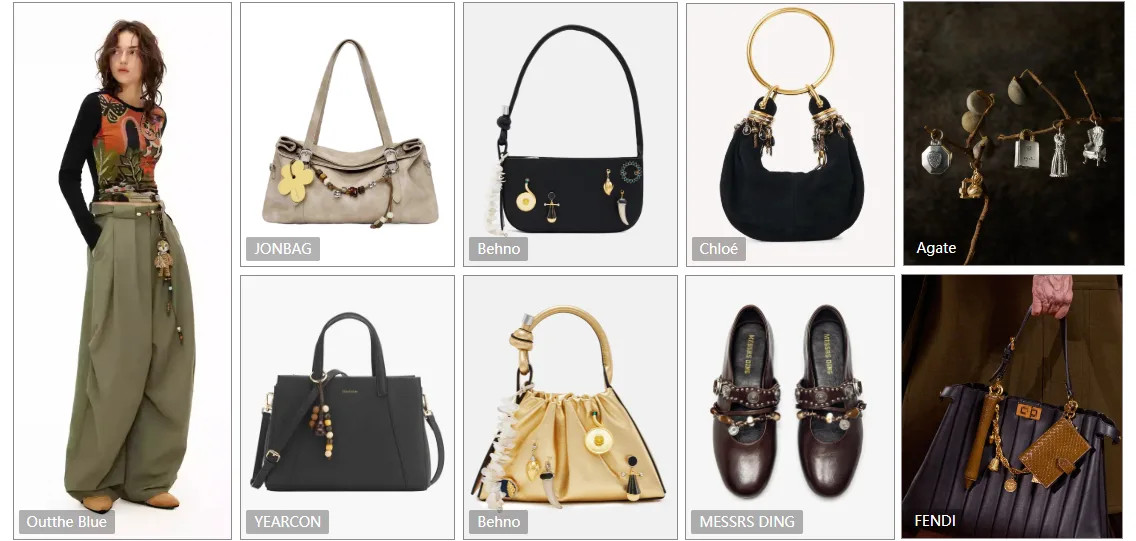
DIY bag charms are customizable accessories that allow consumers to personalize handbags or backpacks. They can range from small decorative pieces to meaningful symbols or even functional items, enabling self-expression and individuality. This trend aligns with the growing demand for personalized fashion and creative accessories. The DIY bag charm market is projected to reach 4.1 billion units by 2033, with a CAGR of 12.80% from 2025 to 2033, creating strong opportunities for bag accessories manufacturers and custom bag charm suppliers.

The plastic or metal piece used to connect small items to a keyring is known as a keychain pendant. Gifting jewelry has become increasingly popular among consumers, emerging as a key trend in the market. The global keychain pendant market is expected to be valued at USD 2.5 billion in 2026 and is projected to reach USD 4.2 billion by 2035, growing at a CAGR of 7% from 2026 to 2035.

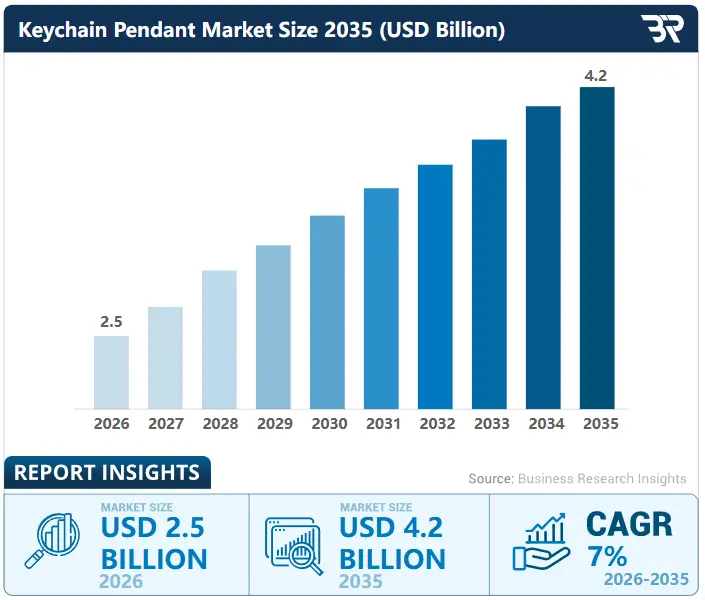
Rising demand for jewelry among women and teenagers worldwide is one of the major factors driving the growth of the keychain pendant market. In addition, the increasing consumer preference for personalized gifts is expected to have a positive impact on the global keychain pendant market, creating new opportunities for custom keychain manufacturers and OEM keychain suppliers over the forecast period.
Interpretation of Consumer Bag Charm Data

Consumer Pain Points: Safety Risks / Anxiety over Loss or Damage / Shopping Stress
Measures to Address Pain Points:
Brands should shift toward a modular geometric system, offering interchangeable charm combinations that empower consumers with the right of “secondary creation.” Users should be allowed to freely combine gemstones, engravings, and clasp structures, evolving jewelry charms from single finished products into continuously developing personal storytelling carriers.
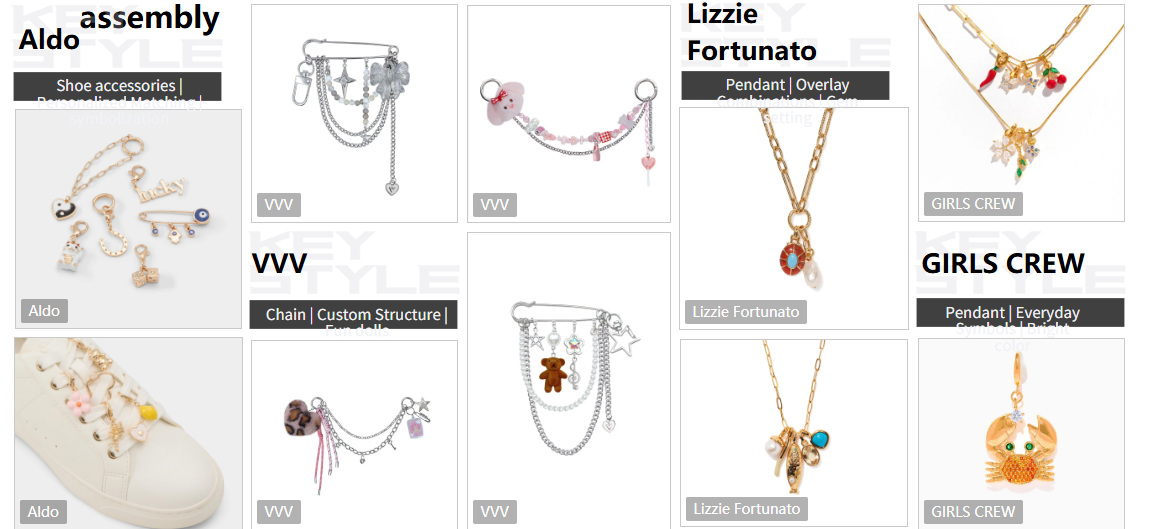
Solution 1: Develop a modular charm ecosystem, where base units (chains, hooks, connectors) are standardized, while decorative elements (charms, gemstones, initials) are fully interchangeable. This allows brands to build a scalable product system and encourages repeat purchases through mix-and-match customization.
Brands also need to reposition value from weight-based pricing to ethical attributes, introducing sustainable materials that effectively reduce consumers’ “premium anxiety” and transform price competition into value-based resonance. This high-dimensional branding strategy can precisely capture high-net-worth young consumers who are willing to pay a premium for sustainability and social responsibility.
Solution 2: Integrate sustainability storytelling into product design and branding, using recycled materials, traceable sourcing, and eco-certifications as core selling points. By shifting the narrative from material cost to environmental and social impact, brands can strengthen emotional connection and justify premium pricing in the customized jewelry and charm market.
Consumer Purchase Decision
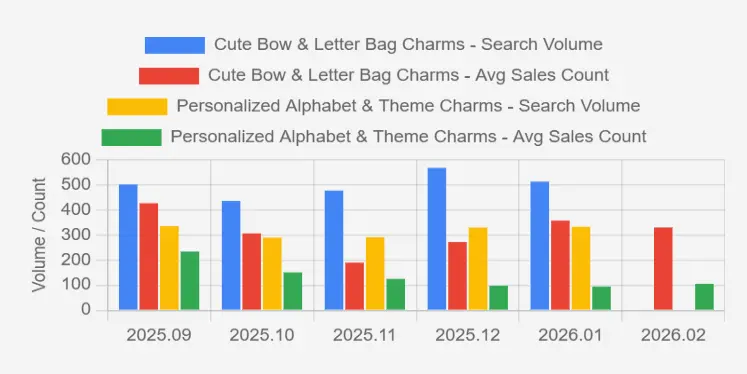
The current consumption trend of leather accessories is shifting from single functional utility toward a dual upgrade of emotional value with playful appeal + personalized expression. On one hand, stress-relief “fidget-style” accessories and multi-scenario practical mini bags continue to gain popularity, meeting young consumers’ demand for both a sense of relaxation and everyday functionality. On the other hand, iconic elements such as bows, letters, and message motifs are being reinterpreted through detachable structures, themed sets, and customizable alphabet designs, enabling a “one-of-a-kind for everyone” personalization approach.
This shift from “usable” to “fun, aesthetic, and exclusive” consumption has also made handcrafted textures and freely combinable bag charms a new growth driver in the market.
Fashionable Bag Charm Case Studies
This report provides an in-depth analysis of the steady expansion of the bag charm market size, with a focus on key segmented categories such as bag charms and pendant sales performance. By analyzing browsing behavior and purchasing data from social media platforms like Xiaohongshu, it captures underlying consumer concerns around value perception as well as rising demand for digital styling and mix-and-match personalization.
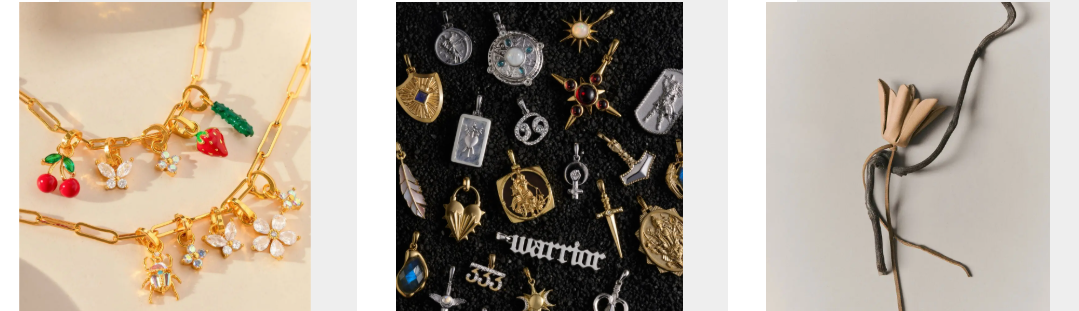
The core sections of the report define three differentiated consumer personas—“Rebellious Play Seekers,” “Spiritual Guardians,” and “Texture Slow Living Enthusiasts.” Combined with the latest micro-narrative trends from runway shows, the analysis ultimately derives three major design directions for Spring/Summer 2027: “Rebellious Playfulness,” “Daily Talismans,” and “Sensory Return.”
The goal is to provide forward-looking design insights and strategic guidance for custom bag charm suppliers and OEM accessory manufacturers in an era of full-sensory brand connection.
Rebellious & Playful Bag Charm Case Study
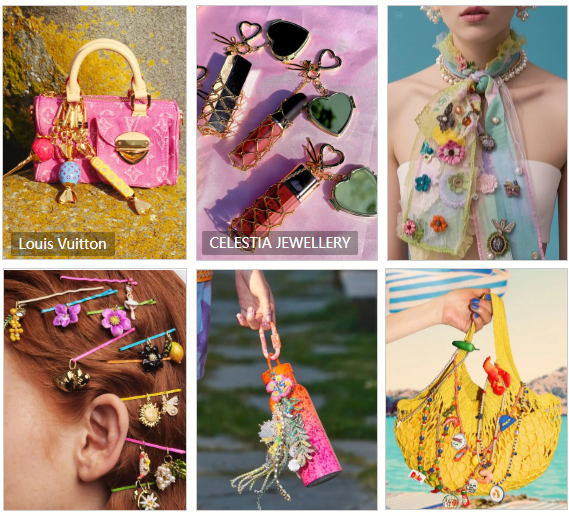
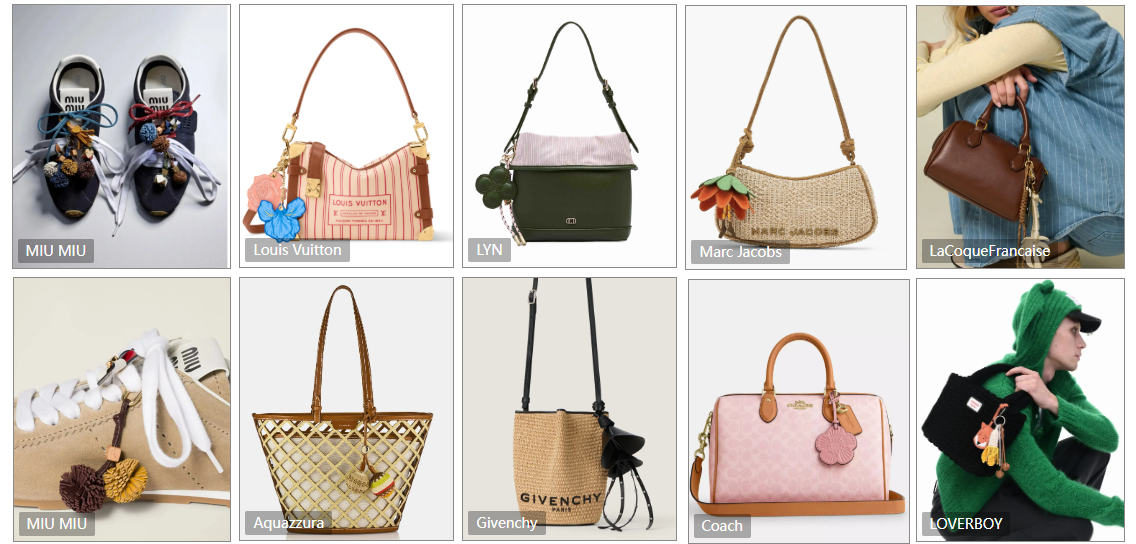
This trend represents a retaliatory response to digital fatigue, emphasizing a form of “childhood-inspired adult aesthetics.” For Spring/Summer 2027, designs will feature high-saturation color palettes, transparent synthetic materials, and exaggerated proportions, using strong visual impact to counterbalance real-world stress. This direction is driving strong demand in the custom bag charm market and reshaping innovation for OEM bag accessories manufacturers.
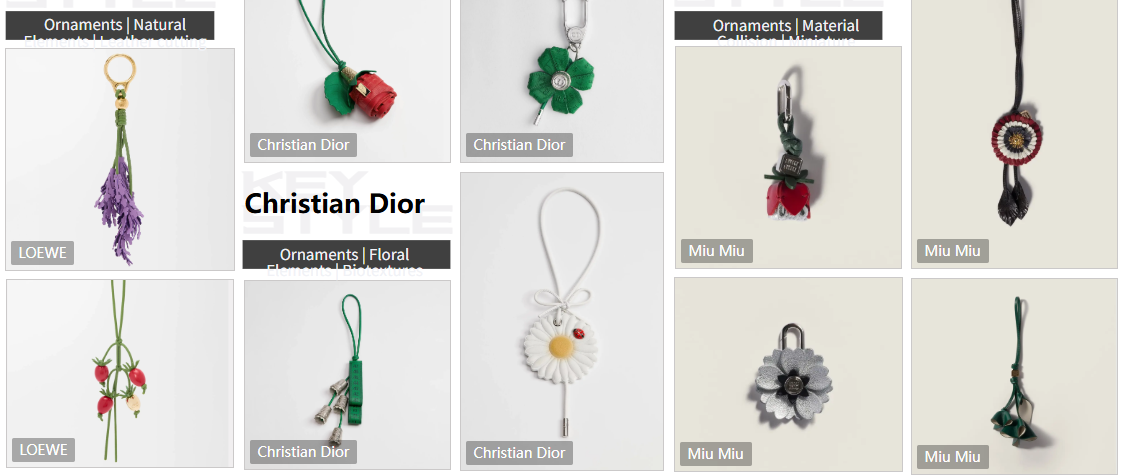
Bag charms are no longer static decorations; they are evolving into interactive interfaces that can be flipped, detached, and recombined. This “non-serious” design language brings unprecedented ease and humor into luxury products, turning them into core assets for Gen Z to express individuality on social media, while opening new opportunities for customizable bag accessories suppliers and brand differentiation in the global accessories market.
Bag Charm Design Case Study — Modular Assembly
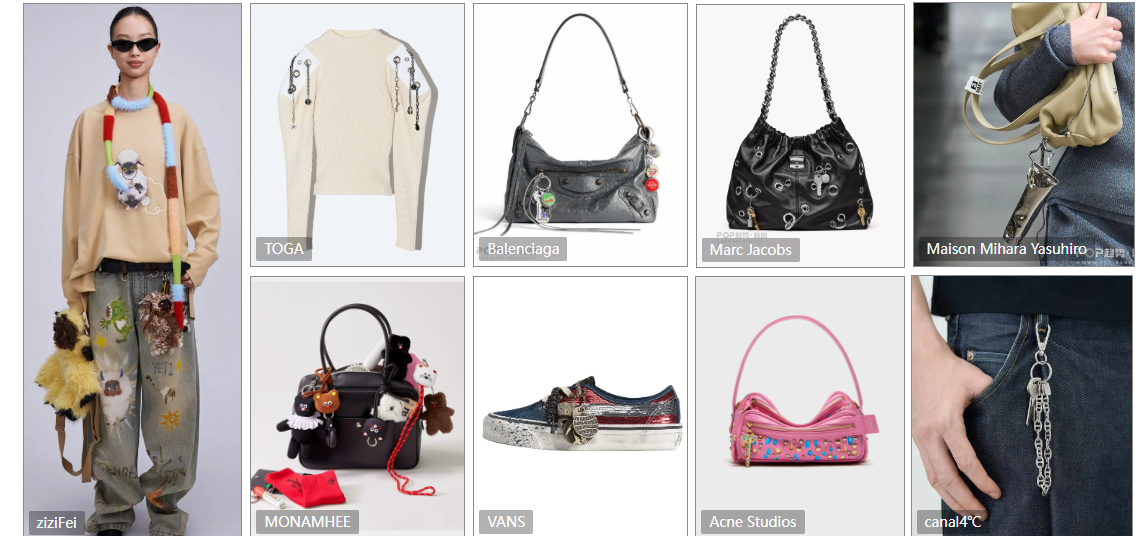
Everyday Amulet Bag Charm Design Case Study
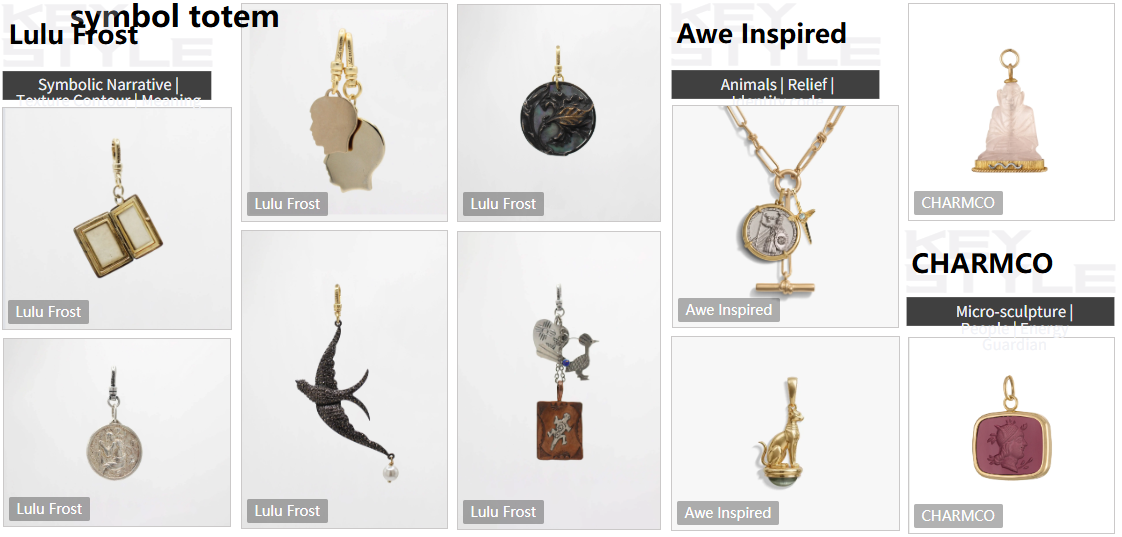
The growing desire for “certainty” is driving the rapid rise of modern talisman accessories. In design, this trend blends ancient religious totems, sacred geometry, and contemporary minimalist lines. Bag charms are being assigned highly specific symbolic meanings—whether for wealth, health, or protection from misfortune.
Influenced by the rise of the “metaphysical economy,” consumers increasingly prefer charms featuring zodiac elements or engraved blessings, using them as close-to-body emotional support items. This form of “spiritual narrative” significantly enhances the emotional premium of products and is creating new opportunities in the custom bag charm industry and for OEM accessory manufacturers focused on personalized talisman jewelry.
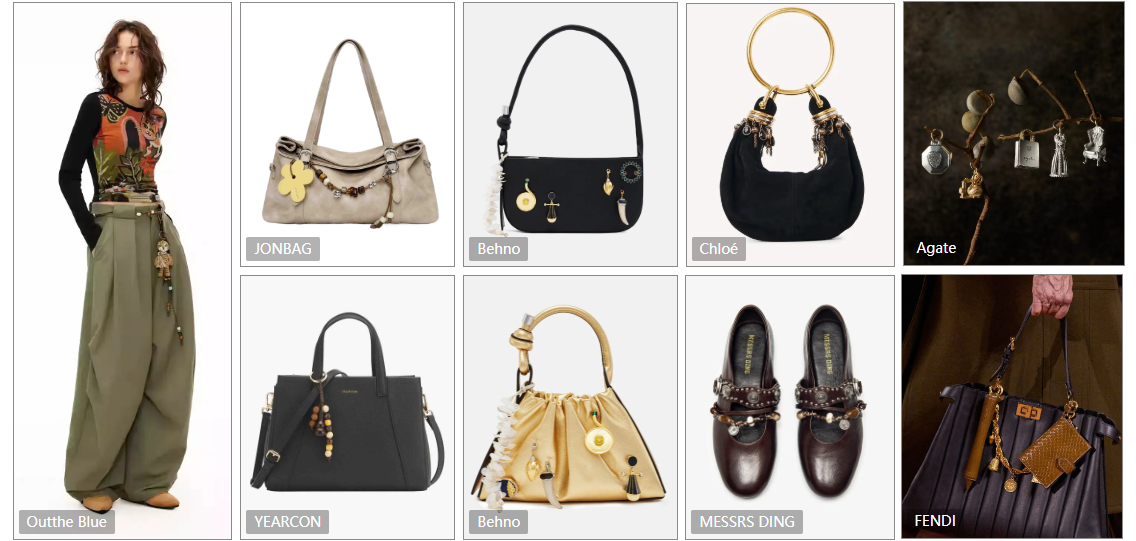
“Sensory Return” Talisman Pouch Bag Charm — Design Case Study
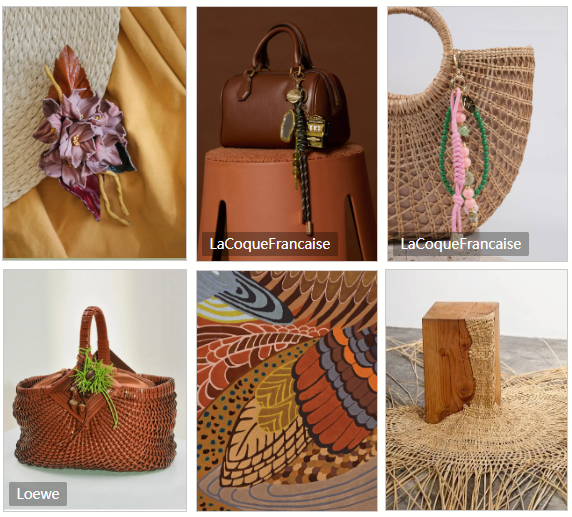
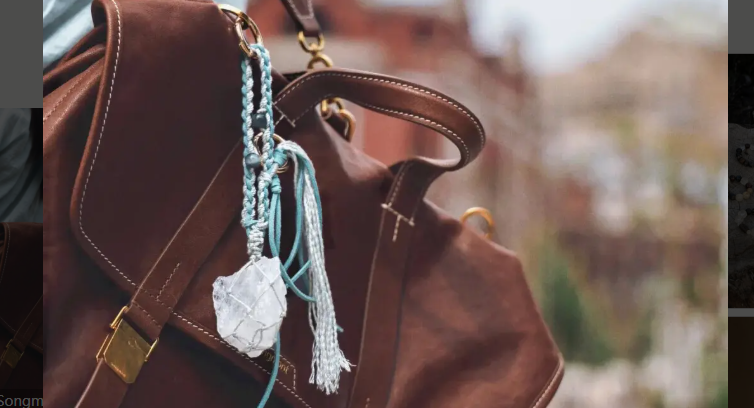
This represents a gentle resistance against the cold digital world, emphasizing the “honesty of materials.” Organic materials and weaving craftsmanship are becoming the core focus of design, where leather and natural fibers reveal unique tactile depth through complex artisanal processes.
The design direction embraces imperfect authenticity, such as the natural patina and oxidation marks on leather or the raw texture of woven knots. In this context, bag charms become carriers of “earthly warmth,” reflecting consumers’ deeper desire for slow living and ecological integrity. This shift is also reshaping the custom bag charm market and driving innovation among OEM bag accessory manufacturers focused on sustainable and artisanal design.
Conclusion
Overall, the evolution of bag charms reflects a broader shift in consumer mindset—from functional decoration to a multi-layered emotional, cultural, and sensory system. Across different directions, three forces are reshaping the category: playful resistance to digital fatigue, symbolic demand for certainty in uncertain times, and a renewed appreciation for material honesty and tactile experience. This transformation is accelerating growth in the custom bag charm market and redefining opportunities for OEM bag accessories manufacturers.
On one side, “childlike adult aesthetics” and interactive modular design transform bag charms into customizable interfaces, where consumers actively participate in creation through mixing, detaching, and recombining elements—turning design into a form of accessible “design democracy.” On another side, charms evolve into psychological defense objects, integrating ancient totems, symbolic protection, and micro-engraving craftsmanship, offering emotional stability and a sense of grounded energy in a volatile world, driving demand for customized bag charm suppliers and personalized accessory solutions.
At the same time, the return to organic materials and weaving textures highlights a deeper desire for authenticity and slowness. The imperfect patina of leather, the tactile density of woven structures, and the breathable nature of natural fibers together construct a “slow-growing aesthetic poetry,” reconnecting the body with nature in an increasingly digital environment.
Ultimately, bag charms are no longer simple accessories. They have become emotional interfaces, symbolic carriers, and sensory anchors—bridging individuality, spirituality, and material truth in the age of constant digital acceleration, while opening long-term growth potential for the global bag accessories wholesale and customization industry.