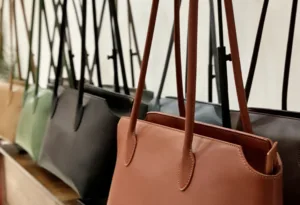
Knowing how to identify different leather types is essential when developing a leather tote bag, leather crossbody bag, or any bags leather bag collection. Each leather type differs in durability, texture, and cost, directly shaping product quality and brand positioning.
Choosing the right leather helps brands achieve better structure, comfort, and long-term performance. With strong manufacturing experience and Italian technical guidance, Sunteam supports clients in selecting the most suitable leather for their designs, ensuring consistent quality and reliable OEM/ODM production.
What Is Leather?
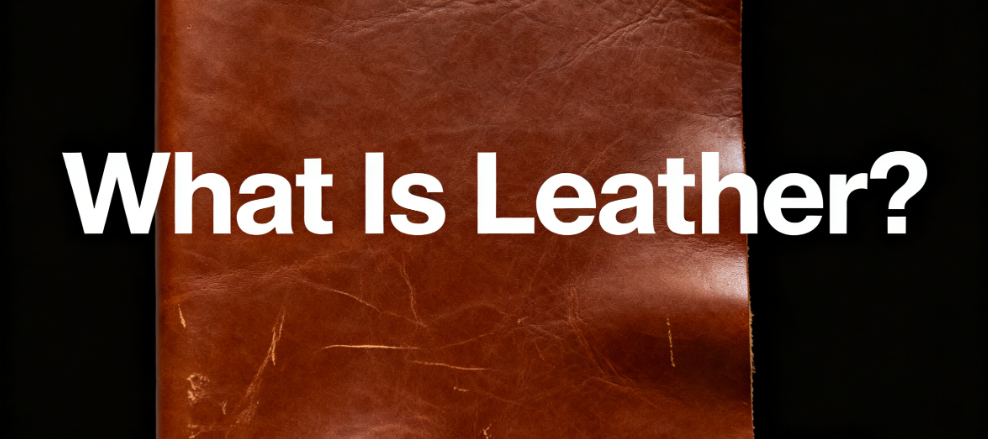
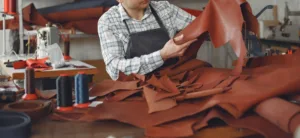
Leather is a durable and flexible material made from animal hides or modern synthetic alternatives. It becomes suitable for bags, shoes, and accessories after undergoing a series of treatments that enhance its strength, appearance, and longevity. Understanding what leather is—and how it’s processed—helps brands choose the right materials for high-quality designs.
Animal Leather vs. Synthetic Leather
Animal Leather
-
Made from the hides of animals, featuring natural grain and strong fibers.
-
Develops a unique patina over time, enhancing the character of the product.
-
Highly durable, ideal for premium bags leather bag, leather tote bag, and leather crossbody bag.
Synthetic Leather
-
Includes PU, PVC, and plant-based vegan leather.
-
Offers uniform texture and a wide range of colors.
-
Lightweight, easy to maintain, and increasingly popular for eco-conscious bag brands.
Leather Processing Basics
1. Tanning
-
Converts raw hides into stable, long-lasting leather.
-
Common methods: vegetable tanning and chrome tanning.
-
Affects leather’s softness, durability, and color retention.
2. Dyeing
-
Applies color through dyes or pigments.
-
Determines shade, uniformity, and overall visual style.
3. Finishing
-
Includes buffing, polishing, and applying protective coatings.
-
Enhances gloss, water resistance, and abrasion resistance.
-
Influences whether the leather appears natural or more refined.
Factors That Affect Leather Quality
-
Grain Pattern: Natural, unaltered grain indicates higher quality, as in full-grain leather.
-
Fiber Density: Denser fibers mean stronger, more durable leather.
-
Coating: Protective coatings improve durability but may reduce natural feel.
-
Thickness: Impacts structure and wear resistance of bags.
-
Hand Feel: Softness, elasticity, and smoothness are key indicators of quality.
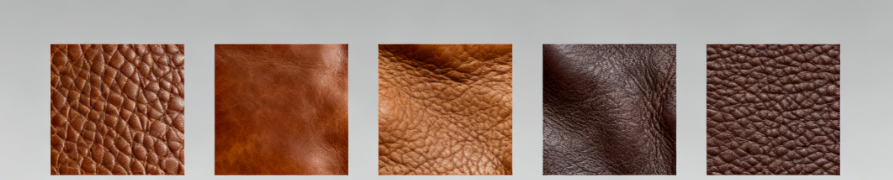
10 Popular Leather Types Table

|
Leather Type |
Key Features |
Best Use Cases |
|---|---|---|
|
Full-Grain Leather |
Durable, breathable, develops patina |
Leather tote bag, leather crossbody bag, leather shoulder bag |
|
Top-Grain Leather |
Smooth, easy to clean, uniform |
Mid-high end leather bag, leather messenger bag |
|
Genuine Leather |
Affordable, decent durability |
Promotional bags in leather, mid-range leather tote bag |
|
Split Leather |
Soft, flexible, less durable |
Casual leather bags, shoe linings |
|
Suede |
Soft, velvety |
Shoes, small luxury bags in leather, leather shoulder bag |
|
Nubuck |
Stronger, velvety |
High-end leather crossbody bag, Portland leather bags |
|
Patent Leather |
Shiny, water-resistant |
Glossy leather tote bag, evening leather bags, dress shoes |
|
Vegetable-Tanned Leather |
Eco-friendly, develops patina |
Premium wallets, belts, leather messenger bag, leather duffle bag |
|
Chrome-Tanned Leather |
Soft, colorfast, mass-producible |
OEM/ODM leather bags, everyday leather crossbody bag, leather shoulder bag |
|
Vegan Leather |
Animal-free, uniform texture |
Sustainable vegan leather bags, leather tote bag, leather sling bag |
1 Full-Grain Leather
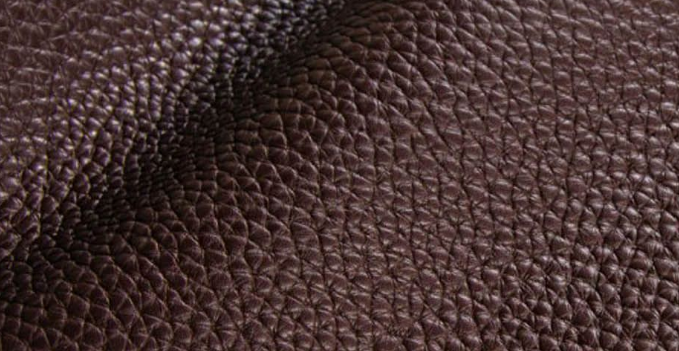
Definition: The highest quality leather, made from the top layer of the hide, retaining natural grain.
Features: Extremely durable, breathable, develops a rich patina over time.
Pros & Cons:
-
Pros: Long-lasting, luxurious look, improves with age
-
Cons: Expensive, requires care
Best Use Cases: Luxury leather tote bag, leather crossbody bag, leather shoulder bag, leather duffle bag, shoes, belts, wallets
How to Identify: Look for natural grain patterns, small pores, and a firm yet supple texture
2 Top-Grain Leather
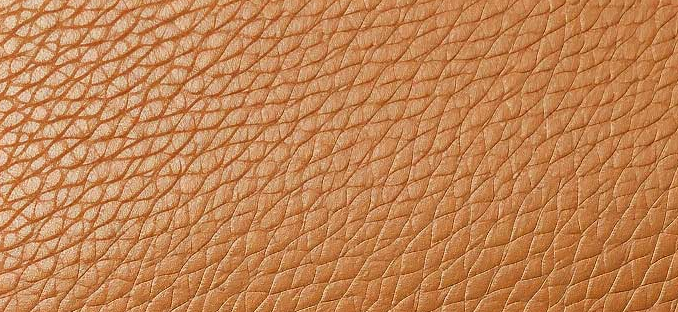
Definition: Leather sanded or buffed on the surface for a more uniform appearance, still from the top layer.
Features: Smooth texture, easier to work with than full-grain
Pros & Cons:
-
Pros: High quality, consistent look, easier to clean
-
Cons: Less natural patina than full-grain
Best Use Cases: Mid-to-high-end leather bag, leather messenger bag, leather sling bag, wallets
How to Identify: Even surface, minimal natural marks, softer feel
3 Genuine Leather
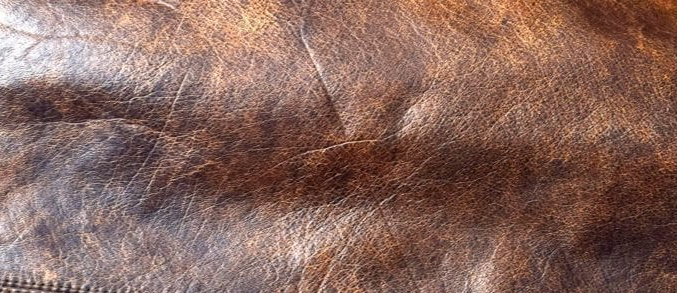
Definition: Made from lower layers of the hide, pressed and coated to enhance appearance.
Features: Affordable, decent durability, can mimic higher-grade leather
Pros & Cons:
-
Pros: Cost-effective, widely available
-
Cons: Less durable, may peel over time
Best Use Cases: Promotional bags in leather, mid-range leather tote bag or leather crossbody bag
How to Identify: Smells like real leather but feels thinner; surface may be coated
4 Split Leather
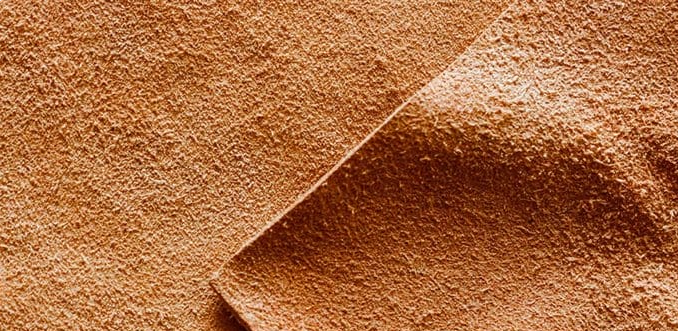
Definition: Made from the fibrous part of the hide left after top-grain removal
Features: Soft, flexible, less durable
Pros & Cons:
-
Pros: Soft and pliable, inexpensive
-
Cons: Weak, prone to scratches
Best Use Cases: Suede, casual leather bags, shoe linings
How to Identify: Can be split into layers; suede-like texture; less natural grain
5 Suede
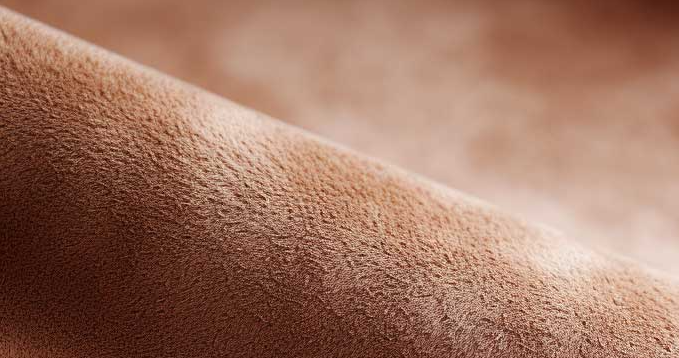
Definition: Leather from the underside of the hide, brushed to create a soft, napped finish
Features: Soft, delicate, velvety surface
Pros & Cons:
-
Pros: Lightweight, elegant texture
-
Cons: Stains easily, requires special care
Best Use Cases: Shoes, small luxury bags in leather, light leather shoulder bag
How to Identify: Soft nap, brushed surface, slightly fuzzy touch
6 Nubuck
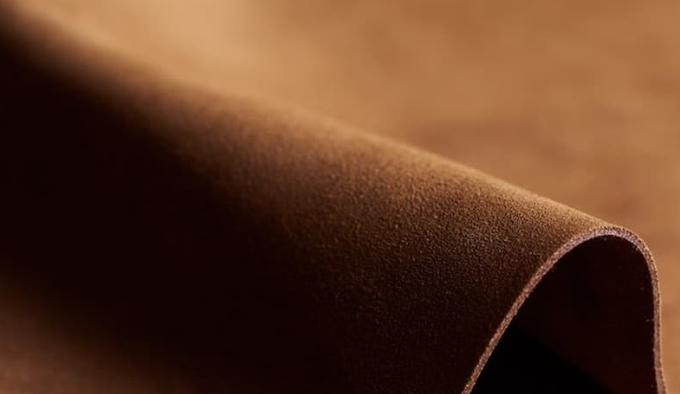
Definition: Top-grain leather sanded on the outer surface to produce a soft, velvety finish
Features: Stronger and more luxurious than suede
Pros & Cons:
-
Pros: Durable, premium appearance
-
Cons: Can stain, requires maintenance
Best Use Cases: High-end leather crossbody bag, shoes, Portland leather bags, furniture
How to Identify: Smooth, velvety surface; subtle sheen; soft touch
7 Patent Leather

Definition: Leather coated with a high-gloss finish
Features: Shiny, water-resistant, eye-catching
Pros & Cons:
-
Pros: Attractive, easy to wipe clean
-
Cons: Can crease, less breathable
Best Use Cases: Glossy leather tote bag, dress shoes, evening leather bags
How to Identify: Reflective surface, smooth and glossy, stiff feel
8 Vegetable-Tanned Leather
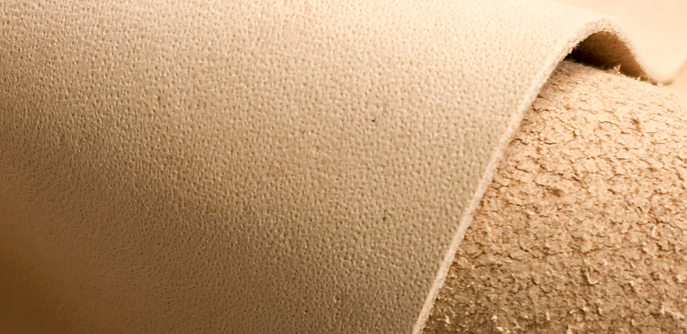
Definition: Leather tanned using natural plant extracts, eco-friendly and durable
Features: Develops deep patina over time
Pros & Cons:
-
Pros: Long-lasting, environmentally friendly, natural texture
-
Cons: Sensitive to water, heavier
Best Use Cases: Premium wallets, belts, craft leather messenger bag or leather duffle bag
How to Identify: Slightly firm, natural earthy smell, patina develops with age
9 Chrome-Tanned Leather
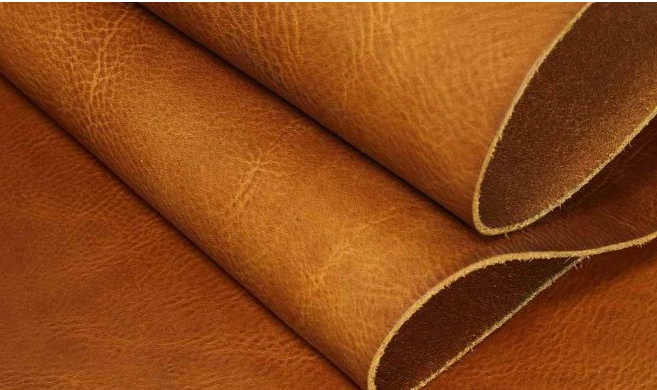
Definition: Leather tanned using chromium salts for softer and more flexible material
Features: Colorfast, softer, easier to produce in large quantities
Pros & Cons:
-
Pros: Soft, consistent color, ideal for mass production
-
Cons: Less eco-friendly than vegetable-tanned
Best Use Cases: OEM/ODM leather bags, everyday leather crossbody bag, casual leather shoulder bag
How to Identify: Smooth, uniform color; supple; less natural patina
10 Vegan Leather
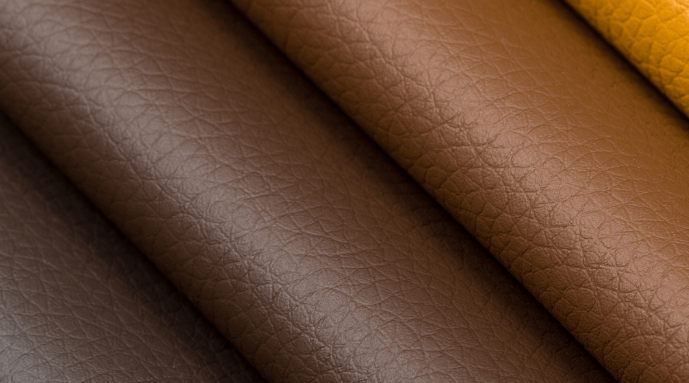
Definition: Non-animal leather alternatives such as PU, bio-based, or apple leather
Features: Eco-friendly, versatile, uniform texture
Pros & Cons:
-
Pros: Animal-free, easy to clean, lightweight
-
Cons: Less breathable, may not age like real leather
Best Use Cases: Sustainable vegan leather bags, leather tote bag, leather sling bag, fashion-forward bags in leather
How to Identify: Even texture, lighter smell, often lighter weight
What Common Problems Do Brands Face When Choosing Leather?
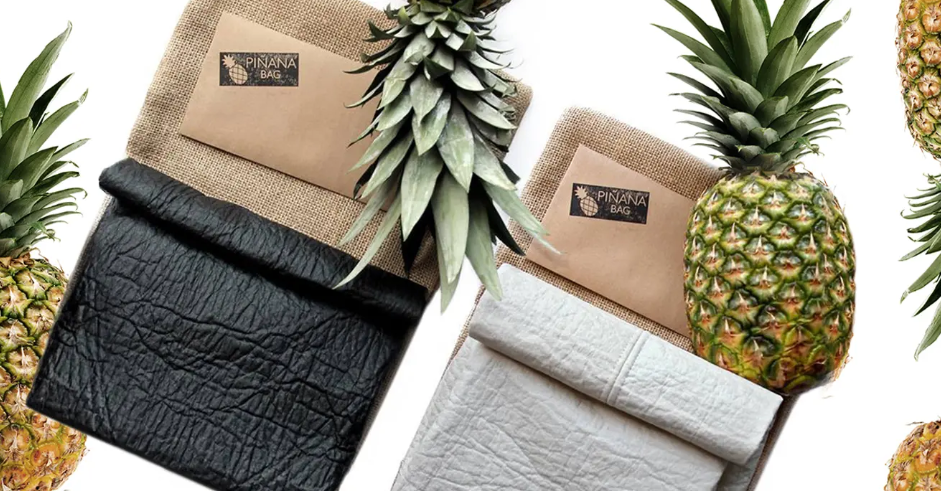
Selecting the right leather is one of the biggest challenges for brands, especially when developing new leather bags, leather tote bags, leather crossbody bags, and other premium products. Below are the most common issues brands face and practical solutions to avoid costly mistakes:
1. Final Color Doesn’t Match the Sample
Leather dyeing varies by batch, tannery, and finishing method, making color inconsistency a frequent problem.
Solution: Always request multiple color swatches from the same batch and require the supplier to follow a fixed color standard (Pantone, Lab measurements).
2. The Handfeel Is Not as Expected
Softness, thickness, and elasticity differ across leather grades and finishing processes.
Solution: Ask for at least 2–3 quality grades of the same leather type to compare flexibility, firmness, and grain.
3. Sample vs. Mass Production Differences
Small samples often look perfect, but mass production may have deviations in texture, thickness, or coating.
Solution: Request a pre-production sample made using the same machine, same leather batch, and same finishing process as mass production.
4. Difficulty Identifying Leather Grade
Many brands struggle to distinguish full-grain, top-grain, and corrected-grain leather simply by visual inspection.
Solution: Ask factories for:
-
Clear grade labeling (A/B/C or 1/2/3)
-
Testing reports, such as tensile strength, colorfastness, abrasion resistance
-
Cutting samples showing cross-sections for accurate comparison
5. Unknown Source or Inconsistent Quality from Suppliers
Some suppliers mix leather from different tanneries, causing quality instability.
Solution: Work with factories that offer traceable sourcing, stable partnerships with certified tanneries, and transparent QC reports.
Conclusion
Understanding different leather types is essential for brands that want to create high-quality, market-ready products. The right leather elevates the durability, texture, and visual appeal of any item—from everyday leather bags for women to structured totes, leather bucket bag designs, and functional pieces like a leather laptop bag or leather belt bag. Choosing the proper material directly influences how a product feels, ages, and performs in the market, especially for brands targeting premium standards similar to a Coach leather bag.
At Sunteam, our in-house leather expertise, advanced production capabilities, Italian technical team, and complete OEM/ODM system guide brands through precise material selection. Whether developing luxury full-grain bags or sustainable vegan leather lines, we ensure consistent quality from sampling to mass production.
We welcome clients to reach out for leather consultation, custom development, and sample creation.
FAQ
1. What’s the difference between full-grain and top-grain leather?
Full-grain leather retains the natural grain and is the most durable. Top-grain leather is lightly corrected for a smoother, more uniform finish and is commonly used in mid-to-high-end bags.
2. How can I tell if a material is real or synthetic leather?
Check natural pores, smell, flexibility, and edge fiber structure. Real leather has irregular grain, while synthetic leather displays a more uniform pattern.
3. Which leather type is best for wallets and small leather goods?
Full-grain or vegetable-tanned leather is ideal for premium wallets. Softer chrome-tanned leather is great for lightweight accessories like compact leather belt bag styles.
4. Why do prices vary greatly even within the same leather type?
Prices differ due to hide origin, grade level, tannery standards, finishing processes, thickness, and defect rate. Higher grades are used for premium pieces like leather bags for women and high-end designs.
5. Can vegan leather be used for high-end products?
Yes. High-quality PU and bio-based materials can achieve luxury aesthetics for fashion items such as a leather bucket bag or minimalist leather laptop bag, especially for eco-focused brands.
6. What leather customization services does Sunteam offer?
We offer custom colors, textures, thickness options, embossing, sustainable vegan leather, and full OEM/ODM support for handbags, accessories, and structured goods—including totes, crossbody bags, and premium Coach leather bag–style collections.